English
 русский
 عربى
عربى


Semi-Automatic Blowing Machine
Semi-Automatic Blowing Machines are specialized machines used in the production ...
See Details


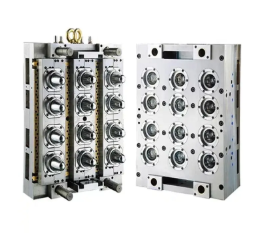
In many production discussions, quality and output are often treated as separate targets. In daily operation, however, they are closely linked through the behavior of Various Cavity Numbers Moulds. Cavity quantity shapes how consistently a system performs and how smoothly production can continue over time.
When cavity numbers are limited, quality control tends to rely on direct observation and routine adjustment. Output grows steadily as long as rhythm remains stable. As cavity numbers increase, the relationship becomes more complex. Output expectations rise, while quality becomes more dependent on balance across multiple positions.
Quality within Various Cavity Numbers Moulds does not rely on a single standard. Instead, it reflects how evenly each cavity behaves in relation to the others. In lower cavity structures, differences are easier to detect and correct, making consistency more straightforward to maintain.
As cavity numbers grow, quality becomes a collective result rather than an individual outcome. Small variations between cavities may fall within acceptable limits when viewed alone, yet together they can influence overall stability. This changes how quality is judged and managed.
Quality behavior across cavity structures often shows the following patterns:
Output is frequently associated with cavity count, but experience with Various Cavity Numbers Moulds shows that effective output depends on coordination. Each cavity must contribute in rhythm with the rest of the system. When alignment holds, output remains steady. When it breaks, production flow is disrupted.
Lower cavity configurations often maintain a smooth pace with fewer interruptions. As cavities are added, synchronization becomes more sensitive. A single cavity operating outside the expected range can influence the entire cycle, reducing effective output.
Output behavior therefore reflects not only how many cavities are present, but how well they work together under sustained operation.
Structural balance inside Various Cavity Numbers Moulds influences both quality stability and output rhythm. Balanced layouts distribute operational load more evenly, helping cavities respond in similar ways over time. This alignment reduces the need for frequent correction.
When balance is uneven, some cavities may experience higher strain, gradually drifting from the expected behavior. These differences can affect surface consistency and disrupt production rhythm, making both quality and output harder to control.
Structural balance supports performance by:
As cavity quantity changes, both quality and output respond in recognizable ways.
| Cavity Configuration Focus | Quality Consistency Pattern | Output Rhythm | Control Sensitivity |
|---|---|---|---|
| Lower cavity structures | Highly uniform | Steady and predictable | Low |
| Moderate cavity structures | Balanced variation | Coordinated with monitoring | Medium |
| Higher cavity structures | Distributed variation | Conditional and sensitive | High |
Higher cavity counts expand production capacity, but they also broaden the range of quality risks. In Various Cavity Numbers Moulds with many cavities, small inconsistencies may repeat across multiple positions, making them harder to isolate.
Common quality-related challenges include:
The risks do not imply that higher cavity designs are unsuitable. Instead, they emphasize the importance of alignment between cavity quantity and control capability.
As cavity numbers increase, output does not always rise in the same way. In real production settings, Various Cavity Numbers Moulds can reach a point where coordination becomes harder than expected. When this happens, output is no longer driven by available capacity, but by how well the system can stay balanced.
Overextended cavity designs tend to expose limits that are easy to overlook at first. Small disturbances that once passed unnoticed may begin to affect the entire process. On paper, output levels may still appear acceptable, yet the working rhythm underneath becomes less even.
Common limitations often include:
Process control sits at the center of how quality and output interact in Various Cavity Numbers Moulds. As cavity structures become more complex, the room for adjustment tends to shrink. Actions that once felt routine now require closer attention.
With lower cavity arrangements, control is often direct and intuitive. Operators can respond quickly, sometimes without formal steps. In higher cavity layouts, control shifts toward routine observation and consistent handling. The work becomes quieter, but also more demanding.
Effective control supports balance in several ways:
Rather than stepping in only when problems appear, control works best as a steady presence. It holds the system in place.
Short-term pressure for higher output can influence how Various Cavity Numbers Moulds behave over time. When output expectations rise without equal attention to balance, quality consistency may begin to shift slowly.
In many cases, the change is subtle. There is no sudden failure. Instead, small differences appear between cavities. Over time, these differences become harder to manage, especially during sustained operation.
Observations from ongoing production often show that:
Choosing cavity numbers usually involves a series of practical judgments. In Various Cavity Numbers Moulds, selection reflects how much complexity a team can manage while keeping output within acceptable limits.
Rather than concentrating only on capacity, many operations look at:
Across the industry, conversations around cavity configuration increasingly focus on balance. The role of a Various Cavity Numbers Moulds Supplier has gradually moved away from offering the highest cavity count as a default option.
Instead, attention turns to how structural choices fit real operating conditions. Performance is no longer judged by scale alone. Stability, rhythm, and consistency now carry equal weight.
This perspective encourages choices that align production intent with what actually happens on the floor. It also reduces the gap between design expectations and day-to-day operation.
Cavity numbers remain a practical reference point when balancing quality and output. Various Cavity Numbers Moulds make this relationship visible during daily operation, where structural decisions meet real conditions.
When cavity configuration, control discipline, and output expectations are aligned, performance becomes predictable. The process reacts less and settles more easily into a steady rhythm.
Experience shared across the industry, including observations associated with Taizhou Qihong Mold Co., Ltd., continues to point in the same direction. Thoughtful cavity selection supports performance that holds up over time, not just under ideal conditions.
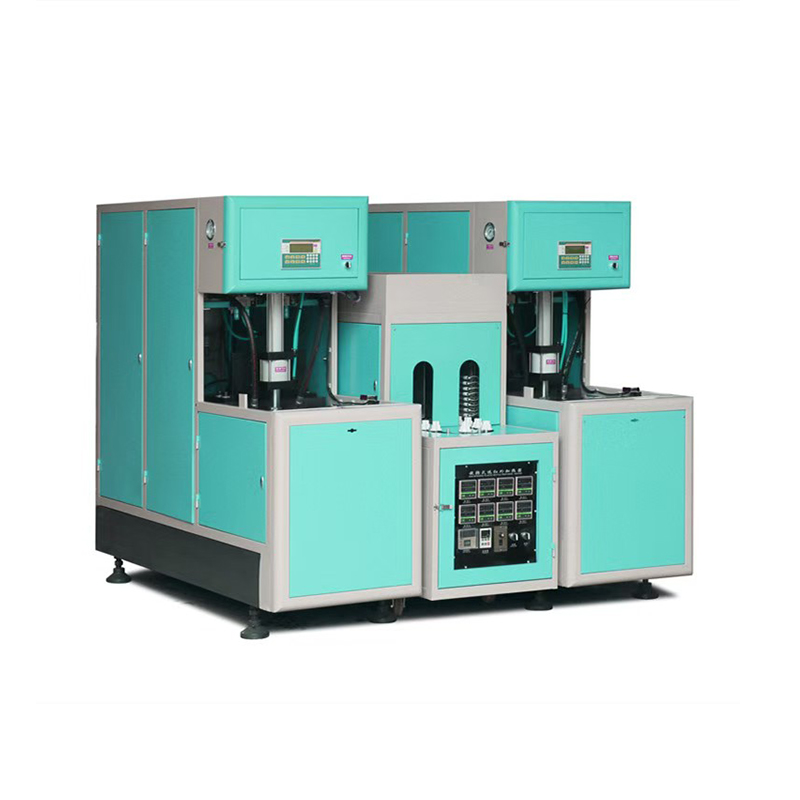
Semi-Automatic Blowing Machines are specialized machines used in the production ...
See Details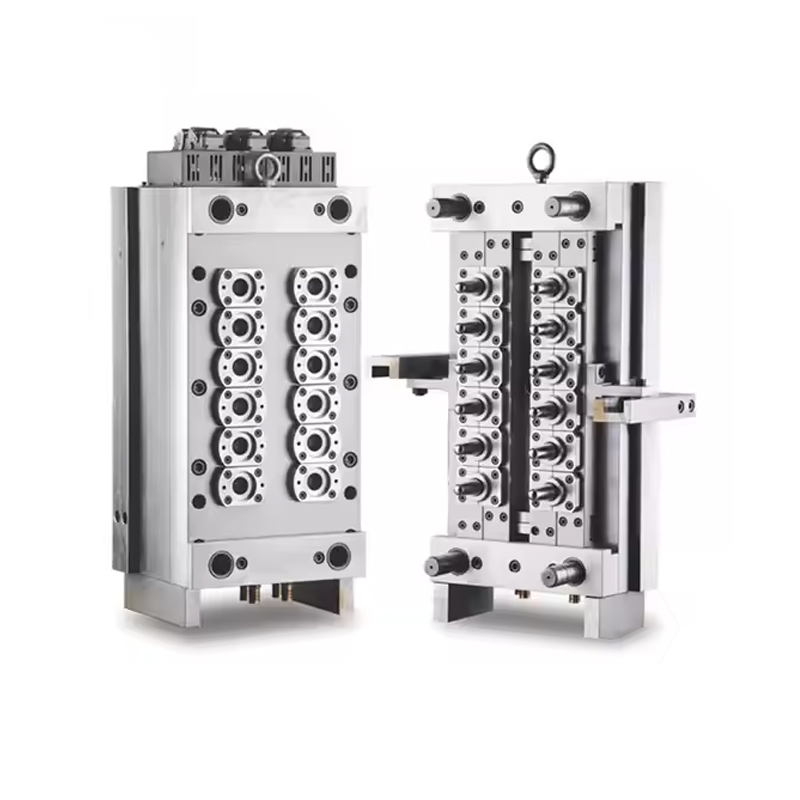
The 12-Cavity PET Preform Mold is a high-quality, durable solution designed to m...
See Details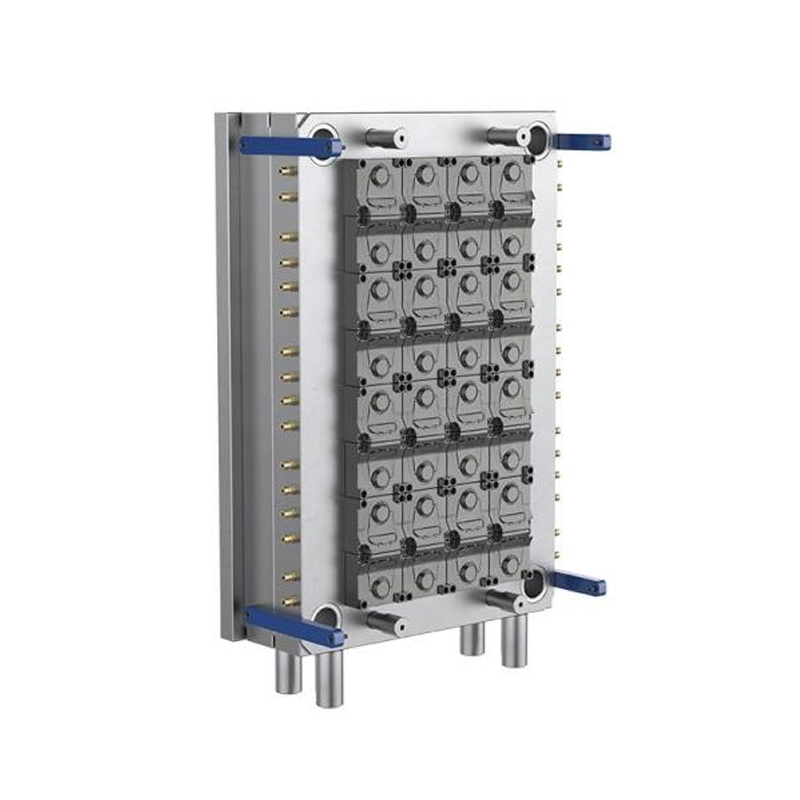
A Handle Mold is a specialized mold used in the manufacturing of plastic handles...
See Details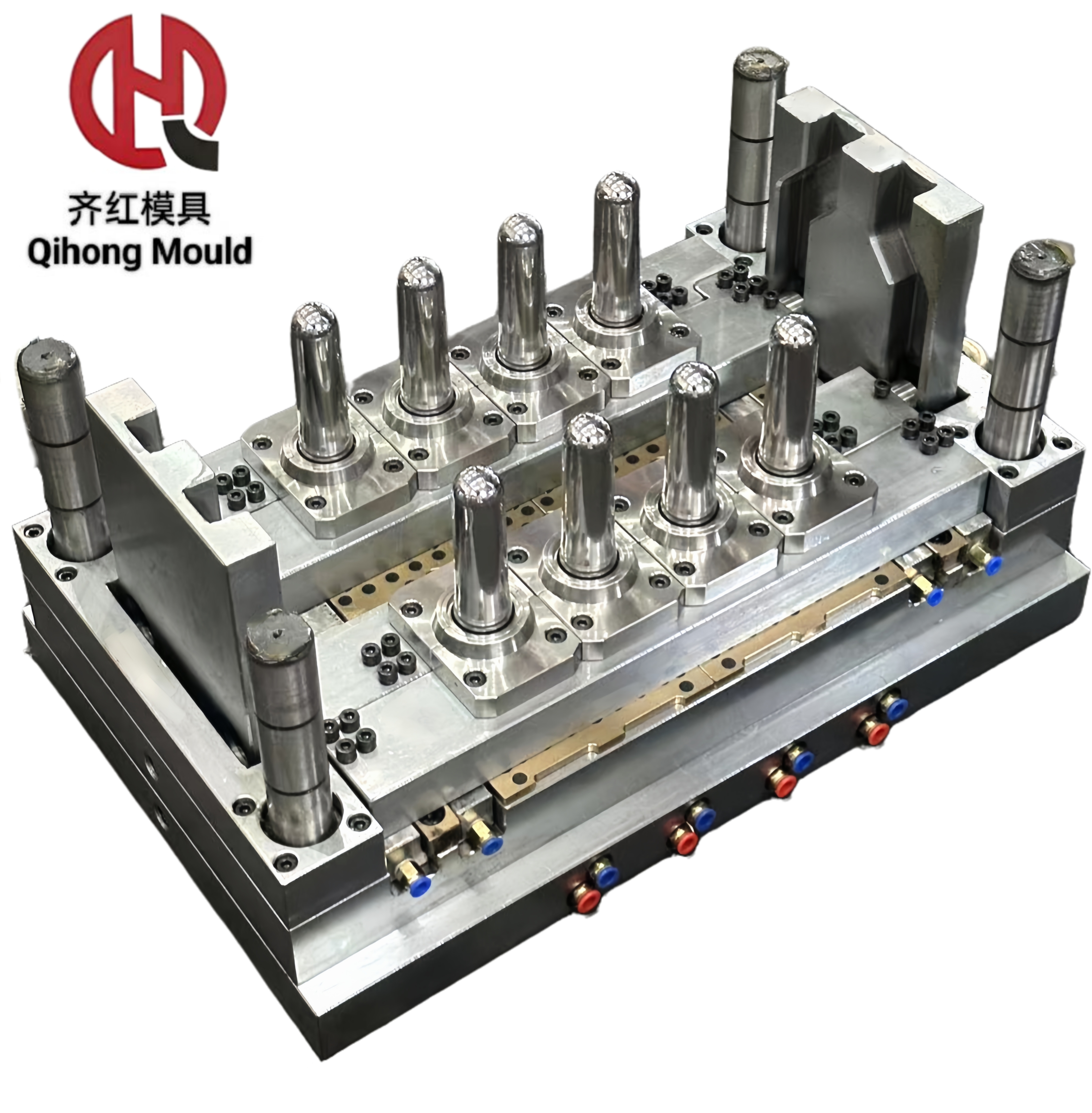
Jar Preform Mold is designed for accurate and efficient production of plastic pr...
See Details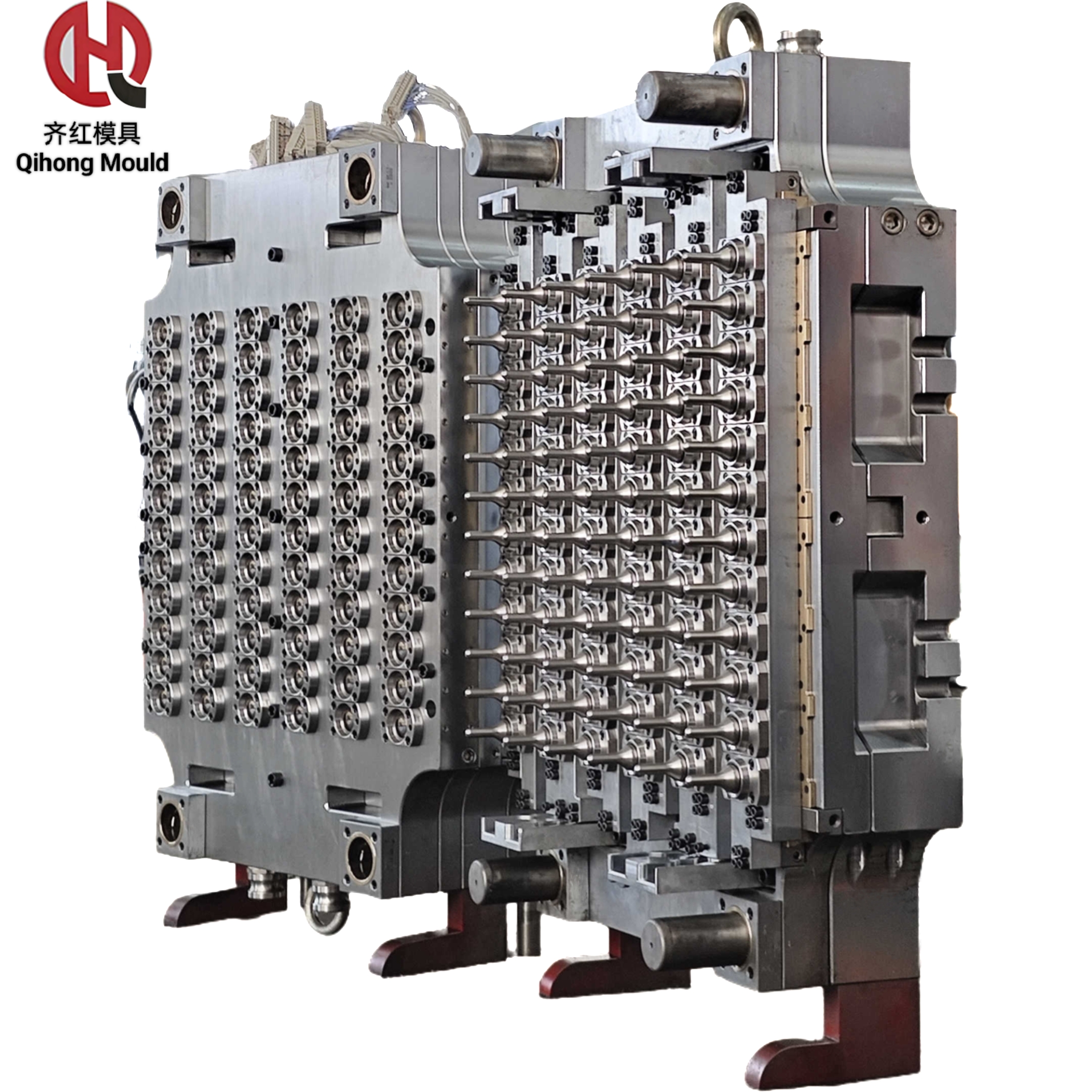
PET Preform Mold Design focuses on high precision structure and stable productio...
See Details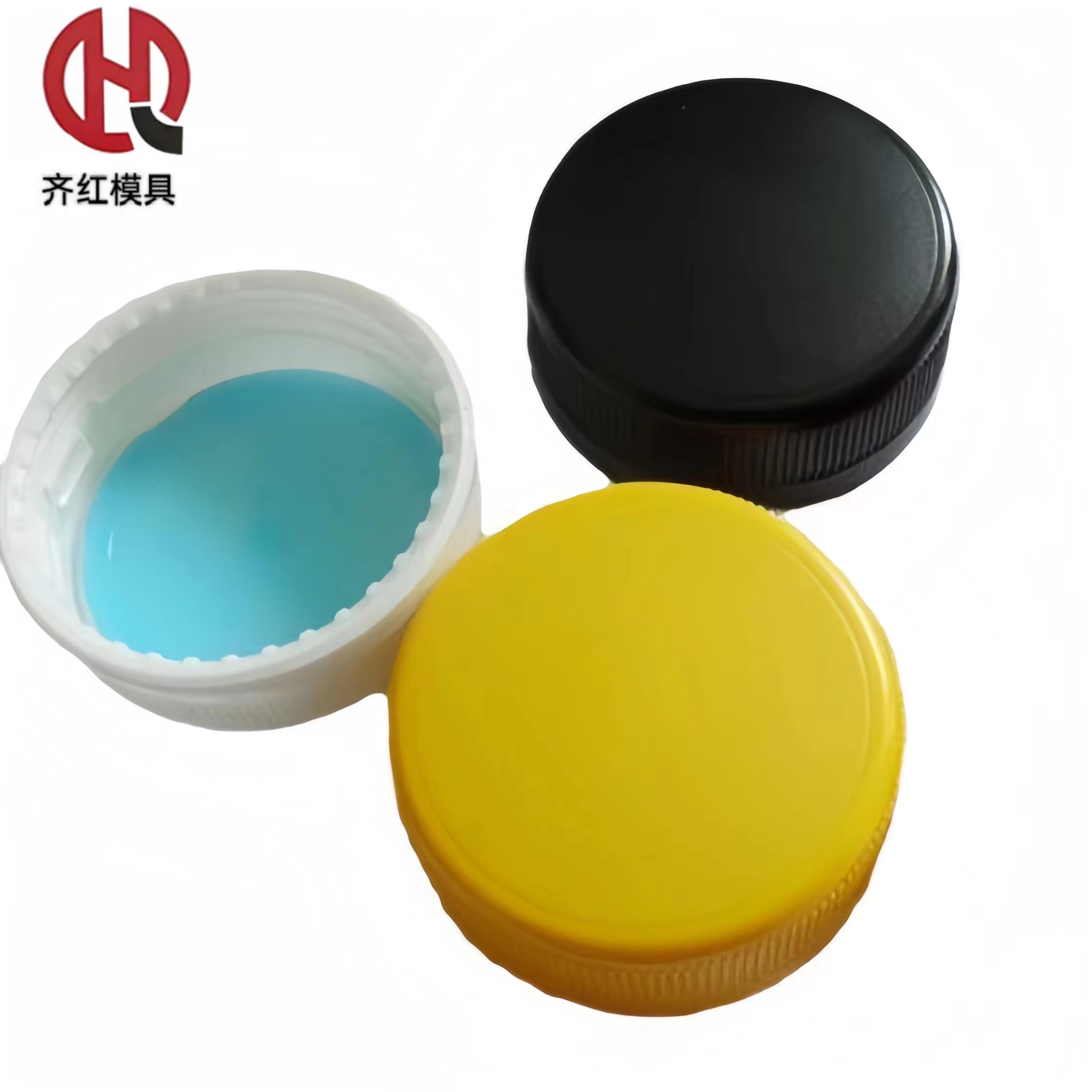
Mould Specifications Product : Cap Mould Brand : Taizhou QihongMould Co.,L...
See Details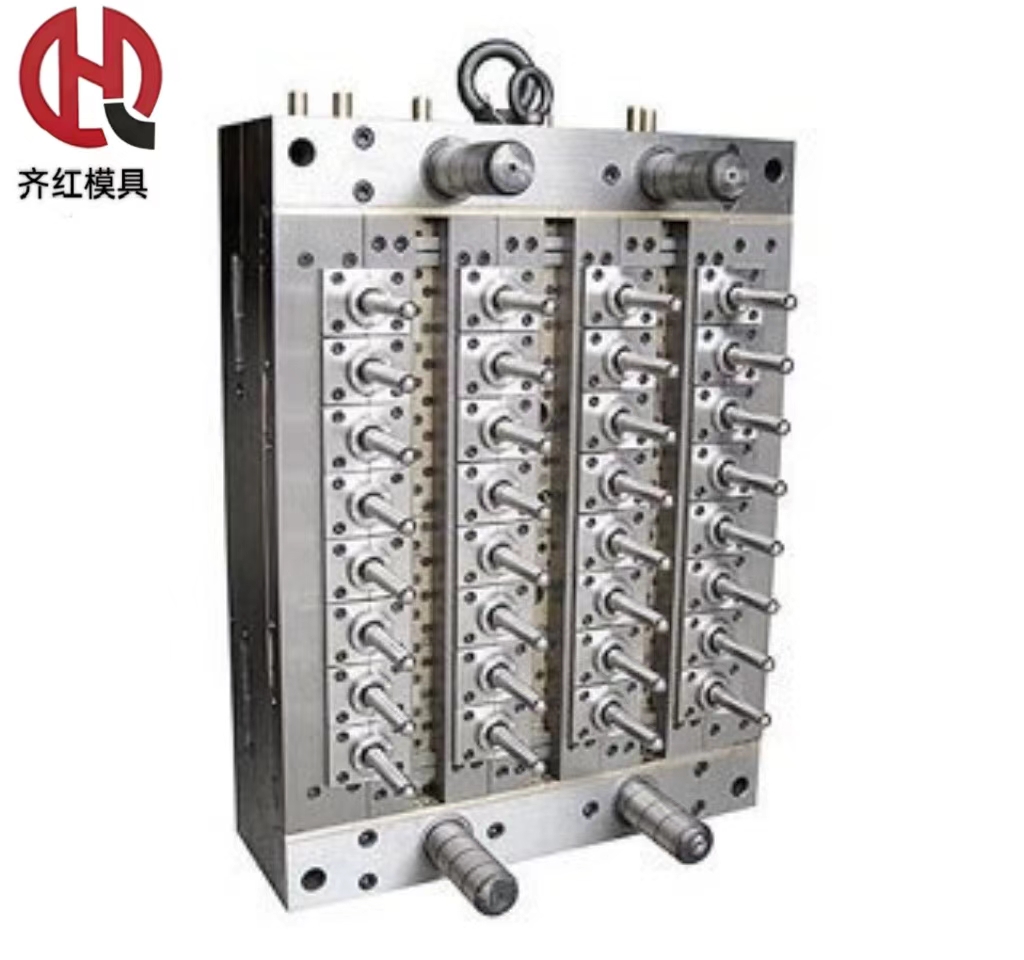
Custom Made Plastic Molds are designed for high precision and flexible plastic p...
See Details
Standardization of mold partsHigh-precision processing equipment is used to ensu...
See Details
WhatsApp:+(86) 13957659071 / +(86) 18158637057 / +(86) 15395760157


ADD:Baige Science and Technology Park, Huangyan District, Taizhou City, Zhejiang Province, China.