English
 русский
 عربى
عربى


24-Cavity Preform Mold(Mould)
The 24-cavity preform mold is a handy tool for turning out PET bottle preforms. ...
See Details


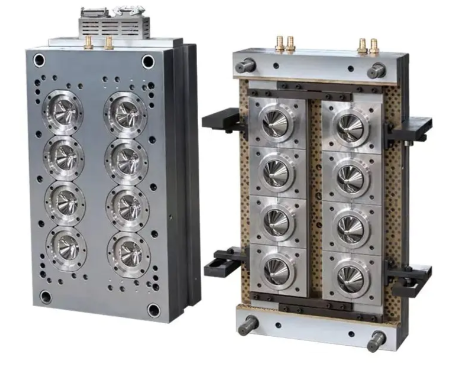
In container making, the mould is just as important as the container itself. Large opening containers have become very popular because they make it easier to reach the contents, whether it's food, creams, or powders. At the heart of making these containers is the Wide-Mouth Mould, a tool that shapes materials into containers that are both practical and easy to use.
The mould affects not just the shape of the container, but also how fast and smoothly it can be made. Companies like Taizhou Qihong Mold Co., Ltd. focus on creating wide-mouth moulds that make production easier, filling simpler, and the user experience better. A good mould helps containers stay strong, fill evenly, and keep their shape during handling and storage.
Wide-mouth moulds aren't just about making a bigger opening. They involve careful planning of how the material flows, how the container cools, and how strong the structure is. Their design influences almost everything, from how quickly the container can be filled to how it reacts under pressure. Understanding why these moulds work well can help manufacturers make containers that are both useful and practical.
A wide-mouth mould is used to make containers with bigger openings than usual jars or bottles. A larger opening makes it easier for users to scoop, pour, or reach the contents. Unlike regular moulds, which often focus on using less material or keeping walls uniform, wide-mouth moulds focus on easy access while still being strong.
Some important points about wide-mouth moulds:
Making a wide-mouth mould isn't just about enlarging the entrance. The designer also thinks about how the material flows, how air escapes, and how the container cools. A poorly made wide-mouth mould can lead to uneven walls, weak rims, or defects like bubbles and surface marks.
A mould manufacturer has to balance all these factors. They also consider the material, how the container will be made, and how it will be used.
| Feature | Importance in Wide-Mouth Moulds | Impact on Container |
|---|---|---|
| Opening Size | Allows easy access for filling and use | Improves user experience |
| Wall Thickness | Prevents weak spots and ensures even strength | Enhances durability |
| Flow Channels | Guides material evenly during filling | Reduces defects and warping |
| Surface Finish | Smooth surfaces reduce friction during demoulding | Ensures cleaner appearance and release |
| Draft Angles | Helps container release from mould without damage | Maintains shape integrity |
Wide-mouth moulds are especially helpful when easy access is important. Food jars, cosmetic tubs, and chemical containers all benefit from a bigger opening without losing strength. This balance of convenience and efficiency makes wide-mouth moulds a key part of modern container production.
One main reason wide-mouth moulds work well is how they manage material flow. A bigger opening makes it easier for plastic, resin, or other materials to fill the container. The material spreads more evenly, and there's less resistance.
With a wide entrance, the material reaches every corner faster. This is very helpful for thick substances like creams, gels, or some food products. A good mould keeps the flow smooth, avoiding gaps or air bubbles that could make the container weak or leave marks on the surface.
A wide-mouth mould also reduces the pressure needed during filling. Less pressure means the machine works easier and uses less energy. Filling can also be faster since more material enters at once.
Good flow is key to making strong containers. If the flow isn't controlled, walls can be uneven, containers can warp, and defects like bubbles or sink marks can appear. Experienced manufacturers design wide-mouth moulds to make sure the material spreads evenly and consistently, producing containers that are strong and reliable.
Making a mould for a large opening isn't just about making the hole bigger—it's about keeping the container strong. A wide opening can create weak spots if the walls or rim are too thin. That's why wide-mouth moulds are carefully designed with proper wall thickness, rim support, and gradual transitions to prevent any weak points.
Draft angles and smooth curves are important too. They let the container come out of the mould cleanly without damage, while keeping its shape intact. For containers that will be stacked, transported, or handled often, structural stability is essential.
Other key design points include:
The goal is to make containers that are strong, functional, and reliable. Large openings make them more convenient, but the design has to ensure they don't deform or break during normal use.
Air getting trapped is a common issue in containers with big openings. When material flows in, air can form bubbles or weak spots. Wide-mouth moulds make it easier for air to escape, but it doesn't happen automatically.
Moulds still need well-planned vents to guide air out without changing the container's shape. Good venting prevents surface defects, keeps material strong, and ensures consistent quality in every piece.
Important points for air venting include:
By combining a wide opening with effective venting, the mould reduces common production problems like bubbles, rough surfaces, or weak spots. This makes containers stronger and more visually appealing—something especially important in food, cosmetics, and pharmaceutical products.
Controlling temperature is very important when making containers with large openings. Wide-mouth moulds influence how heat spreads as the material sets. If the cooling isn't even, it can lead to warping, shrinkage, or stress, which may make the container weaker or affect its appearance.
Many wide-mouth moulds are designed with built-in cooling channels. These channels help carry heat away evenly from thicker and thinner sections of the container. This way, the container hardens uniformly, keeps its shape, and production stays consistent.
The wide opening also helps the material spread more smoothly, which reduces hot spots that can lead to defects. Thick rims or walls hold heat longer, so good cooling design balances everything so all parts cool at about the same rate.
Proper thermal management also speeds up production. With even cooling, manufacturers don't have to wait too long between filling and demoulding. That keeps output steady without lowering quality.
Wide-mouth moulds have a big impact on how efficiently containers can be produced. Because the opening is larger, material flows more easily into the mould. This means machines don't need as much pressure when filling or injecting. Lower pressure not only saves energy, but also reduces wear and tear on the equipment, helping it last longer.
Filling containers evenly and quickly also keeps defects down. Less waste, fewer reworks, and smoother operations all follow. On a large production line, small improvements like this really add up. Consistent cycles and steady quality are especially important when producing thousands of containers day after day.
Some factors that help improve production efficiency include:
By paying attention to mould design, manufacturers can create containers that are both practical and cost-effective. These improvements benefit the whole production process—from handling raw materials to packing and shipping finished products.
Wide-mouth containers are used in lots of different industries.
Food and Beverage: Big jars, tubs, and dispensers are easier to scoop, pour, or stir from. This is especially helpful for thick foods or bulk items, where a smaller opening can make things messy or slow.
Cosmetics and Personal Care: Creams, balms, and lotions are much easier to handle in wide-mouth containers. Customers can reach in without spilling or struggling, which makes the product more convenient and enjoyable to use.
Pharmaceuticals and Chemicals: Powders, granules, and liquids often need careful handling. Wide-mouth containers allow controlled dispensing, which helps reduce spills and prevent contamination.
Everyday Convenience: Even at home or in offices, wide-mouth containers are popular. Pantry jars, cleaning products, and storage tubs are simpler to use, clean, and refill.
Some of the practical benefits of wide-mouth containers include:
They work well for both everyday household use and industrial applications.
Wide-mouth moulds have changed a lot over the years. Modern moulds are made from tough materials that last a long time and keep their precision, so containers stay consistent even in high-volume production.
Advanced design software now allows engineers to test how materials flow, how heat spreads, and how cooling works before making the mould. This helps spot problems like uneven filling or air pockets early, reducing trial and error during production.
Other improvements include:
These updates make it easier to produce containers with large openings that are strong, practical, and look good. Combining traditional know-how with modern tools has made wide-mouth container production more reliable and flexible.
Picking the right manufacturer affects the quality of the final containers. A good wide-mouth mould manufacturer knows how to balance a large opening with stability.
Key points to look at include:
Working with an experienced manufacturer ensures the moulds are practical and efficient to produce, which affects the durability, usability, and overall quality of the containers. This is especially important in industries like food, cosmetics, or pharmaceuticals.
Wide-mouth moulds can also help make production greener. Efficient material flow and optimized cooling reduce waste and energy use. Containers with even walls and fewer defects also cut down on material waste and rework.
Some sustainable practices include:
Manufacturers are paying more attention to sustainability. Well-designed moulds help reduce environmental impact without lowering container quality or functionality.
Wide-mouth moulds are likely to produce containers that are easier to use, more versatile, and environmentally friendly. Containers may have more ergonomic designs for easier access and better grip.
New materials could make containers lighter without losing strength, making handling and shipping simpler. Digital tools like predictive simulation and smart monitoring will improve mould design and production efficiency, reducing defects and keeping quality consistent.
Automation will become more integrated, adjusting flow, cooling, and pressure in real time. This will make large-opening containers more reliable across industries from food to cosmetics and pharmaceuticals.
As user expectations grow, wide-mouth moulds will help make containers that are practical, eco-friendly, and adaptable. Proper material flow, wall thickness, cooling, and venting all work together to make containers perform well.
Working with manufacturers like Taizhou Qihong Mold Co., Ltd. shows how important precision, experience, and careful design are in producing wide-mouth moulds. Combining knowledge, technology, and practical design lets manufacturers create containers that meet modern needs while keeping production smooth and efficient.
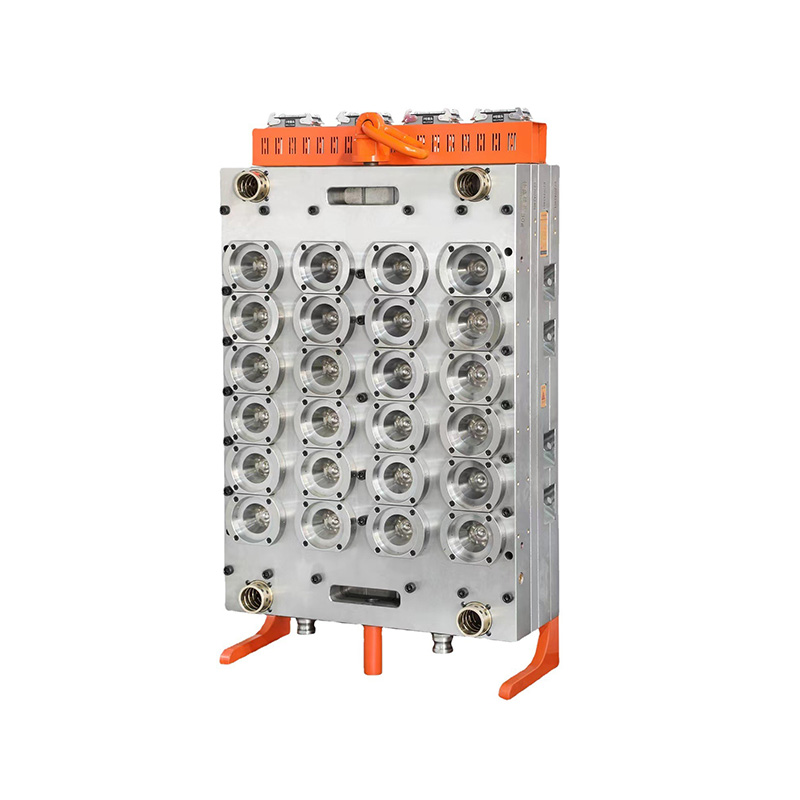
The 24-cavity preform mold is a handy tool for turning out PET bottle preforms. ...
See Details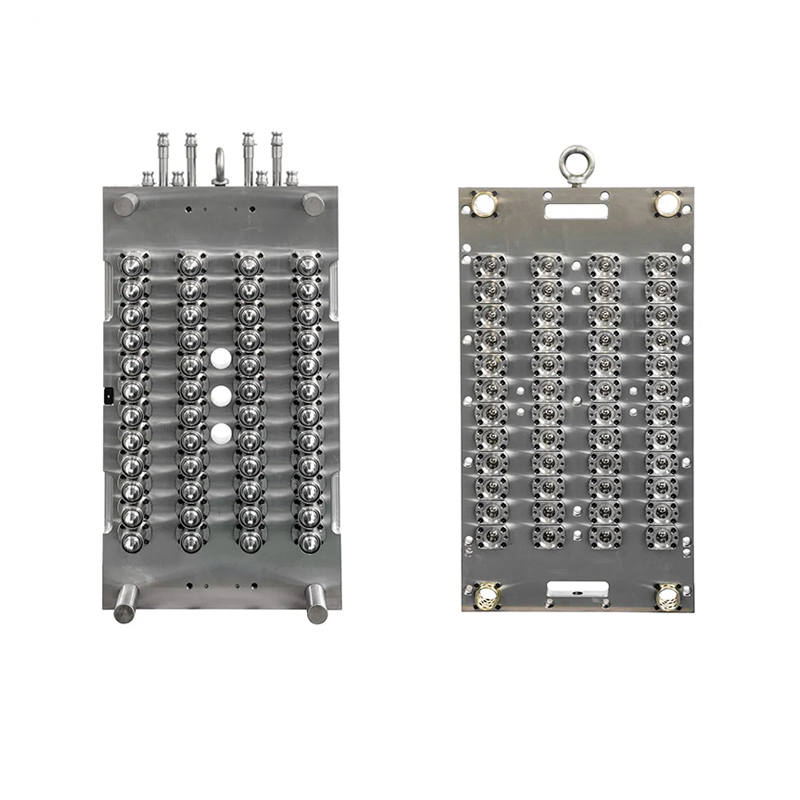
The Qihong 48-Cavity Preform Mold(Mould) is the ideal choice for high-volume PET...
See Details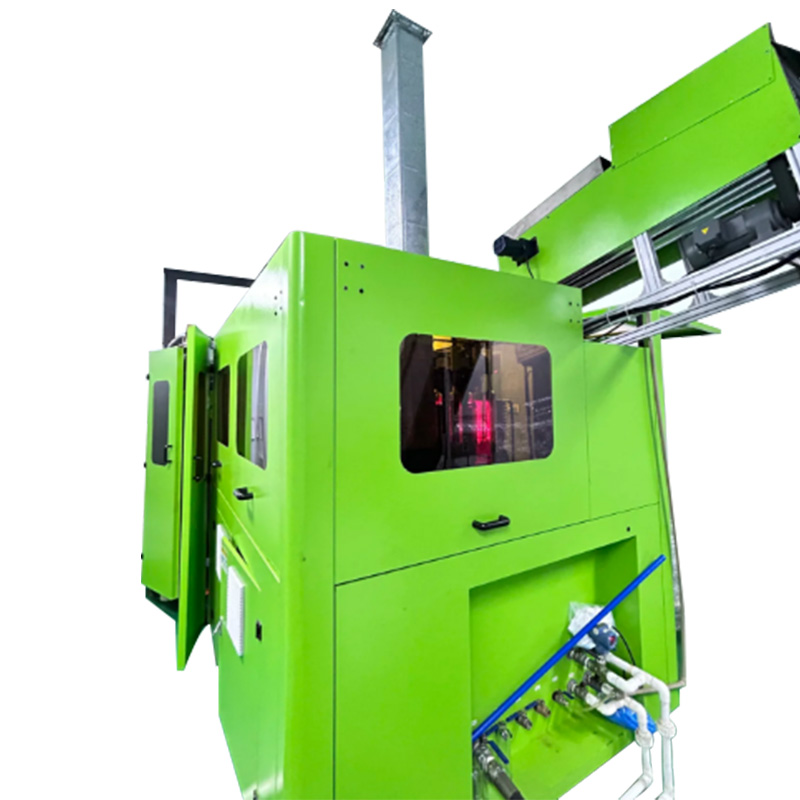
Automatic blowing machines are essential equipment in modern bottle manufacturin...
See Details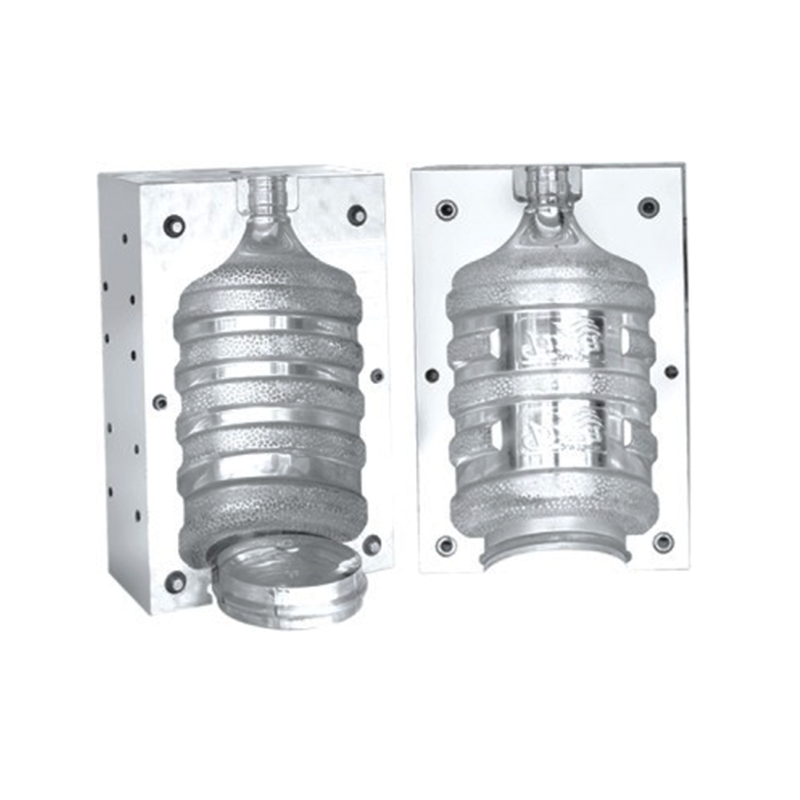
This Five Gallons Bottle Mold(Mould) comes straight out of Taizhou, Zhejiang—bui...
See Details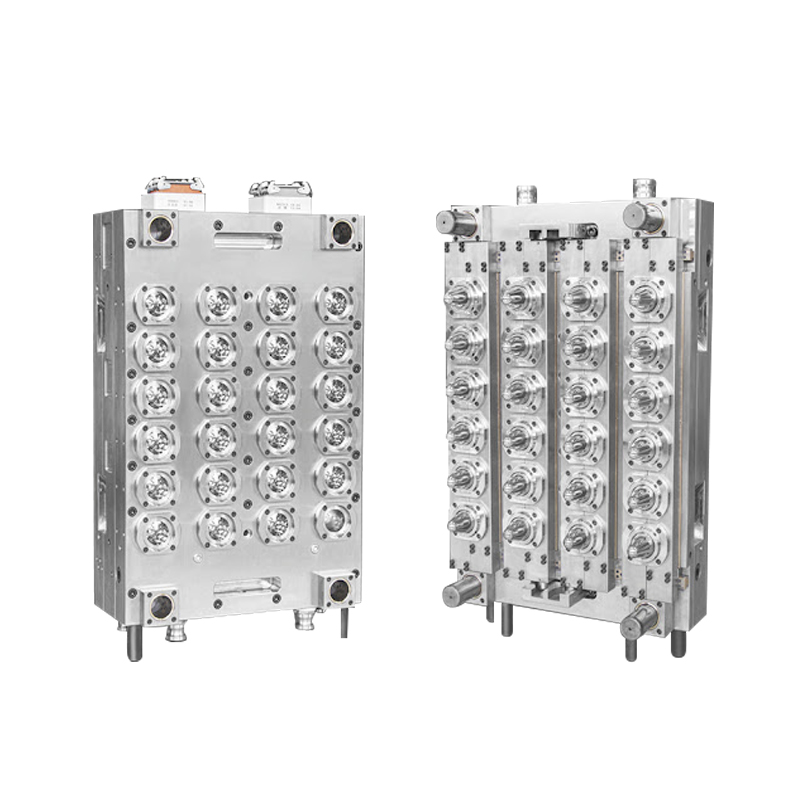
The 24-cavity wide-mouth mold is a precision tool designed for producing wide-mo...
See Details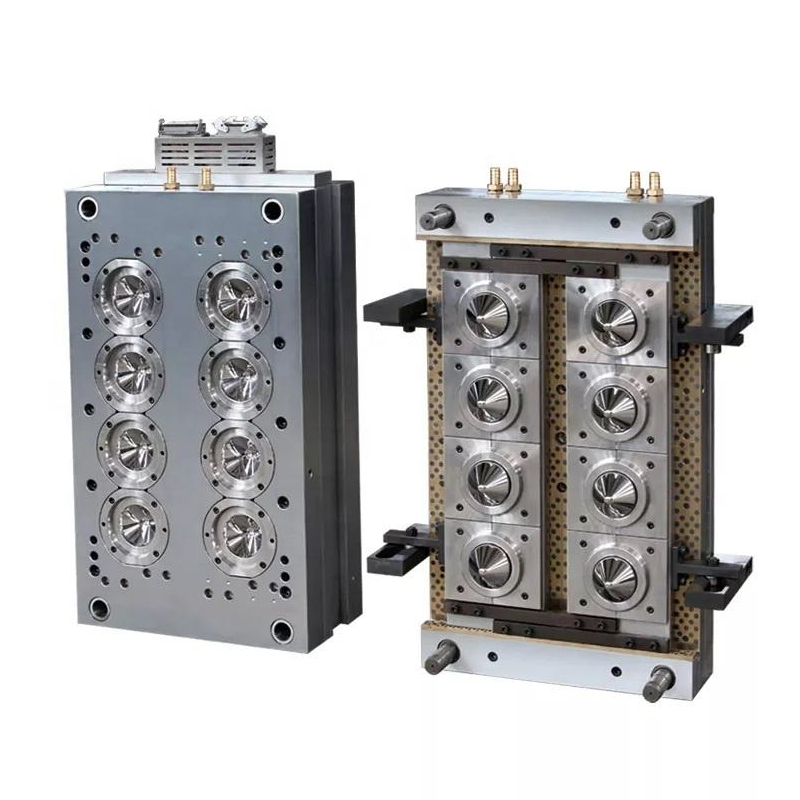
The 8-cavity wide-mouth mold is designed to produce plastic containers with larg...
See Details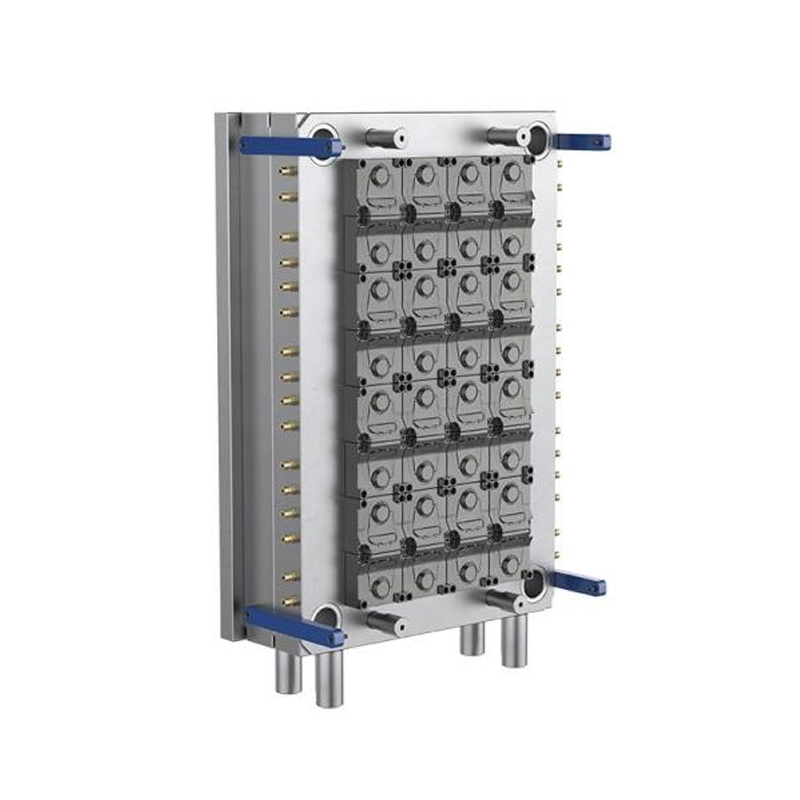
A Handle Mold is a specialized mold used in the manufacturing of plastic handles...
See Details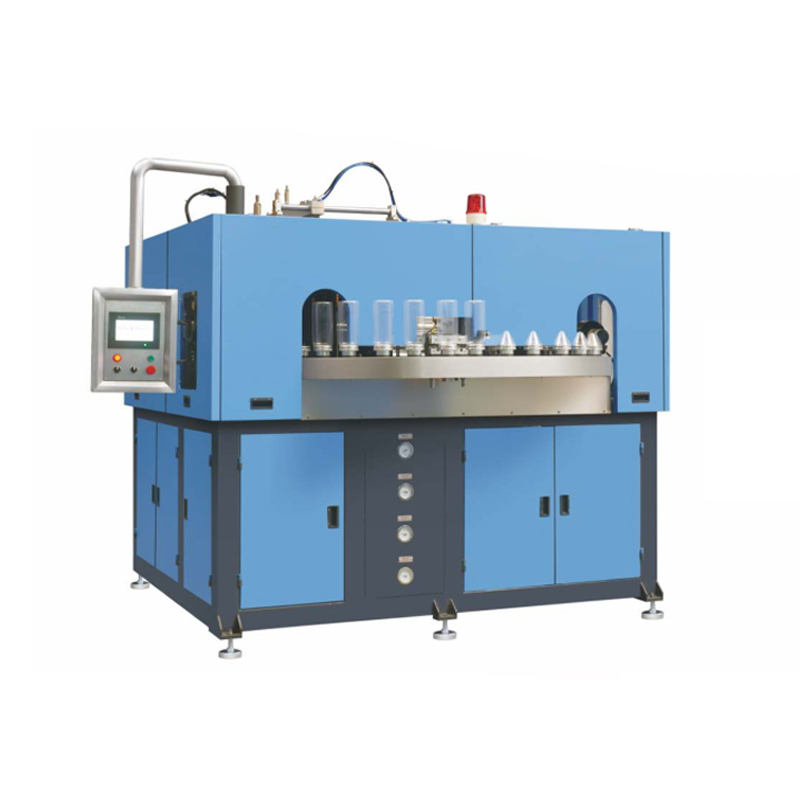
The hand-feeding blowing machine is an efficient tool designed for producing hig...
See Details
WhatsApp:+(86) 13957659071 / +(86) 18158637057 / +(86) 15395760157


ADD:Baige Science and Technology Park, Huangyan District, Taizhou City, Zhejiang Province, China.