English
 русский
 عربى
عربى


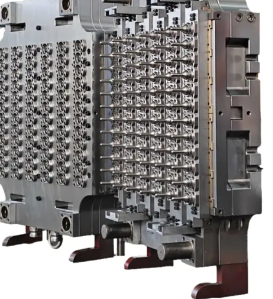
24-Cavity Preform Mold(Mould)
The 24-cavity preform mold is a handy tool for turning out PET bottle preforms. ...
See Details


The global packaging and container industry still relies heavily on the steady, dependable performance of Bottle Blowing Moulds—perhaps now more than ever. Production lines are getting faster, environments are getting tougher, and the expectations for consistent output keep climbing. Once a mould starts running every day, a lot of small details begin to influence how long it will last. Knowing these factors helps teams plan ahead, spot risks early, and push suppliers to build equipment that can hold up over time. Many engineering groups point out that companies like Taizhou Qihong Mold Co., Ltd. are already moving in this direction, focusing on tighter precision, better consistency, and moulds that stay reliable even under heavy use.
The reliance on Bottle Blowing Mould systems keeps increasing across beverage, household, and industrial packaging lines. With cycle times getting shorter and machines running almost nonstop, mould durability has become more than a technical concern—it's a real operational asset. A lot of production teams now look closely at how the design, the materials, the daily running conditions, and the supplier's experience all come together. When these pieces line up well, a mould can stay in good shape for a long time and deliver stable performance without constant repairs or downtime.
Steel quality sets the foundation for mould performance. A grade that balances strength and toughness allows the mould to resist deformation under constant air pressure and mechanical loading. When the steel aligns well with operating conditions:
Hardness must be chosen carefully. Too hard, and the material becomes brittle. Too soft, and it deforms under repeated closing force. A balanced hardness range helps maintain:
Moisture, compressed air, and temperature shifts can create subtle oxidation. These small corrosive marks grow faster in high-speed production. Preventing corrosion helps maintain stability and reduces unnecessary downtime.
Surface integrity determines how well the mould handles long production stretches. A smooth, uniform surface:
Gate Layout, Runner Paths, and Cavity Arrangement
The way gates and runners are arranged influences pressure distribution and flow behavior. A well-balanced layout supports consistent heating and cooling, which helps avoid internal stress.
Importance of Well-Balanced Flow Channels
Balanced channels ensure the resin or air reaches each cavity uniformly. This prevents turbulence, reduces shear, and protects the mould from uneven wear.
Influence of Cavity Structure on Durability
Curves, wall thickness transitions, and draft angles all affect long-term endurance. Smooth structural changes reduce stress concentration along cavity walls.
Cooling System Geometry and Long-Term Stress Distribution
Cooling paths guide heat removal. When the channels are placed correctly, the mould experiences less distortion and retains better structural balance.
| Cooling Behavior Factor | Influence on Mould Condition | Long-Term Effect |
|---|---|---|
| Temperature Stability | Keeps cavity walls evenly heated and cooled | Lower stress buildup |
| Smooth Water Flow | Prevents hot-spots and surface imbalance | More stable mould geometry |
| Clean Cooling Channels | Reduces scale, residue, and flow blockage | Fewer thermal fluctuations |
| Balanced Channel Layout | Improves consistency across cavities | Longer mould service performance |
Uniform finishing plays a bigger role than most people realize. When the surface is even and consistent, the mould doesn't scratch as easily and the material flows more smoothly. A steady finish also helps with everyday tasks on the line because it:
All these little details add up to a mould that stays stable for a longer period.
Good machining accuracy makes sure both mould halves meet cleanly without any offset. When the alignment is off—even just a tiny bit—it slowly turns into bigger issues like:
High precision keeps these problems under control and helps the mould stay tight and predictable in the long run.
Polishing isn't just about making the surface shiny. The polishing method directly shapes how the cavity behaves during production. The right technique avoids creating micro-grooves, keeps airflow smoother, and helps the resin move cleanly without catching or dragging. Over time, this has a big impact on how well the mould holds up.
A capable and experienced Bottle Blowing Mould Manufacturer can keep every cavity consistent, even in large, multi-cavity setups. They rely on standardized procedures, stable toolpaths, and properly controlled heat-treatment steps. When all these processes stay steady, each cavity performs the same way, which means fewer surprises for the production team.
During daily operation, the mould heats up and cools down over and over again. Each cycle causes tiny expansions and contractions in the steel. When the temperature swings get too big, these changes turn into:
Keeping temperatures steady helps avoid those issues.
A sudden heat jump can shock the steel, while gradual heating allows everything to expand more smoothly. Over long periods of use, slower and controlled heating helps:
It's a small operational choice that makes a big difference in mould endurance.
Consistent cooling keeps the mould's thermal behavior predictable. When coolant flow and temperature remain steady:
Stable cooling is one of the quiet but important factors behind a long-lasting mould.
Thermal fatigue builds up bit by bit as the mould goes through thousands of temperature cycles. If those cycles stay controlled and moderate, fatigue develops much more slowly. And when that happens, the overall service life naturally becomes longer and more reliable.
Resin purity makes a noticeable difference in daily production. High-purity materials keep the mould cleaner for longer because they carry fewer impurities. When the resin isn't as clean, tiny particles can scratch the cavity surface over time. It doesn't happen overnight, but the wear slowly builds up.
Not all resins behave the same way. Some flow smoothly and create very little friction, while others feel “stickier” under heat and pressure. Matching each resin type with the right cavity finish helps reduce friction and avoid unnecessary surface wear. It's one of those small adjustments that pays off in a big way.
Additives can change the story too. They might leave residue, or slightly affect how the surface feels after a long run. Knowing exactly what additives are in the material helps teams decide how often to clean the cavity and what cleaning method works best.
Every resin has its own flow traits—things like viscosity, elasticity, and how smoothly it fills the cavity. When the flow is stable, pressure spreads out more evenly. This reduces turbulence, protects the surface, and helps the mould wear in a predictable way instead of showing random hotspots or rough patches.
Regular cleaning keeps residue under control, but the method matters. Gentle cleaning protects the cavity from unnecessary scratches and helps maintain the smooth surface the mould needs for proper release. A harsh cleaning tool might remove residue quickly, but it can shorten mould life just as quickly.
Wherever metal slides against metal, lubrication becomes essential. Proper lubrication slows down fatigue, reduces friction, and keeps moving components—like sliders or neck inserts—working smoothly without grinding themselves down.
Some areas naturally wear out faster. Checking these spots regularly helps catch early warnings. A tiny mark today can become a big problem in a few weeks if nobody notices it.
Small scratches may not seem urgent, but under pressure and heat, they grow quickly. Fixing them early helps the cavity stay stable, keeps part quality consistent, and reduces the chances of larger repairs later.
A mould performs best when it's set up correctly on the machine. Proper alignment protects the parting line, keeps stress even, and prevents the mould from shifting during production.
Uniform clamping force is just as important. When one area receives more pressure than others, that part of the mould wears out faster. Balanced force helps everything stay straight and extends the mould's working life.
Production rhythm also affects mould behavior. Sudden stops, long pauses, or uneven cycle times introduce temperature swings and stress. A steady, predictable rhythm keeps thermal cycles smooth and reduces unexpected loads.
Vibration is one of those things that often goes unnoticed but causes real damage over time. Continuous vibration creates micro-movements in the mould, which slowly affects alignment and surface quality. Keeping the machine stable helps the mould last longer and run more consistently.
Production rooms don't always stay at one temperature. When the room gets too hot or too cold, cooling efficiency changes, and the mould reacts to those shifts. Even small fluctuations can influence how the mould expands, contracts, or settles during long runs.
Humidity is another issue that sneaks up over time. Moist air encourages oxidation, especially on exposed metal areas. Keeping humidity under control helps protect the surface finish and slows down rust formation, which is something every team wants to avoid.
Keeping the cooling water clean is one of those simple things that makes a big difference. When the water is free of minerals and debris, the channels stay open and do their job without surprises. But once the water gets dirty, buildup begins, flow slows down, and temperature control becomes harder to predict. The same idea applies to the air supply. A little dust on the cavity might not look serious at first, but over time it affects part appearance and forces more frequent cleaning.
A mould may not be running, but that doesn't mean you can ignore it. How it's stored affects its condition when production starts again. Proper storage helps avoid corrosion, small dents, or accidental drops that turn into bigger problems later. Keeping unused moulds in a dry, steady environment ensures they're ready to go without needing unexpected repairs or extra prep work.
How a mould is set up often matters more than people think. A proper setup keeps unnecessary stress away, helping the mould settle into a stable working state. But if the setup is rushed or slightly off, small alignment mistakes can slip in. These small issues may not show up right away, but they can grow into bigger problems over time.
During daily production, operators usually need to adjust temperature, pressure, or timing. These changes work best when they are slow and steady. Big or sudden adjustments can put extra strain on the mould, upset the balance of the process, and cause certain areas to wear out faster than expected.
Installing or removing a mould may look simple, but it still needs careful handling. Smooth movements help avoid scratches, dents, or slight bending that might not be noticeable at first. Over time, though, these small damages can affect how the mould performs. A careful operator can prevent many of these issues without extra effort.
Consistent training makes sure everyone follows the same solid habits. When operators understand and apply the same procedures, the mould usually lasts longer and runs more predictably. It's a straightforward step that brings long-term benefits to the whole production line.
Good communication helps both sides react to issues quickly. When buyers clearly share what they're seeing on the production line, the mould manufacturer can offer useful advice or small adjustments before the problem turns into something bigger.
Support during installation makes a real difference. When the supplier guides the team through the early steps, many common mistakes can be avoided. This helps protect the mould from early wear and keeps product quality steady from the start.
Having replacement inserts and components ready when needed keeps things moving. If parts arrive quickly, downtime stays low and the mould can return to normal operation without long delays.
Working together over the long term brings steady improvements. The production team shares real-world feedback, and the manufacturer uses that information to refine designs and create moulds that last longer and perform more reliably with each new model.
Engineers tend to focus on designs that improve stability, reduce fatigue, and deliver steady results. Production managers look for moulds that run predictably with fewer disruptions. Across the industry, interest continues to grow in balanced cooling systems, stable and reliable materials, and surface finishes that can survive the long pressure cycles of everyday use. These priorities reflect a broader shift toward moulds that offer both performance and endurance.
Doing these simple steps helps keep the mould in good condition and makes it easier to plan maintenance before small problems turn into big ones.
The life of a Bottle Blowing Mould depends on a lot of connected factors. Material choice, structural design, machining accuracy, how it's operated day to day, and even the environment it's used in all play a role. When each of these things is handled carefully, the mould can run smoothly and reliably for a long time. As production standards keep getting higher, manufacturers like Taizhou Qihong Mold Co., Ltd. continue working to make moulds that last longer, stay consistent, and perform dependably in modern production lines.
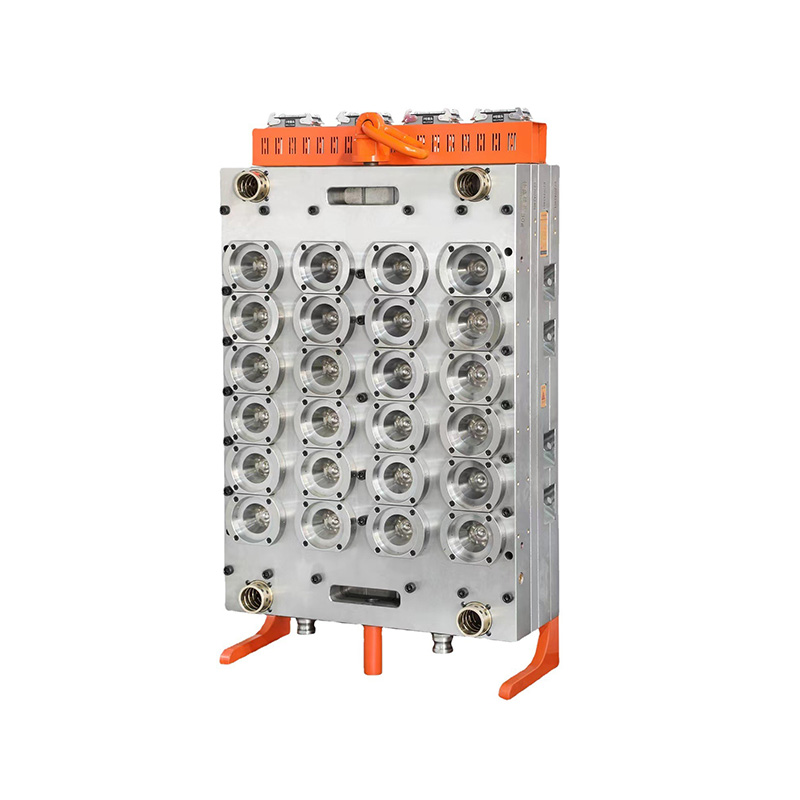
The 24-cavity preform mold is a handy tool for turning out PET bottle preforms. ...
See Details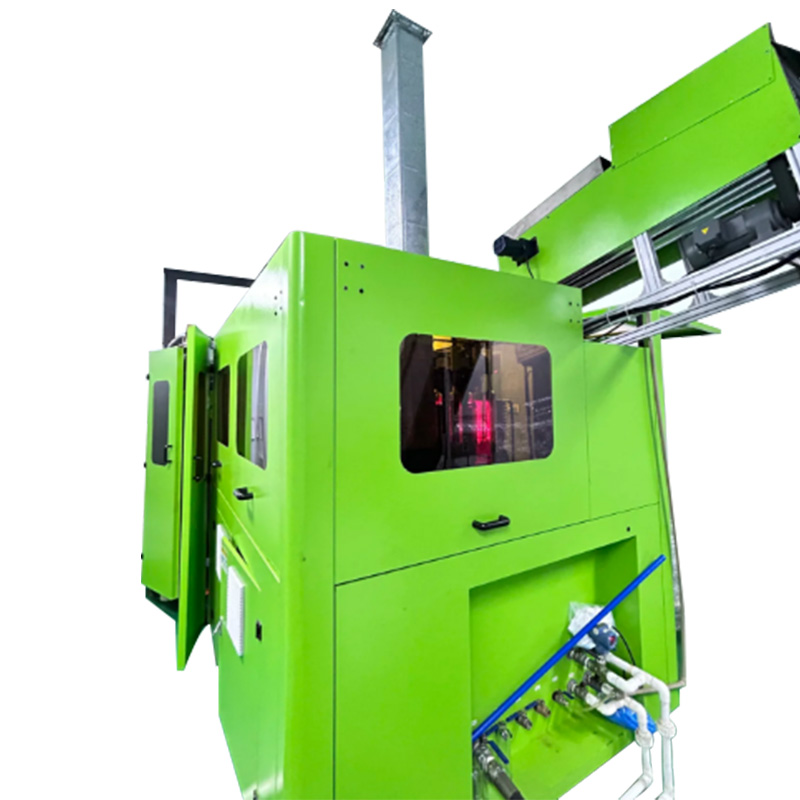
Automatic blowing machines are essential equipment in modern bottle manufacturin...
See Details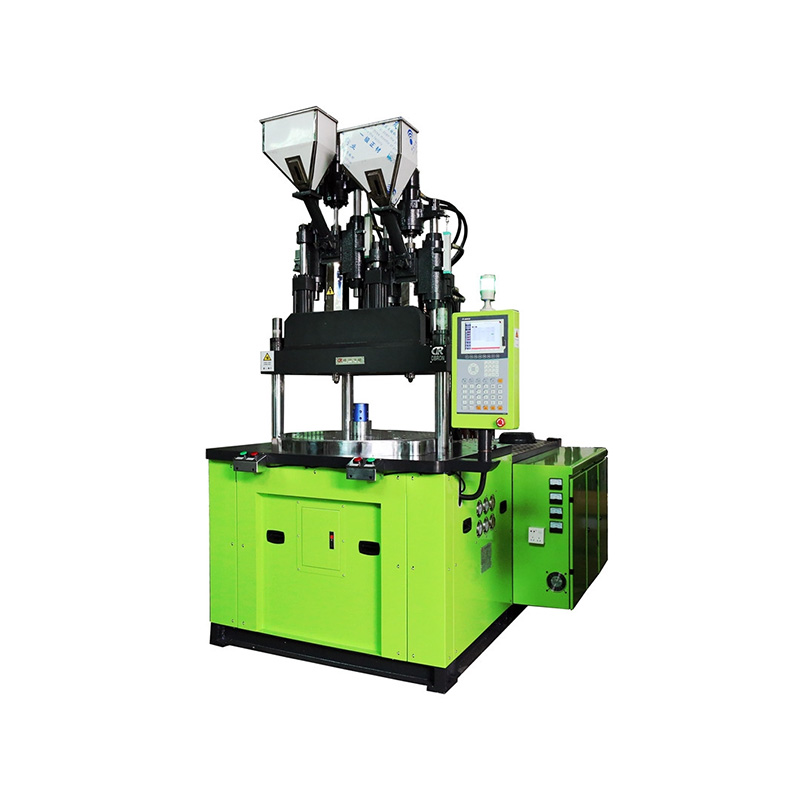
An Injection Molding Machine is an essential industrial tool used for producing ...
See Details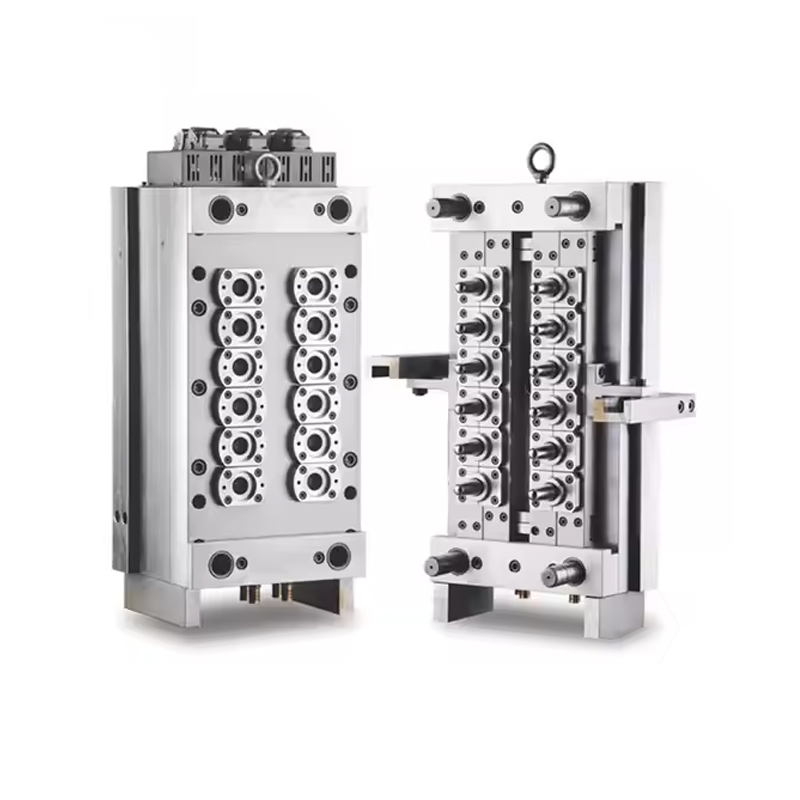
The 12-Cavity PET Preform Mold is a high-quality, durable solution designed to m...
See Details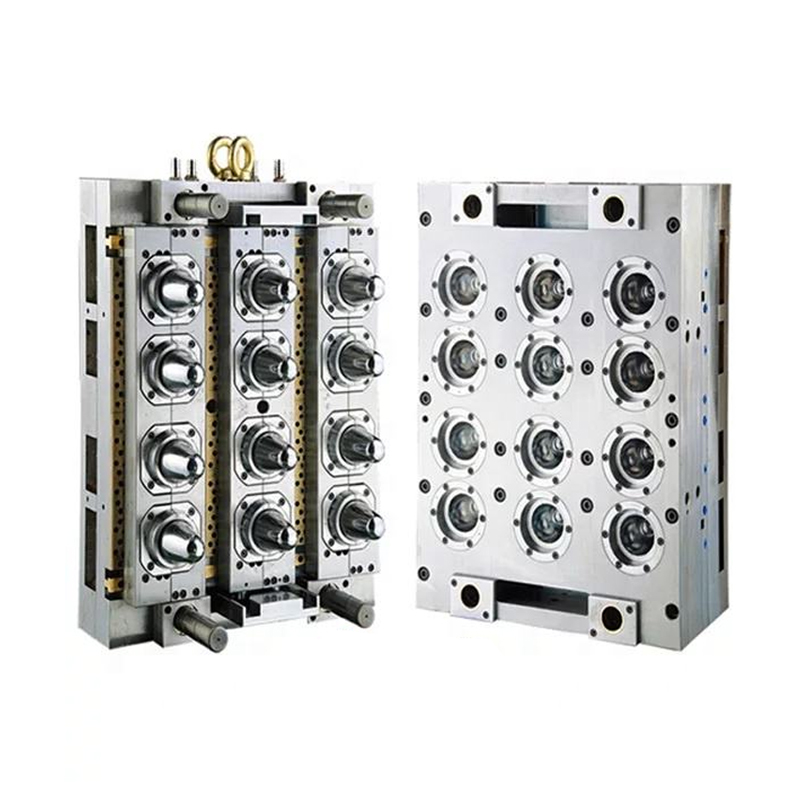
The 12-Cavity Wide-Mouth Mold(Mould) is made for manufacturers running wide-mout...
See Details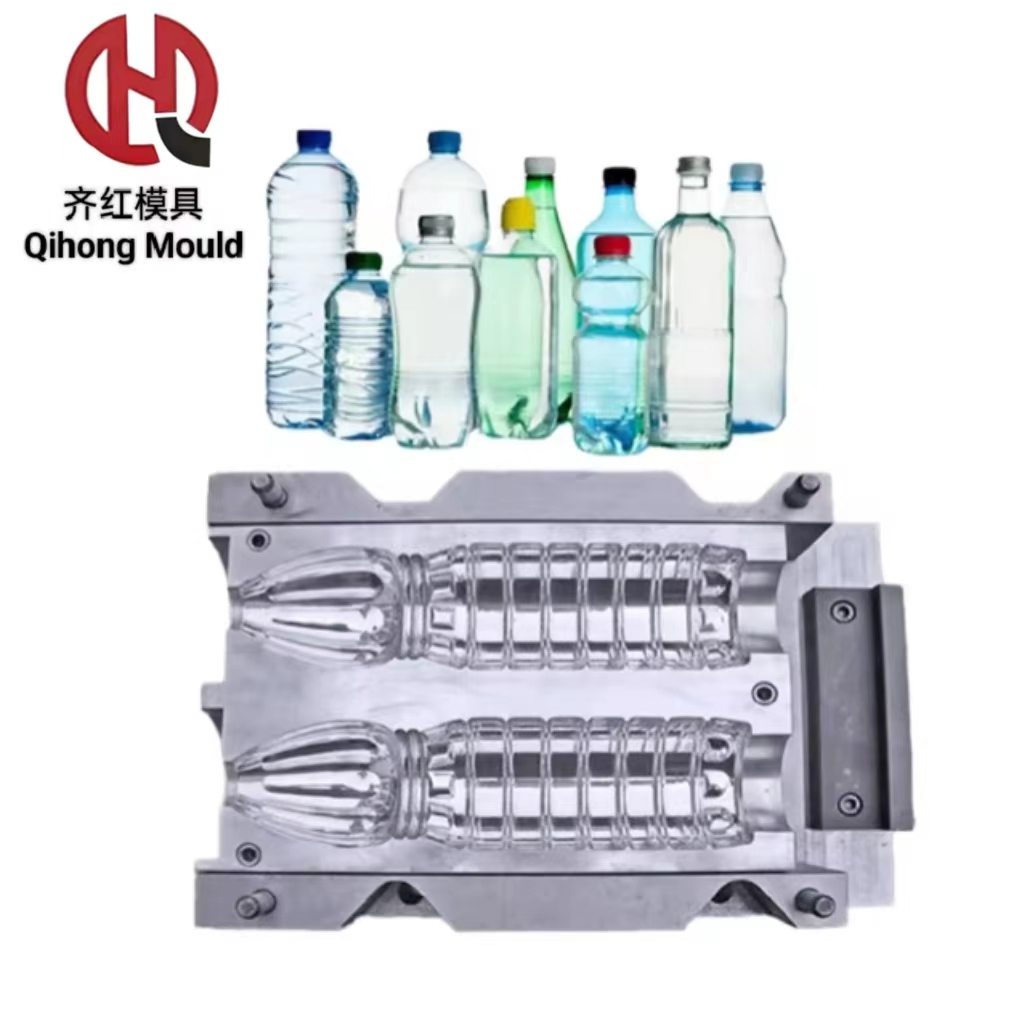
Mould Specifications Product : Blowing Mould Brand : Taizhou QihongMould C...
See Details
Plastic Cap Mould is designed for high precision plastic cap production. The Chi...
See Details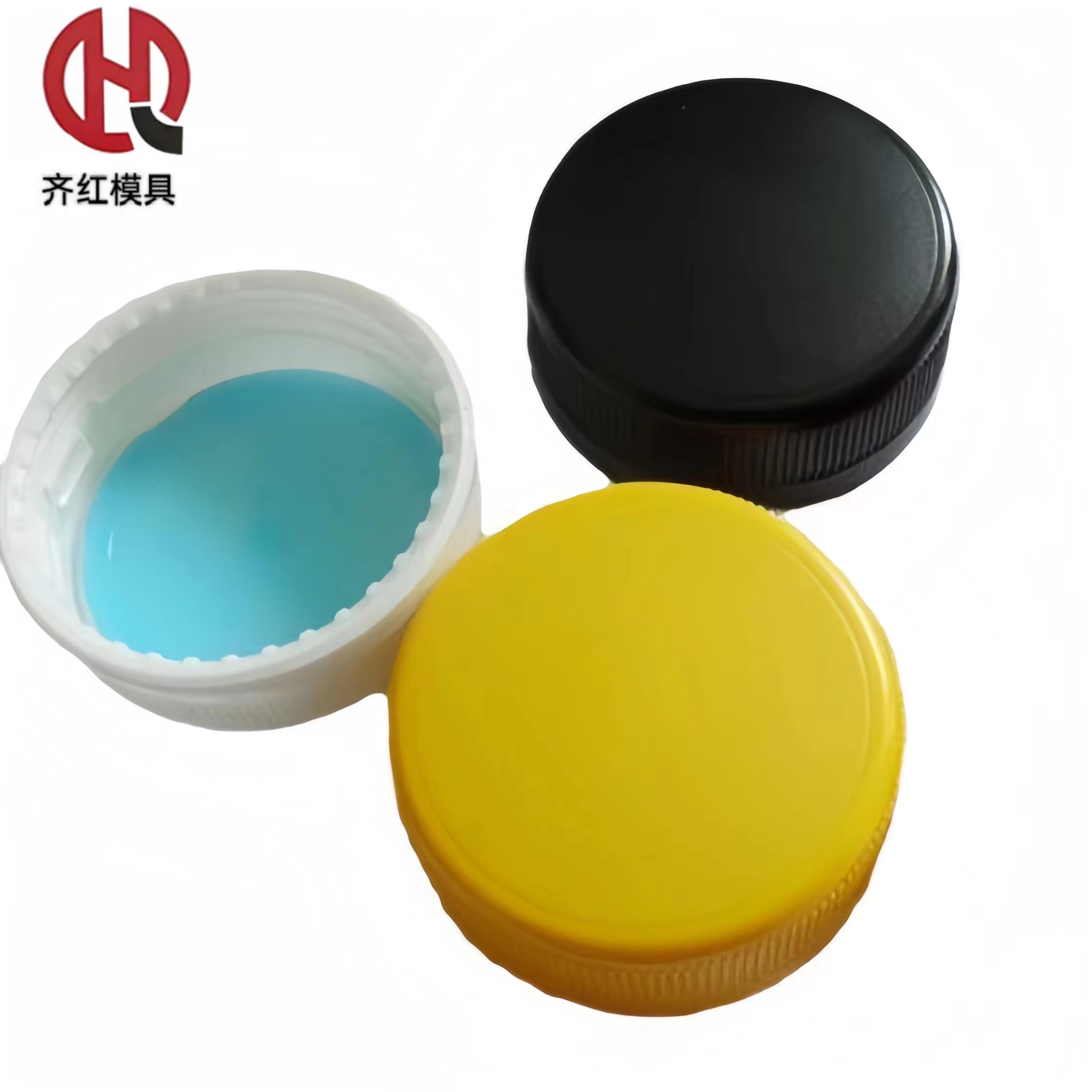
Mould Specifications Product : Cap Mould Brand : Taizhou QihongMould Co.,L...
See Details
WhatsApp:+(86) 13957659071 / +(86) 18158637057 / +(86) 15395760157


ADD:Baige Science and Technology Park, Huangyan District, Taizhou City, Zhejiang Province, China.