English
 русский
 عربى
عربى


Bottle Cap Mold(Mould)
A Bottle Cap Mold is a precision tool used in the manufacturing of bottle caps. ...
See Details


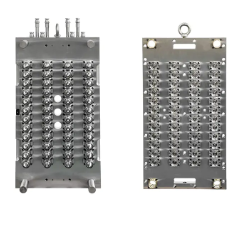
The steady performance of a Preform Mould is shaped by a number of interconnected factors that influence how smoothly a production line operates. As manufacturers across packaging and container-forming sectors look for higher consistency, mould stability becomes a key topic. Companies such as Taizhou Qihong Mold Co., Ltd. illustrate the type of engineering effort required to maintain long-lasting reliability in mould structures used for forming preforms.
A Preform Mould plays a central role in shaping the early form of many container products. Its reliability influences how evenly the material stretches, how the final shape develops, and how smooth the entire production cycle remains. When evaluating stability, producers often focus not only on the mould itself but also on the working conditions around it.
A Preform Mould Supplier contributes by providing materials, engineering guidance, cavity design support, and options for long-term maintenance. Before settling on a mould for long-term use, it is useful to look at the structural, thermal, mechanical, and operational points that determine steady functioning.
The structure of a Preform Mould lays the foundation for how well it performs. Several factors shape this base:
A mould with well-balanced cavities helps ensure that each preform develops similarly. When the layout is not balanced, small differences can show up during forming, affecting clarity, weight, or shape consistency.
A strong mould base helps prevent small shifts that may occur under long periods of repeated opening and closing. The more stable the base, the more repeatable the production becomes.
Channels must be arranged so that temperature remains even throughout the mould. Uneven cooling often affects how the material settles and can interrupt the rhythm of continuous operation.
Proper venting helps avoid trapped air and supports smoother material flow during shaping. Stability depends on how efficiently the mould releases gas and pressure in critical areas.
A clean and uniform surface helps ensure smooth release of the preform and contributes to stable performance under prolonged operation.
Materials used in a Preform Mould strongly influence its lifespan, surface condition, and mechanical behavior during continuous cycles.
Repeated opening, closing, heating, and cooling require materials that can tolerate continuous stress without visible wear. Better resistance means more predictable performance.
Some materials hold shape better when subjected to repeated thermal movement. This supports consistent cavity dimensions and surface smoothness.
With moisture and heat constantly present, materials that resist corrosion help preserve cavity shape and surface quality.
A harder surface typically maintains clarity and smoothness for longer periods, especially in areas where material contact is frequent.
These material choices are usually guided by discussions with a Preform Mould Supplier who understands the interaction between resin behavior and mould construction.
The way a Preform Mould is machined shapes nearly every performance outcome. Even small variations can lead to differences in wall thickness, surface clarity, or final shape.
When each cavity is cut with consistent precision, the mould produces preforms with reliable repeatability.
A centre-aligned cavity helps the preform stretch evenly during later forming steps. Misalignment may produce asymmetry that affects strength or appearance.
Smooth cavity surfaces reduce friction and help with clean release. This contributes to both appearance and long-term wear resistance.
Maintaining equal tolerances across all cavities ensures that preforms from different positions remain similar.
Precision machining is one of the strongest indicators of whether a mould will perform steadily over long periods.
Temperature is one of the most influential factors in maintaining stable performance.
When all cavities cool at a similar rate, the preforms form with balanced wall thickness and shape.
Adequate channels help maintain steady temperature across cycles, preventing fluctuations that may slow production.
Different materials react differently to heat. A stable mould keeps temperature within a range that supports smooth shaping.
Below is a simple table outlining how cooling system features influence stability:
| Cooling Feature | Influence on Stability |
|---|---|
| Channel Layout | Supports balanced temperature across cavities |
| Water Flow Path | Helps keep cycle rhythm steady |
| Thermal Balance | Prevents deformation and uneven shaping |
| Material Contact Zones | Maintains consistent release and surface quality |
The stability of a Preform Mould is closely tied to how the resin behaves while filling the cavities. Each resin type has its own flow style, cooling habits, and stretching pattern. If a mould is not shaped or vented properly for a certain resin, the forming process may feel inconsistent.
Smooth and predictable flow reduces stress during filling. Any sharp turns or tight gates may cause uneven material distribution.
Gates that match the resin's flow behavior support stable shaping. Smaller or uneven gates can interrupt the movement of material inside the cavity.
When resin moves too quickly or meets rough surfaces, it may stretch unevenly. A stable mould reduces unnecessary shear points through better geometry.
Some resins respond better to slower cooling, while others require faster temperature removal. Matching mould design to these traits improves stability.
A capable Preform Mould Supplier typically provides guidance on which adjustments help a mould work more smoothly with certain materials.
The hot runner and gate system determine how material enters each cavity. Even small variations can affect the final shape of the preform.
When heat stays balanced inside the system, resin moves evenly into each cavity. Sudden changes may interrupt flow rhythm.
Gates that are identical in size and surface condition help maintain equal resin delivery. Non-uniform gates can cause some cavities to fill faster than others.
A stable hot runner distributes the resin in a predictable pattern so each cavity receives an appropriate amount.
Areas regularly exposed to heat and resin movement may gradually wear. Planning for these points helps the mould keep its performance longer.
A steady hot runner system supports consistent shaping and reduces the chances of irregularities.
Stable mould performance depends not only on design but also on how the mould is cared for during daily operation.
Looking for early signs of wear or buildup helps prevent problems before they affect production quality.
Keeping cavity surfaces clean ensures smooth release and prevents small residue marks that might affect the next cycle.
Hinges, sliders, and guiding components benefit from proper lubrication. This reduces friction and helps maintain mechanical steadiness.
Over time, certain points naturally experience more contact. Checking these areas can extend the usable life of the Preform Mould.
A Preform Mould Supplier can offer recommendations on intervals, tools, and methods to keep the mould in good working condition.
Good maintenance habits make a strong difference in how steadily a mould performs over long periods.
Even a well-made Preform Mould requires proper machine alignment to perform smoothly.
When the mould sits correctly within the machine, the closing action remains even. Misalignment may create uneven pressure across cavities.
Different moulds respond differently to machine settings. When the parameters match the mould's needs, the forming process becomes more predictable.
Preforms stretch more evenly when the machine's rhythm is steady. Sudden changes in speed or timing can interrupt stability.
If the mould is moved to a different machine, small adjustments may be needed to restore its normal performance.
Machine compatibility is an important point to discuss early with a Preform Mould Supplier to avoid later adjustments that disrupt production.
Quality checks help maintain consistency by identifying early signs of instability.
Surface clarity, uniformity, and shape give quick clues to mould performance.
Even without precise measurements, comparing samples from different cavities shows whether the mould is behaving consistently.
Observing patterns across cavities can reveal small differences that develop over time.
Keeping simple notes about changes, cleaning, or adjustments helps track mould behavior and detect trends.
Quality control supports both long-term mould health and day-to-day production reliability.
Conditions around the production area also affect mould performance.
Large temperature changes in the working environment may influence mould cooling and heating rhythms.
Resin that contains too much moisture may behave unpredictably inside the mould.
Long pauses or sudden increases in speed can change how the mould handles heat.
Clean and stable water flow helps maintain consistent cooling. Water that contains impurities may affect the mould surface over time.
Environmental factors often seem subtle but can strongly influence overall stability.
The knowledge and support of a Preform Mould Supplier play a major role in achieving long-term stability.
Early communication helps tailor the mould to the desired resin, machine, and bottle type.
During installation or later tuning, supplier advice helps reach a stable working condition faster.
Quick access to components prevents delays when wear occurs.
Suppliers familiar with a customer's production habits tend to provide more accurate suggestions.
A reliable supplier contributes not only a mould but also the knowledge needed to operate it smoothly.
People working in production, packaging development, and engineering often share similar views on where mould stability is headed:
These shared viewpoints continue to push mould builders toward better balance, stronger materials, and more predictable performance.
Stable performance in a Preform Mould depends on many connected factors—structural strength, material choices, machining quality, thermal control, resin behavior, maintenance habits, and machine compatibility. Each point contributes to how smoothly preforms take shape and how consistently a production line operates.
Producers benefit from working with a Preform Mould Supplier that provides clear technical advice, dependable mould construction, and helpful guidance throughout the mould's service life. By paying attention to the details that influence stability, manufacturers can keep their production predictable, efficient, and aligned with long-term needs.
Companies such as Taizhou Qihong Mold Co., Ltd. reflect how careful engineering and steady support contribute to mould performance that remains reliable across changing production demands.
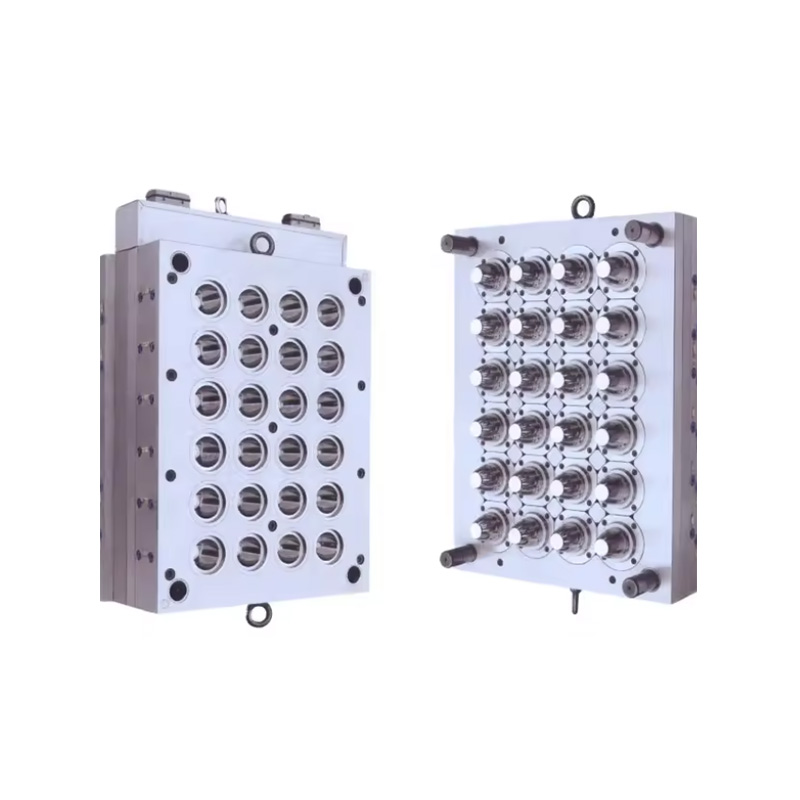
A Bottle Cap Mold is a precision tool used in the manufacturing of bottle caps. ...
See Details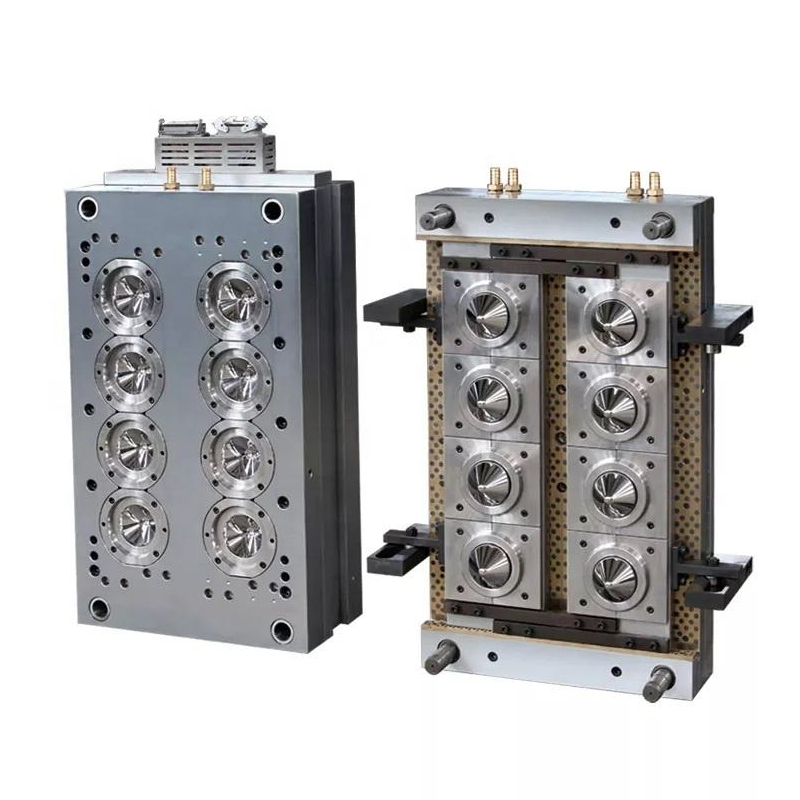
The 8-cavity wide-mouth mold is designed to produce plastic containers with larg...
See Details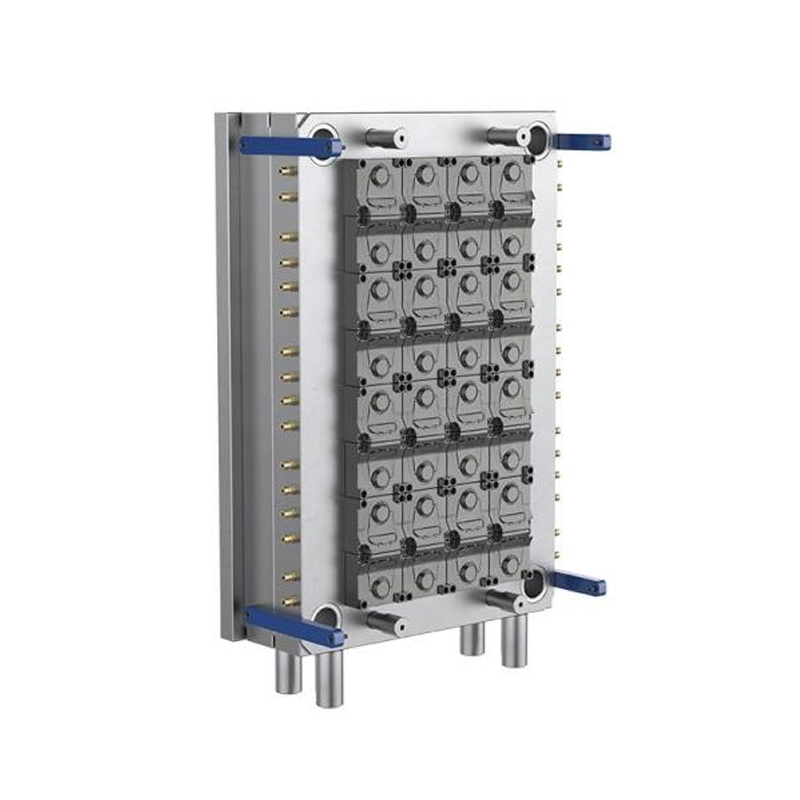
A Handle Mold is a specialized mold used in the manufacturing of plastic handles...
See Details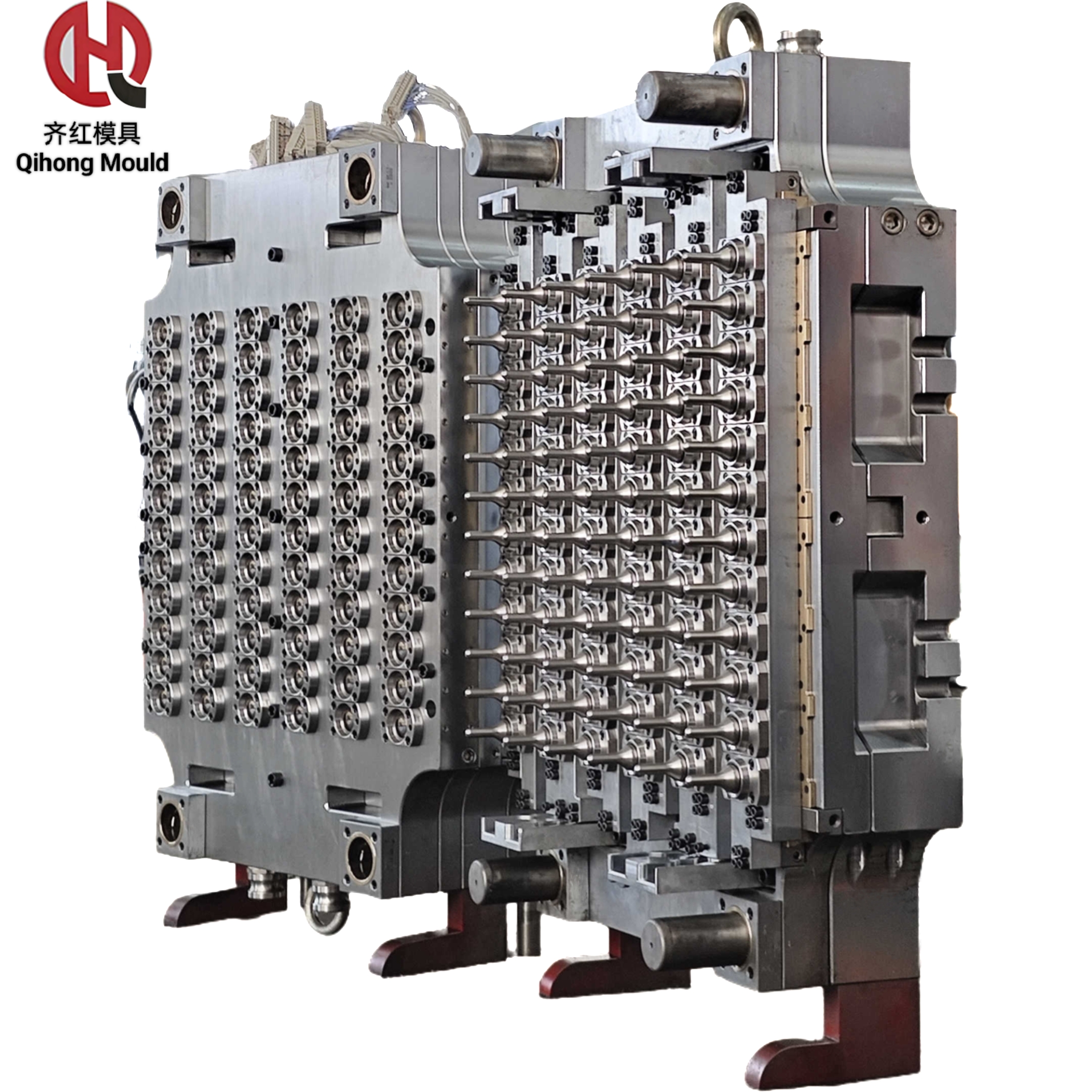
PET Preform Mold Design focuses on high precision structure and stable productio...
See Details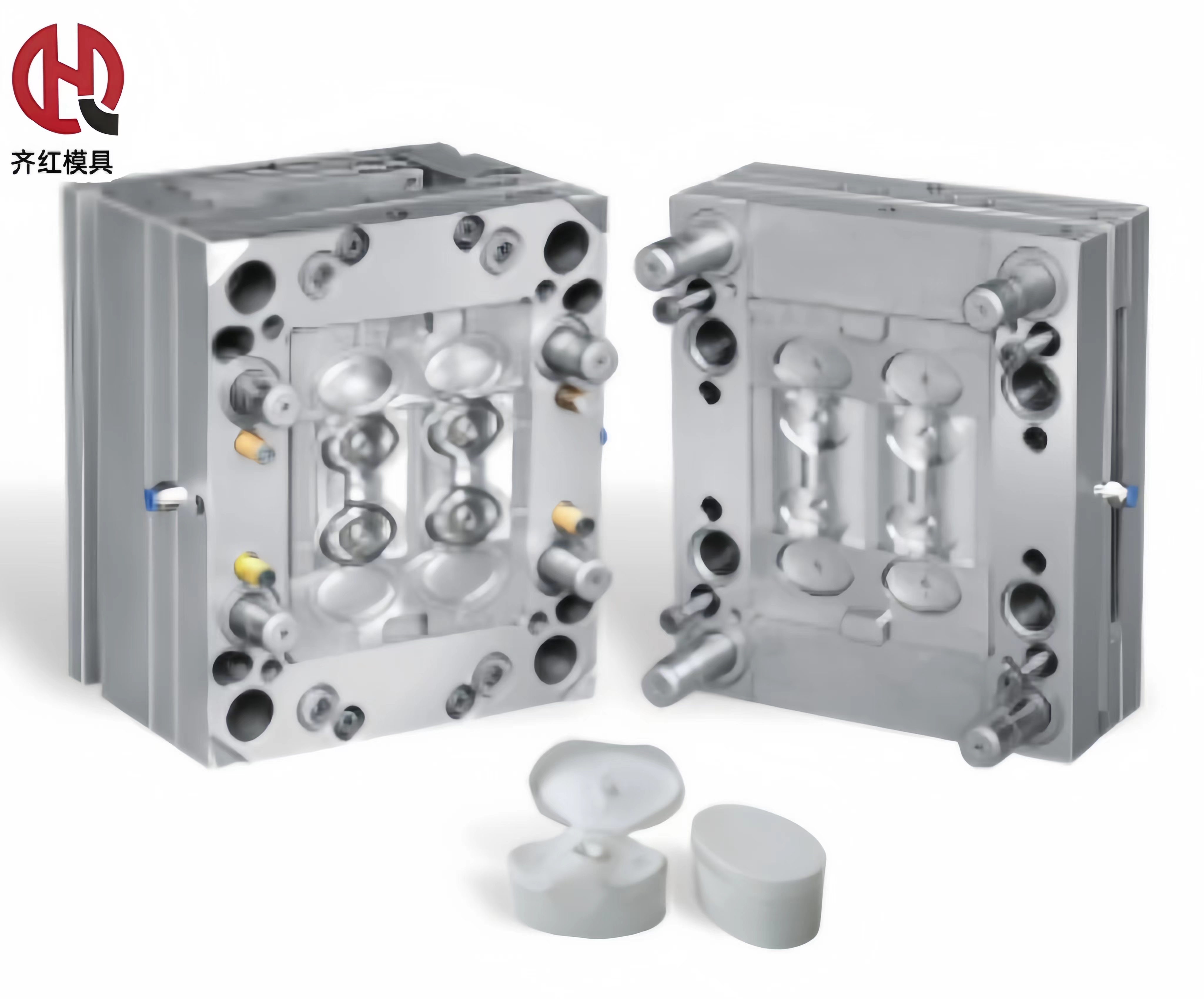
Plastic Cap Mould is designed for high precision plastic cap production. The Chi...
See Details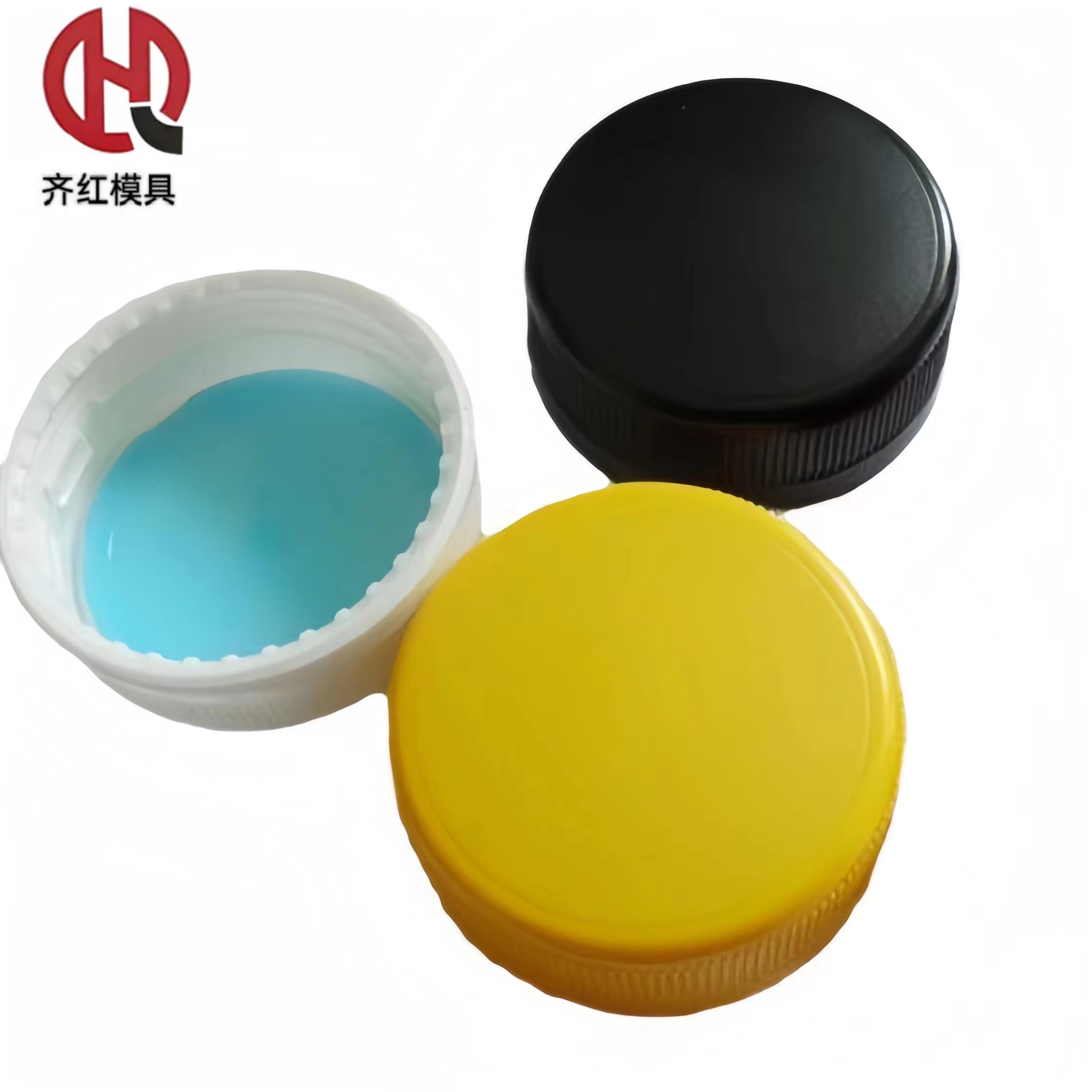
Mould Specifications Product : Cap Mould Brand : Taizhou QihongMould Co.,L...
See Details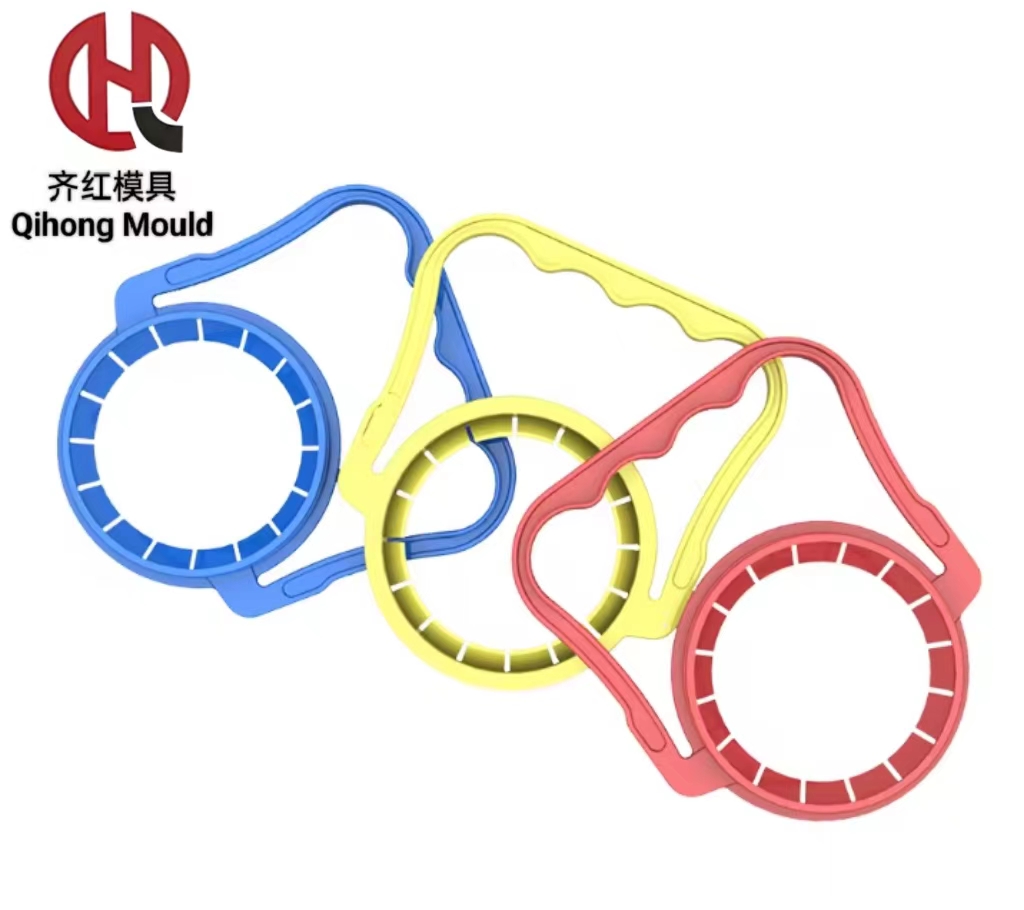
Mould Specifications Product : Plastic Handle Mould Brand : Taizhou Qihong...
See Details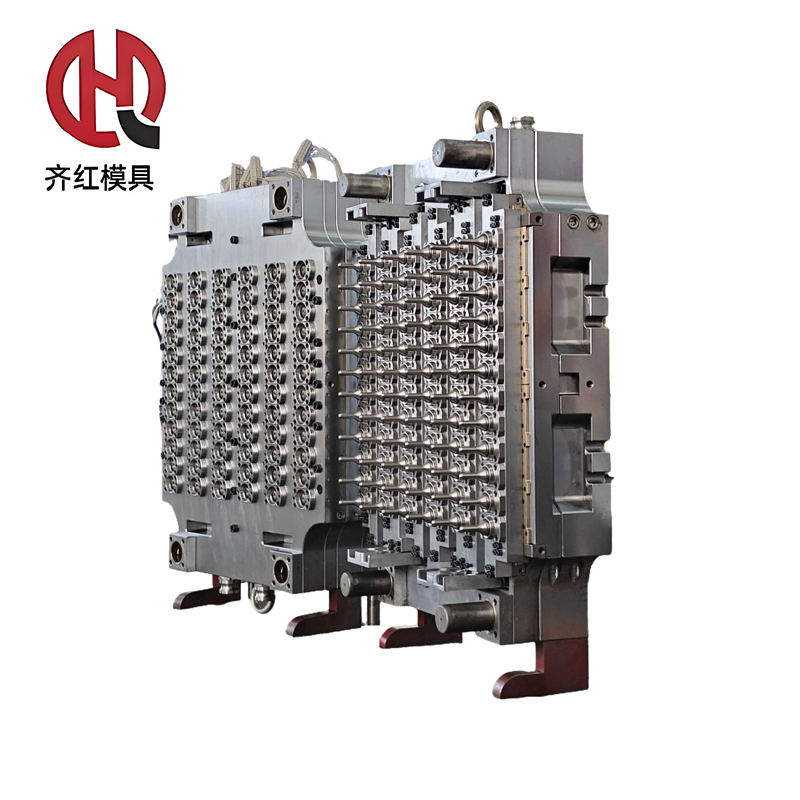
Standardization of mold partsHigh-precision processing equipment is used to ensu...
See Details
WhatsApp:+(86) 13957659071 / +(86) 18158637057 / +(86) 15395760157


ADD:Baige Science and Technology Park, Huangyan District, Taizhou City, Zhejiang Province, China.