English
 русский
 عربى
عربى


Bottle Cap Mold(Mould)
A Bottle Cap Mold is a precision tool used in the manufacturing of bottle caps. ...
See Details


In modern factories, automation is everywhere. It helps speed up production and keeps things consistent. Among many types of automated machines, the Automatic Blowing Machine has become a common tool in industries that need shaping or forming materials with air pressure. These machines cut down on manual labor while keeping work precise and reliable.
Automatic Blowing Machine are used in places where production runs continuously and people cannot be at every station. Whether it is packaging, textiles, or material shaping, these machines take care of repetitive work. They keep output steady, and quality consistent. Even when human oversight is still needed, automation ensures standards are maintained. Companies like Taizhou Qihong Mold Co., Ltd. have helped develop these machines, supporting factories that integrate them into daily production.
Because they combine mechanical engineering and automation, Automatic Blowing Machine are more than tools. They influence workflow, efficiency, and material use. How factories organize their lines often depends on these machines.
An Automatic Blowing Machine uses controlled airflow or blowing pressure to shape or process materials. Unlike manual machines, these can run continuously without someone operating them all the time. They are made of several parts that work together smoothly.
Key parts include:
These machines work with plastics, textiles, and some food materials. Semi-automatic machines may still need people to load materials or make adjustments. Fully automatic machines can keep running with very little human input. By combining multiple steps, they save labor and reduce errors, producing more uniform products.
The operation usually goes through several stages, all controlled by the system to keep things smooth and consistent.
Sensors monitor jams, pressure changes, or other issues. Actuators adjust things in real-time. Safety mechanisms protect workers from moving parts and high-pressure areas.
| Component | Function | Notes |
|---|---|---|
| Blower Unit | Creates air pressure | Adjustable for different materials |
| Material Feeder | Supplies raw material | Can be batch or continuous |
| Control System | Coordinates operations | Often programmable |
| Output Section | Collects products | May include trimming tools |
Automatic Blowing Machine are used in many industries. They are especially useful when uniformity and speed are needed.
These machines reduce manual labor and allow higher output without more staff. Factories can handle larger volumes while keeping quality steady.
Recent improvements make these machines more flexible and efficient. Digital monitoring allows operators to see production in real-time and catch issues early.
Energy efficiency is better too. Machines can adjust air pressure and feed rate automatically, avoiding wasted power. Precision has improved. Now machines can handle delicate materials or complex shapes without damage.
Modular designs are more common. Parts can be replaced or upgraded without buying a new machine. This gives factories flexibility to adapt as production needs change.
Factories that produce Automatic Blowing Machine are basically where the whole technology comes to life. Design, part manufacturing, assembly, testing — it all happens right there. These places aren't just putting machines together; they're making sure the equipment can handle real factory conditions day in and day out without constant issues.
The process in most factories follows a pretty standard flow. It starts with the design team working on drawings and exact specs. Engineers then make the individual components. Next comes putting everything together into a complete machine. After that, every unit gets tested thoroughly — the blowing system, controls, feeding mechanism, discharge section — all of it has to run right. Quality checks take place at nearly every stage. Catching small problems early saves a lot of headaches later.
These factories also have to adapt to what customers need. When a new bottle style gets popular or someone wants to switch materials, the machines often need adjustments. A lot of the flexibility you see in the finished product comes from the extra thought put into the design and build from the start.
When the designers, engineers, and assembly team work well together, the machines fit smoothly into production lines without surprises.
Even though they're called automatic, you still need to take care of them if you want them to last. Regular attention keeps small issues from turning into long downtimes.
Some routine things operators usually do:
The people running the machines should have some basic training. Being able to quickly fix common little problems — like a brief material jam or slight pressure drop — means the line keeps moving without waiting for a technician. Pay attention to these details, and the machine lasts longer while keeping bottle quality steady.
Modern Automatic Blowing Machine are built to use less energy than older ones. They adjust air pressure based on the material, so you're not wasting power. The feeding system is more precise too, which means less raw material gets wasted.
On the environmental side, things are improving. Better air control reduces dust in the workshop and cuts unnecessary emissions. The factories building these machines also try to be careful with materials, electricity, and water during production and testing. Good design plus thoughtful operation can make the whole process a bit lighter on the environment.
More and more places around the world are adding Automatic Blowing Machine to their lines. The speed varies by industry and region, but in packaging — especially for water bottles, beverage containers, and similar products — it's become pretty much standard because steady output and consistent quality matter so much.
One clear change in recent years is connecting machines to factory networks. Plants can monitor several units remotely, see performance data in real time, and sometimes even predict maintenance needs before something fails. That setup reduces unexpected stops quite a bit.
Newer machines are leaning toward better energy efficiency, easier upgrades, and smoother integration with other automated equipment. That helps them stay useful as production needs change.
In the coming years, Automatic Blowing Machine will likely get more closely linked to smart systems. More sensitive sensors, smarter software, and perhaps some robotics could let the machines make small adjustments on their own when materials or speeds change.
Factory layouts may become more modular too, so you can swap or upgrade parts without shutting down the whole line. Environmental concerns will keep pushing design and usage toward greener directions. At the same time, skilled operators and maintenance people will still be important — the best results come from people and machines working together.
Automatic Blowing Machine have made bottle production much simpler for a lot of factories. With automatic feeding, precise air control, and stable forming, they deliver reliable results with less manual work.
The factories making these machines put real effort into durability, flexibility, and consistent performance so the equipment can be depended on in actual production. With regular maintenance, careful daily operation, and some environmental awareness, companies can count on steady, good-quality output over time.
Around the world, the trend is toward smarter, more connected, and more efficient machines. This technology is really just automation finding its way deeper into manufacturing — practical, dependable, and balancing efficiency with responsibility. In the end, it helps factories get the job done a little better every day.
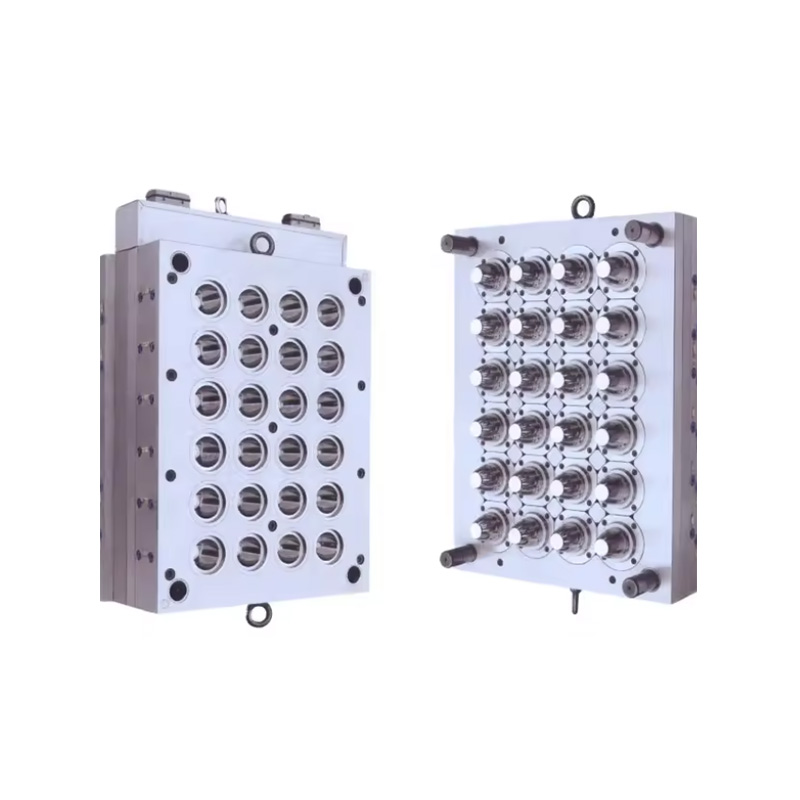
A Bottle Cap Mold is a precision tool used in the manufacturing of bottle caps. ...
See Details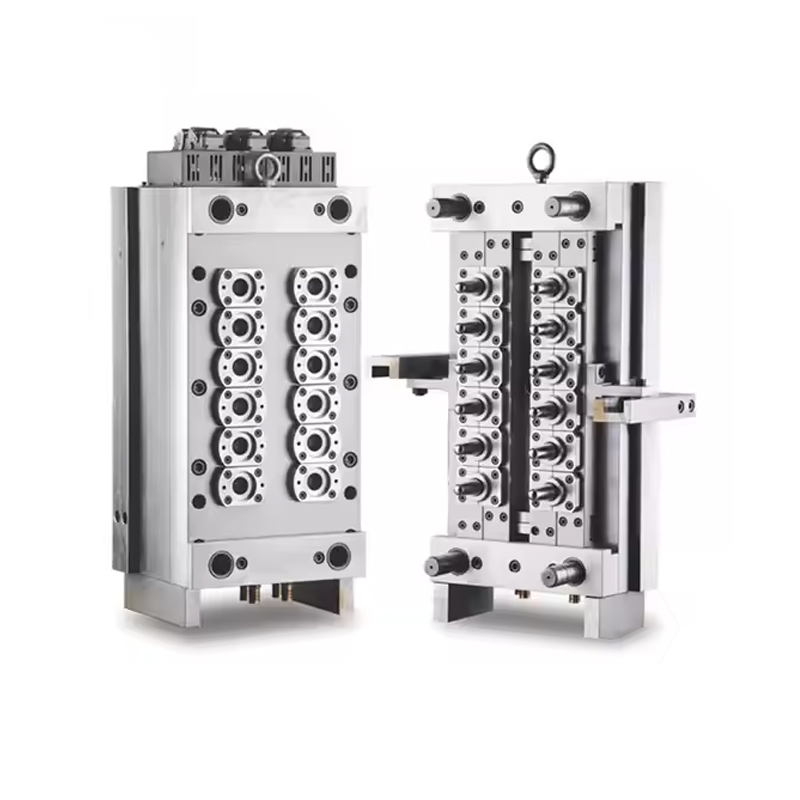
The 12-Cavity PET Preform Mold is a high-quality, durable solution designed to m...
See Details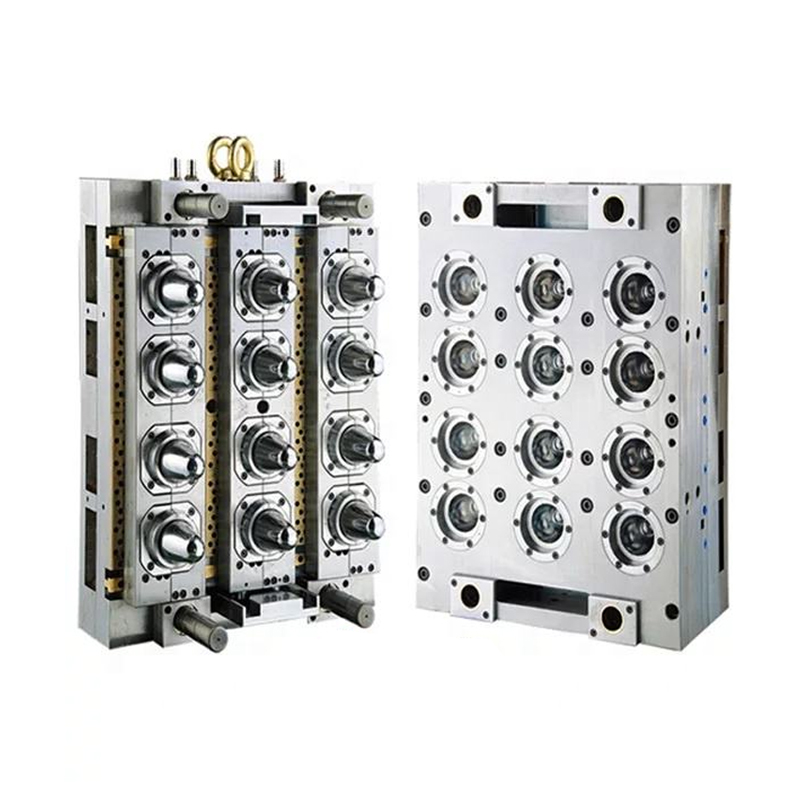
The 12-Cavity Wide-Mouth Mold(Mould) is made for manufacturers running wide-mout...
See Details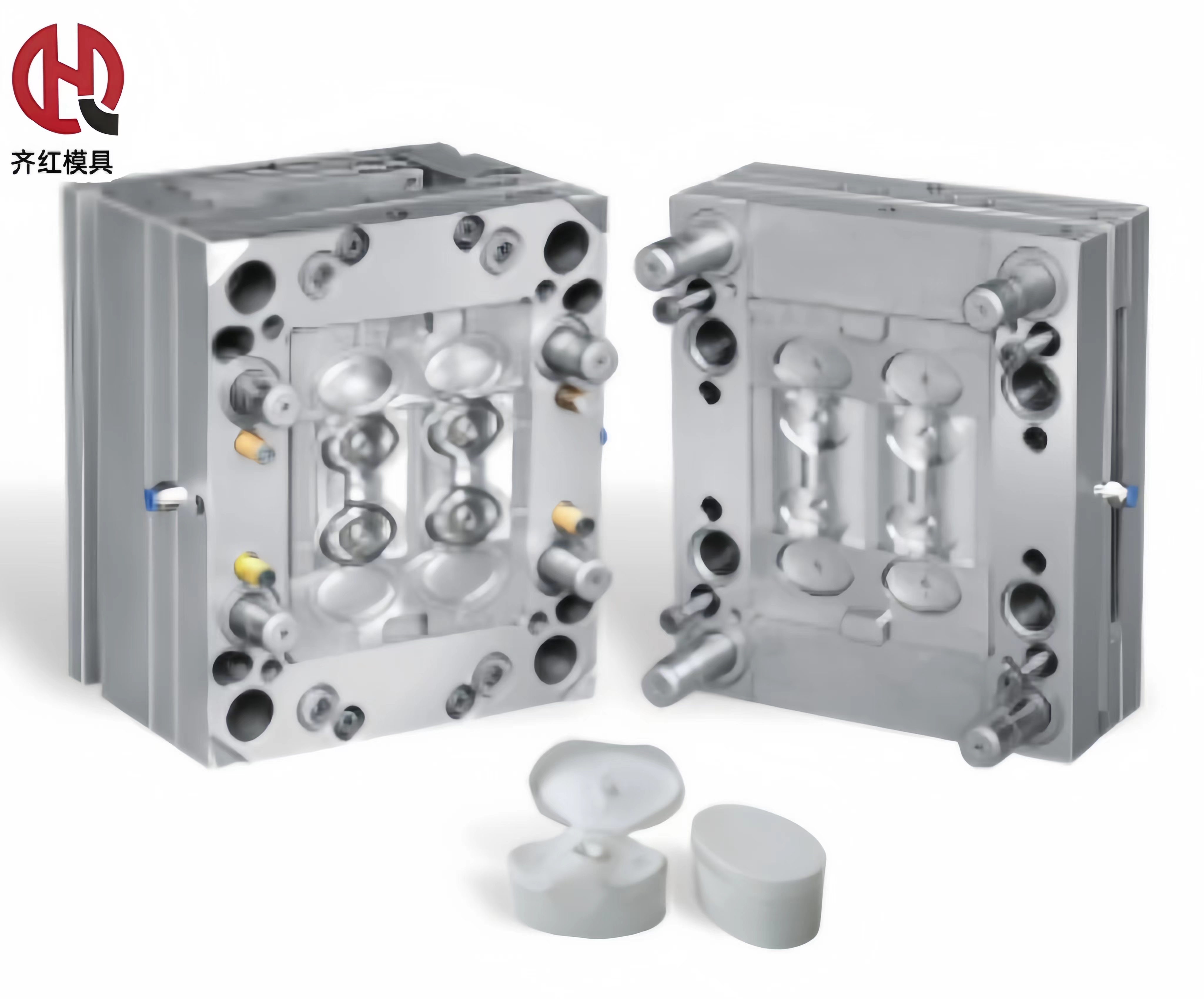
Plastic Cap Mould is designed for high precision plastic cap production. The Chi...
See Details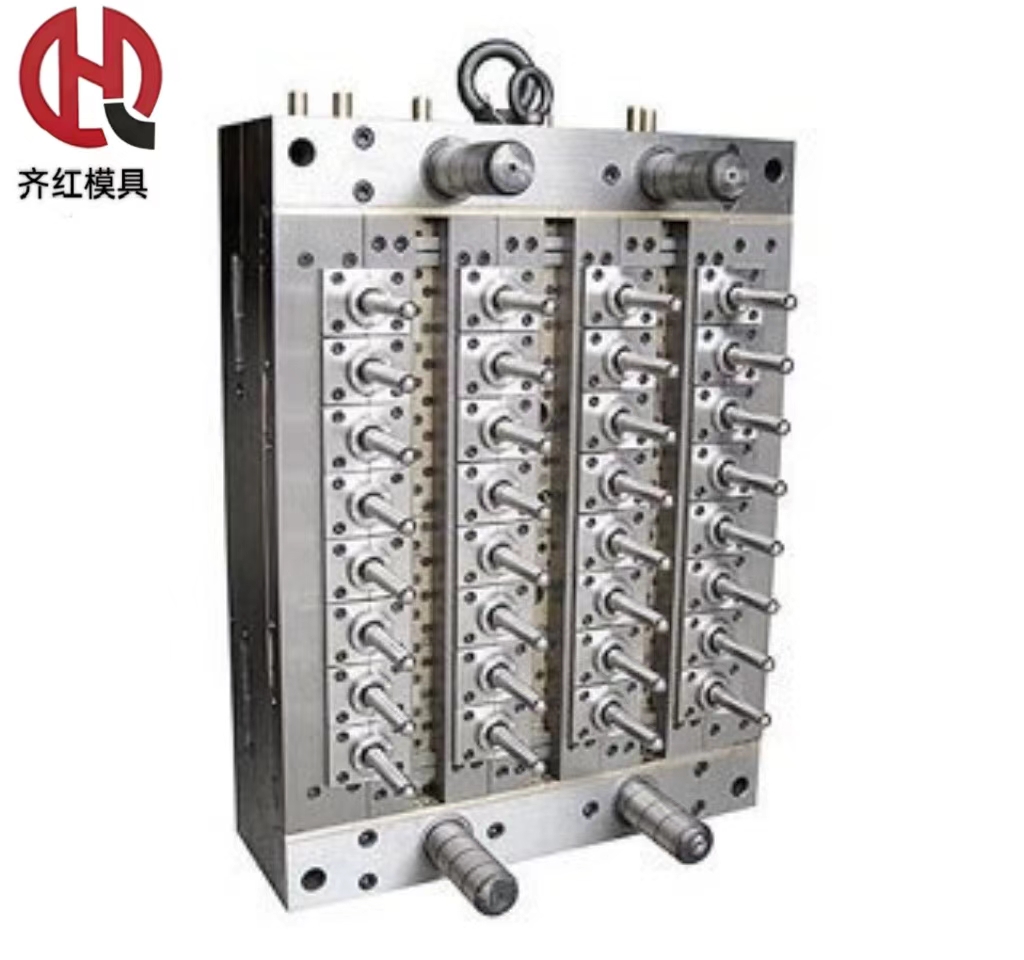
Custom Made Plastic Molds are designed for high precision and flexible plastic p...
See Details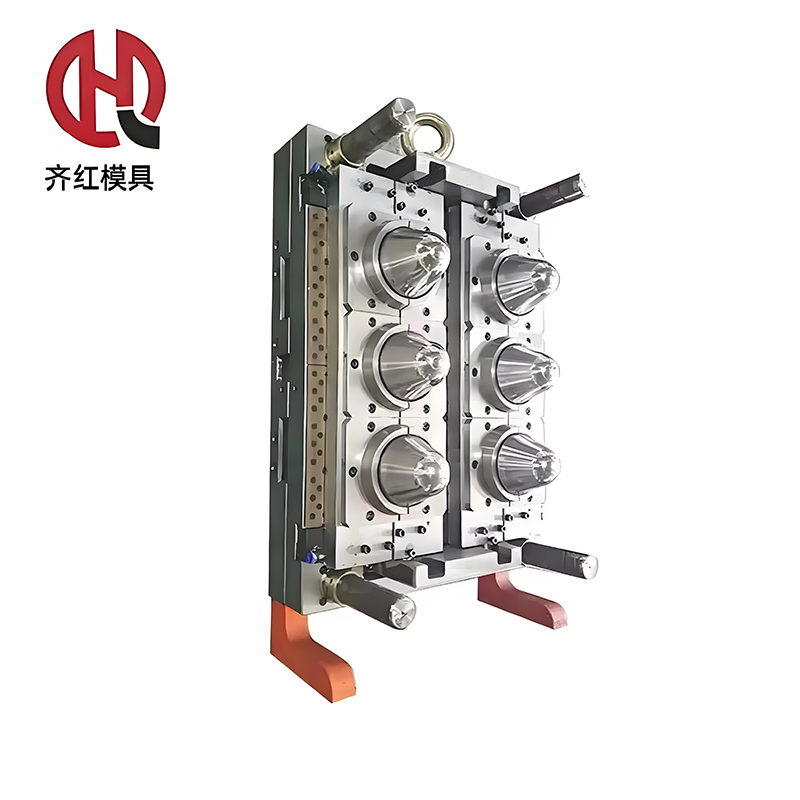
Water and beverage preform mold, Edible oil preform mold, Preform Mold for cosme...
See Details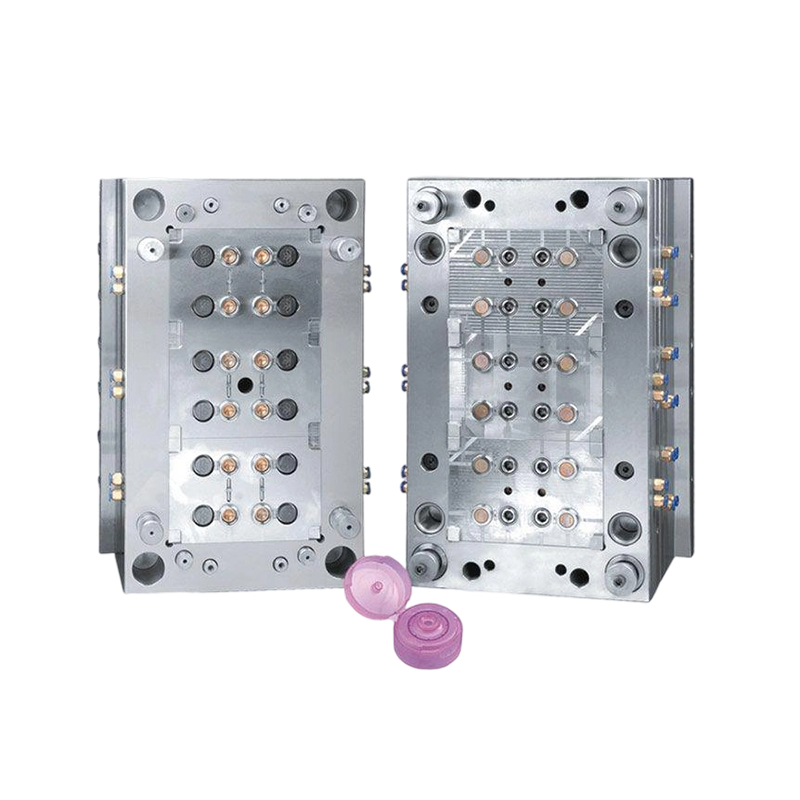
Flip Top Cap also know as Flip Top Caps & Cap mould Stopper Cap is one of ty...
See Details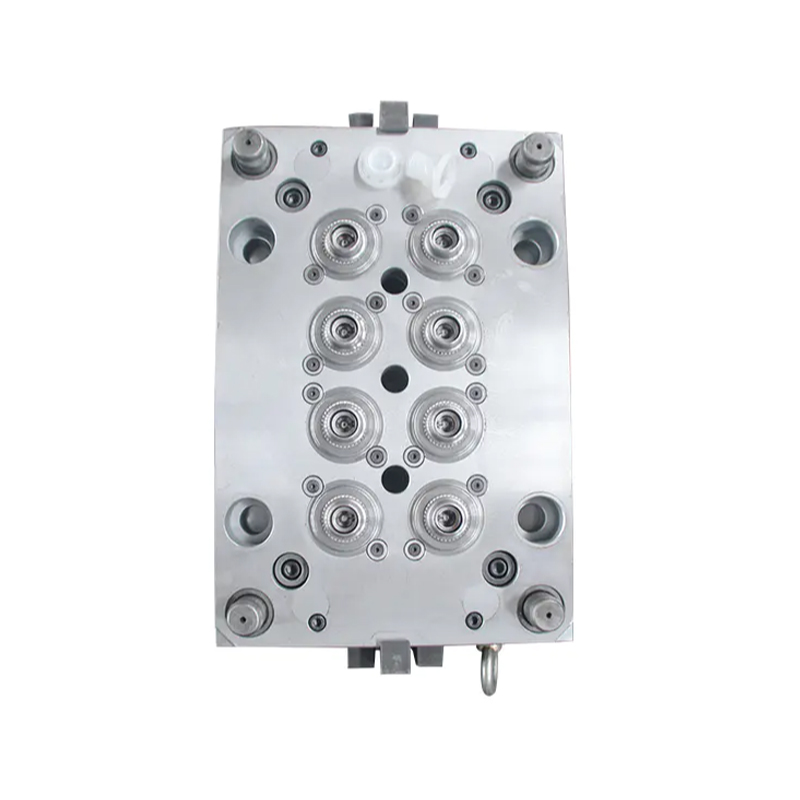
Spout Cap Mould is a EVA inner part of oil cap, match for 42mm pull out closure....
See Details
WhatsApp:+(86) 13957659071 / +(86) 18158637057 / +(86) 15395760157


ADD:Baige Science and Technology Park, Huangyan District, Taizhou City, Zhejiang Province, China.