English
 русский
 عربى
عربى


24-Cavity Preform Mold(Mould)
The 24-cavity preform mold is a handy tool for turning out PET bottle preforms. ...
See Details


 Material selection sits at the heart of how well a plastics mould performs over its working life. It influences everything from how the tool withstands repeated injection cycles to how efficiently heat moves through the system and how consistently parts come out dimensionally accurate. Different materials bring their own mix of hardness, thermal behavior, ease of shaping, and resistance to everyday wear. Picking the right one helps cut down on unexpected downtime and keeps part quality steady from the first shot to the last.
In a factory setting, the available equipment, typical production volumes, and the kinds of resins being run also guide what materials make practical sense. Partnering with a capable Plastics Mould Factory means the chosen material fits smoothly with the machining methods, heat-treatment steps, and intended run length. Even modest shifts in material can change how long the mould lasts and how smoothly the production floor operates.
Taizhou Qihong Mold Co., Ltd. has observed through years of building moulds that aligning the material closely with both the part design and the expected production method is one of the biggest drivers of reliable, repeatable results—whether the job calls for a straightforward single-cavity tool or a more intricate multi-cavity setup with tight tolerances.
A handful of materials see regular use in plastics mould construction, each suited to particular demands:
The final choice usually comes down to three main factors: how many parts need to be made, how complicated the geometry is, and what kind of machining and finishing resources the factory has on hand.
| Material Type | Key Characteristics | Typical Use Case | Main Practical Benefit |
|---|---|---|---|
| Tool Steel | High hardness, strong wear resistance | Long-run, high-volume production | Maintains accuracy over many cycles |
| Aluminum Alloy | Lightweight, fast machining | Prototypes, medium runs | Quicker cycles, easier adjustments |
| Copper Alloy | Excellent thermal conductivity | Areas needing fast heat removal | More uniform cooling, fewer defects |
| Coated/Composite | Extra surface protection | High-wear zones or sticky resins | Less frequent resurfacing |
The inherent traits of the chosen material show up clearly once the mould goes into production.
High-output jobs often lean toward materials that prioritize endurance, while quick-turn or test runs tend to favor ones that machine fast and cool efficiently. The right balance depends on what the production floor is trying to achieve day to day.
Mould design has to work hand-in-hand with the material's behavior.
Designers need to think about how temperature swings, injection pressure, and mechanical stress will interact with the chosen material so the mould stays reliable shot after shot.
Material choice ripples through every stage of mould building in a Plastics Mould Factory.
Experienced factories can recommend the best sequence of operations for a given material, making sure precision, speed, and final durability line up with the project goals.
How long a mould stays in service depends heavily on both the material and how well it is looked after.
A capable Plastics Mould Factory typically shares tailored maintenance guidelines based on the material, expected cycle count, and resin type, helping keep the tool productive for as long as possible.
In practice, material choice is never made in isolation. It connects directly to part design, resin behavior, factory capabilities, and production targets. When everything aligns, the mould delivers consistent parts with minimal interruptions, whether running a few hundred prototypes or hundreds of thousands of finished components. Factories that handle a range of materials gain a clearer view of these trade-offs and can guide decisions that fit real-world needs.
The material picked for a plastics mould plays a major role in both the starting price of the tool and the overall financial picture during its working life. Factories commonly look at the raw cost of the material side by side with how many cycles the mould can realistically handle and how well it keeps production moving without frequent interruptions.
| Material Type | Starting Cost Range | Influence on Service Life | Machining Speed & Ease | Common Economic Outcome |
|---|---|---|---|---|
| Tool Steel | Higher | Very good for long runs | Moderate | Lower per-part cost in high-volume work |
| Aluminum Alloy | Lower | Adequate for shorter/medium | High | Quicker cycles, smaller initial outlay |
| Copper Alloy | Medium | Solid in focused areas | Moderate | Reduces cooling-related defects |
| Coated/Composite | Medium to Higher | Improved in tough zones | Moderate | Extends life where wear is concentrated |
Material choices also tie into environmental impact and day-to-day safety on the shop floor.
Thinking through these points during the planning phase lets factories lower resource consumption and keep the working environment safer without cutting corners on the mould's performance.
Material options in the mould world keep moving forward, bringing new ways to handle age-old trade-offs between strength, weight, and cost.
Factories that keep track of these shifts can deliver moulds that adapt to a wider variety of jobs, improving overall efficiency and responding to growing interest in more resource-conscious production.
Picking the right material for a plastics mould comes down to fitting it closely to the actual job and part requirements.
Material choice stands out as one of the biggest factors in how well a plastics mould holds up and performs over time. Getting the right combination of hardness, thermal behavior, machinability, and wear resistance helps production run smoothly, reduces the need for frequent service, and extends the tool's useful life. When the material lines up well with the part design, the resin type, the expected run size, and the factory's practical strengths, the mould delivers more predictable and cost-effective results.
Working with a dependable Plastics Mould Factory gives access to real-world insight on these balances, guiding decisions that serve both short-term project needs and longer-term production goals. Weighing cost realities, safety concerns, environmental considerations, and factory capabilities together results in moulds that produce consistent, high-quality parts while supporting efficient and responsible manufacturing day after day. A solid understanding of these material dynamics equips designers, buyers, and production teams to achieve reliable outcomes in plastics moulding work.
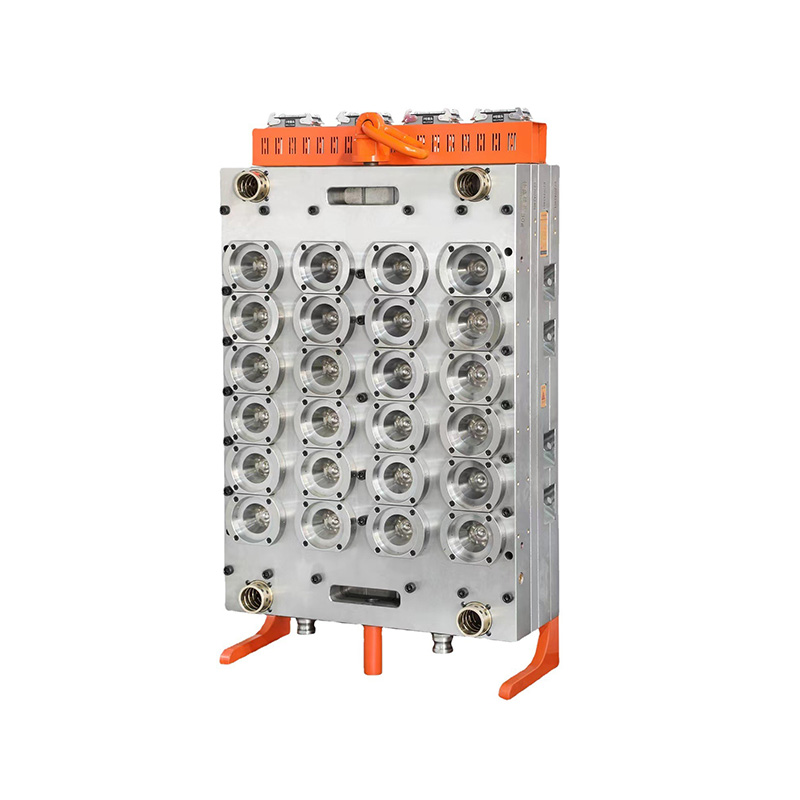
The 24-cavity preform mold is a handy tool for turning out PET bottle preforms. ...
See Details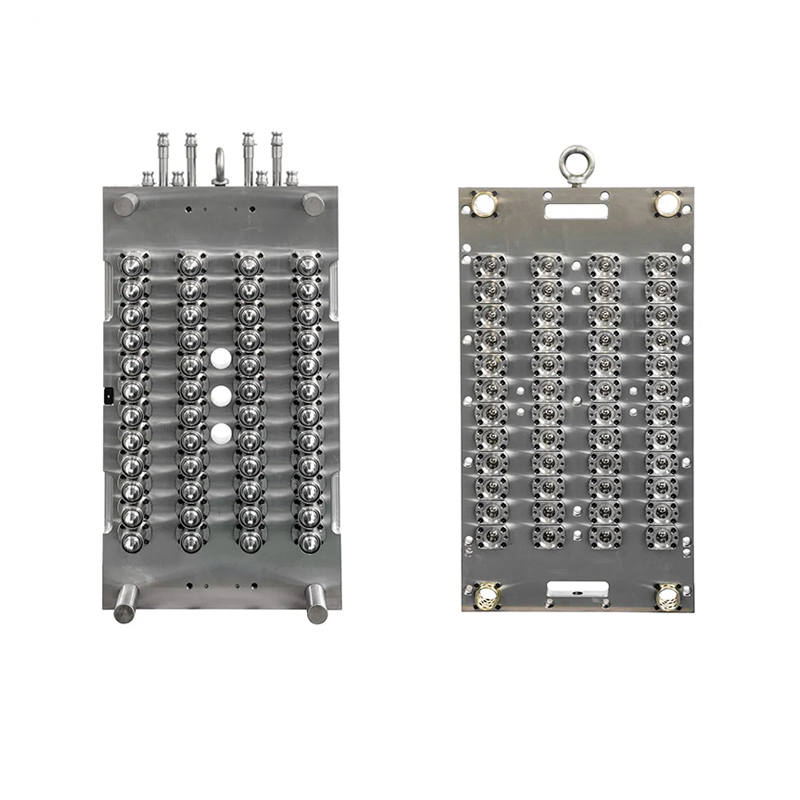
The Qihong 48-Cavity Preform Mold(Mould) is the ideal choice for high-volume PET...
See Details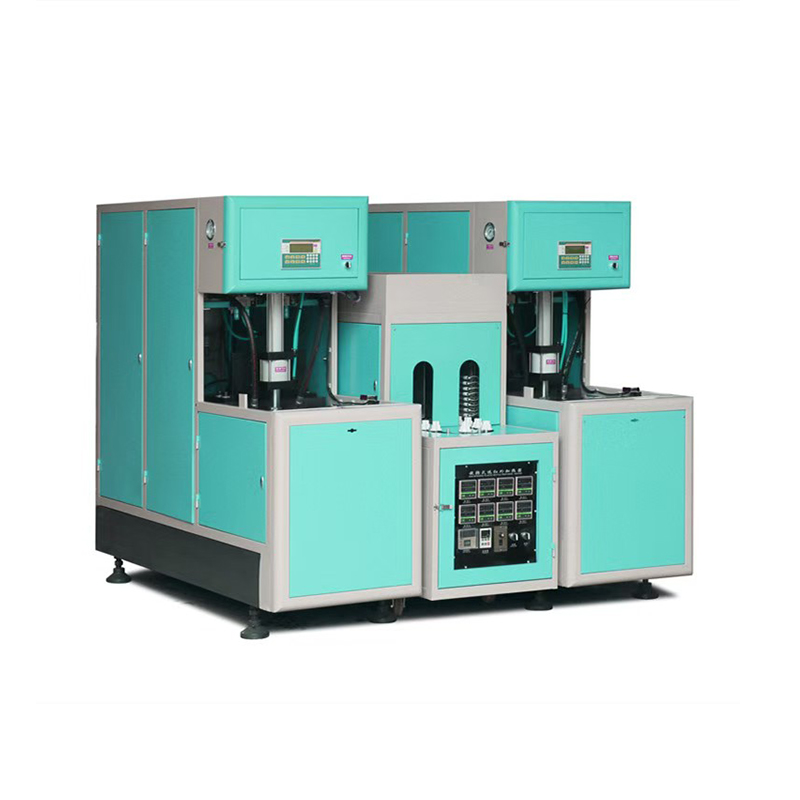
Semi-Automatic Blowing Machines are specialized machines used in the production ...
See Details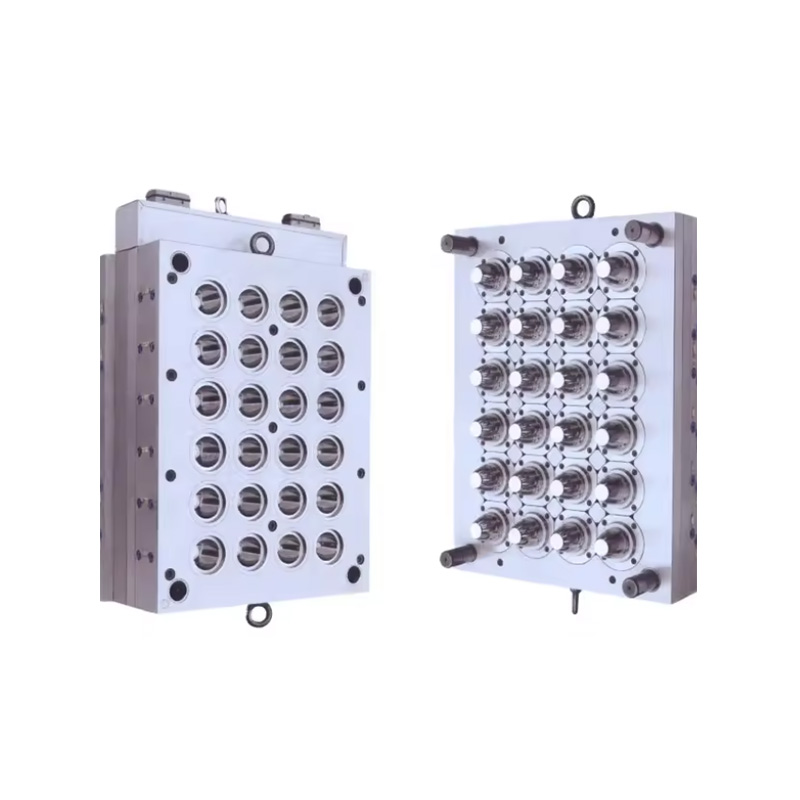
A Bottle Cap Mold is a precision tool used in the manufacturing of bottle caps. ...
See Details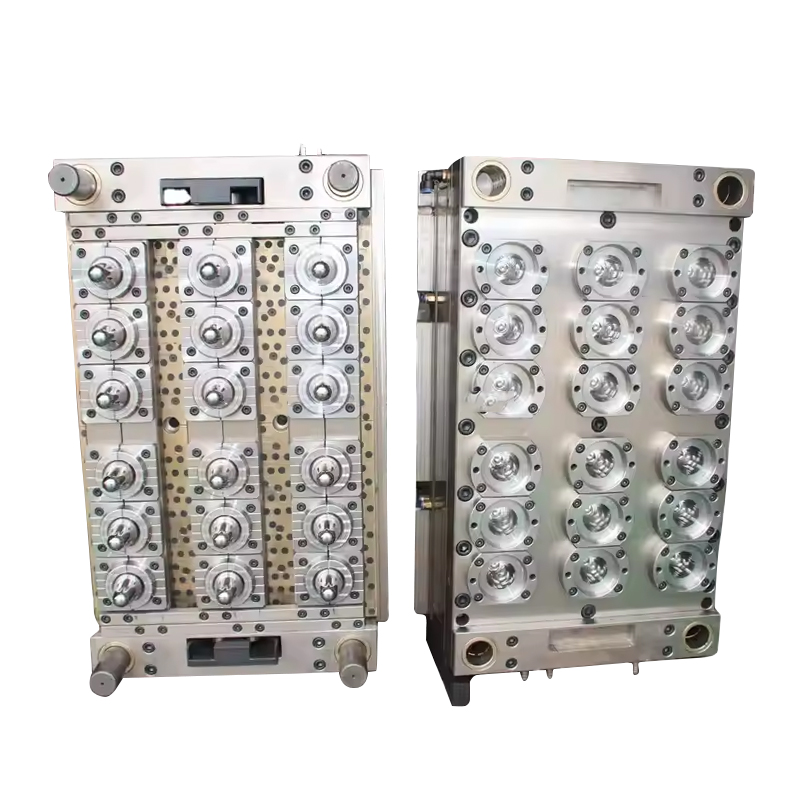
The 18-cavity wide-mouth mold is a high-efficiency tool specifically designed fo...
See Details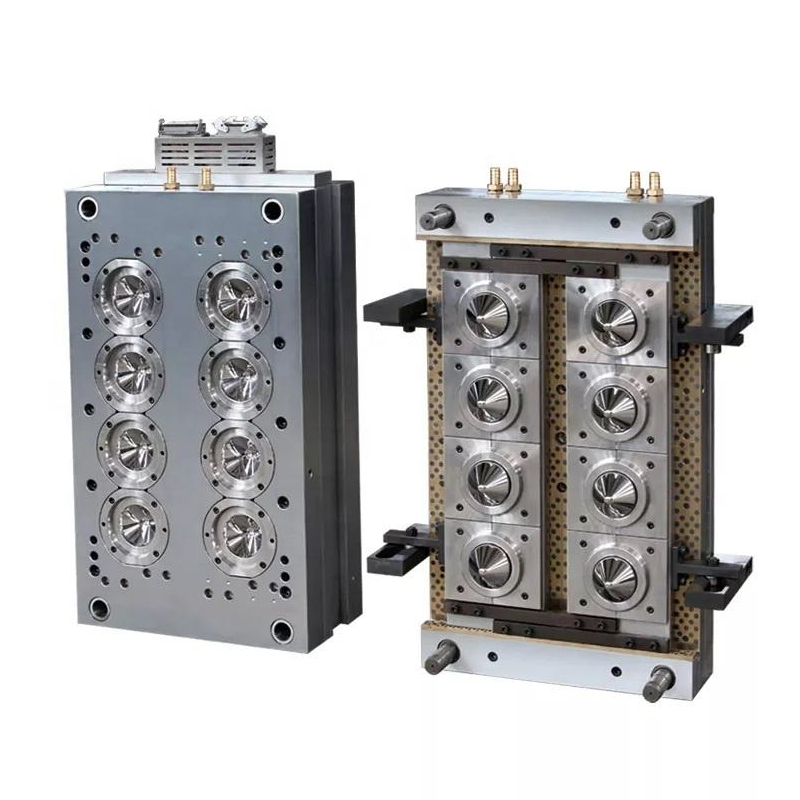
The 8-cavity wide-mouth mold is designed to produce plastic containers with larg...
See Details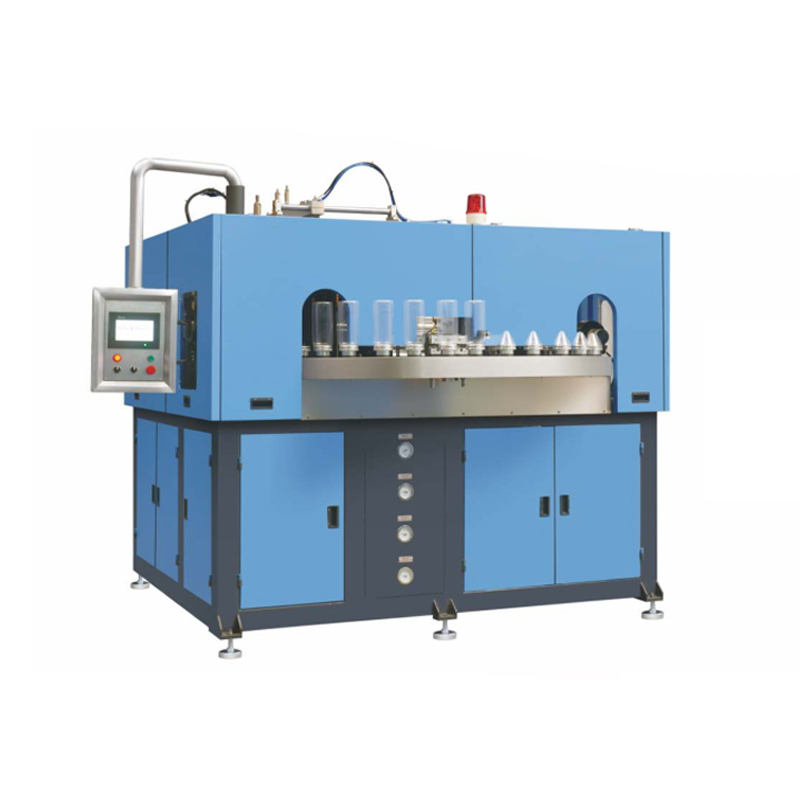
The hand-feeding blowing machine is an efficient tool designed for producing hig...
See Details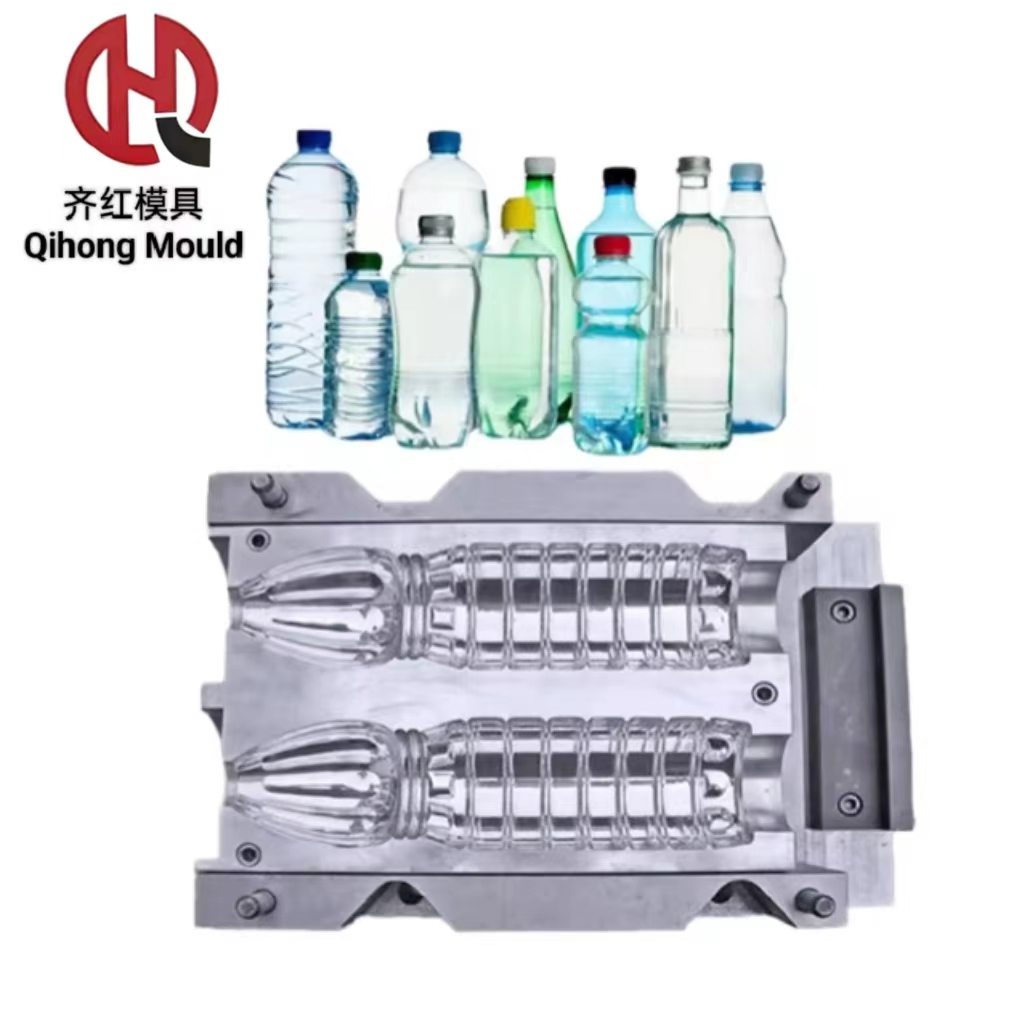
Mould Specifications Product : Blowing Mould Brand : Taizhou QihongMould C...
See Details
WhatsApp:+(86) 13957659071 / +(86) 18158637057 / +(86) 15395760157


ADD:Baige Science and Technology Park, Huangyan District, Taizhou City, Zhejiang Province, China.