English
 русский
 عربى
عربى


24-Cavity Preform Mold(Mould)
The 24-cavity preform mold is a handy tool for turning out PET bottle preforms. ...
See Details


In food and daily use packaging, many parts work quietly in the background. Caps are one of them. They are touched every day, opened and closed without much thought, yet they carry a lot of responsibility. The Cap Mould shapes this experience long before the product reaches the shelf.
From bottled drinks to household liquids, the same basic expectations appear again and again. The cap should fit. It should open without effort. It should close with confidence. These expectations guide how moulds are designed and refined over time. In many cases, practical feedback from a Cap Mould Factory helps connect design ideas with how packaging is actually used at home or at work.
Food and daily use packaging may look different on the surface, but their caps often share similar functions. A Cap Mould built for these uses usually starts with everyday behavior in mind.
Common functional needs include:
The structure of a Cap Mould determines how the cap forms, releases, and holds its shape. For food and daily use packaging, overly complex structures are often avoided.
Design attention usually goes to:
A balanced structure helps reduce visible marks and supports a clean finish. In packaging that sits in plain view, consistency matters more than decoration.
Material choice and mould design work together closely. A Cap Mould cannot be designed in isolation from the plastic it shapes. Different materials behave differently as they flow and settle.
Design adjustments often focus on:
In practice, experience from a Cap Mould Factory often helps fine-tune these details, especially when materials vary between applications.
Clean design is especially important for food and daily use products. Cap Moulds for these applications usually avoid unnecessary complexity.
Helpful design traits include:
When mould design supports a clean cap surface, it contributes quietly to overall product quality.
Consistency is one of the main goals in cap production. Caps should look and function the same throughout ongoing production. Cap Mould design plays a direct role in this.
Stability is influenced by:
| Design Aspect | Influence on Production | Practical Result |
|---|---|---|
| Simple geometry | Easier control | Stable appearance |
| Balanced internal form | Less variation | Reliable fit |
| Smooth surfaces | Fewer marks | Clean finish |
| Clear release paths | Lower distortion risk | Consistent output |
Food and daily use packaging covers a wide range of containers. Cap Mould designs often need to remain flexible without becoming complicated.
Adaptable features may include:
Rather than focusing on novelty, these designs aim to work well across many everyday situations.
Over time, regular use affects any mould. Cap Moulds designed with maintenance in mind often remain stable longer.
Useful design considerations include:
A Cap Mould Factory with long-term production experience often designs with these realities in mind, not just initial performance.
Design decisions benefit from real-world feedback. Cap Mould designs often improve through repeated use rather than theory alone.
Factory experience contributes through:
Across food and daily packaging, design trends tend to move toward clarity and ease of use. Cap Mould designs reflect this shift.
Common observations include:
These changes come from everyday use patterns rather than sudden industry shifts.
Liquid products like beverages and sauces need caps that perform reliably every time. Caps open, close, and reseal repeatedly. A mould for these uses needs to support that behavior.
Considerations include:
A well-designed Cap Mould helps the cap work quietly. No leaks. No sudden resistance. Just smooth operation. Taizhou Qihong Mold Co., Ltd. has worked with similar designs, showing how small adjustments in mould shape make a big difference in day-to-day use.
Caps for dry or semi-solid foods often stay closed longer but still need to open easily.
Key design points:
For these products, moulds emphasize stability over flexibility. The cap may not move much during storage, but it must perform reliably when needed.
Caps are often the first touch point for users. How a cap feels influences perception.
Design touches that matter:
Small details like this are sometimes overlooked, but they affect everyday experience a lot. A Cap Mould Factory often tests prototypes to ensure these practical details work.
Caps move quickly in production. Mould design affects how smoothly they pass through filling and capping lines.
Focus areas:
Designing with production in mind makes life easier for operators and helps maintain steady output.
Caps need to look consistent, even if their function is more important. The mould contributes to this.
Considerations:
Consistent finish supports neutral appearance. In daily use, it helps the product look tidy on shelves or in homes.
Containers and labels can change. Moulds that allow minor adjustments remain useful longer.
Approaches include:
Flexibility helps avoid frequent redesign, saving effort for the packaging team.
Clear communication improves results. Designers, production teams, and mould specialists all contribute.
Effective collaboration involves:
A Cap Mould Factory that listens can translate practical needs into effective mould structures.
Stability matters more than novelty. A cap that behaves consistently is the goal.
Design elements supporting stability:
In production, moulds operate quietly in the background. Success is measured by absence of problems.
Observed patterns:
Experience shows that caps performing reliably are usually the result of thoughtful mould design.
Caps for food and daily use packaging reflect everyday habits more than design ambition.
Key points:
Aligning mould structure with real use patterns supports smoother operation. A Cap Mould Factory often focuses on these practical aspects over purely aesthetic choices.
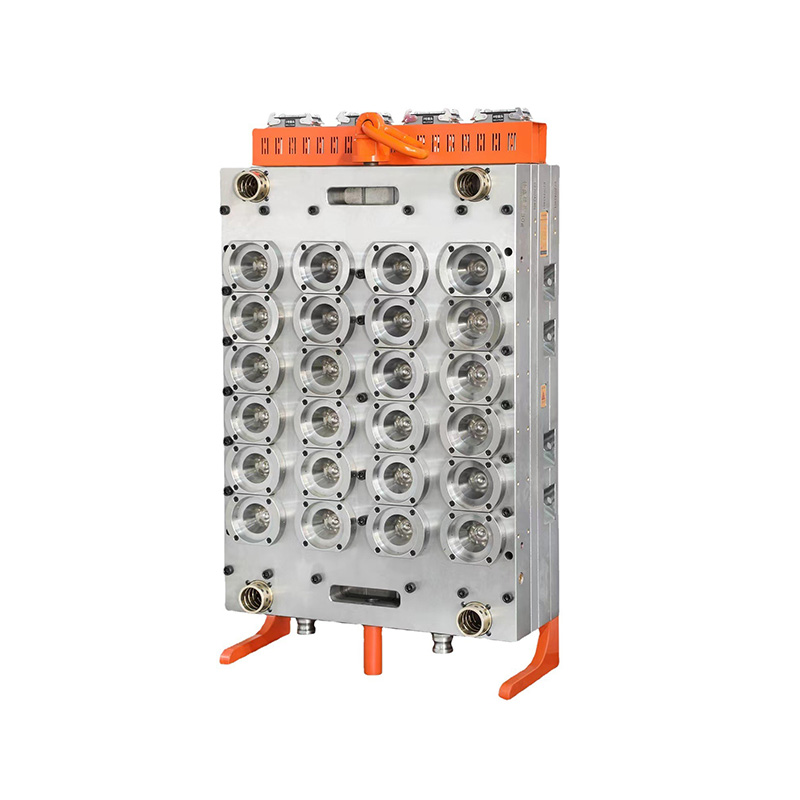
The 24-cavity preform mold is a handy tool for turning out PET bottle preforms. ...
See Details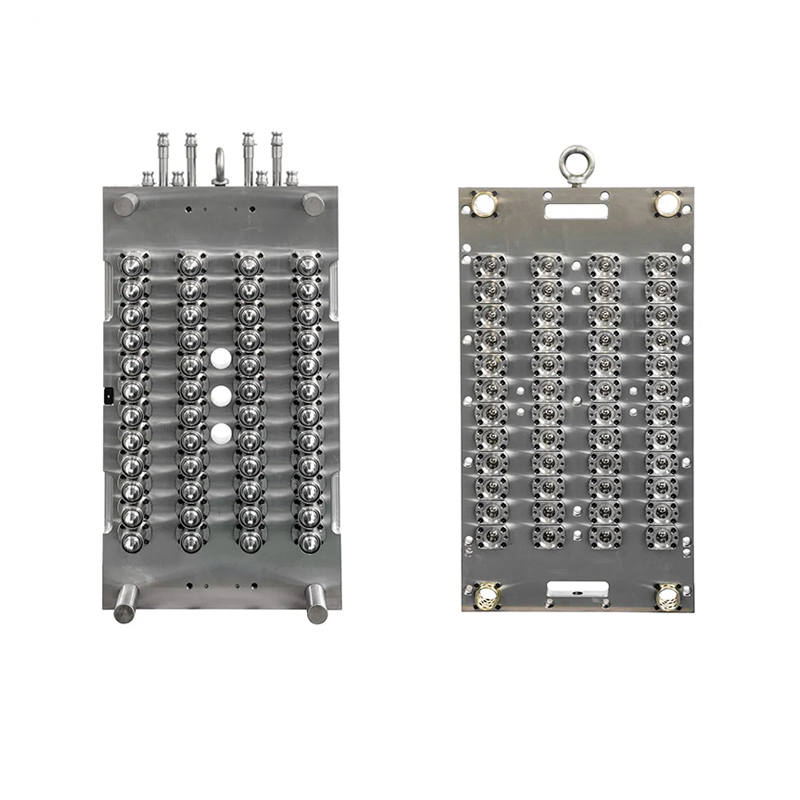
The Qihong 48-Cavity Preform Mold(Mould) is the ideal choice for high-volume PET...
See Details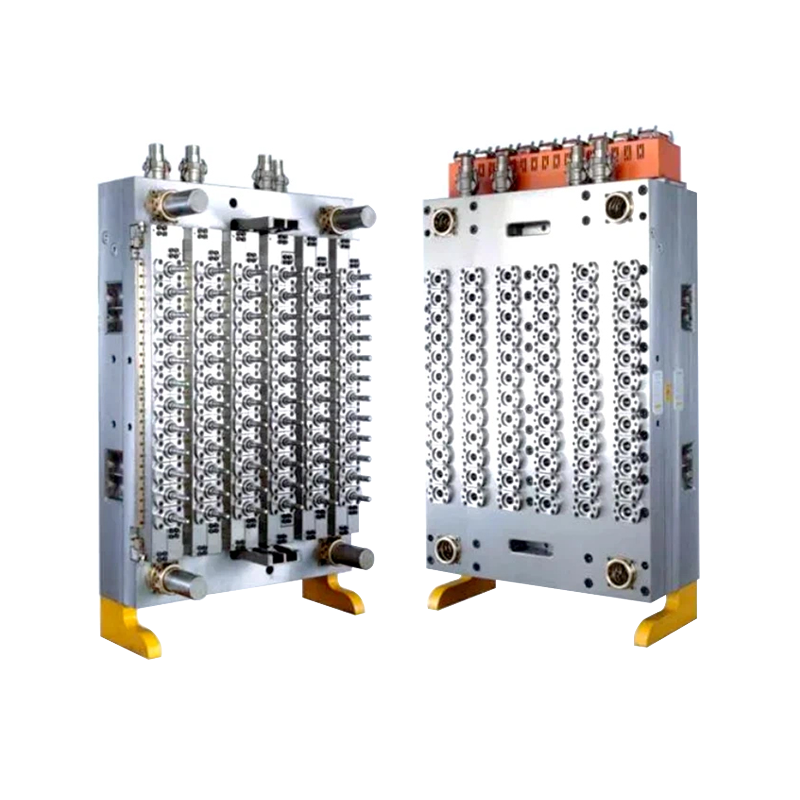
The 72-Cavity Preform Mold(Mould) is a solid, no-nonsense choice when you need t...
See Details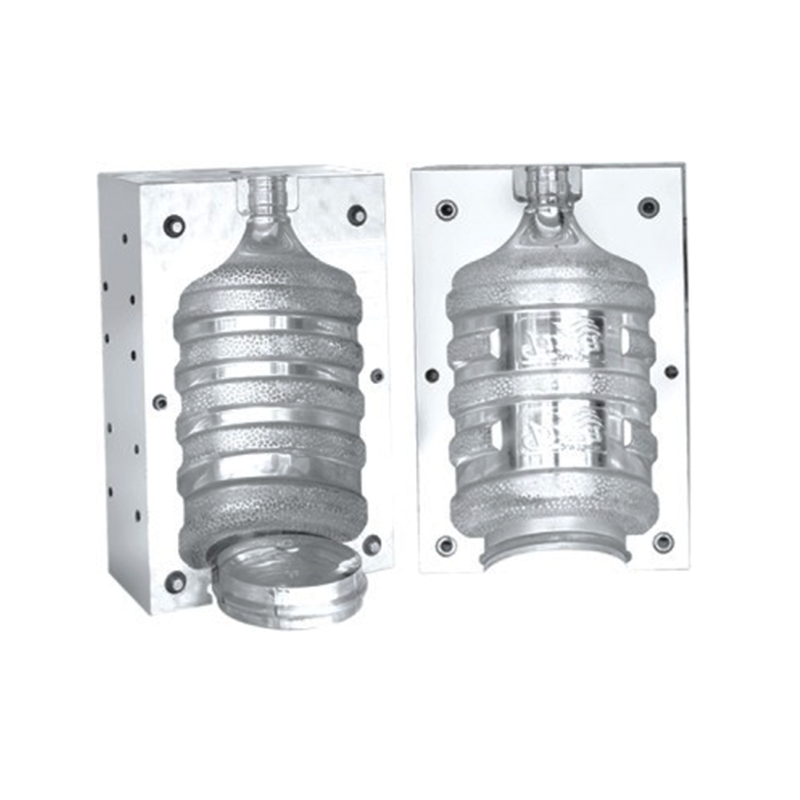
This Five Gallons Bottle Mold(Mould) comes straight out of Taizhou, Zhejiang—bui...
See Details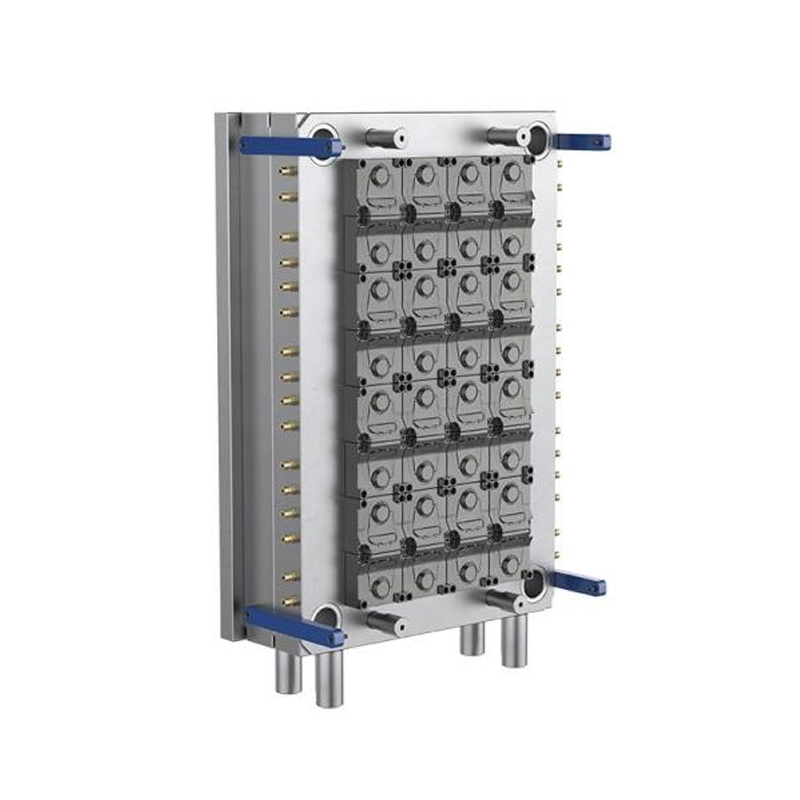
A Handle Mold is a specialized mold used in the manufacturing of plastic handles...
See Details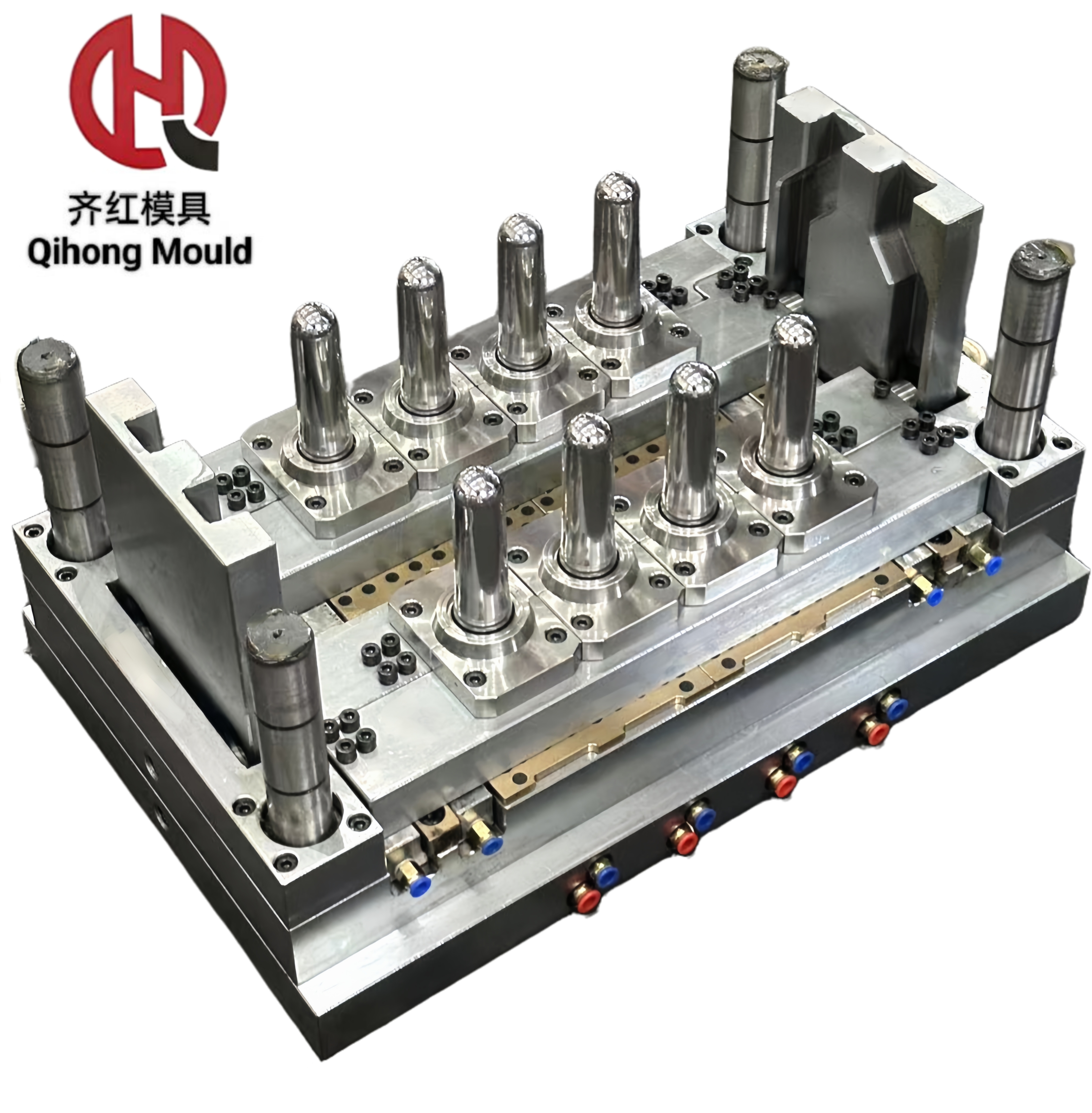
Jar Preform Mold is designed for accurate and efficient production of plastic pr...
See Details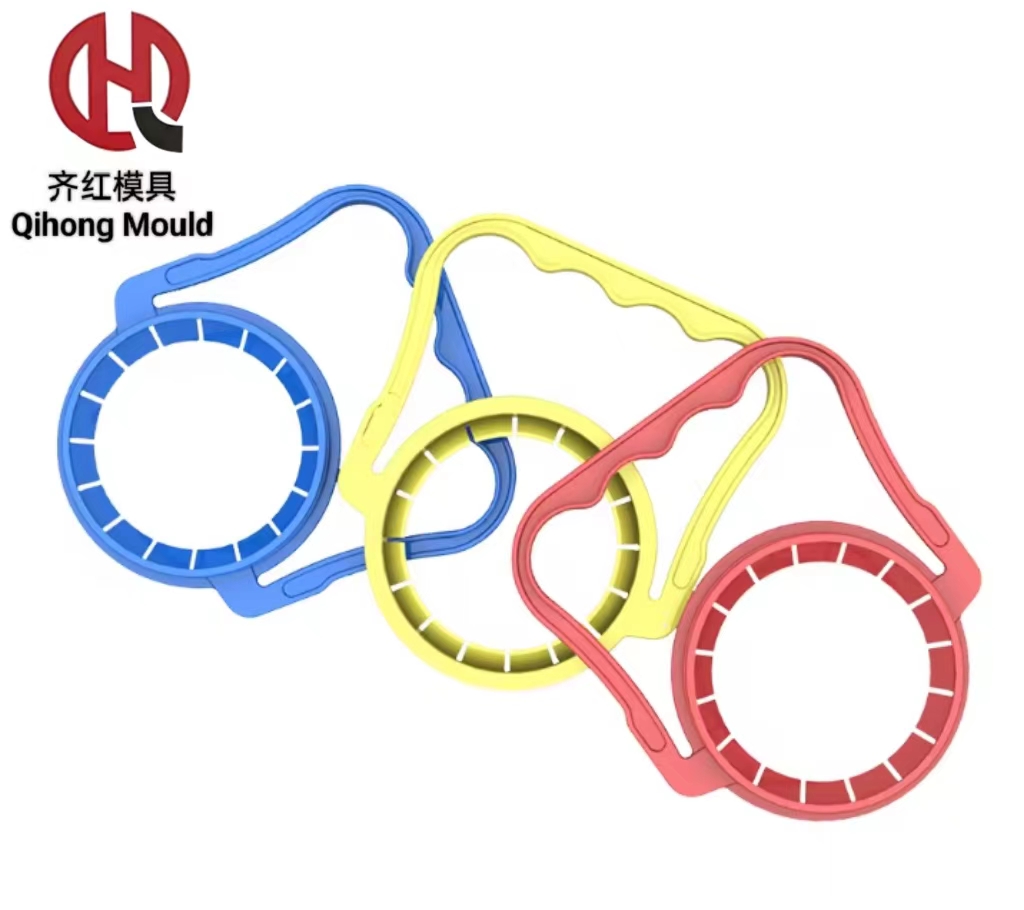
Mould Specifications Product : Plastic Handle Mould Brand : Taizhou Qihong...
See Details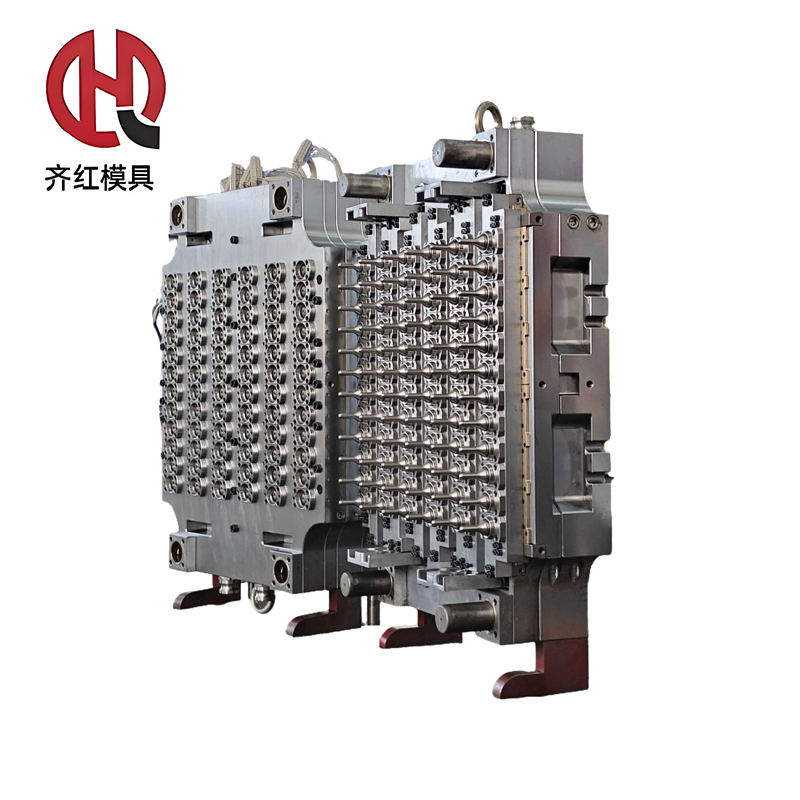
Standardization of mold partsHigh-precision processing equipment is used to ensu...
See Details
WhatsApp:+(86) 13957659071 / +(86) 18158637057 / +(86) 15395760157


ADD:Baige Science and Technology Park, Huangyan District, Taizhou City, Zhejiang Province, China.