English
 русский
 عربى
عربى


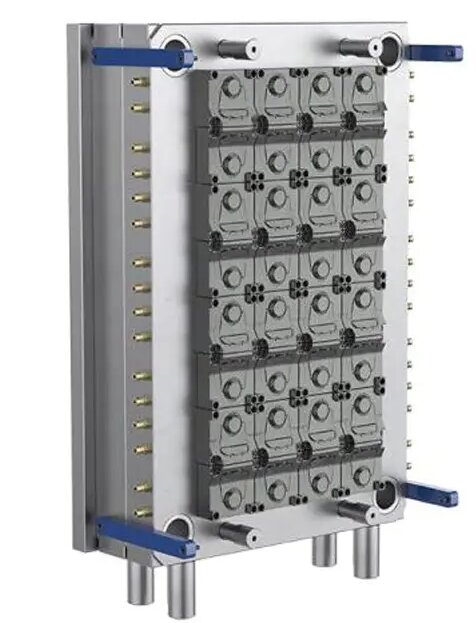
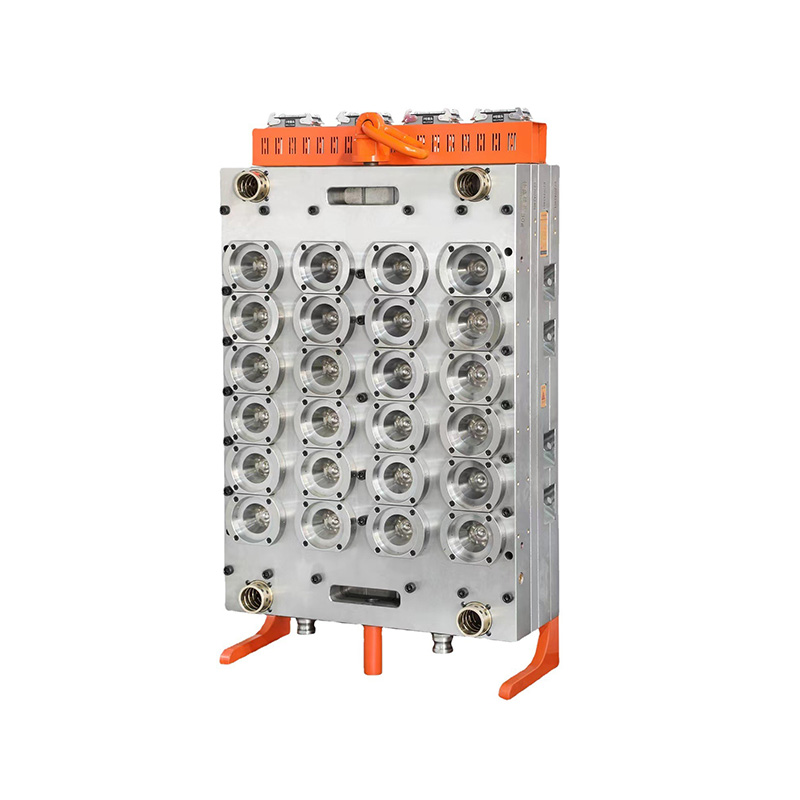
24-Cavity Preform Mold(Mould)
The 24-cavity preform mold is a handy tool for turning out PET bottle preforms. ...
See Details


Handles are usually the first thing a person touches on a product. That initial grasp happens before any button is pressed or feature is explored. It immediately shapes feelings of ease, control, and confidence. Most users don't stop to think about the handle's structure, but it quietly guides their entire interaction.Insights from years of direct experience in mold production at Taizhou Qihong Mold Co., Ltd. provide a practical viewpoint on how handle designs affect the way people use products every day.
The mold that forms the handle has a strong influence on how the part feels in real use. A shape that settles naturally in the hand makes operation smooth and unforced. A shape that feels off or unsteady can cause small pauses or doubts, even when the rest of the product works well. These results come from decisions made during the mold design phase, long before parts leave the press.
In household items and industrial tools alike, comfort and usability go hand in hand. Comfort allows people to hold and operate something for longer without tiredness, while usability helps them complete tasks clearly and without second-guessing. Handle Mold design connects these two areas, turning early sketches into parts that people actually touch.
A handle does more than just attach to a product. It carries weight, directs motion, and takes constant contact. The mold decides how these jobs are handled across the surface and inside the part.
The way the mold is built affects how force moves from the hand into the product. Careful design spreads that force evenly, avoiding spots that feel weak or overloaded. This leads to steadier handling and smoother movement.
The shape of the handle also guides how the wrist and arm position themselves. Soft curves, gentle transitions, and proper angles can match common hand movements. When they do, the handle feels natural right away. Small mismatches can add up to discomfort during longer or repeated tasks.
From a production standpoint, the mold has to produce consistent parts while meeting these needs. The link between the inner structure and the outer shape is especially important. Any weakness in that link can change how the handle performs in daily use.
A few key factors regularly come up when creating Handle Mold. These are practical points that affect performance and feel.
Balanced structure is addressed early on. Balance here means the material supports the shape evenly under pressure, not just that it looks symmetrical. Uneven support can lead to slight bending that reduces grip confidence.
Smooth changes in surface shape help the hand move without catching. Sudden shifts often create pressure points. Gradual transitions let the fingers adjust easily.
Wall thickness needs careful attention. Sections that are too thin may flex in unexpected ways, while overly thick areas can feel heavy or stiff. Finding the right variation gives strength without excess weight.
Edge rounding and surface finish affect direct skin contact. Gently rounded edges limit irritation, while sharper ones can become tiring with frequent handling.
The material used works closely with the mold design. How it flows and fills the cavity shapes the final surface and internal quality.
Mold shapes that match typical material flow create more uniform parts. This consistency means every handle feels similar, which helps users rely on them.
Designs that respect material properties also help the handle keep its shape through years of use. Good alignment lowers the chance of warping from regular contact.
Surface feel comes from both the mold surface and how the material reacts. Even minor differences in mold polishing can change grip sensation, especially on handles touched many times a day.
Ergonomics is about matching the shape to how people naturally move. For handles, this means forming them to fit common hand positions.
Proper grip placement reduces the effort needed to hold on. When the curve follows the hand, less muscle tension is required, which cuts down on tiredness.
Even pressure across the palm and fingers prevents sore spots. Uneven loading can cause discomfort that builds up over time.
Extended use shows the true ergonomic value. A handle might feel fine for a minute but reveal issues after an hour if the design doesn't fully support natural motion.
Comfort comes from a combination of details working together.
Main elements include:
Usability is about how easily someone can do what the product is meant for. The Handle Mold plays a part from the very first touch.
Quick, smooth gripping and releasing speed up interaction. Handles that fight natural hand motion slow things down.
The shape should guide the hand toward the correct action without extra thought. This makes operation feel direct.
Repeated identical feedback helps users build trust quickly. When every grasp feels the same, people operate confidently.
| Design Aspect | Influence on Handling | User Perception |
|---|---|---|
| Surface continuity | Supports smooth movement | Feels predictable |
| Structural stability | Maintains shape during use | Feels reliable |
| Grip alignment | Reduces adjustment effort | Feels intuitive |
| Edge treatment | Minimizes irritation | Feels comfortable |
| Surface response | Maintains control | Feels secure |
Handle Mold design fits into the larger product plan and purpose.
The join between handle and main body affects overall feel. A handle that seems good alone can change once attached.
The handle must support the product's main task. A mismatch here can make even a well-made part feel awkward.
Consistent style and response across all parts help users understand operation at a glance. Clear design lowers confusion.
Every mold works within real production limits. Handle designs adjust to these limits while keeping performance intact.
Shape complexity has to stay within what the process can repeat reliably. Too much detail can lead to unwanted variation.
Early adjustments for molding conditions help parts come out consistent cycle after cycle. Thoughtful planning turns constraints into practical refinements.
When handled from the start, these realities support both comfort and usability in the finished handles that reach customers.
Precision in Handle Mold design is often described in technical terms, but its real value shows up in everyday use. When a handle feels the same each time it is picked up, that feeling is not accidental. It comes from stable structure and controlled form.
Consistency is not always visible.
Sometimes it is only felt.
A handle that stays familiar allows users to move without thinking. The hand knows where to rest. The grip feels expected. There is no need to adjust.
Structural consistency supports this experience in several quiet ways:
When consistency is missing, the difference can be subtle at first. A curve may feel slightly off. An edge may press more than expected. Over time, these small changes affect comfort.
Clear design intent helps avoid this. When each part of the mold has a reason to exist, the final form becomes easier to control and easier to repeat.
First impressions matter, but long-term use tells the real story. Handle Mold design influences how well a handle continues to perform after it has been used again and again.
A stable structure helps the handle keep its original form.
When the form stays the same, the hand does not need to relearn anything.
Several elements shape long-term usability:
Durability here is not only about strength. It is about consistency. A handle that slowly changes in feel can make users hesitate, even if the change is small.
When the design supports stability, interaction remains natural. The handle still feels like it did before. Familiar. Reliable.
People adjust quickly to what they feel in their hands. Handle Mold design influences these adjustments, often without users realizing it.
When the shape supports natural movement, behavior becomes simple. Users grip with less effort. Movements feel smooth. Actions flow.
Certain design choices encourage this behavior:
When these elements are missing, behavior changes. Users may grip harder. They may shift their hands. Some movements become slower.
These reactions are not conscious decisions. They are responses to form. The handle teaches the user how to hold it.
Evaluating Handle Mold design often starts with watching, not measuring. How do people hold the handle. How do they move it. Where do they pause.
Simple observations reveal a lot:
Comfort feedback often points to surface and shape. Functional feedback reflects how smoothly tasks are completed.
Improvements usually come from small changes. A softer transition. A slight shift in curve. These details matter more than dramatic redesigns.
Design improves when observation guides adjustment, and adjustment respects original intent.
Handle Mold design works best when structure, shape, and use support one another. None of these elements should feel separate.
When integration is strong:
Users understand how to interact with the handle as soon as they touch it. There is no confusion. No hesitation.
In a Handle Mold Factory environment, this integration depends on shared understanding. Design intent and production execution must follow the same logic.
When they do, the handle becomes part of daily use without drawing attention to itself. And that, in many ways, is the clearest sign that comfort and usability are working together.
The 24-cavity preform mold is a handy tool for turning out PET bottle preforms. ...
See Details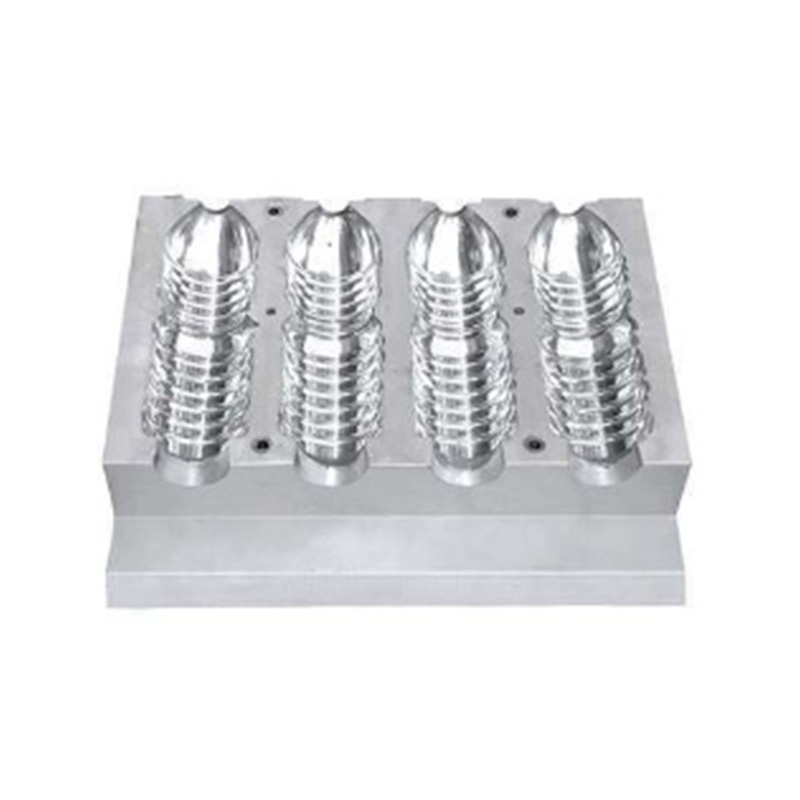
Product Name: Water/Beverage Bottle Mold A Water/Beverage Bottle Mold is a speci...
See Details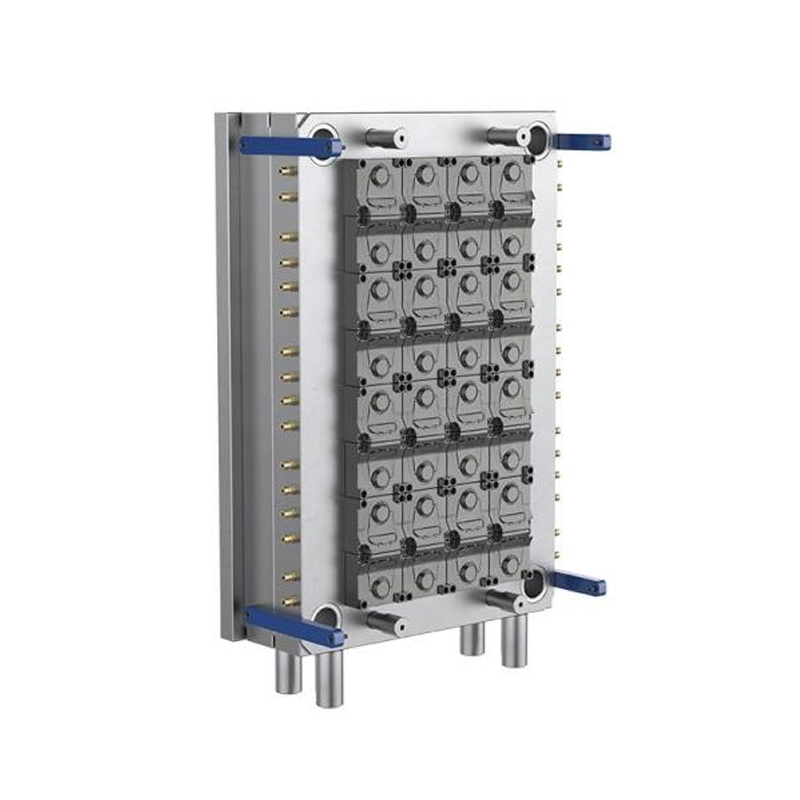
A Handle Mold is a specialized mold used in the manufacturing of plastic handles...
See Details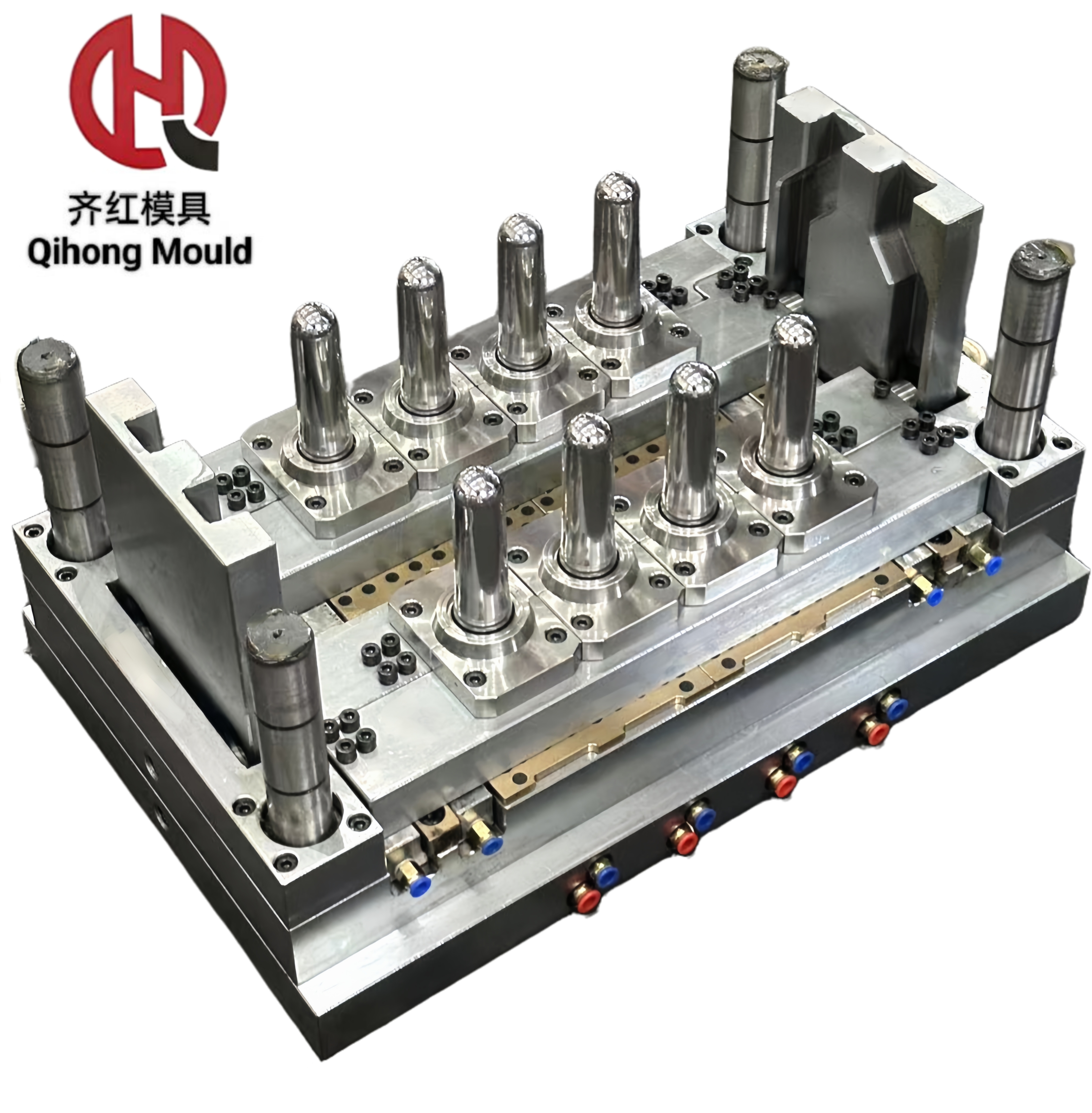
Jar Preform Mold is designed for accurate and efficient production of plastic pr...
See Details
Plastic Cap Mould is designed for high precision plastic cap production. The Chi...
See Details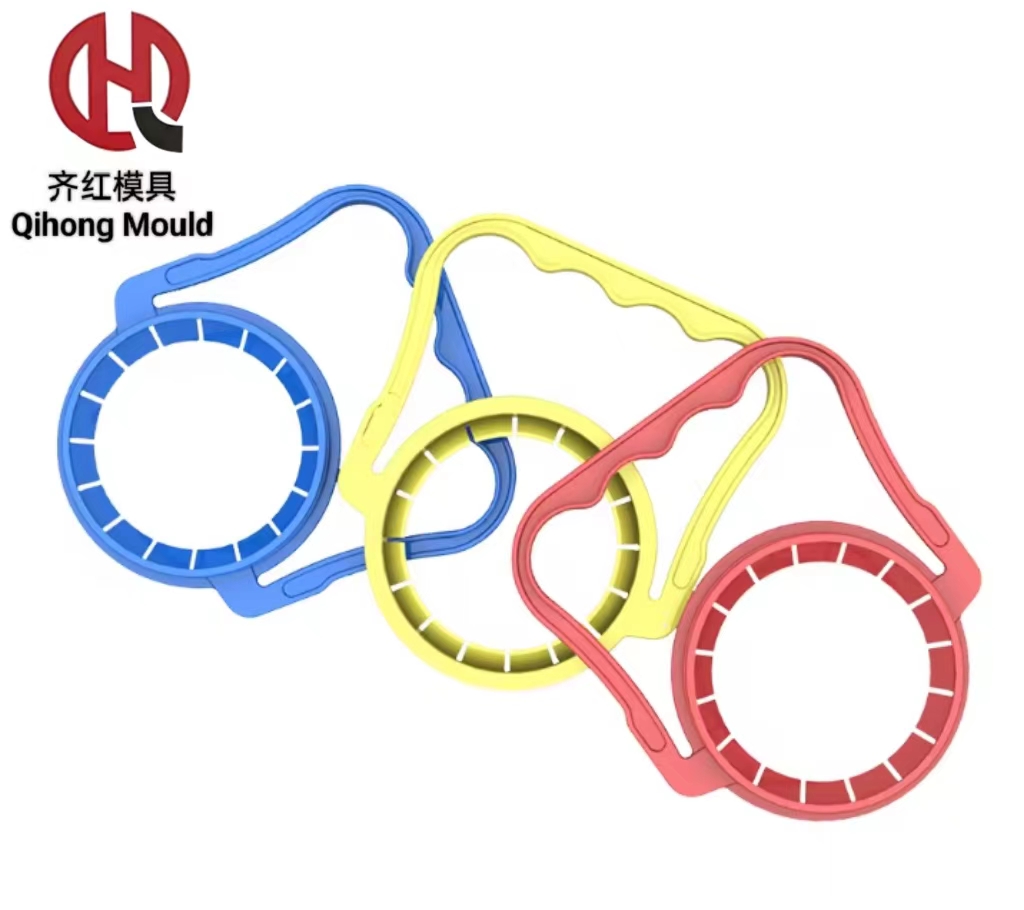
Mould Specifications Product : Plastic Handle Mould Brand : Taizhou Qihong...
See Details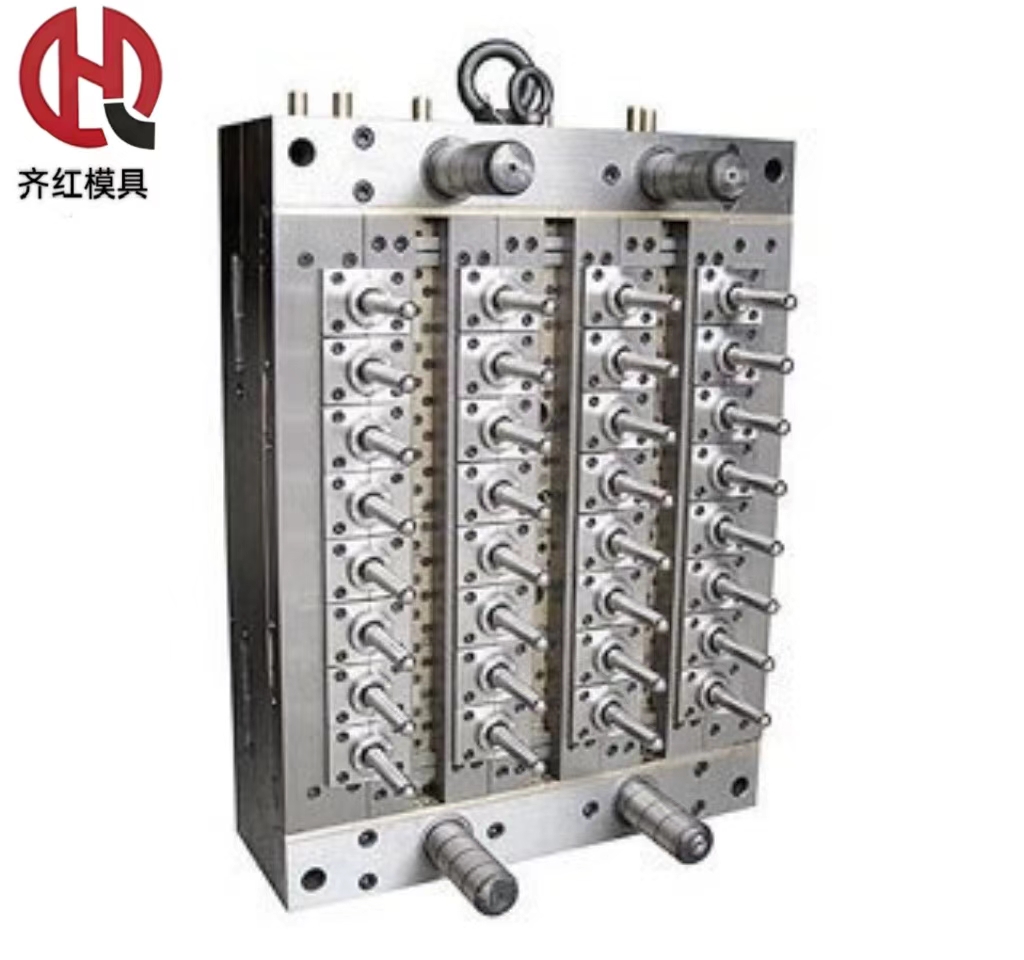
Custom Made Plastic Molds are designed for high precision and flexible plastic p...
See Details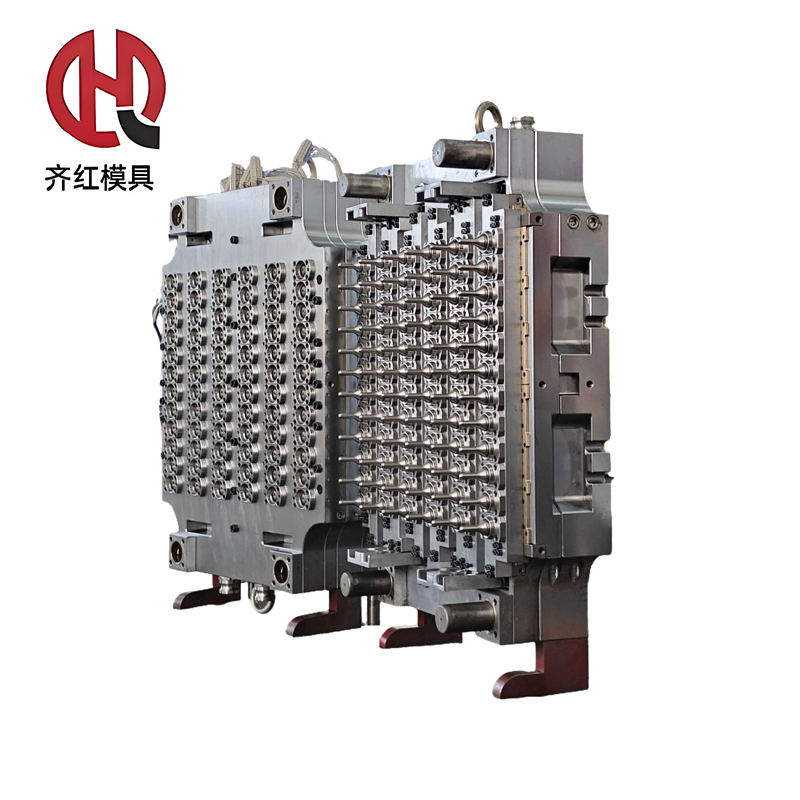
Standardization of mold partsHigh-precision processing equipment is used to ensu...
See Details
WhatsApp:+(86) 13957659071 / +(86) 18158637057 / +(86) 15395760157


ADD:Baige Science and Technology Park, Huangyan District, Taizhou City, Zhejiang Province, China.