English
 русский
 عربى
عربى


48-Cavity Preform Mold(Mould)
The Qihong 48-Cavity Preform Mold(Mould) is the ideal choice for high-volume PET...
See Details


Demand for high-quality bottle blowing molds has been growing quickly across a lot of industries — from beverages to pharmaceuticals. These days, companies don't just want molds that work; they want molds that are reliable, consistent, and tough enough to keep production lines running smoothly. Manufacturers like Taizhou Qihong Mold Co., Ltd. operate right where engineering, materials, and efficient production meet, making molds that can handle today's manufacturing needs.
But picking the right bottle blowing mold isn't just about comparing prices. If you want a mold that actually fits your production goals, you need to understand the technical details, what the manufacturer can do, and how they handle quality control.
The industry has changed a lot in recent years. With better automation and new materials, modern molds are made to produce lighter bottles, with clearer surfaces and stronger structures — all without slowing production. Customers now expect manufacturers to handle complex bottle shapes and different resin types while keeping output fast.
With new CNC machines, better polishing, and advanced surface treatments, molds can be made with tighter tolerances and smoother cavities. Many manufacturers even test and simulate the design before machining to make sure it will work perfectly in real production.
When you talk with a mold supplier, it's important to get a few key details clear upfront:
Mold Materials: High-grade steels and alloys give strength, stability, and wear resistance.
Bottle Design: Shape, neck size, wall thickness, and overall dimensions all affect how the bottle forms and looks.
Machine Compatibility: The mold needs to fit your blow-molding machine, or you could run into installation or production problems.
CAD Files and Tolerances: Sharing your design files and specifying tolerances helps the manufacturer get machining just right.
Surface Finish: A smooth mold interior makes bottles clearer and easier to remove.
Cooling and Venting: Good venting avoids defects, and proper cooling reduces cycle time while keeping the material distributed evenly.
Going over these points early can save a lot of back-and-forth later.
A manufacturer's equipment and workflow tell you a lot about the quality you can expect:
Machining Equipment: CNC machines, EDM systems, and proper polishing tools help ensure precise cavities.
Heat Treatment: The right thermal treatment makes the mold harder and more stable.
Assembly Precision: Accurate assembly prevents uneven walls and bottle deformation.
Capacity and Lead Time: Flexible factories can handle small prototypes as well as large orders.
A manufacturer that keeps control over each step is much more likely to deliver molds that stay accurate and reliable over long production runs.
Quality control is key to good molds. Most manufacturers perform several checks:
Dimensional Checks: Measure all critical dimensions to make sure they match the design.
Trial Molding: Blow sample bottles to check clarity, wall thickness, and material flow.
Pressure and Leak Testing: Make sure bottles can withstand the required pressure.
Shrinkage Adjustments: Compensate for material behavior during cooling.
Documentation: Provide test reports and certification for reference.
Common Quality Checks and Their Importance
| Quality Check | Purpose | Typical Outcome |
|---|---|---|
| Dimensional Accuracy | Ensure bottle matches design | Minimal deviations |
| Trial Run Bottles | Validate mould performance | Smooth resin flow |
| Leak Testing | Check structural integrity | No leaks under standard pressure |
| Surface Finish Inspection | Assess clarity and aesthetics | Smooth, defect-free surfaces |
| Shrinkage Compensation | Maintain consistent dimensions | Accurate wall thickness and volume |
This structured approach allows manufacturers to predict potential issues and optimize mould performance before full-scale production.
The materials you use for bottle production affect both the mold design and the whole manufacturing process.
Communicating these resin requirements to the manufacturer early on helps prevent production issues and keeps the product quality steady.
How long a bottle blowing mold lasts depends on the materials and how precisely it's made.
Planning for these aspects before ordering helps production run smoothly and avoids unexpected downtime.
Customization is key when picking a bottle blowing mold manufacturer. Every product line may need a unique shape, size, or feature. Knowing how flexible the manufacturer is can prevent limits during production.
Manufacturers who offer solid design support and engineering collaboration reduce the chance of changes after production starts. This ensures the bottles meet both look and function requirements from day one.
Understanding the cost breakdown helps avoid surprises and evaluate overall value.
Clear pricing lets procurement teams make informed decisions and understand the return on investment.
Even after the mold is delivered, support from the manufacturer is crucial for smooth operations.
Environmental concerns are becoming increasingly important in mold selection.
Insights from professionals give more context when evaluating manufacturers:
Before finalizing a mold order, it's wise to ask:
A structured approach like this aligns expectations and reduces the risk of delays or problems during production.
Selecting a high-quality bottle blowing mold requires careful evaluation of technical, operational, and environmental factors. Talking through these details with the manufacturer before ordering ensures compatibility with your equipment, resin types, and bottle designs. Paying attention to durability, maintenance, quality control, and after-sales support helps keep operations stable and efficient.
Manufacturers like Taizhou Qihong Mold Co., Ltd. show the value of combining engineering precision, production expertise, and customer collaboration. By clarifying requirements, checking capabilities, and understanding long-term needs, companies can get molds that perform well, support sustainable production, and maintain consistent bottle quality throughout their life cycle.
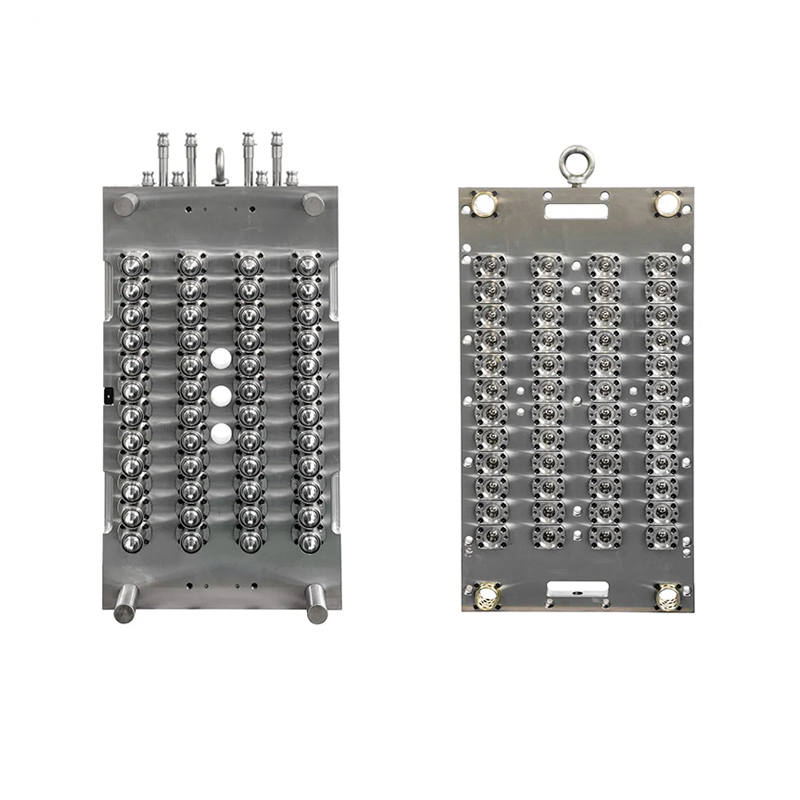
The Qihong 48-Cavity Preform Mold(Mould) is the ideal choice for high-volume PET...
See Details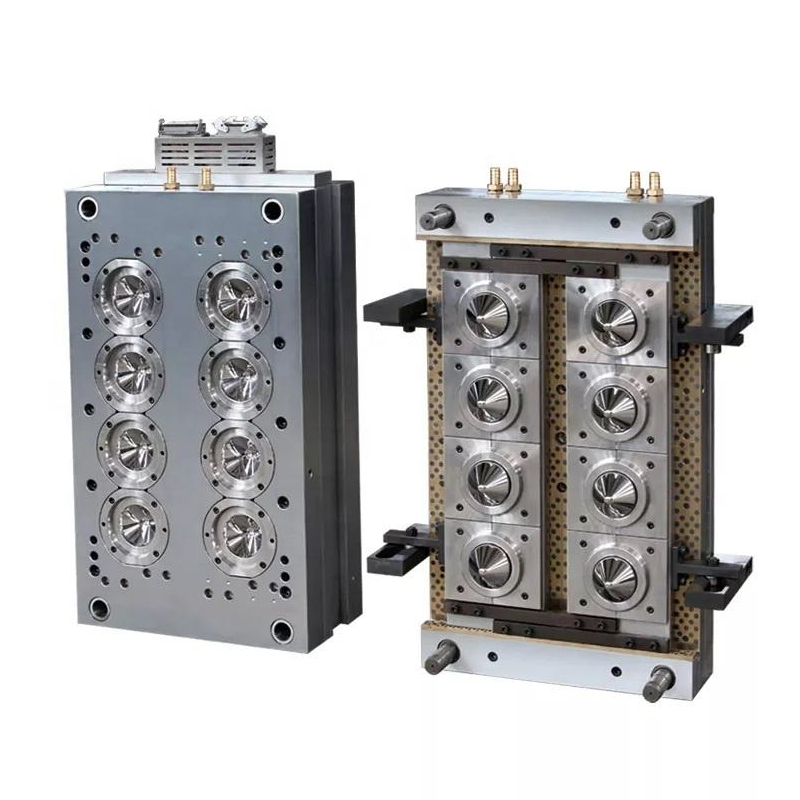
The 8-cavity wide-mouth mold is designed to produce plastic containers with larg...
See Details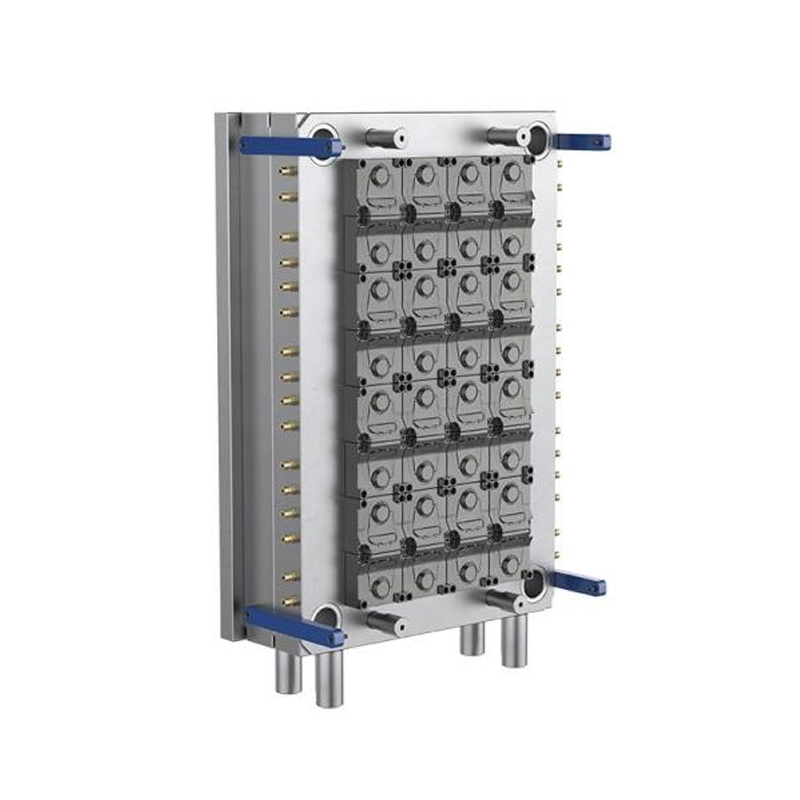
A Handle Mold is a specialized mold used in the manufacturing of plastic handles...
See Details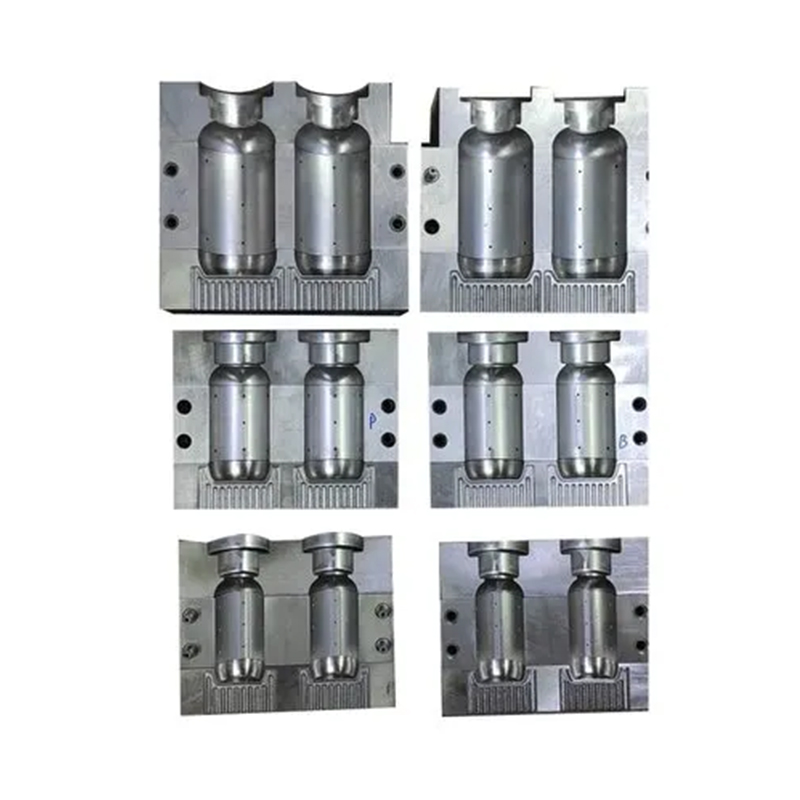
Medicine bottle molds are specialized tools designed for the efficient productio...
See Details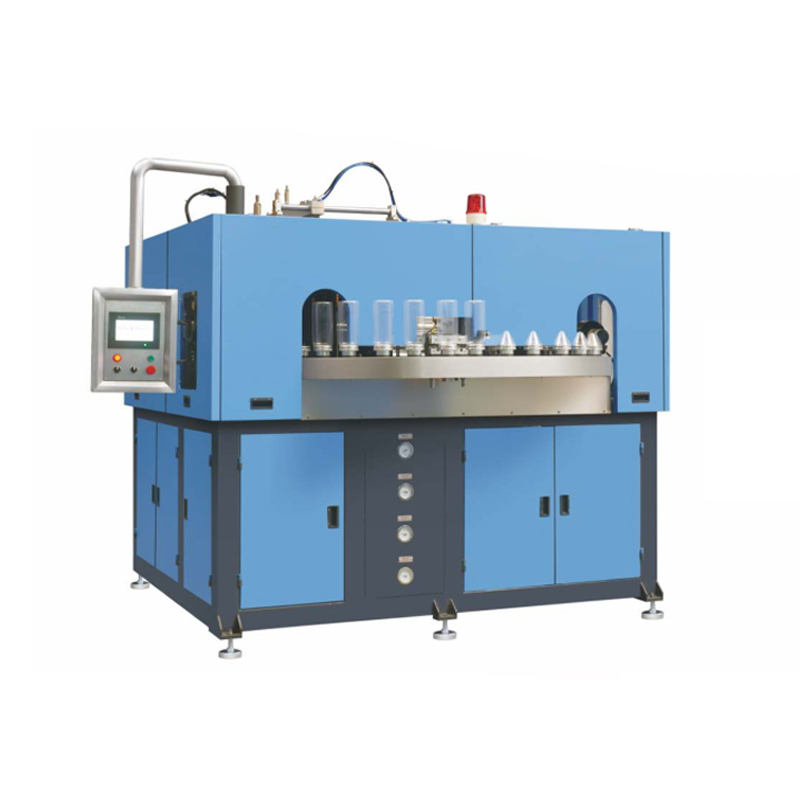
The hand-feeding blowing machine is an efficient tool designed for producing hig...
See Details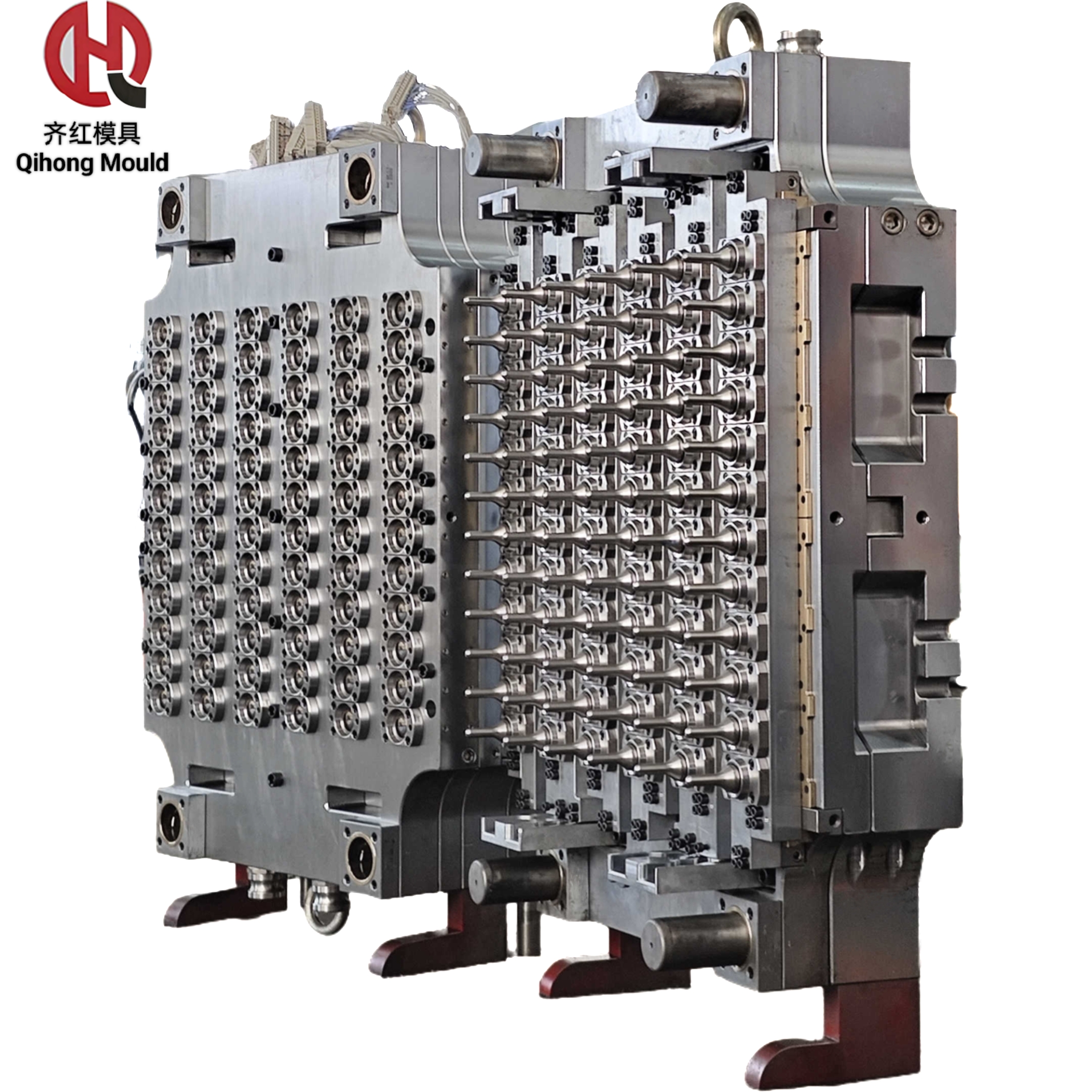
PET Preform Mold Design focuses on high precision structure and stable productio...
See Details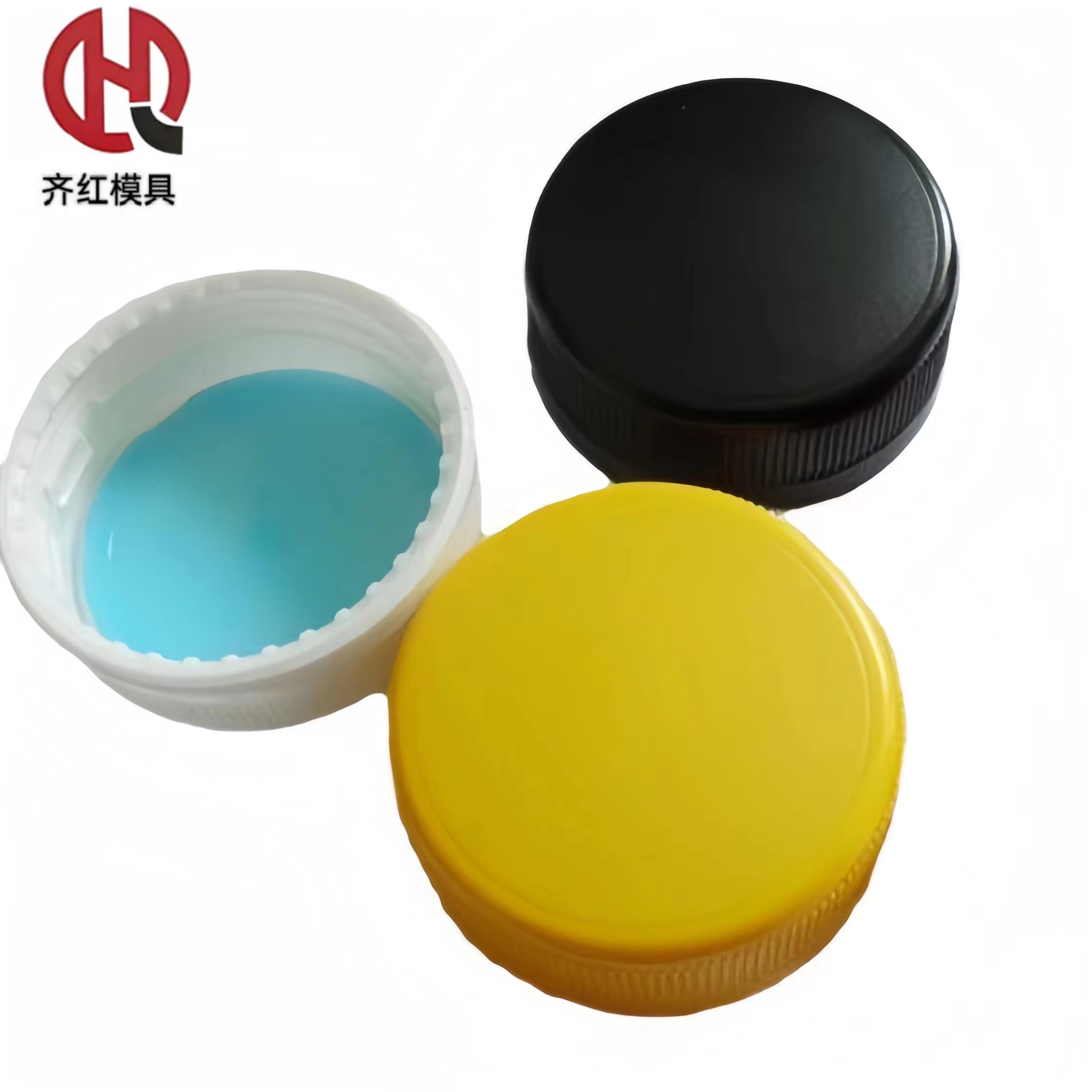
Mould Specifications Product : Cap Mould Brand : Taizhou QihongMould Co.,L...
See Details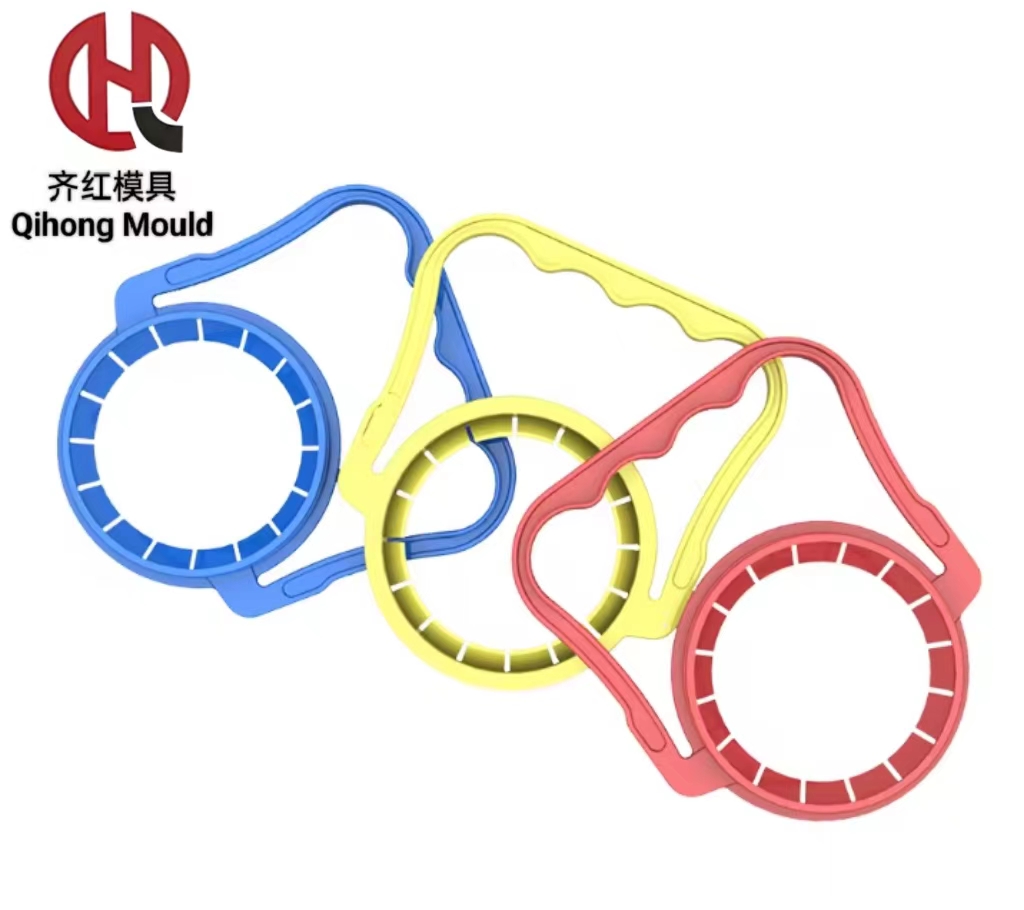
Mould Specifications Product : Plastic Handle Mould Brand : Taizhou Qihong...
See Details
WhatsApp:+(86) 13957659071 / +(86) 18158637057 / +(86) 15395760157


ADD:Baige Science and Technology Park, Huangyan District, Taizhou City, Zhejiang Province, China.