English
 русский
 عربى
عربى


Bottle Cap Mold(Mould)
A Bottle Cap Mold is a precision tool used in the manufacturing of bottle caps. ...
See Details


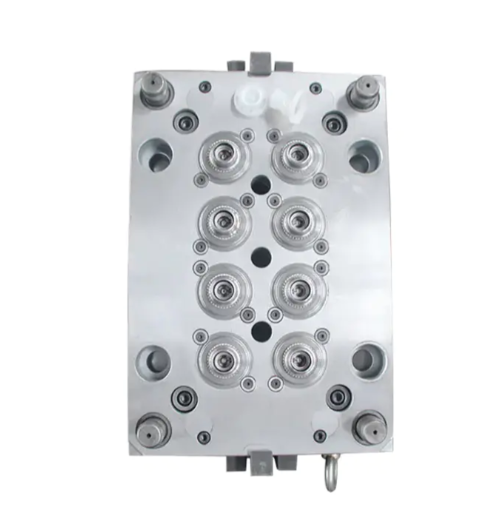
Plastic Moulds are used everywhere—from food packaging and beverage bottles to car parts, household items, and medical devices. Almost every plastic product you see was shaped by some kind of mould. But not all moulds are the same. Each type is built to match the exact needs of the part it produces. Among them, Cap Mould (the ones that make bottle caps, jar lids, tube closures, etc.) have their own very specific demands.
Most Plastic Moulds create larger, simpler shapes: storage boxes, trays, buckets, or panels. Those designs usually focus on overall strength, surface finish, and basic dimensions. Cap Mould, however, work with small parts that have to fit perfectly, seal reliably, open and close smoothly, and look neat. Even a tiny mistake in the mould can cause a cap to leak, be hard to open, or look obviously flawed.
In the packaging world, almost every container needs a cap or closure. Drinks, cooking oils, sauces, shampoos, medicines, detergents, cosmetics—most of them come with some kind of lid. The job of a Cap Mould is to produce these closures in huge quantities, day after day, while keeping them consistent and reliable.
A cap isn't just a cover. It has to:
A poorly made cap can ruin the whole product experience. If it leaks during transport, the contents spill. If it's too hard to open, customers get frustrated. If the threads don't match the bottle neck properly, the package fails basic function tests.
A well-designed Cap Mould helps the entire production line run better. It shortens cycle time, reduces material waste, lowers the defect rate, and makes downstream processes (like capping machines) work more smoothly. In high-speed packaging lines that run 24 hours a day, even small improvements in mould performance can translate into large savings and fewer customer complaints.
Cap Mould differ from other Plastic Moulds in several important ways. Here are the main features that make them unique.
Size and Shape Considerations
Most caps are small—often only a few centimeters in diameter. But inside that small space there can be a surprising amount of detail: precise screw threads, sealing rings, tamper-evident bands, flip-top hinges, push-pull spouts, dropper tips, or child-resistant features.
For example, a standard screw cap needs threads that are exactly the right pitch, depth, and angle so it screws on smoothly without cross-threading. A flip-top cap needs a thin, flexible hinge area that can bend thousands of times without cracking. These tiny but critical features require mould surfaces and moving parts (slides, lifters, unscrewing mechanisms) to be machined to much tighter tolerances than most other moulds.
In contrast, a mould for a large storage bin or a car bumper cover has much larger surfaces and looser tolerance requirements in non-critical areas. The scale and function are simply different.
Material Selection
Because Cap Mould run at very high speeds and high volumes, the steel must resist wear extremely well. Cavity surfaces can be polished to a mirror finish and often receive additional treatments (nitriding, chrome plating, PVD coating) to stay smooth after hundreds of thousands of cycles.
The mould material also needs good thermal conductivity so cooling works efficiently. If heat builds up unevenly, small caps can warp, shrink unevenly, or show sink marks. Larger moulds for bigger parts sometimes allow less expensive steels or simpler surface treatments, but Cap Mould usually demand higher-grade, more wear-resistant materials.
Multi-Cavity Design
Cap Mould almost always use multi-cavity layouts—16, 32, 48, 64, or even more cavities per shot. This is the only practical way to meet the huge daily demand for caps at a reasonable cost.
But multi-cavity brings its own problems. Every cavity must receive exactly the same amount of material, cool at the same rate, and eject cleanly. Even slight differences in runner length, gate size, or cooling channel distance can cause one cavity to produce perfect caps while another makes parts that are slightly oversized, underfilled, or stressed.
Balancing all these factors is one of the biggest engineering tasks in Cap Mould design and is far more demanding than designing moulds with only a few cavities or single-cavity large parts.
Designing a Cap Mould involves several challenges that are much less common in other types of Plastic Moulds.
Complex Geometries and Features
Caps often contain very fine details in a confined space. Threads must be perfectly concentric and continuous. Sealing surfaces must be flat within a few microns. Hinges must be thin enough to flex but strong enough not to break. Tamper-evident bands need to tear away cleanly without leaving sharp edges.
These features require:
Most other Plastic Moulds deal with much simpler geometry and fewer moving parts.
Caps are produced in extremely high volumes, so cycle time directly affects cost. Many Cap Mould run cycles of 4–8 seconds. Achieving this speed while maintaining quality requires:
If cooling is uneven, caps may warp or shrink inconsistently. If filling is unbalanced, some cavities will flash while others remain underfilled. Getting everything right in such a short window is a constant engineering challenge.
High-speed, high-cavity production wears moulds faster than low-volume work. Small scratches, plating wear, or buildup in the cavity can quickly affect cap appearance or function.
Designers often include:
Even with these precautions, Cap Mould usually require more frequent polishing, inspection, and component replacement than moulds used for larger, slower-running parts.
Cap Mould suppliers do much more than just build moulds. They often work closely with packaging companies to solve real production problems and introduce small but meaningful improvements.
Common areas of progress include:
These incremental changes, when combined, can shorten cycle time by a second or two, reduce defect rates, or extend mould life—gains that become very significant at high volumes.
The mould design controls almost every aspect of the finished cap. Thread accuracy determines whether the cap screws on smoothly. Sealing surface flatness affects leak resistance. Hinge thickness and radius control how easily and reliably a flip-top opens and closes.
A mould with poor balance or inadequate cooling can produce caps that:
All of these issues affect the end user experience and can lead to returns, complaints, or brand damage. A well-executed Cap Mould helps ensure caps perform consistently and look professional.
| Design Feature | Cap Moulds | Other Plastic Moulds (e.g. containers, bins, panels) |
|---|---|---|
| Precision Required | Extremely high (especially threads, seals) | Moderate to high, depending on part |
| Cooling System | Very advanced, dense, precisely placed | Standard, simpler layout |
| Material Durability | Very high (hardened steel + coatings) | Moderate to high |
| Typical Cavity Count | High (16–96+) | Low to medium (1–16) |
| Cycle Time Focus | Extremely short cycles | Varies widely |
| Geometric Complexity | High (threads, hinges, undercuts) | Usually low to moderate |
The packaging industry is moving toward lighter weight, more recycled content, and lower environmental impact. Cap Mould are evolving to support these changes—thinner walls, better material distribution, and designs that work well with recycled resins.
At the same time, automation and monitoring are becoming more common. Real-time temperature sensors, cavity pressure feedback, and predictive maintenance tools help keep moulds running longer with fewer surprises.
In the coming years, Cap Mould design will likely focus even more on:
These directions will continue to push Cap Mould further away from the design approaches used for larger, simpler plastic parts.
Cap Mould design is a highly specialized field. The combination of small size, extreme precision, high production speed, complex features, and long-term durability requirements makes Cap Mould noticeably different from most other Plastic Moulds.
Getting the design right requires experience, careful engineering, and close collaboration between mould makers and packaging companies. When done well, a Cap Mould delivers consistent quality, high output, low waste, and reliable performance over many years—benefits that matter greatly in today's fast-moving packaging industry.
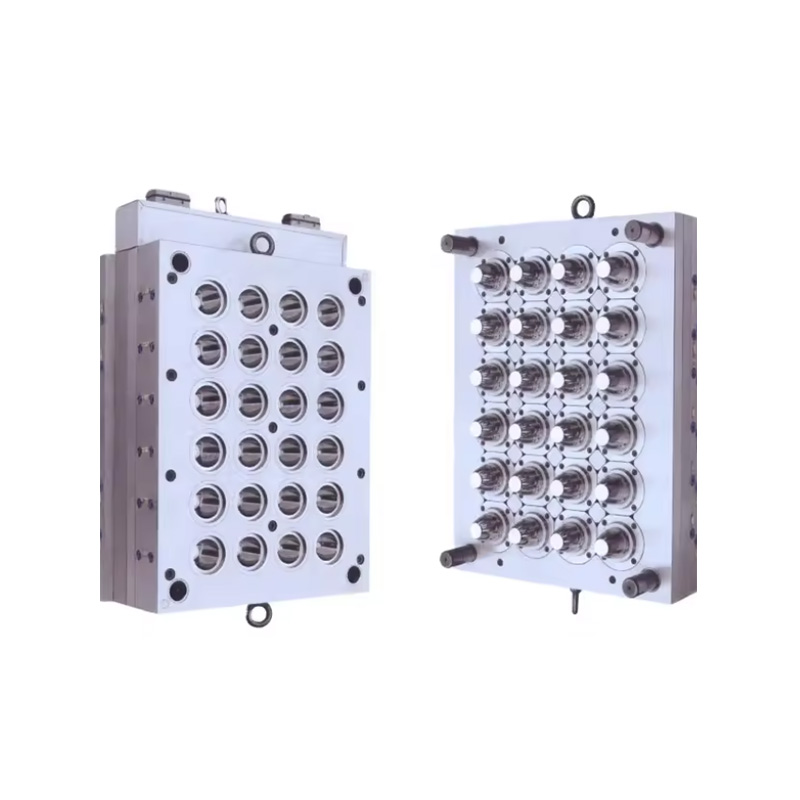
A Bottle Cap Mold is a precision tool used in the manufacturing of bottle caps. ...
See Details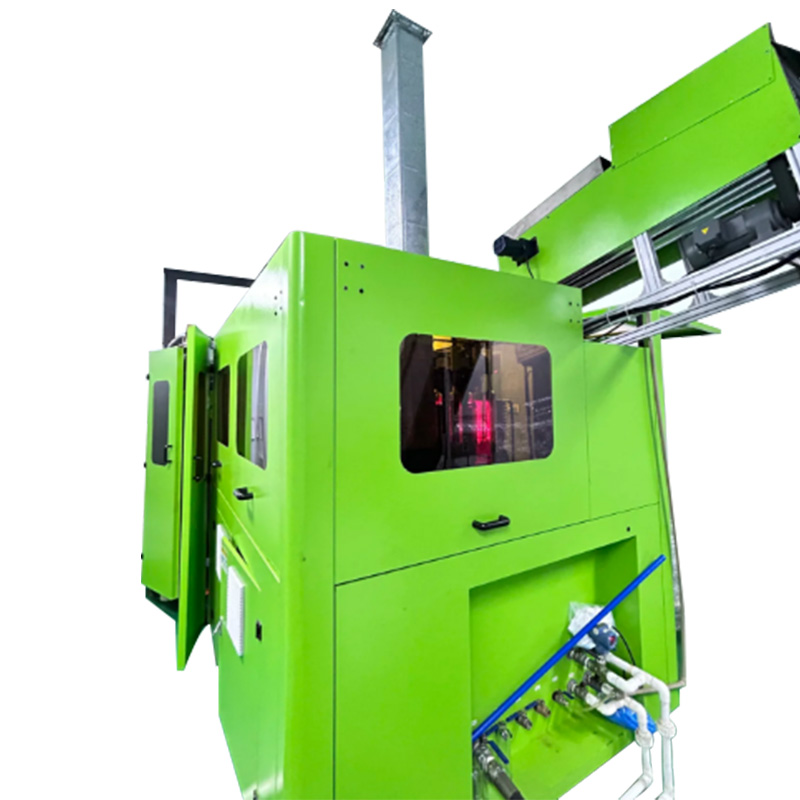
Automatic blowing machines are essential equipment in modern bottle manufacturin...
See Details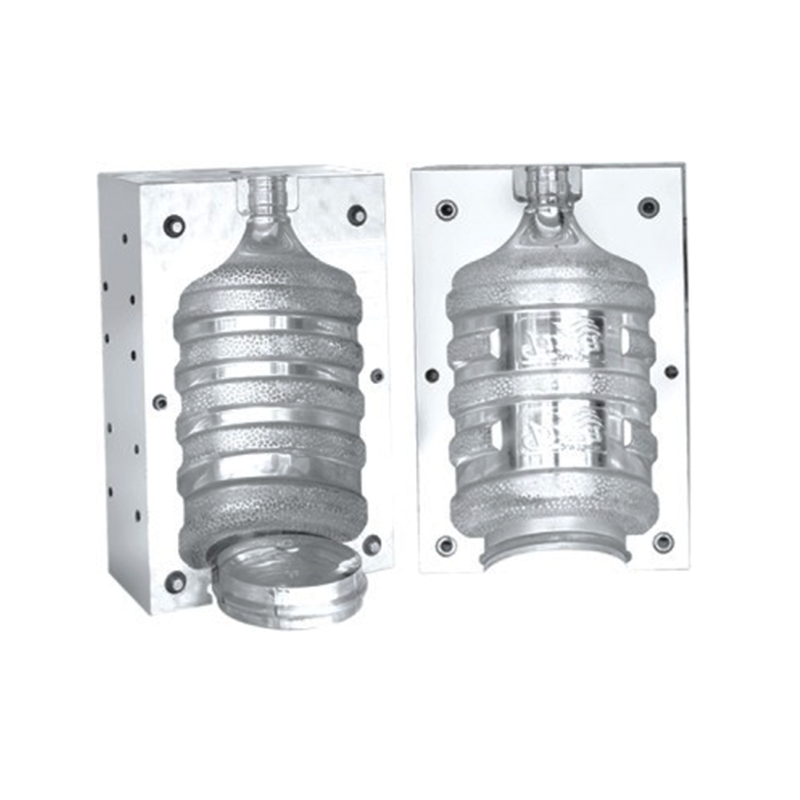
This Five Gallons Bottle Mold(Mould) comes straight out of Taizhou, Zhejiang—bui...
See Details
A Handle Mold is a specialized mold used in the manufacturing of plastic handles...
See Details
PET Preform Mold Design focuses on high precision structure and stable productio...
See Details
Plastic Cap Mould is designed for high precision plastic cap production. The Chi...
See Details
Mould Specifications Product : Cap Mould Brand : Taizhou QihongMould Co.,L...
See Details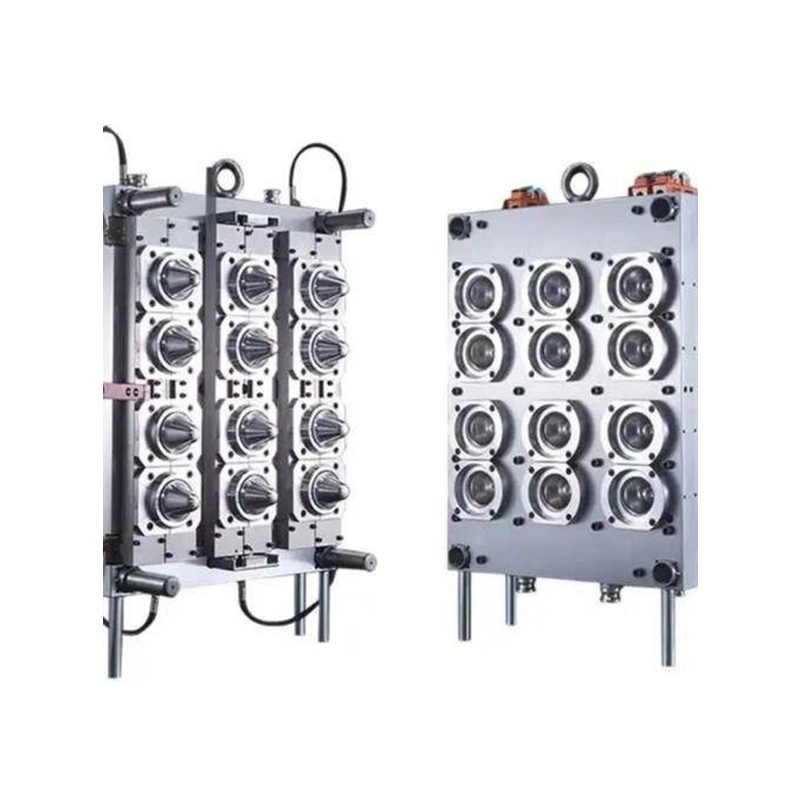
The 12 Cavities Wide Mouth Preform Moulds from Qihong are practical tools for pr...
See Details
WhatsApp:+(86) 13957659071 / +(86) 18158637057 / +(86) 15395760157


ADD:Baige Science and Technology Park, Huangyan District, Taizhou City, Zhejiang Province, China.