English
 русский
 عربى
عربى


24-Cavity Preform Mold(Mould)
The 24-cavity preform mold is a handy tool for turning out PET bottle preforms. ...
See Details



When it comes to making Handle Molds, picking the right materials sets the stage for everything that follows. These choices shape how well the molds hold up during use and over time. Think about it like building a house—the foundation matters a lot. In Handle Mold factories, workers often start by looking at what the mold needs to do. Does it have to handle heat? Will it face a lot of wear? Questions like these guide the decisions. Materials can make a mold strong or cause it to break down too soon. Factories focus on finding a balance that keeps things running smoothly. Taizhou Qihong Mold Co., Ltd. comes to mind as one example in this field. From there, the process moves into testing and refining to ensure the final product works as expected. It's all about matching the material to the job at hand.
Steel stands out as a go-to option for Handle Molds because it handles tough conditions well. You have different kinds, each with its own strengths. Some steels stay firm under pressure, while others bend a bit without snapping. This variety lets factories pick what fits best for shaping handles. Aluminum steps in when weight becomes an issue. It's lighter, which can make handling easier during production. Plus, it cools down fast, speeding up the whole process. But it might need extra support to last as long as steel. Then there are blends, like alloys that mix metals for better results. These can resist scratches or hold up against daily knocks. Factories weigh these options early on, thinking about how the material will perform day in and day out. It's not just about the first use; it's about reliability over many runs.
Hardness plays a big role in keeping Handle Molds intact. A harder material fights off dents and scrapes, preserving the shape inside. Imagine running your hand over a smooth surface—it stays that way longer with the right choice. Heat flow matters too. Materials that spread heat evenly prevent hot spots that could warp the mold. This evenness helps in creating handles without flaws. Resistance to rust comes next, especially in damp places. Some materials shrug off moisture, avoiding pits or weaknesses that build up over time. It's like coating a tool to keep it shiny and strong. Finding a mix of toughness and give is key. Too stiff, and it might crack under a sudden hit. A bit of flex absorbs those shocks, keeping the structure sound. Factories test these traits to avoid surprises later.
Effects on Long-Term Durability
Over many uses, Handle Molds face repeated stress. Materials that bounce back from this cycle last longer without giving out. It's similar to a spring that keeps its shape no matter how many times you press it. Moisture in the air can sneak in and cause swelling or breakdown in some cases. Choosing ones that block this out helps in varying weather. Upkeep ties into this—some need just a wipe down, while others call for more care like oiling. This choice cuts down on time spent fixing instead of making. Stretching out how long a mold serves comes from foreseeing wear. Materials that mend easily or resist damage allow for touch-ups, keeping them in play. In Handle Mold factories, this means fewer stops and starts, letting work flow better.
Manufacturing Process Interactions
How materials work with shaping methods affects the outcome. Some let liquids flow in without sticking, leading to clean handles every time. This smooth action reduces waste. Cutting and shaping the mold itself depends on the material's ease. Ones that machine well give precise edges, which show in the final product. The surface left behind influences how parts pop out. A fine finish means less tugging, speeding things up. Balancing costs here is practical—spending a bit more upfront can save in the long run by cutting replacements. Factories look at the whole picture, from start to finish.
| Material Type | Ease of Machining | Heat Handling | Surface Finish Quality |
|---|---|---|---|
| Steel | Moderate | High | Good |
| Aluminum | High | Moderate | Excellent |
| Alloys | Variable | High | Very Good |
Checking materials right from the start catches issues early. Tests confirm if they're pure and even, avoiding weak spots. Spotting flaws links back to how the material behaves under strain. Tools scan for hidden cracks that could grow. Keeping things the same across batches ensures every mold acts alike. Sourcing plays into this—steady suppliers mean fewer variables. Tweaks during building account for how materials react to changes like warmth or push. Skilled hands watch these shifts to fine-tune the result. In Handle Mold factories, this step builds trust in the product.
Adapting to where the mold will work shapes choices. Heat-heavy spots need materials that don't soften. This keeps shapes true under fire. Pressure levels vary, and strong options hold up without buckling. Matching to what the handle will face ensures fit. Thinking green, some materials reuse well, cutting down on throwaways. Factories lean this way more now, blending function with care for the surroundings.
New ways of putting materials together are quietly changing things in Handle Mold production. Instead of sticking to one type alone, folks now layer or mix them so the strong points of each shine through. Take a solid, sturdy base—then add something on top or weave in bits that fight scratches better. These combined setups tackle rough spots that a plain material just can't handle as well on its own. It's practical problem-solving at work.
After the main form is shaped, extra steps can toughen things up more. Controlled heating shifts the surface properties, or a thin layer gets laid on that boosts hardness without bulking up the weight or altering how the core behaves. Picture it as slipping on a tough skin that takes the beating so the inside lasts longer. Wear slows down noticeably with these additions.
These days, Handle Mold factories tune materials more precisely than in the past. If the end handle has to offer a better grip in wet conditions or stand up to harsh cleaners, the mold material gets tweaked to match. A slight shift in the blend, or a different processing heat or pressure, can make the difference between parts that release cleanly and ones that stick or show marks. It's small adjustments with real impact.
Looking ahead, the steady stream of new ideas in material work suggests choices will keep getting sharper. People in labs and shops test fresh combinations and surface upgrades that aim for extended production stretches with fewer interruptions. Handle Mold operations watch these developments closely, picking up whatever proves reliable when put to actual use.
Picking the right material starts with straightforward thinking. Teams sit down and map out the real-world demands—the temperatures involved, the forces pushing and pulling, how many cycles the mold will see. Then they line those up against what different materials can deliver. They stack up the advantages against the drawbacks plainly. In some cases, going with a pricier option at the beginning cuts back on fixes and downtime later, so the math works out.
The people designing the handle shapes talk regularly with the ones machining the molds. One group focuses on what the part needs to do and feel like in the user's hand. The other explains what's doable—how heat will move through it, what can be cut accurately without excessive tool wear. These conversations spot mismatches early, before time and material get wasted on pieces that won't hold up.
Handling risks means thinking one step ahead. If a certain material tends to weaken quicker when things run hot, the team might choose a steadier alternative or build in extra thickness where stress concentrates. Having fallback supplies ready matters too—when deliveries slow or prices jump, another grade or source keeps the line moving. Over months and years, factories develop a routine of looking back. They note where wear showed up first, what held strong, and carry those observations into the next round of decisions. Bit by bit, this habit replaces hunches with patterns that hold true, so output stays even and the work feels less like a gamble.
When you step back, material choices thread through the entire Handle Mold process. Right from the initial drawing on paper or screen, through cooling, ejection, all the way to the handles stacking up, that starting substance quietly shapes how smoothly everything flows, how clean the surfaces turn out, how solidly the tool stands up, and how many parts it delivers before needing attention.
Factories that keep the big view in mind—how the material fits the machines, copes with the shop environment, holds up under routine care, and leaves room for later changes—end up with molds that just perform better day after day. They avoid the trap of fixing one issue only to create another elsewhere.
This careful alignment isn't frozen in place. Handle styles shift, production ramps up or slows, new resins come into play for the parts themselves. Materials have to adapt without forcing a complete restart each time. Keeping an eye on emerging mixes, post-treatments, and tailored formulations lets Handle Mold factories roll with those changes more easily. The result shows up in steadier routines, fewer urgent repairs, and finished handles that stand the test of daily use without drama.
In the end, it's the thoughtful, practical side of the work that makes the difference. Good material decisions don't shout—they simply let everything else run a little quieter and last a little longer.
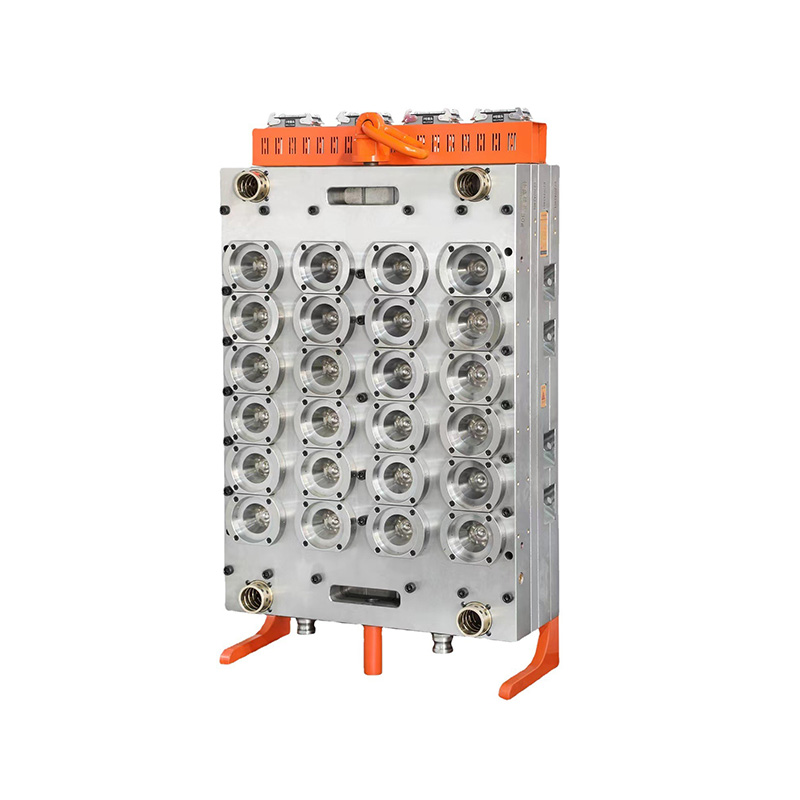
The 24-cavity preform mold is a handy tool for turning out PET bottle preforms. ...
See Details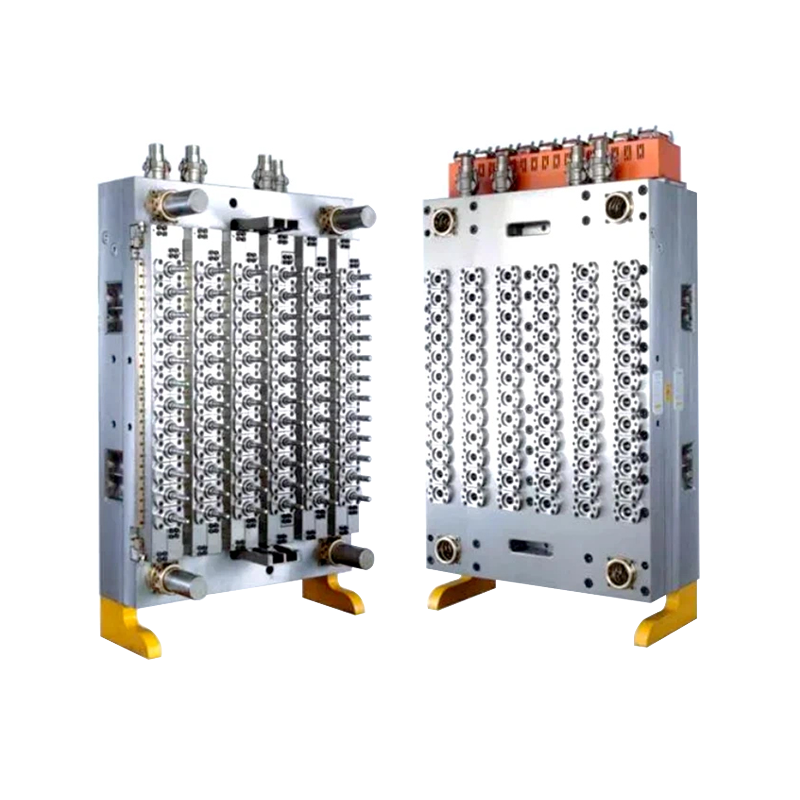
The 72-Cavity Preform Mold(Mould) is a solid, no-nonsense choice when you need t...
See Details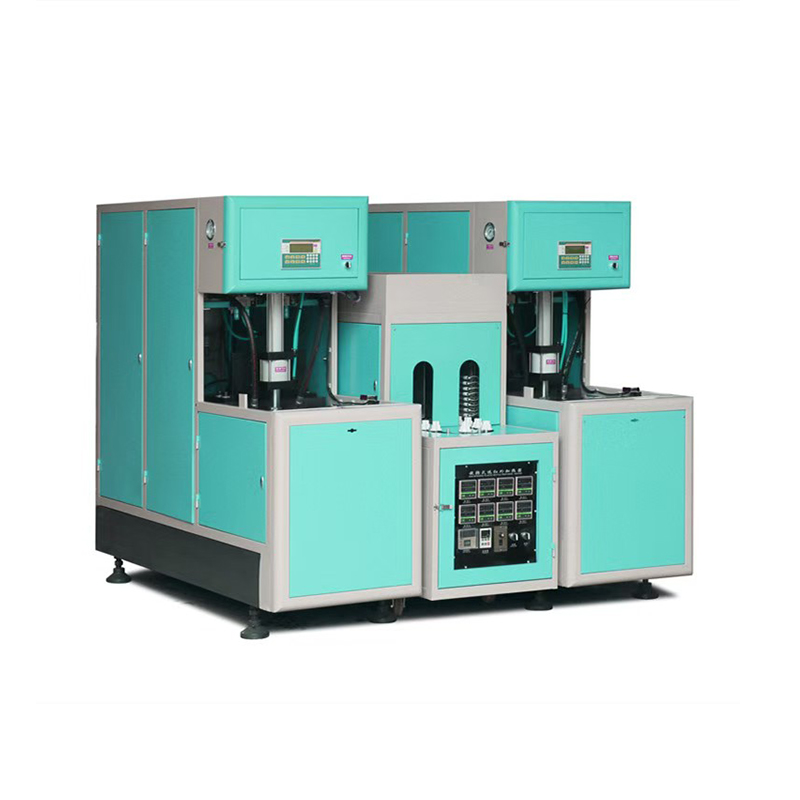
Semi-Automatic Blowing Machines are specialized machines used in the production ...
See Details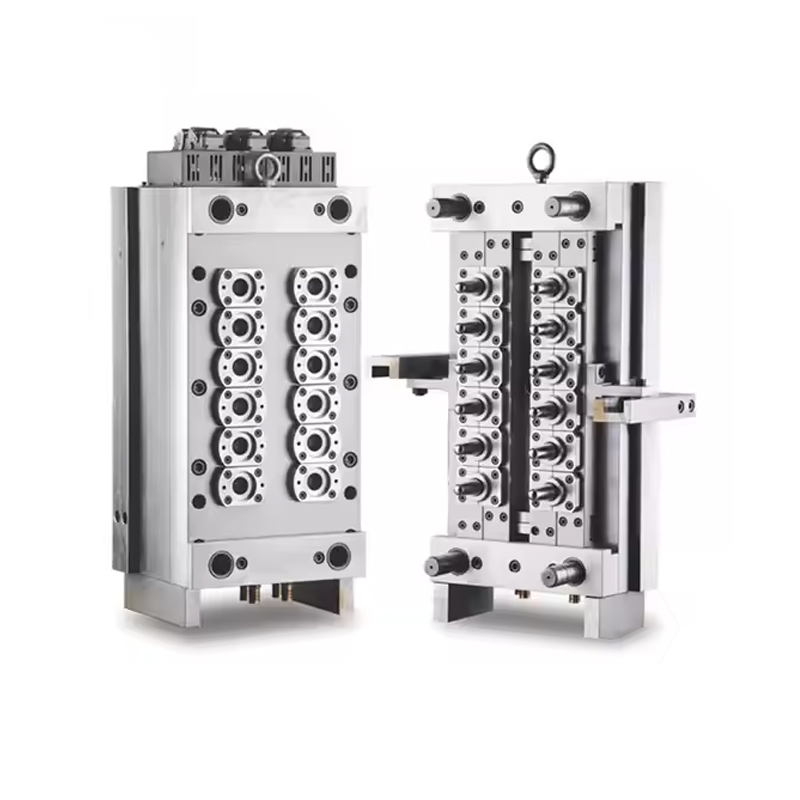
The 12-Cavity PET Preform Mold is a high-quality, durable solution designed to m...
See Details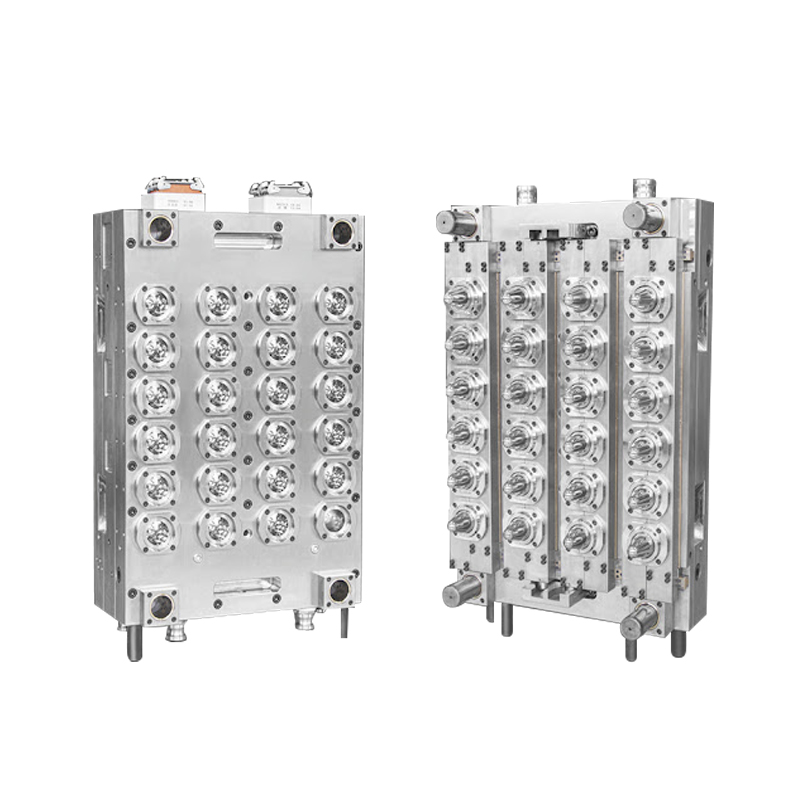
The 24-cavity wide-mouth mold is a precision tool designed for producing wide-mo...
See Details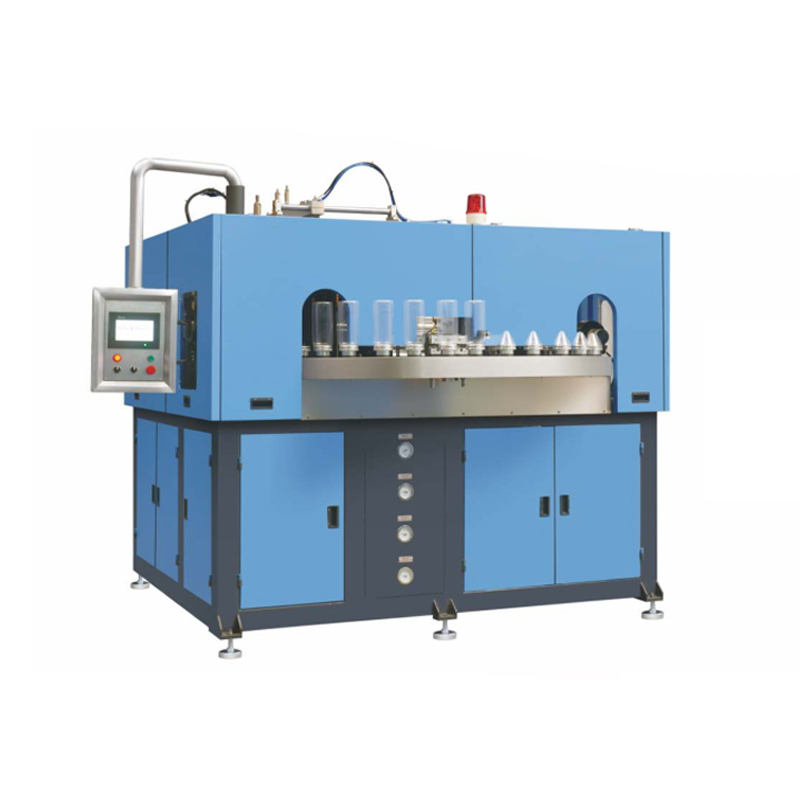
The hand-feeding blowing machine is an efficient tool designed for producing hig...
See Details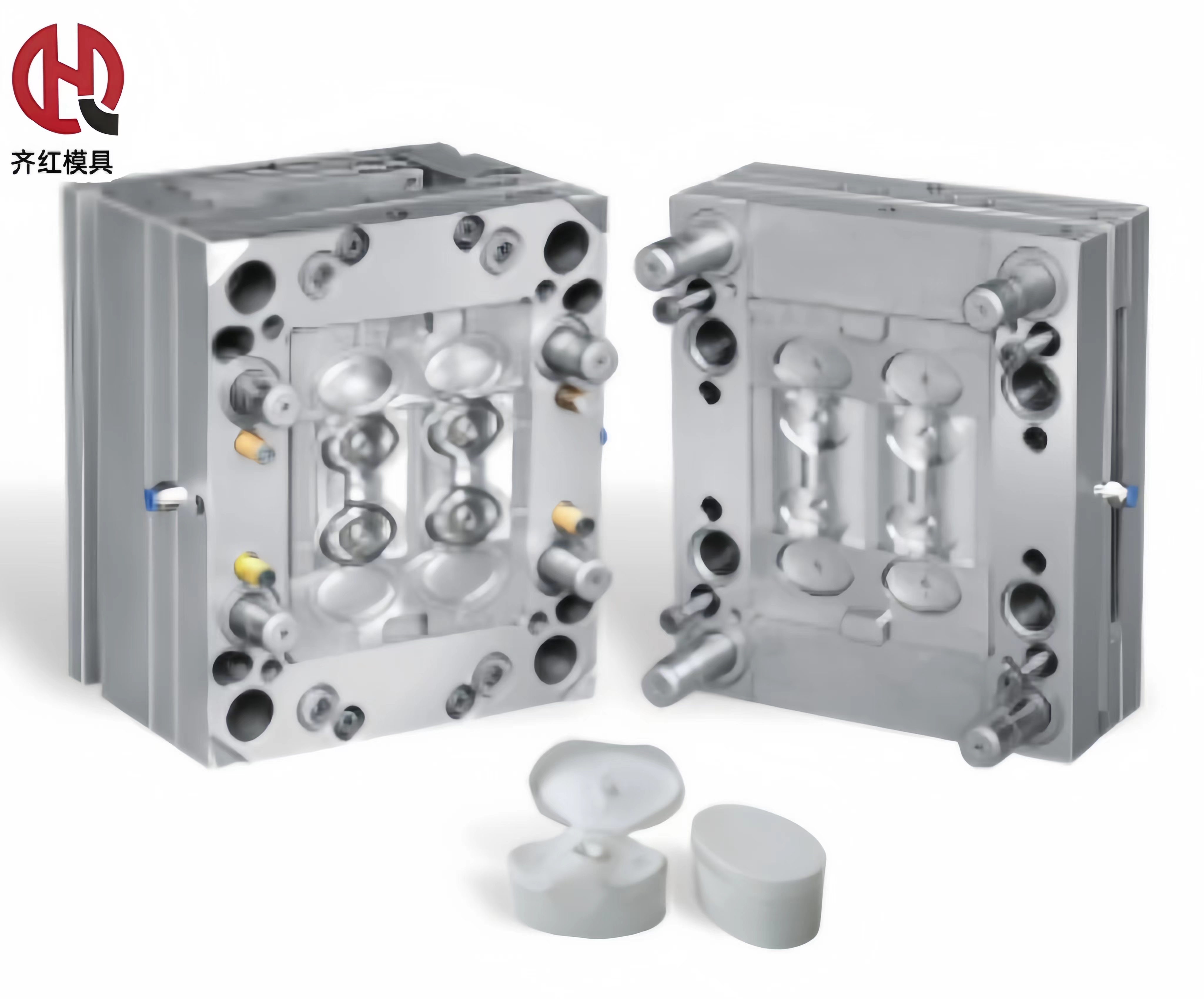
Plastic Cap Mould is designed for high precision plastic cap production. The Chi...
See Details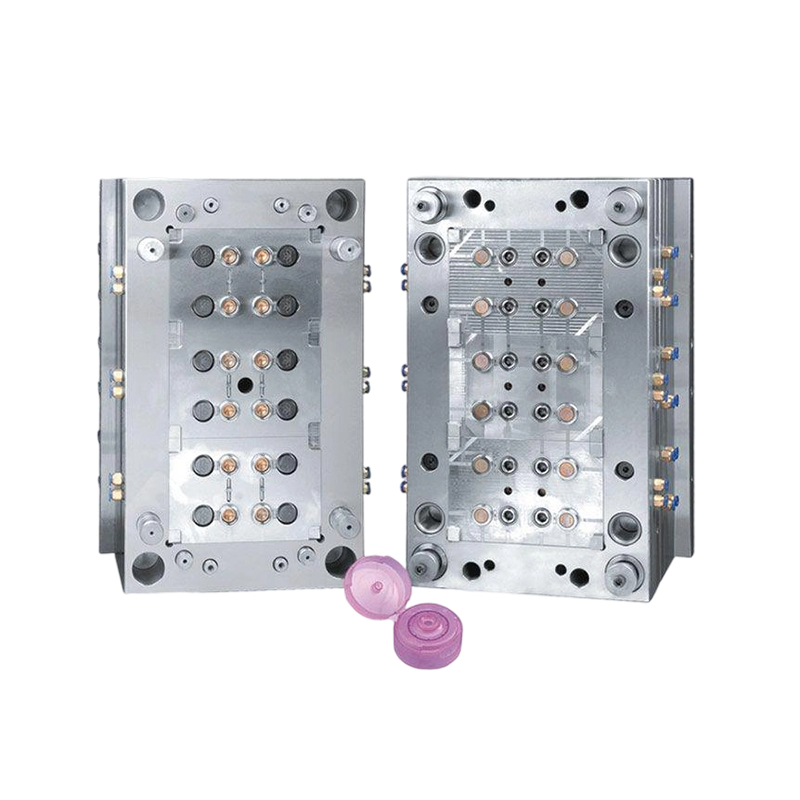
Flip Top Cap also know as Flip Top Caps & Cap mould Stopper Cap is one of ty...
See Details
WhatsApp:+(86) 13957659071 / +(86) 18158637057 / +(86) 15395760157


ADD:Baige Science and Technology Park, Huangyan District, Taizhou City, Zhejiang Province, China.