English
 русский
 عربى
عربى


72-Cavity Preform Mold(Mould)
The 72-Cavity Preform Mold(Mould) is a solid, no-nonsense choice when you need t...
See Details


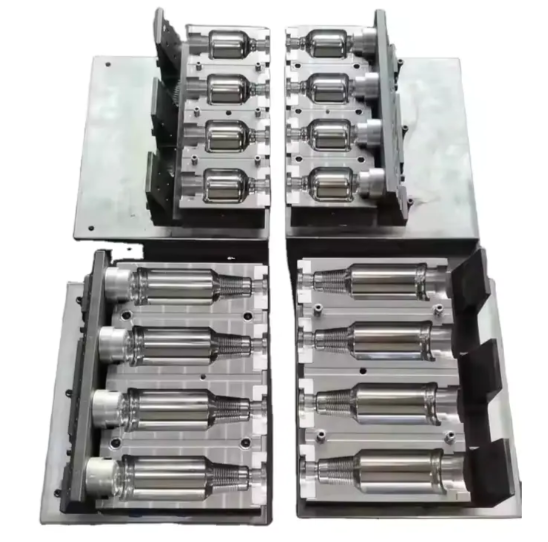
Plastic bottles are everywhere. From beverages to oils, from household liquids to chemicals, they are part of daily life. People expect them to be light, strong, and easy to handle. And they expect consistency. One bottle should look and feel just like the next.
Bottle production has changed a lot over time. Older methods relied on heavier, rigid moulds. They were fine for certain shapes, but inflexible. Modern Bottle Blowing Moulds are built for precision and stability. Designed to work well with machines, preforms, and material. They aim for repeatable results, cycle after cycle.
Some points make a big difference:
When all of these work together, production lines run smoother. Defects are minimized. Material is saved. Waste is reduced. A mould becomes more than a tool. It's part of a system. Part of a workflow. A partner to the Bottle Blowing Mould Factory, keeping output consistent and reliable.
Even small details matter. Slight misalignment or uneven heating can create weak spots or visual flaws. That's why modern designs focus on both durability and adaptability. The goal isn't just a bottle. It's an efficient, repeatable process. A process that works quietly behind the scenes but makes a noticeable difference in quality and speed.
Not all bottles are the same. Different uses require different shapes, wall thicknesses, and features. A good Bottle Blowing Mould adapts to those needs. But it must match the design closely. Otherwise, even small errors can ruin a bottle.
Mineral Water and Purified Water Bottles
Carbonated and Functional Beverage Bottles
Edible Oil Containers
Household and Daily Chemical Bottles
A mould that can adapt to all these types reduces waste and downtime. Even minor mismatches in cavity design can lead to issues like uneven walls, weak spots, or visual defects.
A mould's design depends heavily on the preform it will shape. Size, weight, and shape are all important.
Neck and Cavity Matching
Weight Categories
| Bottle Type | Preform Weight | Wall Thickness | Special Mould Feature |
|---|---|---|---|
| Mineral Water | Light | Thin | Narrow-neck, smooth cavity |
| Carbonated Beverages | Medium | Moderate | Reinforced base, precise neck finish |
| Edible Oil | Heavy | Thick | Handle shaping, large cavity |
| Household Chemicals | Variable | Variable | Custom shapes, pattern reproduction |
Efficiency depends on several things. Cooling, surface treatment, and automation all play a role.
Cooling System
Surface and Wear
Automation
A mould's design can make or break production efficiency. Even with a fast machine, a poorly designed mould slows things down. Proper cooling, material flow, and alignment make the difference between smooth production and constant troubleshooting.
Producing bottles quickly is more than just turning a machine faster. The mould itself must support high-speed operation. A strong frame, precise alignment, and stable structure help prevent vibration or misalignment that can ruin bottles.
Structural Design for High-Speed Blowing
Multi-Cavity Layout Optimization
Energy and Operational Considerations
Multi-cavity moulds are particularly valuable for large factories. They increase output without increasing floor space. At the same time, careful design keeps every bottle meeting quality standards.
A mould's performance depends on how it's made and maintained. Material selection, machining accuracy, and assembly all matter.
Material Selection
Precision Machining and Assembly
Maintenance and Lifecycle
Regular inspection and minor adjustments prevent small issues from becoming bigger problems. Even the best Bottle Blowing Mould needs attention to maintain its performance on a busy production line.
The industry continues to evolve. Lightweight bottles remain a priority. Factories aim to reduce material use while keeping strength. Sustainability is another focus. Moulds are designed to work with recycled materials without compromising quality.
Flexibility is growing in importance. Modular mould designs allow changes in bottle shape or volume without building entirely new equipment. This adaptability is useful for a Bottle Blowing Mould Factory serving multiple clients with varied needs.
Modern moulds are about efficiency, reliability, and adaptability. They support production lines in delivering bottles that are consistent, functional, and visually appealing.
Choosing the right Bottle Blowing Mould is about more than just fitting a preform. It affects every aspect of production—speed, quality, energy use, and flexibility. A well-designed mould works in harmony with the machine, the material, and the factory's workflow.
At the same time, it supports a variety of bottle types—from lightweight water bottles to thick-walled oil containers and custom chemical bottles. Maintaining these moulds properly ensures steady output and long-term reliability.
Taizhou Qihong Mold Co., Ltd. has long focused on developing moulds that balance these factors, offering solutions that combine durability, efficiency, and adaptability in one tool.
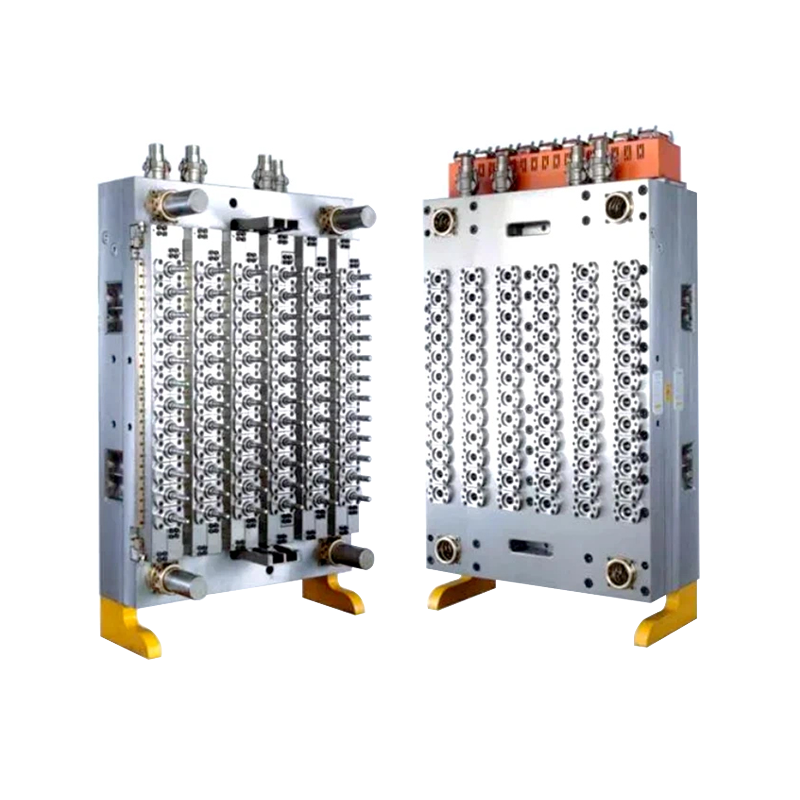
The 72-Cavity Preform Mold(Mould) is a solid, no-nonsense choice when you need t...
See Details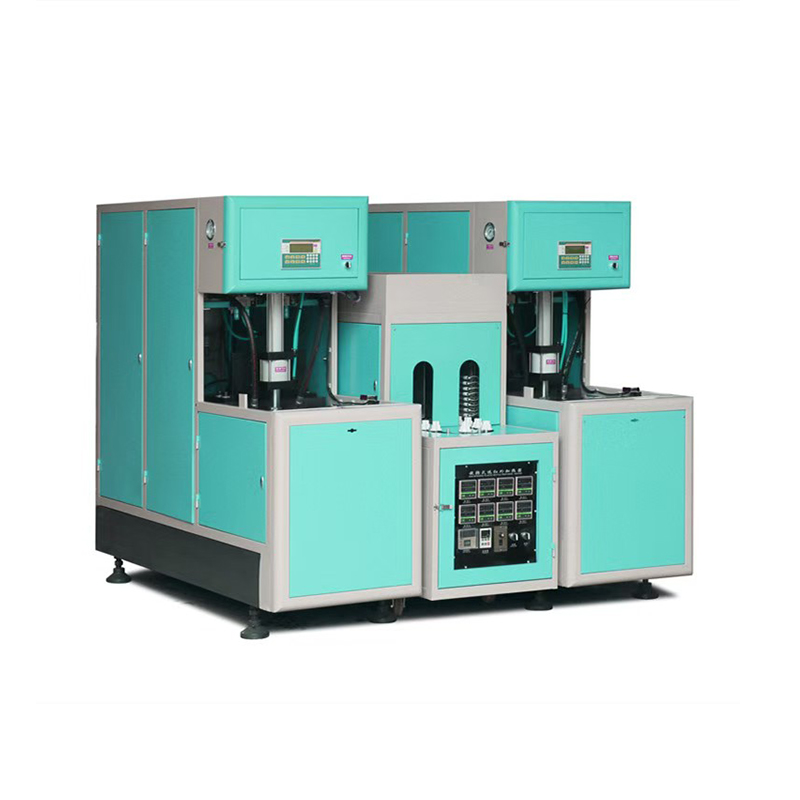
Semi-Automatic Blowing Machines are specialized machines used in the production ...
See Details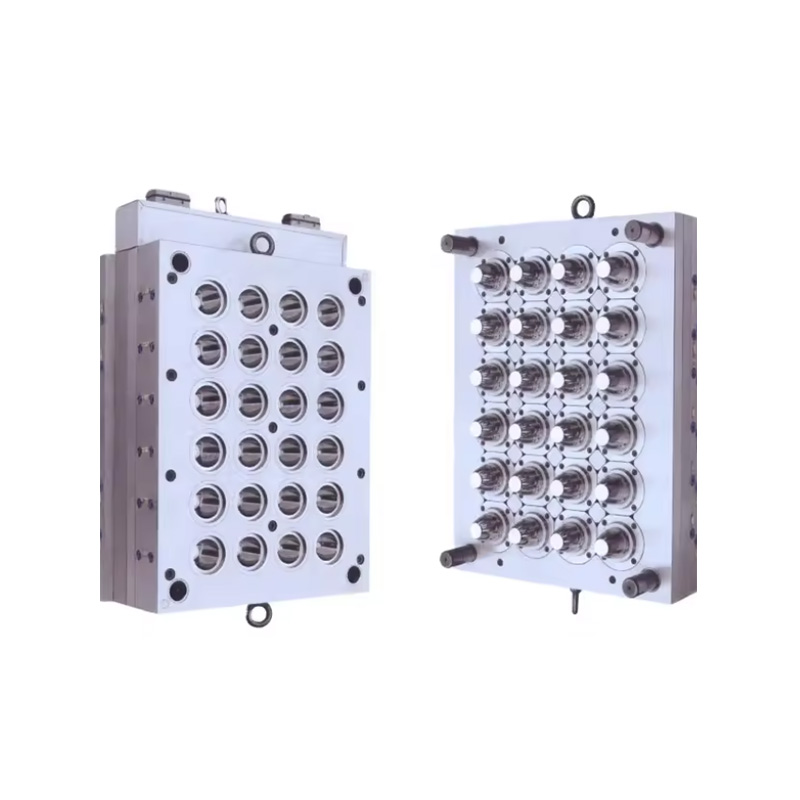
A Bottle Cap Mold is a precision tool used in the manufacturing of bottle caps. ...
See Details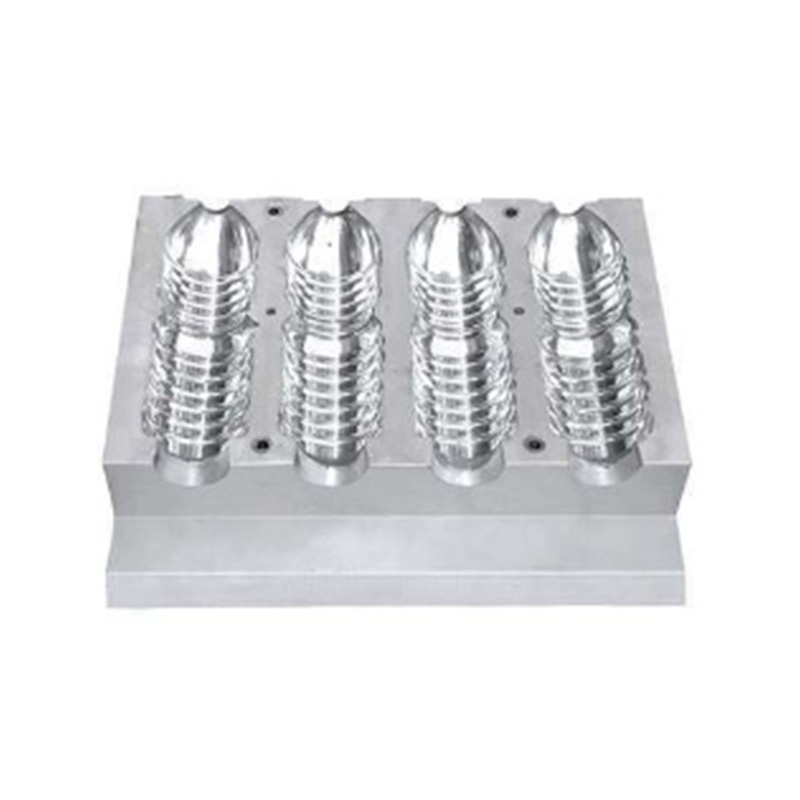
Product Name: Water/Beverage Bottle Mold A Water/Beverage Bottle Mold is a speci...
See Details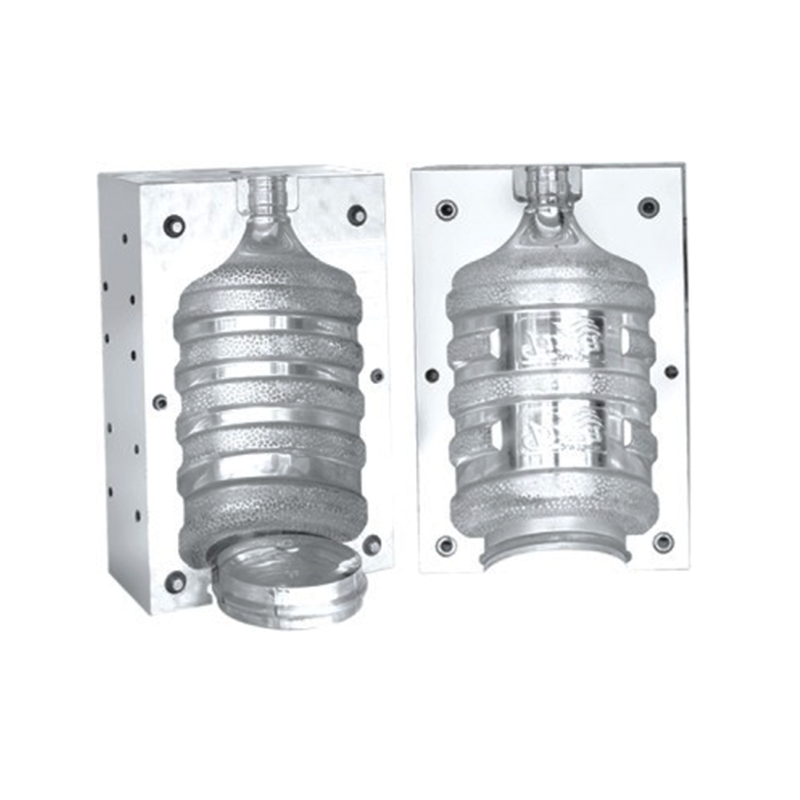
This Five Gallons Bottle Mold(Mould) comes straight out of Taizhou, Zhejiang—bui...
See Details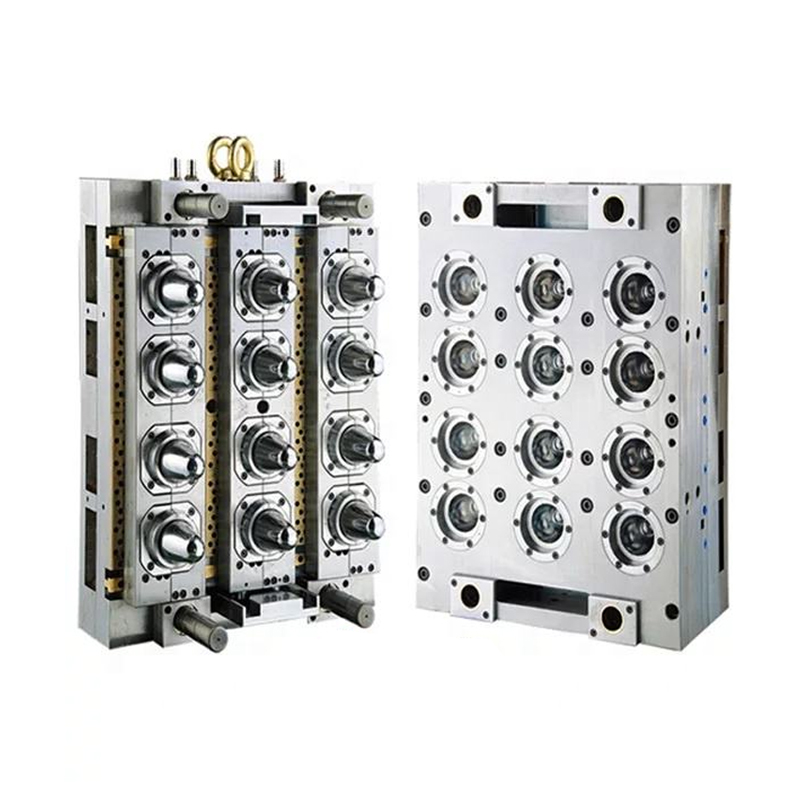
The 12-Cavity Wide-Mouth Mold(Mould) is made for manufacturers running wide-mout...
See Details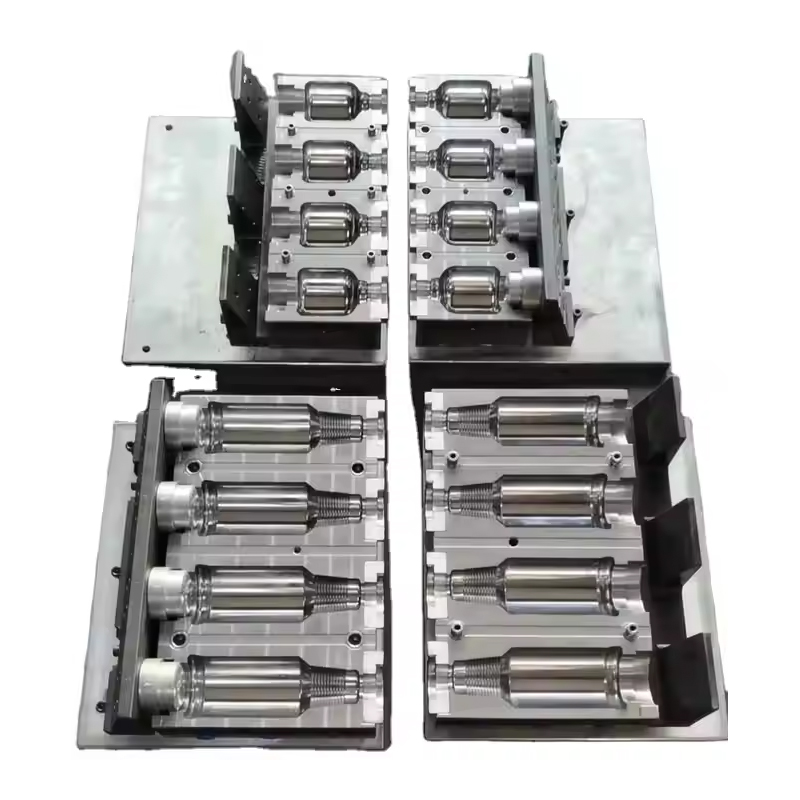
Our Cosmetic Bottle Mold is engineered for precision, reliability, and durabilit...
See Details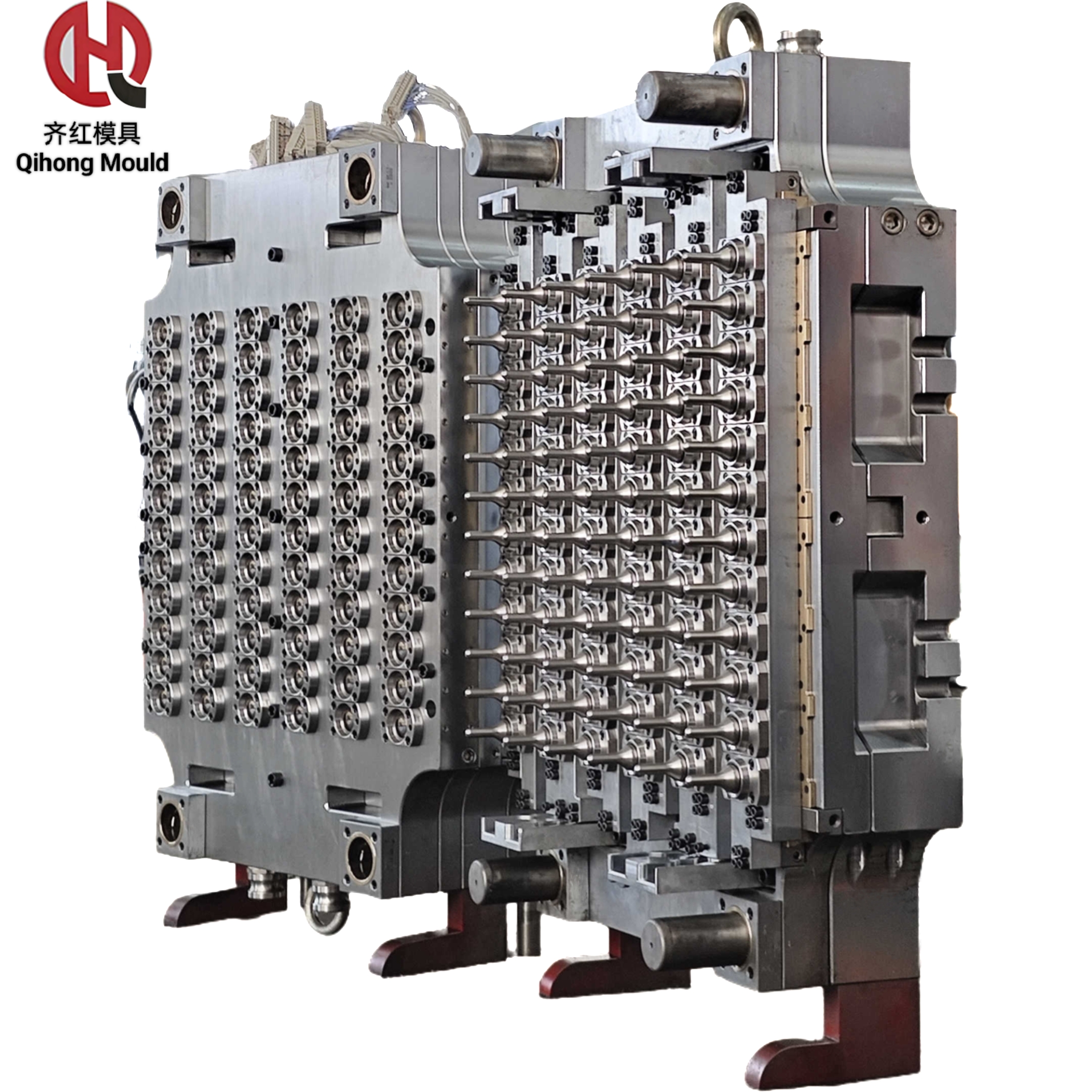
PET Preform Mold Design focuses on high precision structure and stable productio...
See Details
WhatsApp:+(86) 13957659071 / +(86) 18158637057 / +(86) 15395760157


ADD:Baige Science and Technology Park, Huangyan District, Taizhou City, Zhejiang Province, China.