English
 русский
 عربى
عربى


Water/Beverage Bottle Mold(Mould)
Product Name: Water/Beverage Bottle Mold A Water/Beverage Bottle Mold is a speci...
See Details


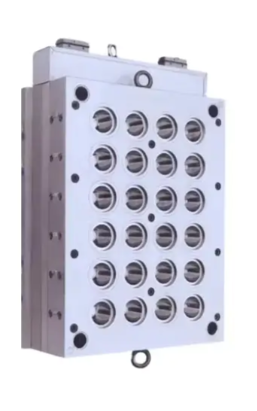
Walk through any supermarket aisle or look at the shelves in a convenience store, and you'll see dozens of plastic bottles—water, soda, juice, cooking oil, shampoo, laundry detergent. Almost every one of them started as nothing more than a small, test-tube-shaped piece of plastic called a preform.
The job of turning that little preform into the finished bottle you buy happens inside a Bottle Blowing Machine. These machines run day in and day out in factories large and small. They help keep production steady, bottles consistent, and costs manageable.
At Taizhou Qihong Mold Co., Ltd. , we build molds and supply related equipment that works hand-in-hand with these blowing machines.
In everyday terms, a Bottle Blowing Machine is the piece of equipment that takes a small plastic preform and "blows" it into the shape of a full bottle. Think of it like inflating a balloon inside a shaped box—the balloon expands until it presses against the walls and takes on the exact form of the box.
The basic parts you'll find on most machines are:
There are two broad ways these machines operate.
Most PET bottle production uses what we call the stretch-blow method: heat the preform, stretch it lengthwise with a rod, then blow it with air. That combination gives strong, thin, even walls—perfect for carbonated drinks or lightweight water bottles.
The other approach uses less heating and relies more on mechanical stretching plus very controlled air pressure. It's less common for standard beverage bottles but shows up in applications where precise wall thickness or special materials are needed.
The process is straightforward when you break it down into steps. Everything happens in sequence, and each step depends on the one before it.
The small plastic tube gets placed into the machine—either by hand on smaller semi-automatic models or automatically on high-speed lines.
The preform moves through the heating zone. Infrared lamps warm only the main body of the preform; the neck stays cool so the threads and the finish don't deform. Get the heat wrong—too little and the plastic won't stretch well; too much and it can sag, burn, or thin out in spots. Operators spend a lot of time dialing this in.
Once the body is soft, a metal stretch rod comes down from above and pulls the preform longer. This lengthwise stretch distributes the plastic material more evenly so you don't end up with a bottle that's paper-thin in one place and thick in another. Proper stretch rod timing and speed are what make the bottle feel strong and uniform when you hold it.
High-pressure air (often 30–40 bar) rushes in through the neck. The soft plastic expands quickly and presses tight against the cold mold surfaces. That's when the bottle takes on its final shape—the curves of the shoulder, the flat panels for labels, the base design, everything.
Air circulates inside the bottle, or sometimes cooling channels in the mold pull heat away. The plastic hardens fast enough that the bottle keeps its shape when the mold opens. If cooling is too slow, the bottle can warp or shrink unevenly.
| Stage | Purpose | Effect on Bottle | Notes |
|---|---|---|---|
| Heating | Make preform pliable | Ensures smooth stretching | Temperature must be controlled |
| Stretching | Lengthen preform | Achieves uniform wall thickness | Rod/piston alignment is critical |
| Blowing | Shape bottle in mold | Defines size and contours | Air pressure consistency matters |
| Cooling | Set bottle structure | Stabilizes bottle for handling | Rapid cooling prevents deformation |
These machines are more versatile than many people realize. With the right mold and some adjustments to settings, the same machine can produce quite a range of containers.
Most of the time you see them making PET bottles—single-serve water, 2-liter soda, juice, edible oil, household cleaners, even some pharmaceutical or cosmetic bottles.
Some setups run other plastics like HDPE for milk jugs or PP for thicker containers that need more durability.
Size-wise, machines handle everything from tiny 30–50 ml sample bottles up to 5-gallon water jugs, though very large containers often need specialized machines with bigger molds and stronger blowing systems.
Production speed varies a lot too. A small semi-automatic machine might turn out 800–2,000 bottles per hour. A fully automatic line with multiple cavities can reach 12,000–20,000+ bottles per hour on standard sizes.
Absolutely. One of the big reasons companies invest in these machines is the ability to create bottles that look different from the standard round ones.
You can produce:
Changing from one design to another usually means swapping the mold set. On newer machines with quick-change systems, a mold swap can take as little as 20–40 minutes once the team is experienced. On older or simpler machines, it might take a couple of hours because of alignment and clamping adjustments.
Very complex shapes—think bottles with built-in handles or extreme undercuts—sometimes need extra engineering in the mold or a two-stage process. But for the majority of custom beverage, oil, or personal-care bottles, a standard stretch-blow machine handles it well as long as the preform and mold are matched correctly.
When something is off, you see it right away in uneven walls, cracks, or warped bases. That's why operators treat the settings like a recipe: follow it closely, and the results stay reliable shift after shift.
How many bottles a Bottle Blowing Machine can turn out in a shift isn't just about how fast the machine runs. A lot of things come into play at the same time.
The number of cavities in the mold is usually the biggest factor. A single-cavity mold makes one bottle per cycle. A six-cavity mold makes six at once. More cavities push output way up, but then the heating has to be dead even across all preforms, and the air has to reach every mold section the same way. If one spot gets a little less heat or air, you start seeing rejects.
Heating speed matters a lot too. The preform has to get soft enough to stretch and blow without taking forever. Too slow, and the whole cycle drags. Too fast or uneven, and some preforms overheat while others stay stiff—either way you get bad bottles.
Air pressure has to stay steady. Most machines run around 30–40 bar for the main blow. If the pressure dips or spikes, the bottle walls come out thin in places, thick in others, or the base doesn't form right.
Then there's how automated the machine is. A fully automatic line feeds preforms, loads them, blows them, cools them, and ejects them with almost no one touching anything. That keeps the pace high and cuts down on human mistakes. Semi-automatic machines need an operator to load preforms or take bottles out by hand. They're slower overall, but they're easier to set up for small runs or odd shapes, and they cost less to buy and run at first.
The way the whole line is laid out makes a difference too. If preforms feed smoothly into the heater, bottles drop straight to a conveyor, and cooling air moves without bottlenecks, everything flows better. A cramped or poorly planned setup adds little delays that add up over thousands of cycles.
| Factor | Impact on Production | Notes |
|---|---|---|
| Mold Count | More bottles per cycle | Requires uniform heating |
| Heating Speed | Faster heating increases output | Uneven heating can cause bottle defects |
| Air Pressure | Consistent inflation | Fluctuations reduce quality |
| Automation Level | Reduces manual handling and errors | Semi-automatic machines allow flexibility |
| Workflow Arrangement | Smooth transitions between stages | Efficient layout improves overall efficiency |
Running one of these machines day after day comes down to paying attention to the basics.
Keep an eye on temperature every shift. The heating lamps or oven should warm the preform body evenly—neck stays cool, body gets soft but doesn't droop. A quick check with an infrared thermometer can catch problems before you waste a bunch of preforms.
Molds need regular care. Wipe them down after each run to get rid of plastic residue. Look for scratches, burrs, or bits of flash that can mark the bottle or make it stick. A clean mold means smoother release and better-looking bottles.
Air pressure needs checking too. Make sure regulators aren't drifting and there are no leaks in hoses or fittings. Even a small leak drops pressure enough to make bottles look half-formed.
Operator training goes a long way. Someone who knows the machine can spot a slight change in sound, a bottle that looks a little off, or a lamp starting to dim—and fix it before it turns into a pile of scrap.
Other everyday things:
No machine runs perfectly all the time. Stuff happens. Knowing the usual suspects saves hours of downtime.
Uneven wall thickness is probably the most common complaint. Usually comes from uneven heating—one side of the preform gets hotter—or the stretch rod not going in straight. Fix is often just tweaking the lamp positions or checking rod alignment.
Bottle deformation—warped bases, crooked necks, or sagging shoulders—often points to mold halves not closing perfectly or cooling that's too slow. Re-align the mold or increase cooling air flow and it usually straightens out.
Air leaks show up as bottles that don't fully form or have soft spots. Listen for hissing around valves, fittings, or the blow nozzle. Tighten connections or replace worn seals and the problem goes away.
Mold wear builds up slowly. Scratches or pitting on the cavity surface start leaving marks on the bottle. Polishing the mold or replacing worn inserts brings the finish back.
The best approach is preventive. A 10-minute check at shift start—lamps, pressure, mold cleanliness—catches most things early. Small fixes beat big repairs every time.
The machines keep getting smarter and more efficient.
Automation is moving forward fast. More lines now have robots or conveyors that handle preform loading, bottle take-out, and even basic quality checks with cameras. Less manual work means steadier output and fewer tired-operator mistakes.
Energy use is coming down. Newer heating systems focus infrared better so less power is wasted. Air compressors are getting smarter too—variable speed drives only run hard when needed. Over a year that adds up to real savings on the electric bill.
Smart sensors are showing up everywhere. They watch mold temperature, air pressure, cycle times, even vibration. If something starts drifting, the system can alert the operator or slow down before a defect gets bad. Some setups predict when a part will wear out so you can order spares ahead of time.
Material handling is more flexible now. Machines that used to run only standard PET can now switch to recycled PET blends or lighter-weight preforms with minor adjustments. That helps factories meet new packaging rules or customer requests for greener bottles.
Modular setups are gaining ground too. Quick-change mold systems let you swap from a 500 ml round bottle to a 1-liter square one in under an hour. Shorter changeover times mean smaller runs are practical—no need to wait for a huge order to justify the setup.
| Trend | Effect on Production | Notes |
|---|---|---|
| Automation Upgrades | Reduces manual intervention | Consistent quality |
| Energy Efficiency | Lower energy costs | Optimized heating and air systems |
| Smart Monitoring | Predictive maintenance | Reduces unexpected downtime |
| Material Flexibility | Supports diverse bottle types | Allows for custom or complex designs |
| Modular Mold Systems | Faster changeover between bottle designs | Minimizes production interruptions |
A Bottle Blowing Machine isn't flashy, but it's the heart of most plastic bottle production. It takes a plain preform and turns it into something that holds drinks, oils, cleaners, or whatever else people buy every day.
When you get the capacity right—matching mold count, heating, air, and automation to your real needs—and keep up with the day-to-day care, the machine runs reliably for years.
Watch the common trouble spots, train people well, and stay open to new features like better sensors or quicker mold changes. That way the line stays productive, waste stays low, and you're ready when customers ask for different shapes or recycled materials.
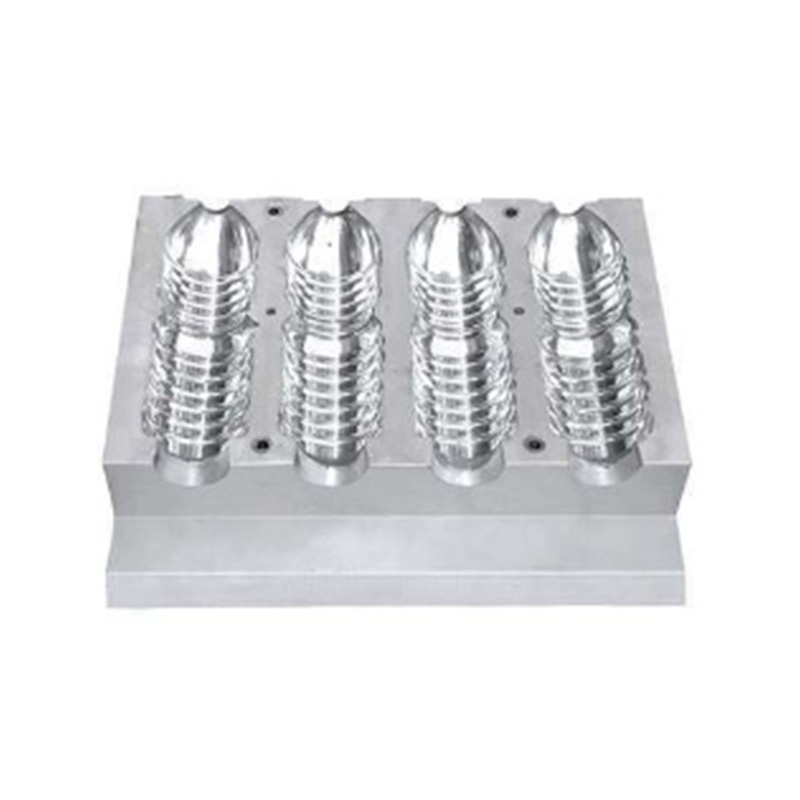
Product Name: Water/Beverage Bottle Mold A Water/Beverage Bottle Mold is a speci...
See Details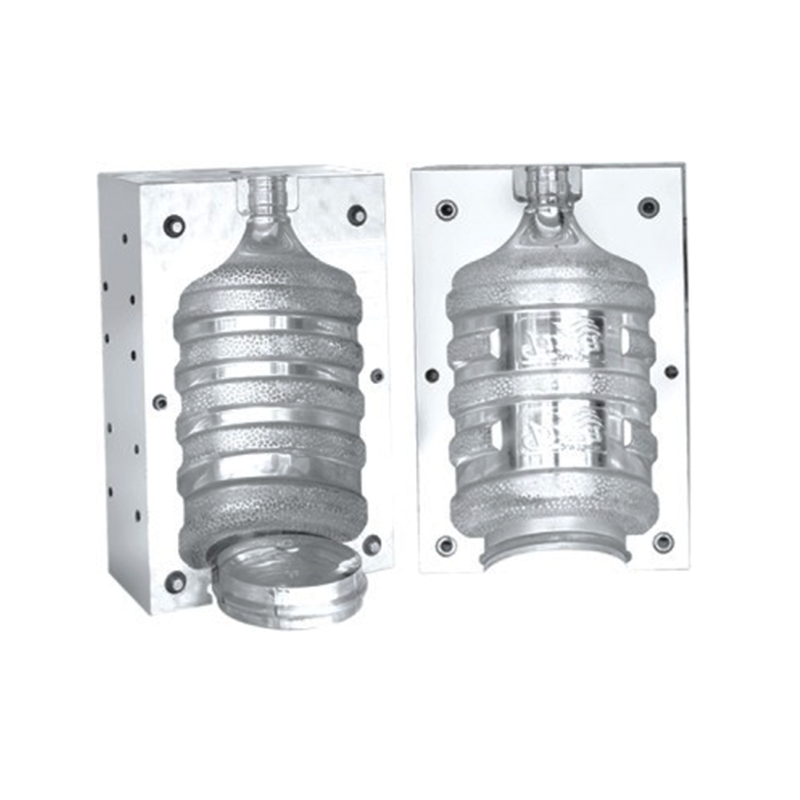
This Five Gallons Bottle Mold(Mould) comes straight out of Taizhou, Zhejiang—bui...
See Details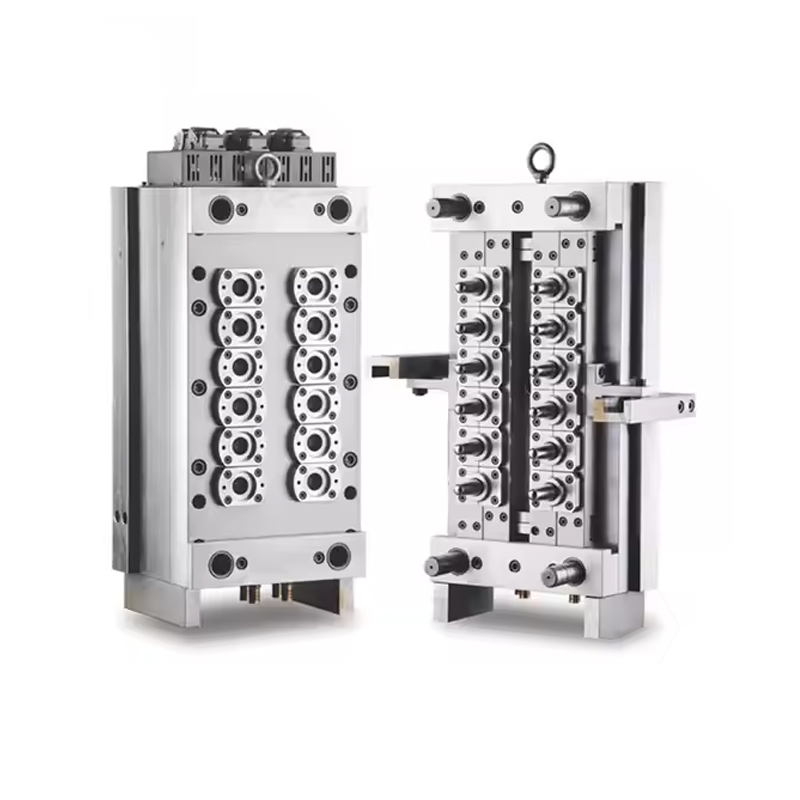
The 12-Cavity PET Preform Mold is a high-quality, durable solution designed to m...
See Details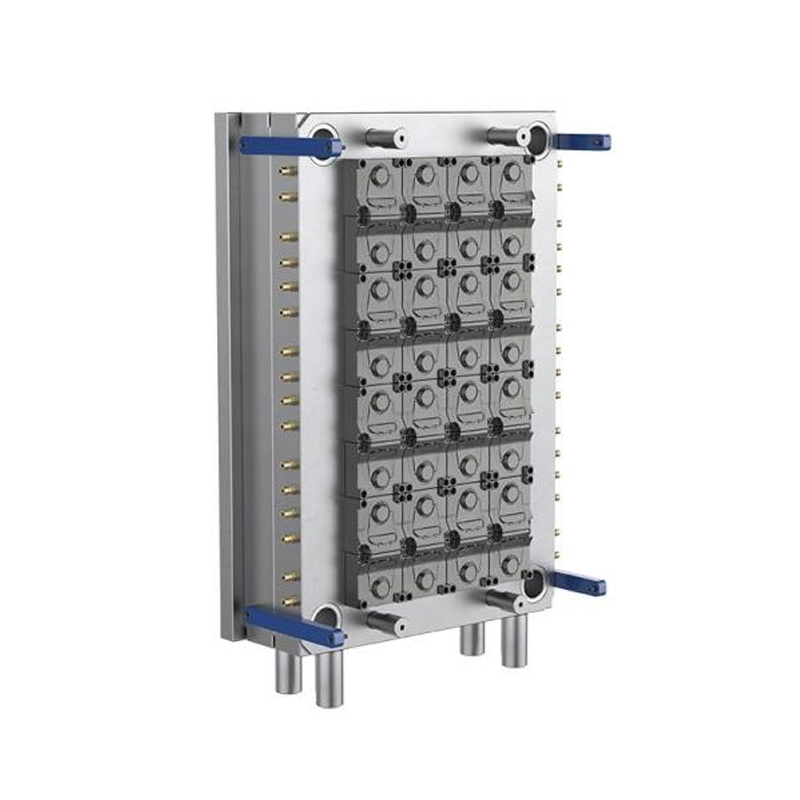
A Handle Mold is a specialized mold used in the manufacturing of plastic handles...
See Details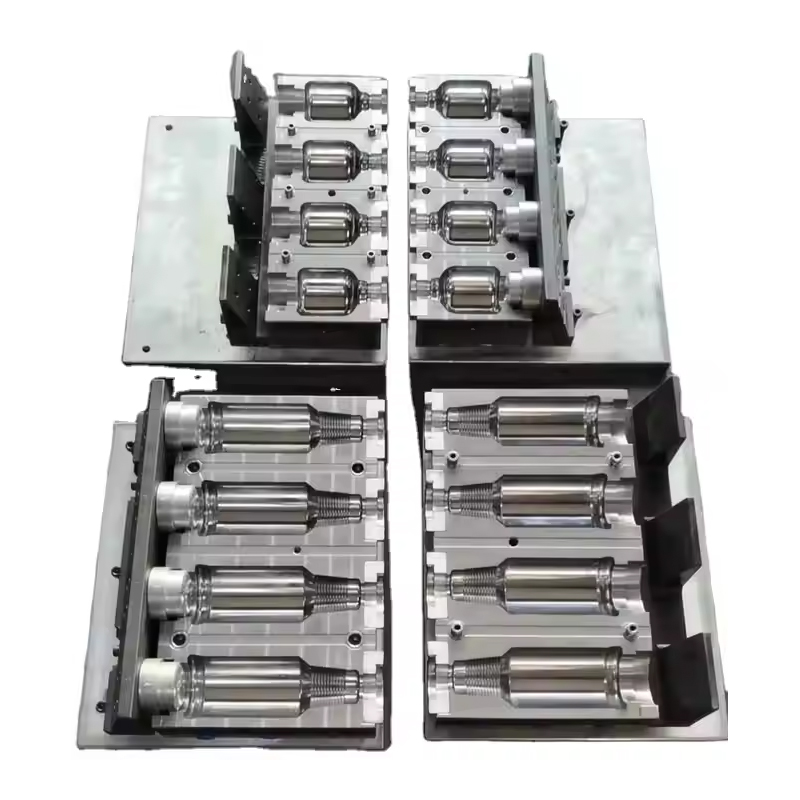
Our Cosmetic Bottle Mold is engineered for precision, reliability, and durabilit...
See Details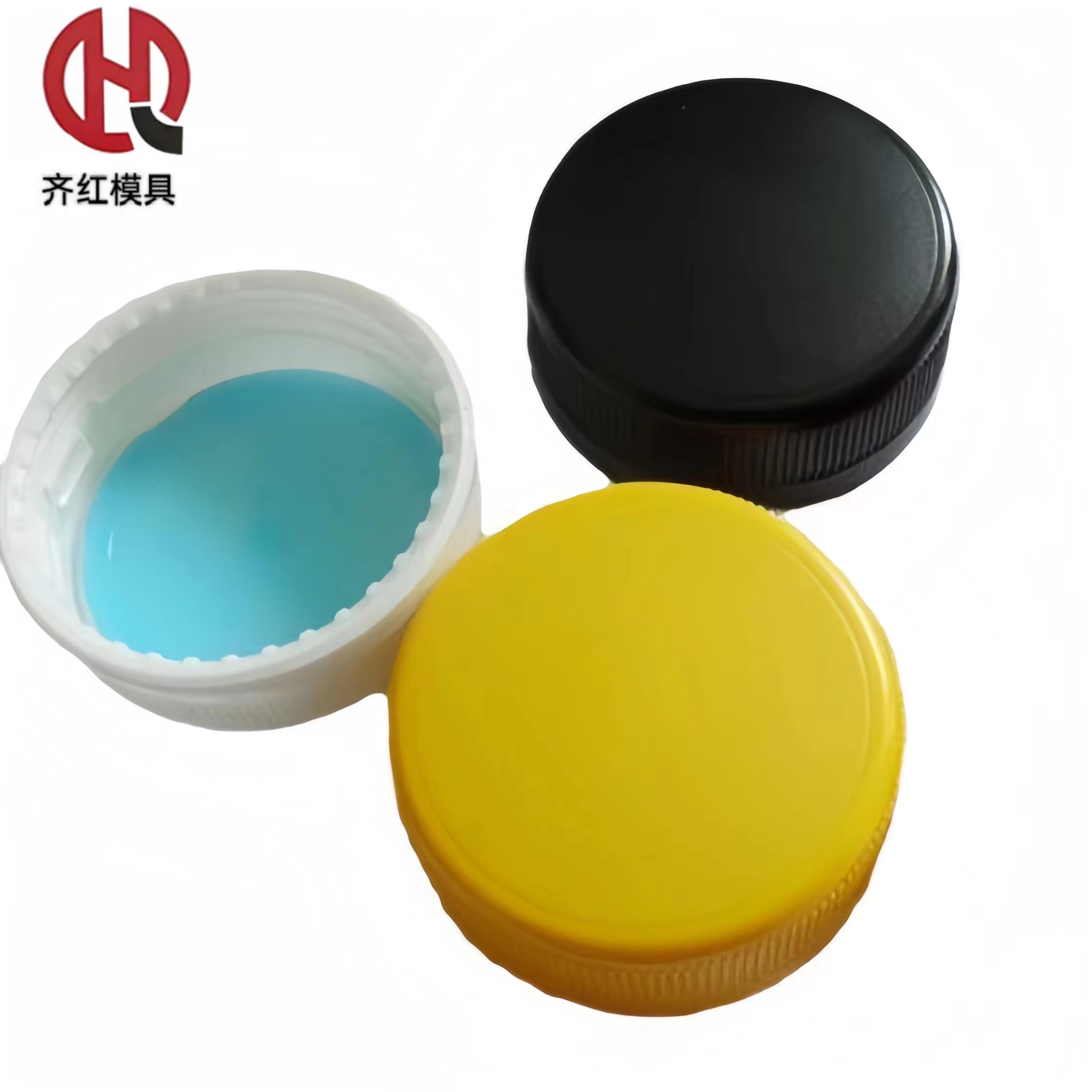
Mould Specifications Product : Cap Mould Brand : Taizhou QihongMould Co.,L...
See Details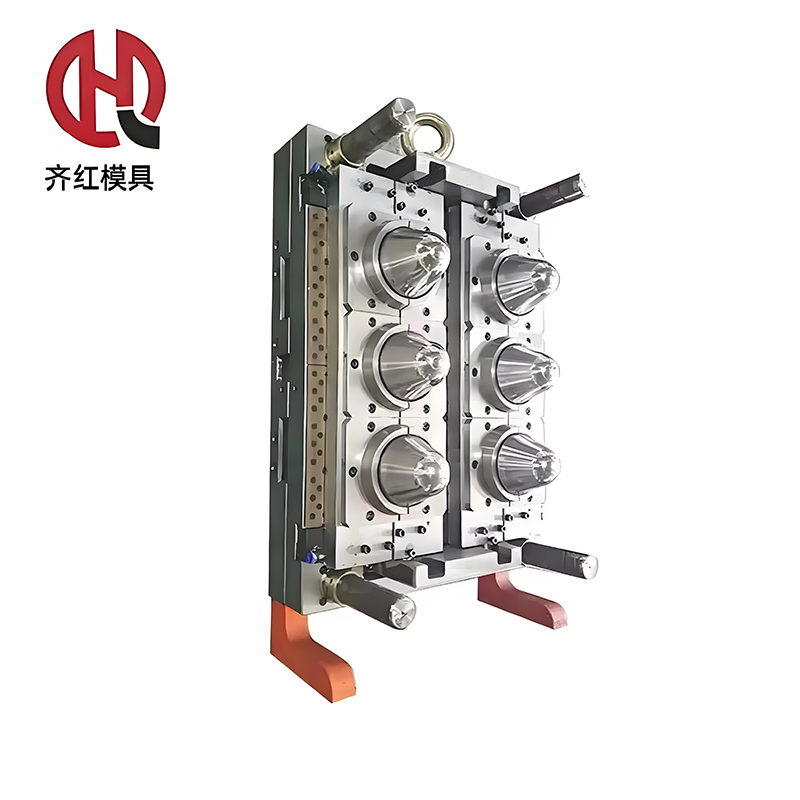
Water and beverage preform mold, Edible oil preform mold, Preform Mold for cosme...
See Details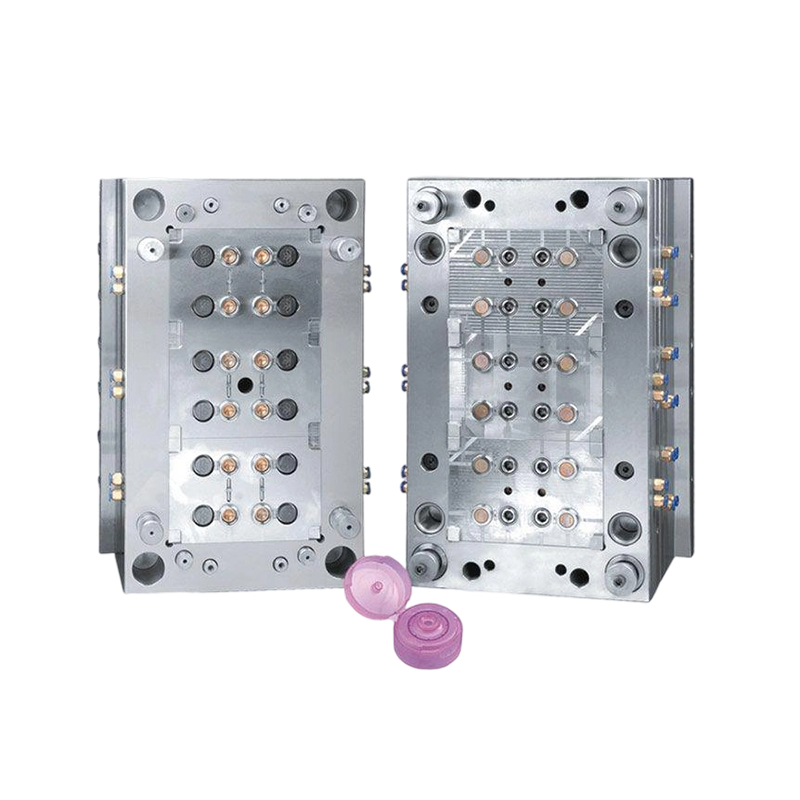
Flip Top Cap also know as Flip Top Caps & Cap mould Stopper Cap is one of ty...
See Details
WhatsApp:+(86) 13957659071 / +(86) 18158637057 / +(86) 15395760157


ADD:Baige Science and Technology Park, Huangyan District, Taizhou City, Zhejiang Province, China.