English
 русский
 عربى
عربى


48-Cavity Preform Mold(Mould)
The Qihong 48-Cavity Preform Mold(Mould) is the ideal choice for high-volume PET...
See Details


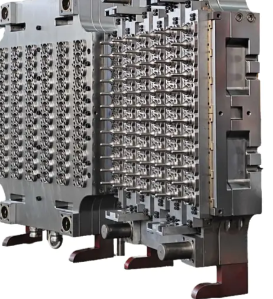
Plastic bottles show up just about everywhere these days—think water, sodas, cooking oils, cleaning stuff, even sauces. Every one of those bottles comes from a careful forming process, and right at the center of it sits the Plastics Mould. This tool shapes the heated preform into the final bottle shape. How the mould is built, what it's made from, and how accurately it's machined all play into how smoothly production runs and how good the bottles turn out.
Factories count on solid moulds to keep up with orders and deliver bottles that look and perform the same way every time. Picking the right Plastics Mould Factory matters too—it affects how quickly you get the tool, what kind of custom tweaks are possible, and how long the mould holds up on the line. Taizhou Qihong Mold Co., Ltd. works in this space, focusing on mould design and build to handle different kinds of bottle needs.
Getting a handle on how these moulds operate, which bottles they pair well with, and the main things to watch during use helps manufacturers set up lines that run steadier and avoid a lot of surprise headaches.
A Plastics Mould is basically the metal form that gives plastic its bottle shape. It has a few main parts:
These moulds get used mainly in injection moulding for preforms, then stretch blow moulding to turn those preforms into bottles. The mould's accuracy controls wall thickness, how symmetrical the bottle is, and whether everything stays even. If the mould isn't up to par, bottles can come out with uneven walls, crooked necks, or rough spots that hurt how they look on shelves or how they hold up.
A good Plastics Mould Factory does more than just deliver the mould. It handles precise cavity machining, uses durable steels or alloys that stand up to heat and pressure cycles, and offers support for switching between sizes or designs without constant rework.
Not every bottle is the same, so moulds get tailored to fit. Common ones include:
Some bottles need extras built right in:
A mould built with some flexibility lets one blowing machine handle several bottle styles—just swap inserts or adjust settings, though each change takes a bit of setup time.
Preforms—the tube-like starters—have to line up with the mould for even blowing and good shaping. Key things to match:
Pick the wrong preform size or weight, and you get problems like walls that vary in thickness, necks that sit off-center, or spots that crack later under stress.
Moulds that handle a decent range of preform sizes give more room to adjust production—switch from small single-serve bottles to bigger family sizes without needing a whole new mould.
Speed on the line comes down a lot to the mould itself. Main factors:
Other things that help keep things moving:
| Mould Feature | Effect on Production | Notes |
|---|---|---|
| Number of Cavities | More bottles per cycle | Needs balanced cooling and pressure |
| Cooling Channel Design | Faster hardening | Shorter cycles, better throughput |
| Material Quality | Holds up to wear and heat | Keeps accuracy over long production runs |
| Automation Compatibility | Supports robot loading/ejection | Less manual work, fewer stops |
| Maintenance Access | Quick clean and checks | Less downtime, mould lasts longer |
Getting bottles that match specs every time starts with the mould's precision. Important points:
Keeping up with regular inspections, proper heating/cooling settings, and careful handling during runs makes sure quality holds steady batch after batch. A reliable Plastics Mould Factory builds in these details from the start, so the tool performs consistently without constant tweaks.
When everything lines up—right mould design, matched preforms, solid factory support—production flows better, defects drop, and bottles come out ready for the line without much rework.
Running a Plastics Mould isn't just about hitting the start button—it's about keeping the whole setup in good shape day after day. You have to watch both the blowing machine and the mould itself. Skip the routine stuff, and things start going sideways pretty quick—bottles come out wonky, lines slow down, or worse, you end up with scrap piles.
A few basics make a big difference:
Daily walk-throughs usually cover:
Little things add up. A five-minute check can save hours of downtime or a whole batch of rejects. Stick to a schedule—daily for quick looks, weekly for deeper checks—and the mould lasts longer while running smoother.
Even with good habits, stuff happens on the line. Knowing the usual suspects lets operators fix problems fast instead of shutting down for hours.
Here are some that show up often:
| Issue | Possible Cause | Suggested Action |
|---|---|---|
| Shrinkage / Thin Walls | Uneven heating or cooling | Adjust temps, verify mould alignment |
| Scratches / Surface Marks | Rough cavity, improper handling | Polish mould, adjust ejection speed |
| Air Bubbles / Gas Traps | Poor venting, excessive pressure | Improve vents, lower injection pressure |
| Misaligned Necks / Bases | Worn mould, uneven clamping | Tighten pins, monitor wear, recalibrate |
Jot down what went wrong and what fixed it each time. Over weeks or months, patterns show up—maybe one cavity runs hotter, or certain preform batches cause more bubbles. That info helps tweak settings or even feed back to the mould maker for small improvements next time.
These days, lots of brands want bottles that stand out, not just basic cylinders. Plastics Moulds handle that better than ever, but it takes planning.
Common custom touches:
To pull it off:
Working with a Plastics Mould Factory that does a lot of custom work makes a difference. They can spot issues early—like where a sharp curve might cause weak spots—and suggest tweaks to keep cycles fast and defects low. Collaboration at the design stage saves headaches later.
The field keeps changing as machines get smarter and demands shift.
Some things picking up:
Factories that pick up on these stay flexible—able to jump between standard water bottles one week and custom oil bottles the next, all while keeping quality tight and costs in check.
Plastics Moulds sit at the heart of bottle making. From matching preforms to getting cavities machined right, setting up cooling, and finishing surfaces smooth—every piece ties into how many good bottles come off the line and how they look.
Teaming up with a dependable Plastics Mould Factory gives you tools that perform steadily, room for custom work when needed, and support that keeps lines running long-term.
Daily care, paying attention to temps and alignment, quick fixes when issues pop up—these keep moulds going strong and cut interruptions. As automation, better materials, and flexible designs keep coming, factories have more ways to produce faster, cleaner, and with the variety customers want.
When manufacturers keep these points in mind, bottles turn out consistent, lines stay productive, and the whole operation adapts easier to whatever comes next.
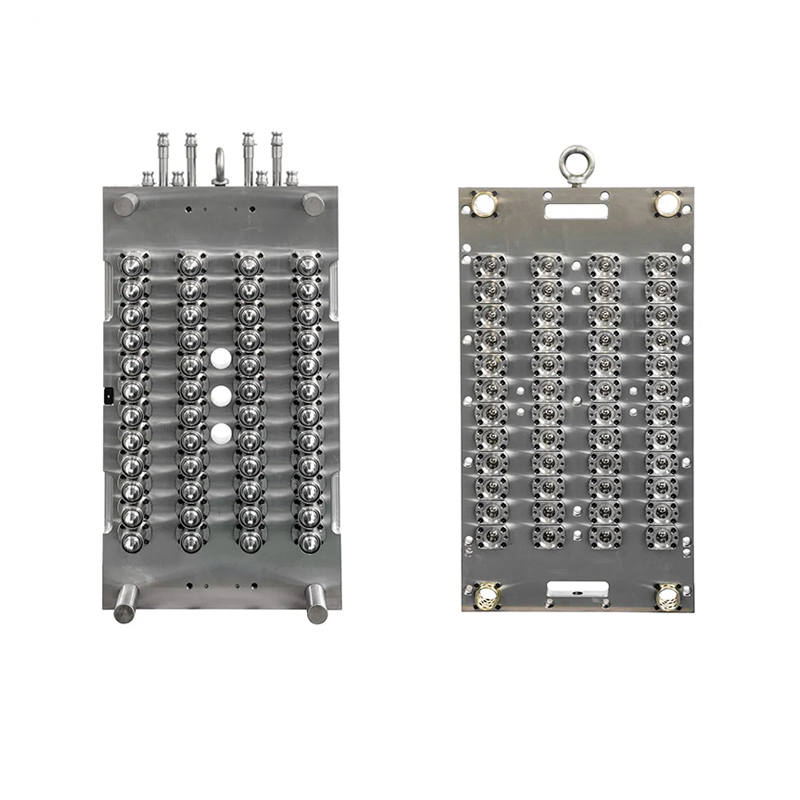
The Qihong 48-Cavity Preform Mold(Mould) is the ideal choice for high-volume PET...
See Details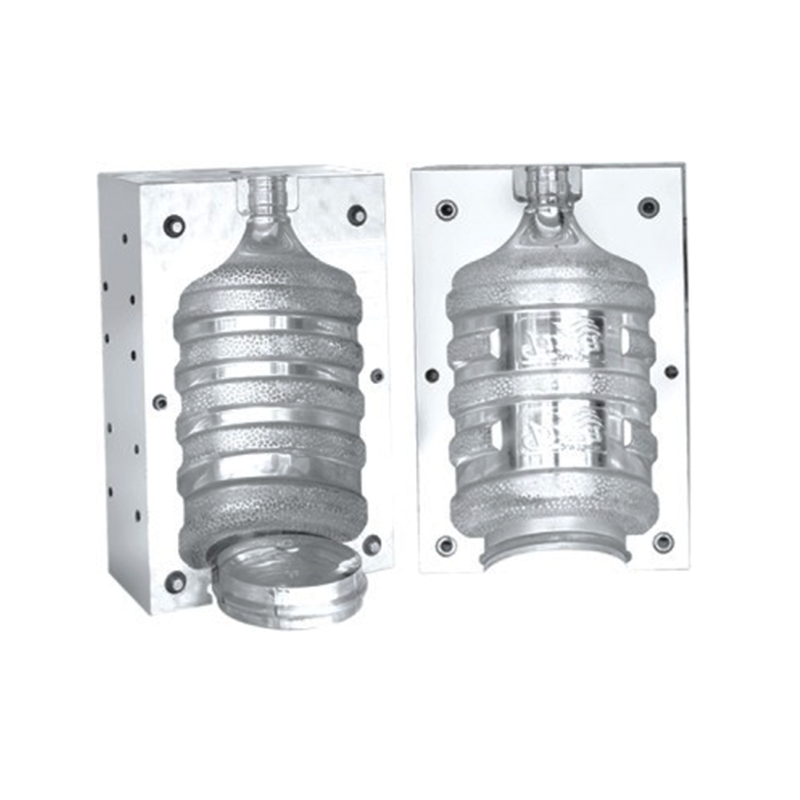
This Five Gallons Bottle Mold(Mould) comes straight out of Taizhou, Zhejiang—bui...
See Details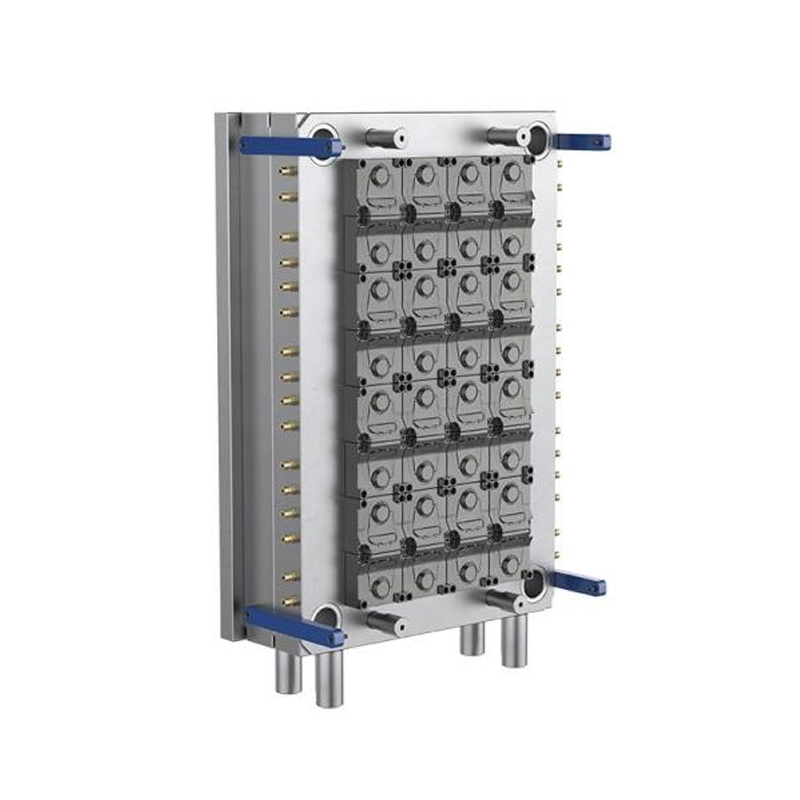
A Handle Mold is a specialized mold used in the manufacturing of plastic handles...
See Details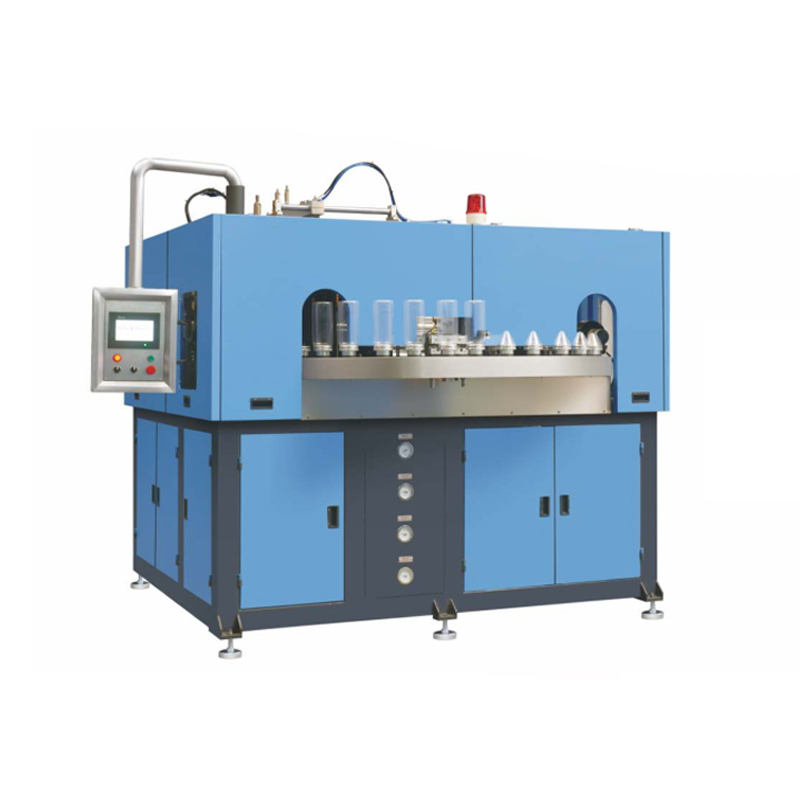
The hand-feeding blowing machine is an efficient tool designed for producing hig...
See Details
Mould Specifications Product : Preform Mould Brand : Taizhou QihongMould C...
See Details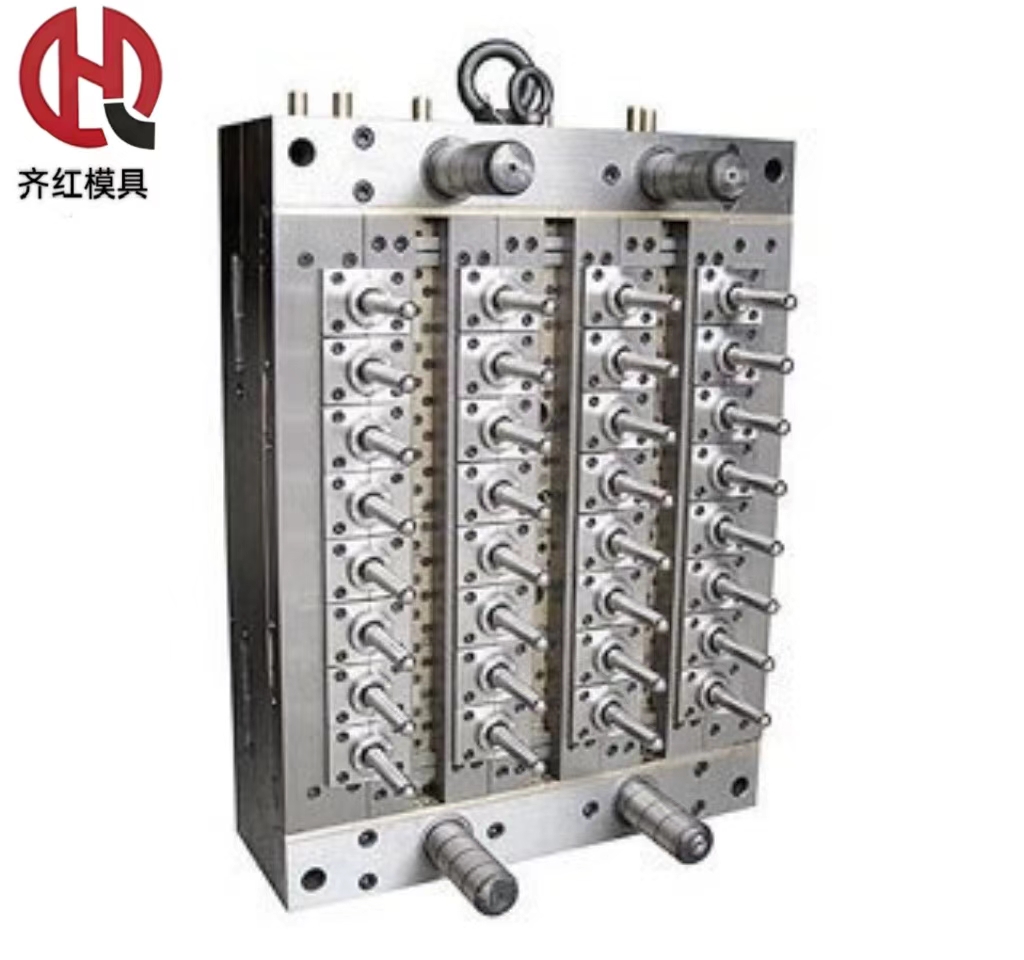
Custom Made Plastic Molds are designed for high precision and flexible plastic p...
See Details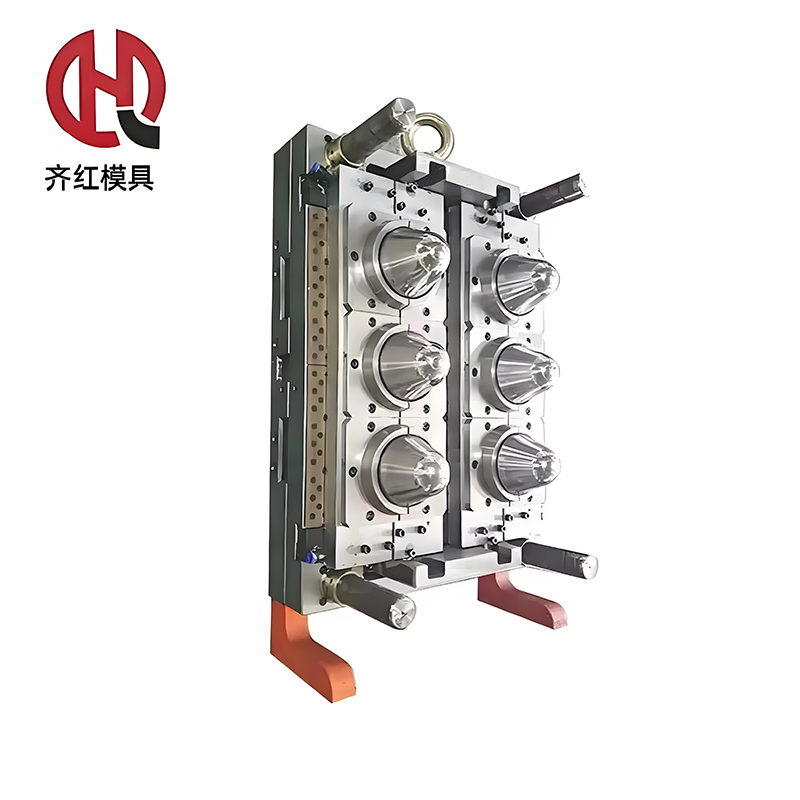
Water and beverage preform mold, Edible oil preform mold, Preform Mold for cosme...
See Details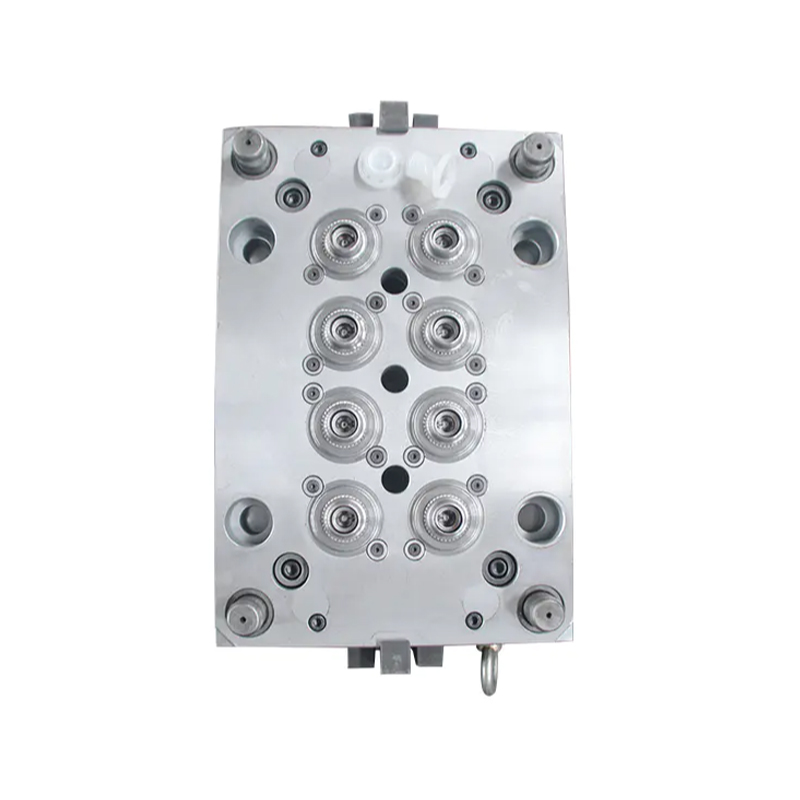
Spout Cap Mould is a EVA inner part of oil cap, match for 42mm pull out closure....
See Details
WhatsApp:+(86) 13957659071 / +(86) 18158637057 / +(86) 15395760157


ADD:Baige Science and Technology Park, Huangyan District, Taizhou City, Zhejiang Province, China.