English
 русский
 عربى
عربى


72-Cavity Preform Mold(Mould)
The 72-Cavity Preform Mold(Mould) is a solid, no-nonsense choice when you need t...
See Details


In the world of plastic manufacturing, precision and efficiency are paramount, especially when it comes to producing high-quality containers and packaging solutions. One of the key components in this process is the preform mould, a critical tool used in the production of PET bottles and other containers. Preform moulds are designed to create the initial shape of a bottle, which is then expanded into its final form through a blow molding process.
Behind every great preform is an even greater preform mould — the precision steel masterpiece that has to survive millions of cycles, cool molten PET in seconds, and spit out parts accurate to a few microns, all while running 24/7 in plants that never sleep.
So what exactly makes a preform mould one of the most demanding tools in the packaging world, and why do small differences in its design separate world-class bottles from leaky, cloudy disasters?
Preform moulds are used to produce preforms, which are small, bottle-shaped pieces of plastic that serve as the starting point for creating finished bottles. The preform is made from materials like polyethylene terephthalate (PET), which is favored for its strength, lightweight nature, and recyclability. The process of creating preforms involves injecting molten plastic into the mould, where it cools and solidifies into the desired shape.

In other words: the blow machine only stretches what the preform mould gives it. Garbage in, garbage out.
Quick Decision Table (2025 Prices & Output)
|
Cavities |
Approx. Mould Price Range (USD) |
Preforms/hour (≈18 g) |
Break-even vs Lower Cavitation |
|
3 |
60,000–120,000 |
14,000–18,000 |
Immediate (lowest risk) |
|
48 |
120,000–220,000 |
22,000–28,000 |
8–14 months |
|
72 |
220,000–380,000 |
35,000–45,000 |
12–20 months |
|
96 |
350,000–550,000 |
48,000–55,000 |
18–30 months |
|
144 |
600,000–950,000 |
70,000–85,000 |
24–48 months |
A well-built preform mould today easily reaches 8–15 million shots before major refurbishment. That means one mould can produce enough preforms for 10–20 billion bottles over its lifetime. When you look at it that way, spending an extra 10–20 % upfront on better steel and design is usually the cheapest money you will ever spend.
A mismatch between mould type and production needs can limit output or raise operating costs. On the flip side, a well-chosen mould boosts efficiency and keeps a factory running smoothly with fewer surprises.
Preform moulds play a crucial role in the plastic manufacturing process, particularly in the production of PET bottles and containers. By creating precise and consistent preform shapes, these moulds ensure that the final products meet the highest standards of quality and performance. As technology continues to advance, the design and efficiency of preform moulds are also evolving, leading to improved production processes and sustainability in the industry.
Investing in a high-cavitation, long-life preform mould is one of the smartest moves any bottle maker or brand owner can make, because the payback in material savings, energy efficiency, and zero downtime is measured in months, not years.
At Taizhou Qihong Mold Co., Ltd., we with proven performance for major beverage brands across Asia, Europe, and South America. Whether you need lightweight 8-gram preforms for CSD, hot-fill 28-gram necks, or ultra-wide-mouth jars, our team can deliver moulds that run cooler, faster, and longer — guaranteed.
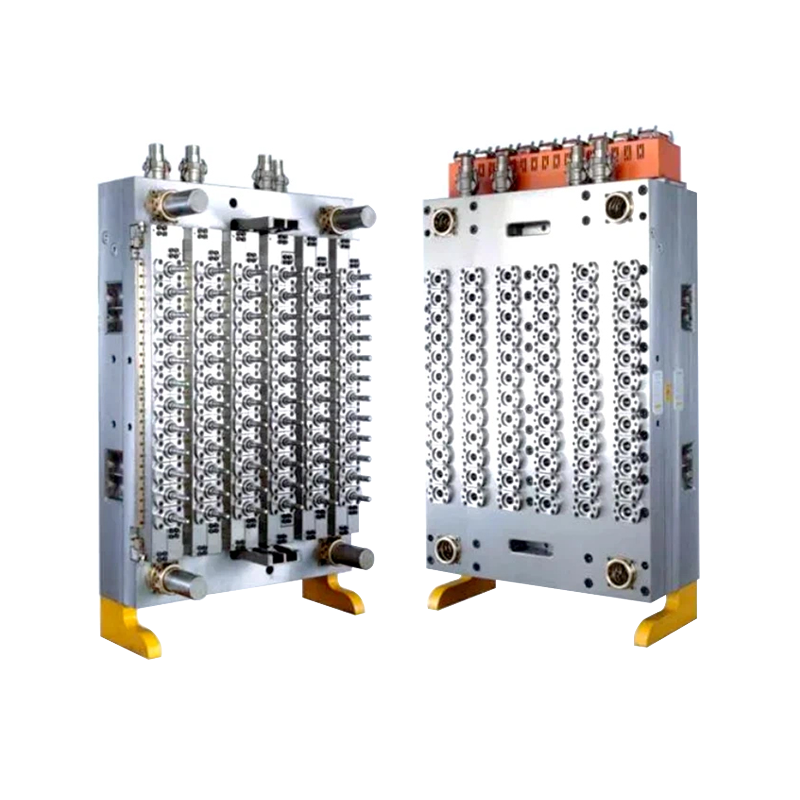
The 72-Cavity Preform Mold(Mould) is a solid, no-nonsense choice when you need t...
See Details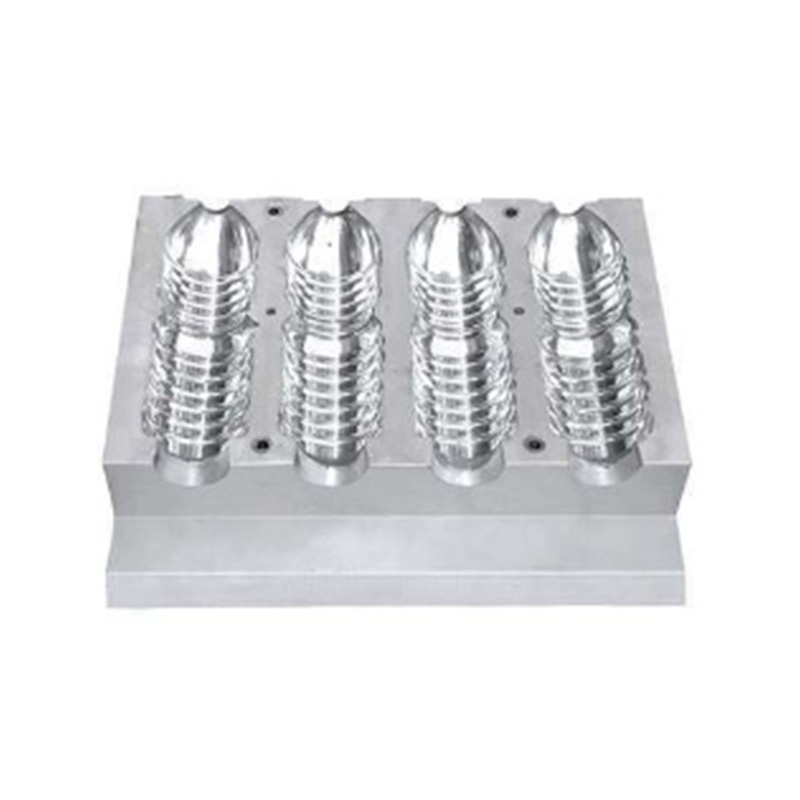
Product Name: Water/Beverage Bottle Mold A Water/Beverage Bottle Mold is a speci...
See Details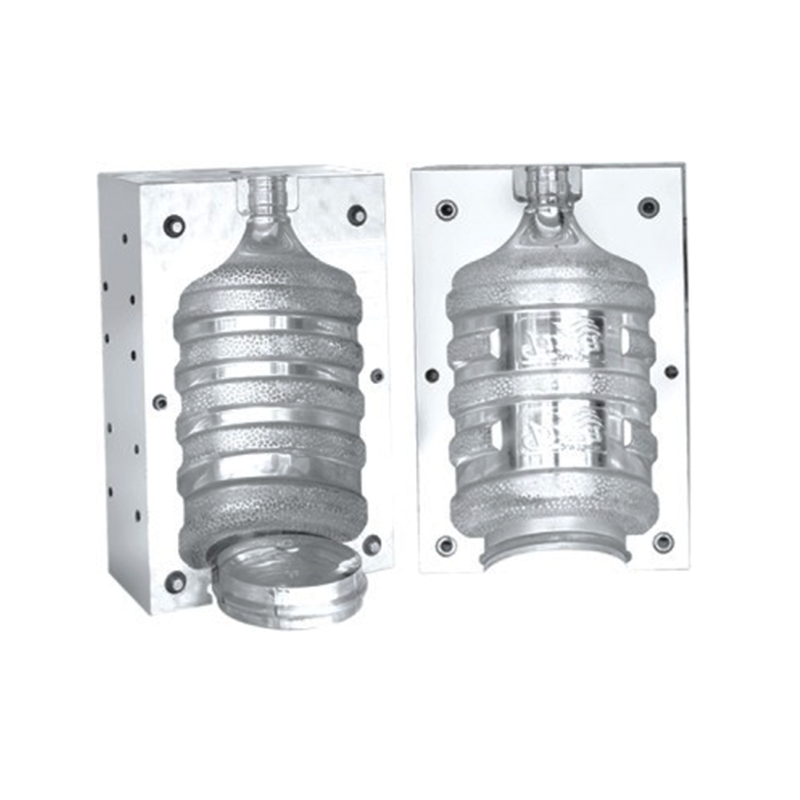
This Five Gallons Bottle Mold(Mould) comes straight out of Taizhou, Zhejiang—bui...
See Details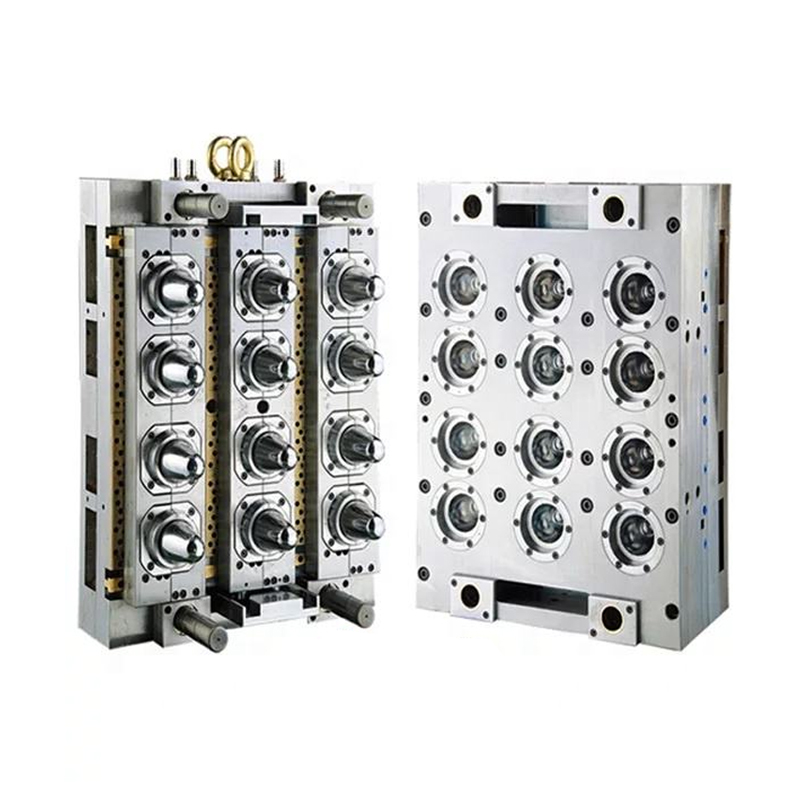
The 12-Cavity Wide-Mouth Mold(Mould) is made for manufacturers running wide-mout...
See Details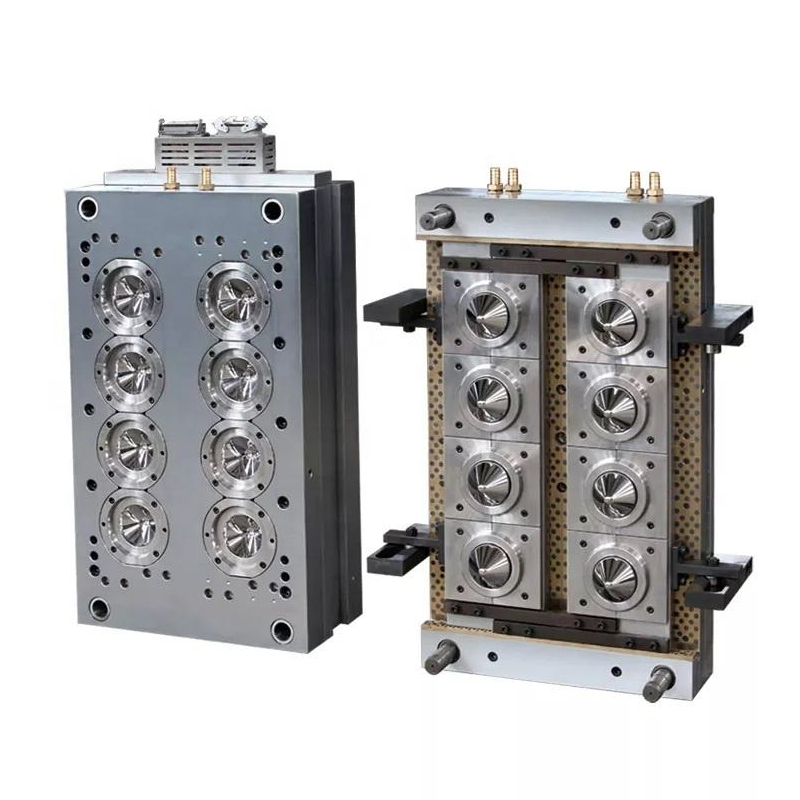
The 8-cavity wide-mouth mold is designed to produce plastic containers with larg...
See Details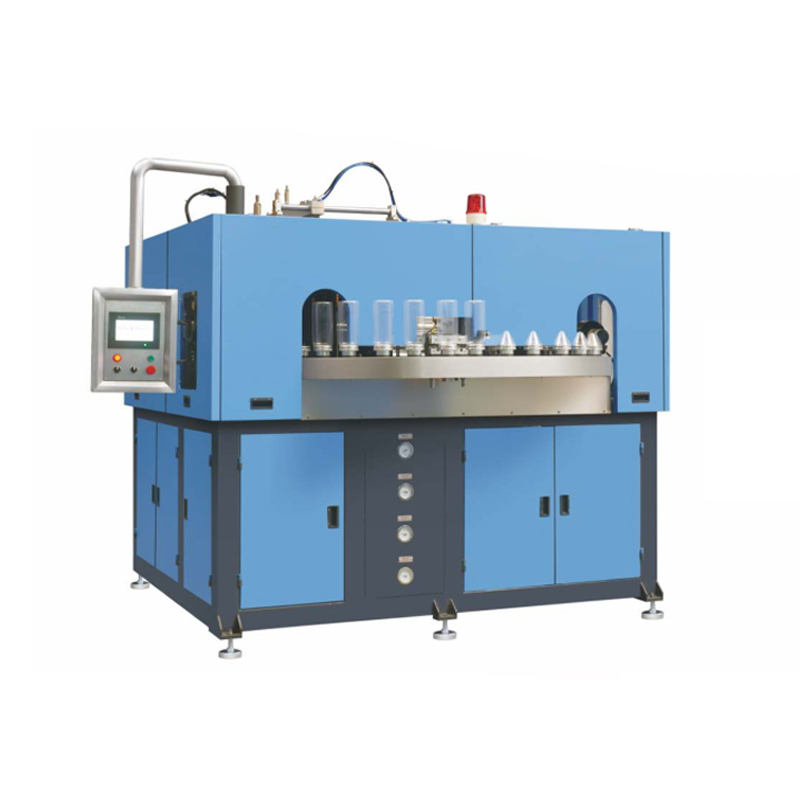
The hand-feeding blowing machine is an efficient tool designed for producing hig...
See Details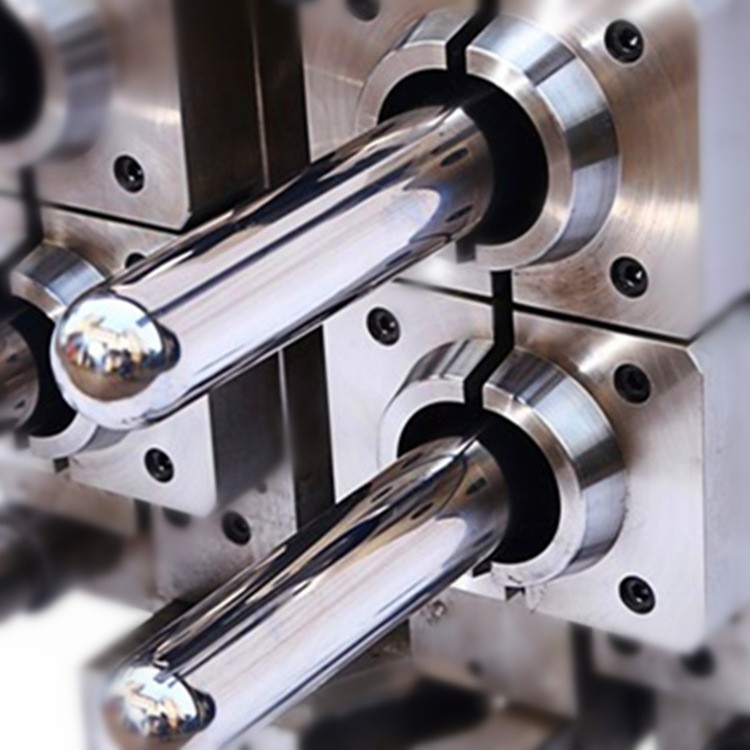
Mould Specifications Product : Preform Mould Brand : Taizhou QihongMould C...
See Details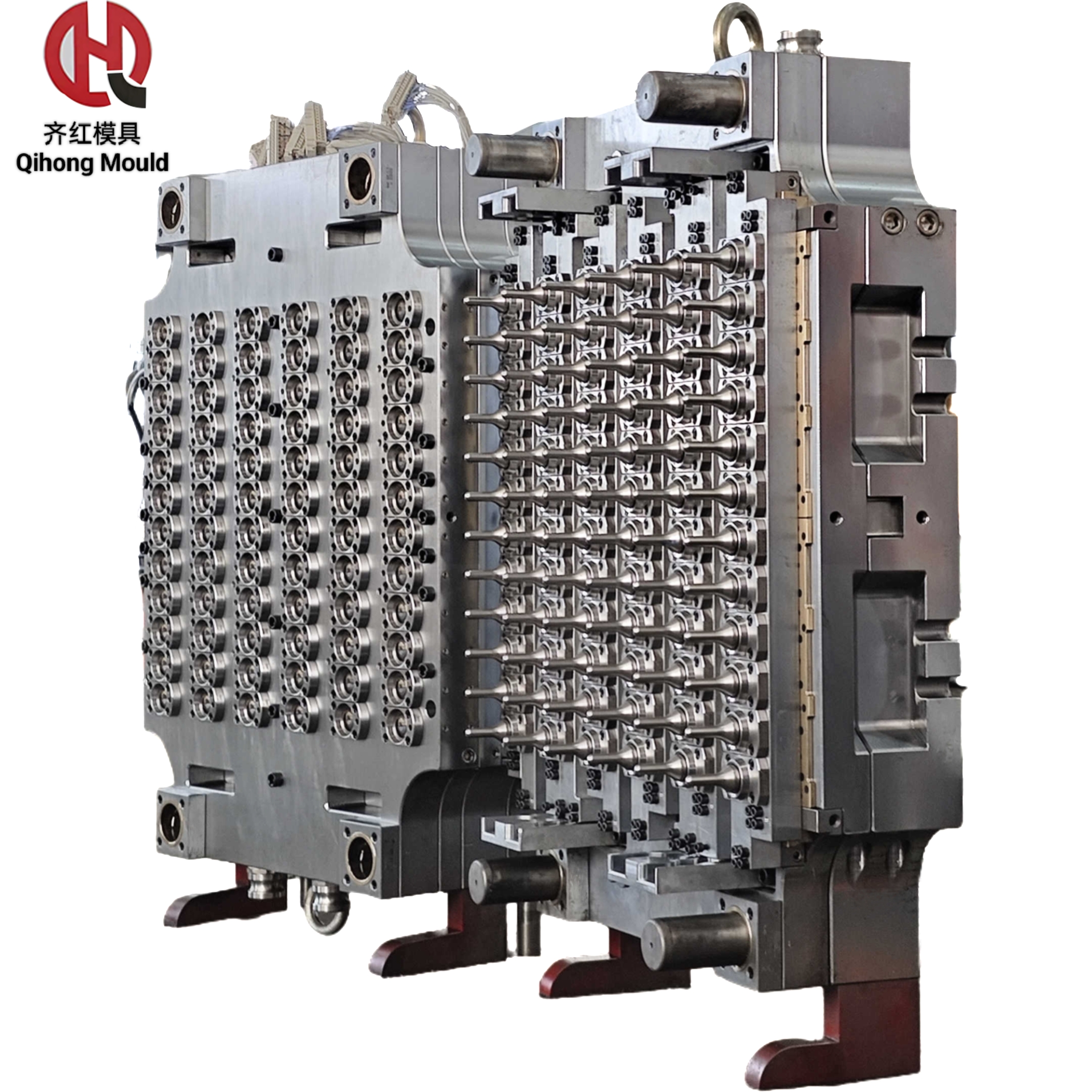
PET Preform Mold Design focuses on high precision structure and stable productio...
See Details
WhatsApp:+(86) 13957659071 / +(86) 18158637057 / +(86) 15395760157


ADD:Baige Science and Technology Park, Huangyan District, Taizhou City, Zhejiang Province, China.