English
 русский
 عربى
عربى


Full Range Of Automatic Blowing Machine
Automatic blowing machines are essential equipment in modern bottle manufacturin...
See Details


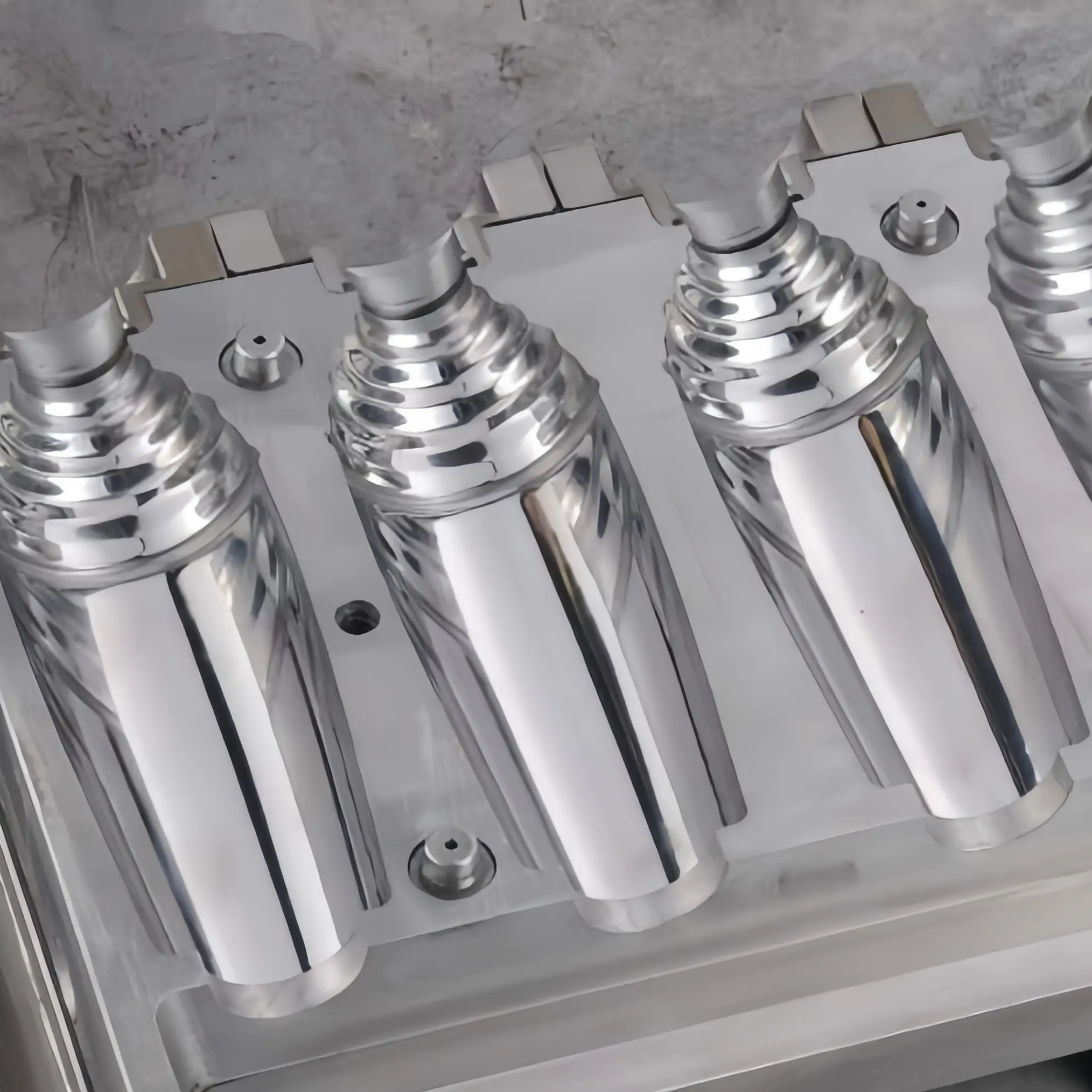
The global packaging landscape is experiencing a noticeable shift as brands, manufacturers, and technology providers respond to evolving consumer expectations and production requirements. Many markets are moving toward packaging that is lighter, more distinctive, and capable of standing out in competitive retail environments. This transition is driven not only by aesthetics but also by practical considerations such as transport convenience, material efficiency, and the overall user experience.
Within this dynamic environment, plastic bottles continue to occupy a central role due to their clarity, resilience, and ability to be shaped into a wide range of forms. As demand intensifies, the technologies behind bottle production—especially the Bottle Blowing Mould and the Bottle Blowing Machine—are becoming more significant than ever.
One of the strongest forces reshaping packaging trends is the increasing preference for lightweight yet durable containers. Brands across sectors aim to reduce material usage without compromising strength or visual appeal. Lightweight bottles support easier transportation, lower handling effort, and improved portability for end-users.
At the same time, customization has become a key differentiator. Companies want unique shapes, refined textures, and distinctive branding elements that stand out on shelves and enhance product recognition. This demand pushes mould designers to develop finer detailing, more flexible cavity structures, and advanced surface finish techniques. The ability to translate brand identity into bottle geometry makes the Bottle Blowing Mould a crucial element in premium packaging strategies.
As product lines diversify, manufacturers are under pressure to produce multiple bottle formats with quick turnaround times. Flexible production has become essential, encouraging the adoption of equipment capable of fast mould changes, consistent heating performance, and stable cycle times.
The Bottle Blowing Machine embodies this shift toward flexibility. Its ability to adjust process parameters for different bottle sizes, neck finishes, and material grades allows factories to respond swiftly to market changes. Meanwhile, efficiency improvements—such as optimized air circulation, precise temperature control, and intelligent monitoring functions—enable higher output with fewer resources. These qualities make modern bottle blowing machines vital to competitive manufacturing environments where consistency and adaptability directly influence market success.
As the packaging sector continues evolving, the Bottle Blowing Mould and Bottle Blowing Machine have become foundational technologies supporting this transformation. Moulds determine bottle identity, product feel, and overall structural performance, while machines convert raw materials into polished, market-ready containers through controlled and repeatable processes.
Together, they bridge the gap between design innovation and manufacturing capability. Their integration enables the production of bottles that are lighter, more sophisticated in form, and more aligned with sustainable manufacturing goals. Whether for beverages, health products, cosmetics, or industrial liquids, these tools ensure that packaging can keep pace with evolving consumer expectations and industry standards.
In this shifting landscape, the synergy between mould craftsmanship and machine technology will continue shaping how brands package and present their products to the world.
The Bottle Blowing Mould is the heart of bottle shaping. It is a specialized tool that determines the final form, wall thickness, and surface characteristics of a container. Essentially, the mould is the blueprint realized in three-dimensional form, transforming a heated polymer preform into a fully formed bottle.
Definition and Core Functions
At its core, a bottle blowing mould is a hollow, cavity-shaped structure that guides molten or heated polymer into the desired bottle shape. Its primary functions include ensuring uniform wall distribution, supporting the preform during expansion, and preserving fine details such as logos, patterns, or textures on the bottle surface.
Influence on Bottle Shape, Durability, Clarity, and Branding
The design of the mould directly affects the bottle's mechanical and visual properties. Wall thickness, neck finish, and body contours are all dictated by mould geometry. A carefully engineered mould ensures structural durability while allowing for aesthetic refinements such as embossed brand logos or decorative textures. Clarity, crucial for consumer perception, is also influenced by the surface smoothness and cooling patterns within the mould.
Importance of Precision Engineering in Mould Production
Even minor inaccuracies in mould dimensions can lead to defects, uneven wall thickness, or deformation in the final bottle. Precision engineering ensures consistent performance across production runs. Advanced machining techniques, combined with careful thermal and mechanical analysis, allow manufacturers to achieve moulds that consistently reproduce complex designs with minimal variation.
Relationship Between Mould Material, Cooling Efficiency, and Surface Quality
Mould material selection impacts thermal conductivity, durability, and resistance to wear. Efficient cooling channels in the mould accelerate production cycles while maintaining uniform bottle quality. The combination of appropriate materials and optimized cooling designs ensures a smooth, polished bottle surface, reduces cycle times, and extends mould lifespan.
While the mould defines shape, the Bottle Blowing Machine provides the energy, control, and environment necessary to transform preforms into finished bottles. Modern machines integrate mechanical precision with automation to ensure reliable, scalable production.
Basic Operating Principles of Bottle Blowing
The machine begins by heating preforms to a precise temperature to achieve uniform softness without compromising polymer integrity. Once heated, the preform is transferred into the mould, where it is stretched and inflated by high-pressure air. This combination of axial stretching and radial expansion ensures optimal wall thickness distribution and structural integrity.
How Machines Convert Preforms Into Finished Containers
The process involves a careful sequence of heating, stretching, blowing, and cooling. The machine maintains precise control over each parameter, ensuring that the preform fully conforms to the mould cavity. The result is a finished bottle that meets exacting specifications for shape, strength, and clarity.
Integration of Automation, Control Systems, and Energy-Saving Technologies
Contemporary bottle blowing machines often feature advanced automation, including real-time monitoring of temperature, air pressure, and cycle duration. Integrated control systems allow operators to adjust parameters quickly for different bottle designs or materials. Additionally, energy-saving innovations—such as efficient heating elements and air recovery systems—minimize resource consumption while maintaining high throughput.
Modular Configurations for Diverse Packaging Needs
Modern machines are designed with modularity in mind, enabling rapid reconfiguration for different bottle sizes, neck types, or cavity counts. This flexibility allows manufacturers to switch between beverage bottles, personal care containers, and industrial products without extensive downtime, providing adaptability that aligns with dynamic market demands.
Heating the preform is the first critical step in the bottle blowing process. The objective is to bring the polymer to an optimal temperature where it becomes pliable but does not degrade, ensuring uniform expansion inside the mould.
Role of Infrared or Controlled-Thermal Systems
Modern machines often employ infrared heaters or advanced thermal systems to evenly heat the preform. Infrared panels provide targeted energy absorption, allowing the preform to reach uniform softness without overheating. Controlled-thermal systems, on the other hand, maintain consistent temperature profiles, which is essential for high-clarity and defect-free bottles.
Impact of Even Heat Distribution on Bottle Uniformity
Uneven heating can lead to irregular wall thickness, weak points, or surface blemishes. A well-calibrated heating system ensures the preform softens uniformly, making it easier to stretch evenly during the blowing stage. This consistency is critical for both mechanical performance and visual appeal.
After heating, the preform enters the mould, where it undergoes stretching and blowing to take the bottle's final shape.
How the Parison Expands Inside the Bottle Blowing Mould
The preform, sometimes called a parison at this stage, is stretched axially by a mechanical rod while compressed air inflates it radially. The Bottle Blowing Mould defines the contours, neck finish, and body shape of the bottle. Proper coordination between stretching force, air pressure, and mould design ensures the preform conforms perfectly to the cavity.
Key Factors Influencing Mechanical Strength and Clarity
Wall thickness, uniformity, and polymer orientation are determined during this stage. Even distribution of material prevents weak spots and increases structural integrity. Clarity and surface finish are also influenced by the mould's surface quality and the consistency of the blowing parameters.
Once the bottle has been fully formed, controlled cooling stabilizes the shape and prepares the bottle for safe ejection.
Mould Cooling Considerations
The mould's cooling system, typically incorporating water channels or other thermal management methods, removes heat efficiently to solidify the bottle. Proper cooling prevents warping, maintains wall thickness, and preserves the bottle's clarity and texture.
Ensuring Consistent Wall Thickness and Surface Finish
After cooling, the bottle is ejected from the mould. Consistency in wall thickness and surface smoothness is checked during or immediately after ejection. Well-designed moulds and machines maintain tight tolerances, producing bottles that meet aesthetic and functional standards.
Overview of Bottle Blowing Workflow and Key Considerations
| Process Stage | Purpose / Function | Key Parameters | Impact on Final Bottle |
|---|---|---|---|
| Preform Heating | Soften polymer uniformly | Temperature, heating time, infrared/thermal control | Uniform wall thickness, clarity, defect reduction |
| Stretching & Blowing | Shape bottle in mould | Stretch ratio, air pressure, mould cavity design | Mechanical strength, shape accuracy, clarity |
| Cooling & Ejection | Solidify and release bottle | Cooling rate, mould temperature, ejection timing | Dimensional stability, surface smoothness, wall consistency |
Among the various polymers, Polyethylene Terephthalate (PET) is widely used due to its clarity, strength, and lightweight properties. PET offers excellent barrier performance for liquids and allows high-speed production with consistent wall thickness.
Other materials include Polypropylene (PP) and High-Density Polyethylene (HDPE), which are more suitable for chemical or industrial containers due to their chemical resistance and flexibility. Bio-based and recycled polymers are increasingly being explored as sustainable alternatives, though they may require adjustments in machine temperature and mould cooling to maintain consistent results.
Key considerations when selecting a material include melt flow behavior, thermal stability, and response to stretching during blowing. These factors affect how the preform expands within the Bottle Blowing Mould and ultimately influence bottle strength, clarity, and surface finish.
Material quality directly impacts the efficiency of the Bottle Blowing Machine. Impurities or inconsistent polymer grades can cause defects, uneven wall distribution, or reduced clarity. High-quality polymers ensure smooth flow, uniform orientation during stretching, and minimal risk of warping or weak spots.
Manufacturers also consider viscosity and elasticity, which determine how the polymer responds to the stretching and blowing process. Properly matched materials allow machines to operate at optimal speeds while preserving the desired aesthetic and mechanical properties.
Common Bottle Blowing Materials and Their Influence on Performance
| Material Type | Key Properties | Advantages in Bottle Blowing | Typical Applications |
|---|---|---|---|
| PET | High clarity, strong, lightweight | Excellent transparency, stable during high-speed blowing, recyclable | Beverage bottles, water bottles, food containers |
| PP | Chemical-resistant, flexible, moderate clarity | Durable for industrial liquids, easy to mold | Household products, chemical containers |
| HDPE | High impact resistance, opaque or translucent | Strong wall performance, suitable for heavy-duty liquids | Detergents, cleaning agents, industrial fluids |
| Recycled/Bio-based Polymers | Variable thermal and flow properties | Supports sustainability goals, reduced environmental impact | Eco-friendly packaging, reusable bottles |
Different polymers behave differently under heat and air pressure, which means the Bottle Blowing Mould must be designed to accommodate these behaviors. Cooling channels, cavity dimensions, and surface finishes may need to be optimized based on the material's thermal conductivity and elasticity.
Similarly, the Bottle Blowing Machine must be calibrated for the specific polymer. Heating elements, blowing pressure, and cycle timing are adjusted to achieve uniform wall thickness and high clarity. Machines with flexible control systems are especially valuable for handling a variety of materials without compromising efficiency or product quality.
As the bottle blowing industry evolves, mould design has emerged as a critical driver of both product innovation and manufacturing efficiency. Modern consumer demands, sustainability initiatives, and the need for rapid production flexibility are shaping trends in how moulds are designed, engineered, and maintained. Leading manufacturers are adopting approaches that enhance bottle performance while supporting the operational longevity of their production lines. Key trends in Bottle Blowing Mould manufacturing include lightweight and thin-wall designs, customization for branding, and durability-focused optimizations.
Market Preference for Portable, Resource-Efficient Packaging
Consumers increasingly favor bottles that are lightweight and easy to handle, yet remain durable enough for daily use. This preference drives brands to seek packaging solutions that reduce material usage without compromising structural integrity. Lightweight bottles not only lower shipping costs but also appeal to environmentally conscious consumers due to reduced material consumption.
How Mould Innovations Support Thinner Yet Stronger Bottles
Modern moulds are engineered to allow uniform wall thickness even when bottles are made thinner. Advanced cooling channels, precision cavity geometry, and high-quality surface finishes ensure that the polymer stretches evenly, avoiding weak points. Some moulds incorporate variable wall-thickness design—thicker at stress points and thinner elsewhere—to optimize material usage while maintaining strength.
Technological Considerations
Innovations in mould design also focus on thermal management and dimensional accuracy. Faster cooling times and precise heat distribution reduce cycle times while preserving clarity and preventing warping, even in ultra-thin designs. These developments demonstrate how Bottle Blowing Mould engineering is directly linked to modern lightweight packaging trends.
Growing Demand for Brand-Specific Silhouettes
Brands seek distinctive bottle shapes to differentiate their products in crowded markets. Moulds now accommodate intricate forms, elongated necks, ergonomic grips, and unconventional geometries without compromising production efficiency. This customization enables bottles to act as both functional containers and visual brand statements.
Use of Fine Engraving, Textures, and Ergonomic Features
Surface details, such as embossed logos, textured patterns, or tactile grips, are increasingly integrated into mould designs. These features enhance user experience and improve product appeal on shelves. Precision engineering ensures that fine textures do not interfere with polymer flow or structural integrity during blowing. Ergonomic features, such as indents for gripping or angled surfaces for pouring, are also carefully planned to maintain balance between aesthetics and mechanical performance.
Integration with Digital Design Tools
Computer-aided design (CAD) and simulation technologies allow designers to test complex shapes virtually before manufacturing the mould. Virtual testing of stress distribution, material flow, and cooling efficiency ensures that unique bottle shapes can be produced reliably without trial-and-error adjustments, reducing development time and production waste.
Enhancements in Mould Surface Treatment
To extend the service life of moulds, manufacturers are adopting advanced surface treatments such as hardened coatings or micro-polishing. These improvements reduce wear from repeated use, minimize friction during ejection, and maintain the quality of bottle surfaces over long production runs.
Strategies for Extending Mould Lifecycle in Continuous Production
Continuous high-volume production requires careful maintenance planning. Modular mould designs allow components to be replaced individually, while built-in monitoring systems track thermal performance and detect early signs of wear. Preventive maintenance schedules combined with precise machining techniques help ensure consistent bottle quality without frequent full mould replacements.
Balancing Longevity with Flexibility
Durable moulds must also remain adaptable for design changes. Innovative moulds now feature interchangeable inserts and cavity adjustments, enabling quick adaptation to new bottle shapes or wall thicknesses without full-scale retooling. This balance between robustness and flexibility supports both long-term cost efficiency and fast response to market trends.
The evolution of bottle blowing machines is reshaping modern manufacturing, enabling faster production, higher precision, and more sustainable operations. As consumer expectations and market demands diversify, manufacturers are investing in automation, energy efficiency, and flexible production solutions. These technological advancements not only improve output and consistency but also enhance the integration of Bottle Blowing Machines with Bottle Blowing Moulds for optimal results.
Real-Time Monitoring of Temperature, Pressure, and Cycle Parameters
Modern machines are equipped with advanced sensors that continuously monitor critical process parameters. Temperature, air pressure, and cycle timing are tracked with high precision, allowing operators to detect deviations before they affect product quality. Real-time monitoring ensures each bottle meets exact specifications, maintaining uniform wall thickness, clarity, and structural integrity.
AI-Assisted Optimization for Consistent Results
Artificial intelligence has become an integral part of advanced bottle blowing systems. AI algorithms analyze historical production data to optimize machine settings automatically, adjusting heating cycles, stretching rates, and air pressure to achieve consistent outcomes. This intelligent control reduces human error, improves product uniformity, and minimizes material waste, especially when switching between different bottle designs or polymers.
Benefits of Integrated Automation
Automation also streamlines workflow, reducing manual handling and enhancing safety. From preform loading to final ejection, coordinated robotic systems improve throughput while maintaining quality, enabling high-volume production without sacrificing precision.
Innovations in Heating Modules and Airflow Design
Energy efficiency has become a key focus in modern bottle blowing machines. Innovations include optimized infrared or thermal heating modules that distribute heat evenly while consuming less power. Advanced airflow systems ensure compressed air is used efficiently during the blowing stage, reducing energy loss and improving preform expansion control.
Reduced Downtime and Higher-Output Configurations
Efficient thermal and pneumatic systems not only save energy but also reduce downtime caused by temperature imbalances or pressure fluctuations. Faster cycle times and stable production parameters allow machines to produce more bottles per hour without compromising quality, supporting high-output manufacturing lines.
Sustainability and Cost Benefits
By minimizing energy consumption and resource waste, energy-efficient machines support sustainable manufacturing goals. Reduced operational costs, coupled with improved machine longevity, make energy-efficient designs highly attractive for modern packaging operations.
Quick-Change Mould Systems
Modern machines are designed to accommodate multiple bottle designs with minimal setup time. Quick-change mould systems allow operators to switch between cavities, neck finishes, or bottle sizes efficiently, reducing downtime and increasing overall production flexibility. This capability is essential for meeting the growing demand for customized packaging and limited-run products.
Adaptability for Different Bottle Sizes, Shapes, and Neck Finishes
High-flexibility machines can adjust process parameters to accommodate a wide range of bottle geometries and materials. Whether producing tall, slender bottles for beverages or short, wide containers for personal care products, the system can maintain consistent quality and structural integrity across diverse product lines.
Integration with Digital Monitoring and Scheduling
Flexible production lines are often integrated with digital monitoring and scheduling software. This enables predictive maintenance, automated batch tracking, and optimized workflow, allowing manufacturers to respond quickly to changing market demands without compromising efficiency or quality.
These technological advancements demonstrate how Bottle Blowing Machines have transformed from purely mechanical devices into intelligent, adaptable production platforms. By combining automation, energy efficiency, and flexibility, modern machines enhance both the performance of Bottle Blowing Moulds and the overall efficiency of bottle manufacturing, supporting innovation, sustainability, and high-volume output.
The versatility of modern bottle blowing technology allows manufacturers to serve a wide range of industries, from beverages and personal care to industrial chemicals. By leveraging advanced Bottle Blowing Moulds and Bottle Blowing Machines, companies can produce bottles tailored to the specific requirements of each sector, balancing aesthetics, functionality, and safety.
High Clarity and Impact Resistance Requirements
Beverage bottles demand exceptional visual appeal and durability. Clear, transparent bottles allow consumers to see the product, reinforcing freshness and quality perception. At the same time, impact resistance is critical for handling, transport, and storage. Advanced moulds ensure consistent wall thickness and smooth surfaces, while modern machines maintain precise temperature and blowing parameters to produce strong, clear containers.
Custom Branding Opportunities Enabled by Advanced Moulds
Beverage brands increasingly differentiate themselves through unique bottle shapes, embossed logos, or textured surfaces. Custom-designed Bottle Blowing Moulds allow for intricate detailing without compromising structural integrity, enabling visually striking designs that enhance brand recognition. Machines with flexible settings can produce multiple bottle variants on the same line, supporting limited editions or seasonal packaging with minimal downtime.
Complex Shapes for Ergonomic Dispensing
Containers for personal-care products, such as shampoos, lotions, or cleaning solutions, often require ergonomic designs for ease of handling and controlled dispensing. The mould design directly influences bottle contours, grip features, and nozzle interfaces, ensuring user-friendly functionality while maintaining manufacturability. Stretching and blowing parameters are carefully adjusted to preserve these complex geometries without deformation.
Aesthetic Finishes for Premium Visual Appeal
Personal-care products frequently target premium market segments, where aesthetics play a crucial role. Fine surface textures, matte or glossy finishes, and embossed logos are integrated into mould designs to create a tactile and visual appeal. High-precision machines ensure consistent replication of these features across large production batches, maintaining product quality and brand identity.
Need for Thicker Walls and Safety-Focused Designs
Industrial and chemical packaging often requires containers with thicker walls to withstand internal pressure, chemical exposure, and rough handling. Safety considerations, such as tamper-proof necks, reinforced bases, and compatibility with hazardous contents, dictate robust mould and machine design. Precision control ensures uniform wall thickness, preventing weak points that could lead to leaks or structural failures.
Advantages of Robust Mould and Machine Configurations
Heavy-duty moulds and machines with reinforced components enable continuous production of high-strength containers while maintaining operational reliability. Efficient cooling and energy distribution systems support longer production runs, minimizing downtime and extending the lifecycle of both moulds and machines. The combination of durable equipment and optimized process control ensures that industrial and chemical containers meet stringent performance and safety standards.
By tailoring bottle blowing technologies to the specific needs of each industry, manufacturers can achieve a balance of design flexibility, functional performance, and operational efficiency. The integration of advanced Bottle Blowing Moulds and Bottle Blowing Machines allows companies to meet diverse market requirements while maintaining high-quality standards across beverage, personal-care, and industrial packaging sectors.
Quality control plays a pivotal role in modern bottle blowing, ensuring that each container meets both aesthetic and functional standards. With the increasing complexity of bottle shapes, materials, and production volumes, manufacturers rely on a combination of precision engineering, systematic testing, and advanced monitoring systems to maintain consistent output.
Precision in mould design and production directly influences the final appearance and performance of the bottle. Accurate cavity dimensions and finely finished surfaces ensure uniform wall thickness, consistent bottle volume, and smooth exterior textures. Even minor deviations in mould geometry can lead to defects such as uneven walls, warping, or surface blemishes, which may compromise both structural integrity and visual appeal.
To prevent these issues, manufacturers implement rigorous testing protocols. Parameters such as cavity dimensions, surface roughness, and thermal behavior are regularly evaluated using advanced measurement systems. These tests ensure that the Bottle Blowing Mould can reliably reproduce complex designs and maintain high-quality standards over repeated production cycles. High-quality moulds not only reduce waste but also improve production efficiency by minimizing rejected bottles.
Beyond mould precision, the calibration and stability of the Bottle Blowing Machine are equally crucial. Monitoring stretching ratios, air pressure curves, and temperature profiles allows operators to detect variations that could affect bottle uniformity or structural strength. Regular calibration ensures that machines operate within optimal parameters, producing bottles with consistent thickness, clarity, and mechanical performance.
Predictive maintenance systems further enhance production reliability. By tracking machine performance in real time, these systems identify potential issues—such as wear in heating modules or air pressure fluctuations—before they cause defects or unplanned downtime. Integrating predictive maintenance with quality control not only improves output consistency but also extends the operational lifespan of both machines and moulds.
The future of bottle blowing is being shaped by technological integration, automation, and smart manufacturing concepts. As consumer demands evolve and sustainability requirements grow, manufacturers are focusing on innovations that enhance efficiency, product quality, and design flexibility.
Digital modeling and virtual simulation are transforming how moulds are developed and tested. Engineers can create precise digital representations of a bottle and simulate how polymers will behave during stretching and blowing. This predictive capability allows designers to optimize mould geometry, cooling channels, and surface finishes before physical production, reducing trial-and-error iterations.
By integrating digital tools into production workflows, manufacturers can accelerate development cycles and produce more complex bottle designs without compromising quality. These innovations also support material optimization, enabling thinner, stronger, or more sustainable bottles to be produced reliably.
Automation continues to advance, with robots increasingly interacting with Bottle Blowing Machines to streamline material handling, mould changes, and quality inspections. Collaborative production lines allow machines and robotic systems to work in coordination, improving efficiency and reducing manual intervention.
Intelligent scheduling software further enhances workflow by optimizing cycle times, balancing production loads, and predicting maintenance needs. These advancements enable manufacturers to respond rapidly to market changes, switch between bottle designs efficiently, and maintain high levels of consistency across multiple production lines.
The smart-factory model is shaping the next generation of bottle blowing facilities. Connectivity between mould workshops, machine rooms, and packaging lines allows for centralized monitoring and data-driven decision-making. Real-time data on mould temperature, machine pressure, cycle times, and product quality enables operators to identify deviations quickly and implement corrective measures.
This integration supports enhanced consistency, energy efficiency, and predictive maintenance while enabling scalable production of customized bottles. As factories adopt smart technologies, the combination of Bottle Blowing Moulds and Bottle Blowing Machines will become increasingly intelligent, adaptive, and capable of meeting complex industry demands with precision and efficiency.
The global bottle blowing industry is navigating a period of dynamic transformation, fueled by evolving consumer behavior, brand differentiation strategies, and technological innovation. Packaging is no longer just a protective container; it has become a key instrument for brand communication and market competitiveness. Manufacturers are increasingly focusing on solutions that balance efficiency, customization, and sustainability to meet growing market expectations.
Urbanization, increased mobility, and fast-paced lifestyles are driving demand for lightweight, easy-to-carry bottles across multiple sectors, including beverages, personal care, and health products. Consumers expect packaging that is convenient, durable, and visually appealing, reinforcing both usability and product quality.
Concurrently, brands are investing in premium and distinctive packaging. Unique bottle shapes, ergonomic designs, and surface textures are being leveraged as marketing tools to capture consumer attention. Advanced Bottle Blowing Moulds allow manufacturers to achieve intricate designs and fine details, while flexible Bottle Blowing Machines ensure consistency and efficiency in large-scale production.
The evolving market landscape presents significant opportunities for mould and machine suppliers. Demand is growing for high-precision moulds capable of producing complex shapes, custom textures, and brand-specific features without sacrificing production speed or durability. Innovative surface treatments and modular designs are enabling moulds to deliver higher quality and longer service life.
Machine manufacturers are similarly positioned to capitalize on market trends. Energy-efficient systems, automated monitoring, and flexible production lines that handle multiple bottle formats are in high demand. Integration with digital design tools, predictive maintenance, and smart factory frameworks enhances operational efficiency while enabling rapid adaptation to new product requirements.
The overall momentum in the bottle blowing sector points toward higher-value, design-driven, and sustainable packaging solutions. Companies that combine advanced Bottle Blowing Moulds with intelligent Bottle Blowing Machines are better equipped to meet evolving market needs, capture emerging opportunities, and maintain a competitive edge. This alignment of design innovation, technological advancement, and operational capability is shaping a robust and forward-looking global industry landscape.
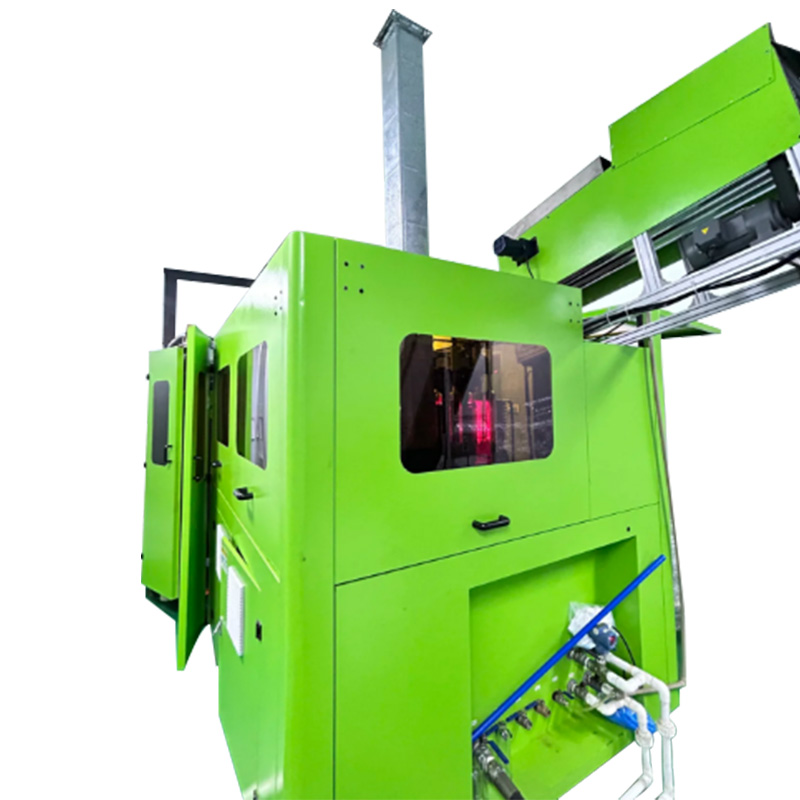
Automatic blowing machines are essential equipment in modern bottle manufacturin...
See Details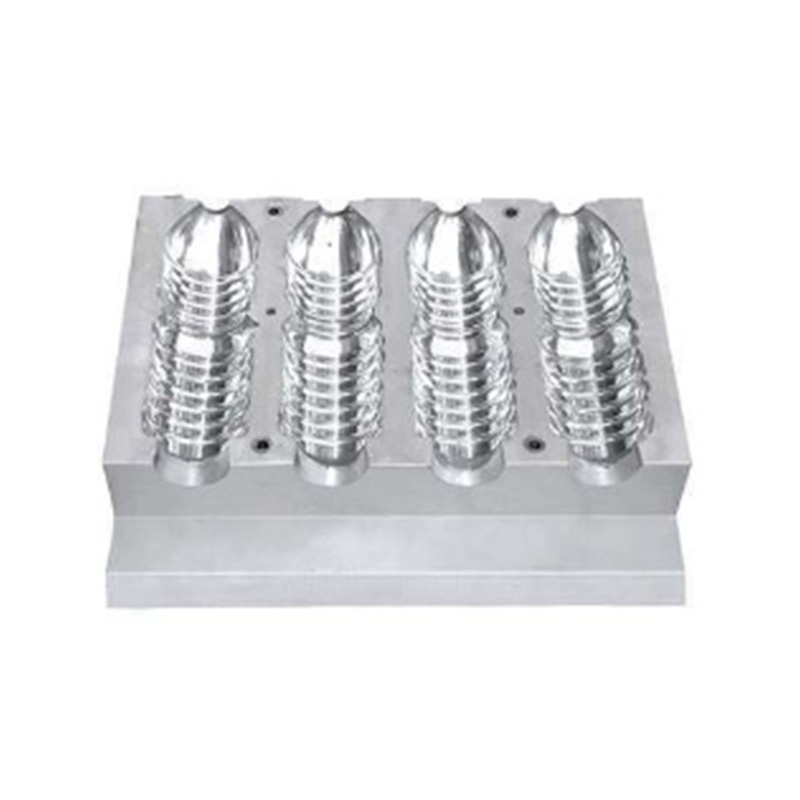
Product Name: Water/Beverage Bottle Mold A Water/Beverage Bottle Mold is a speci...
See Details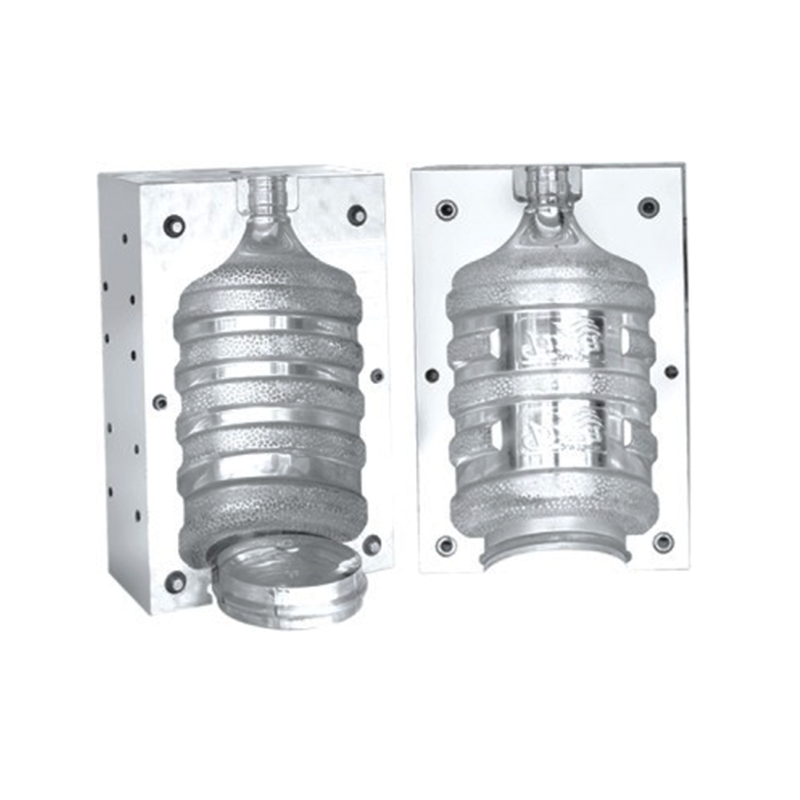
This Five Gallons Bottle Mold(Mould) comes straight out of Taizhou, Zhejiang—bui...
See Details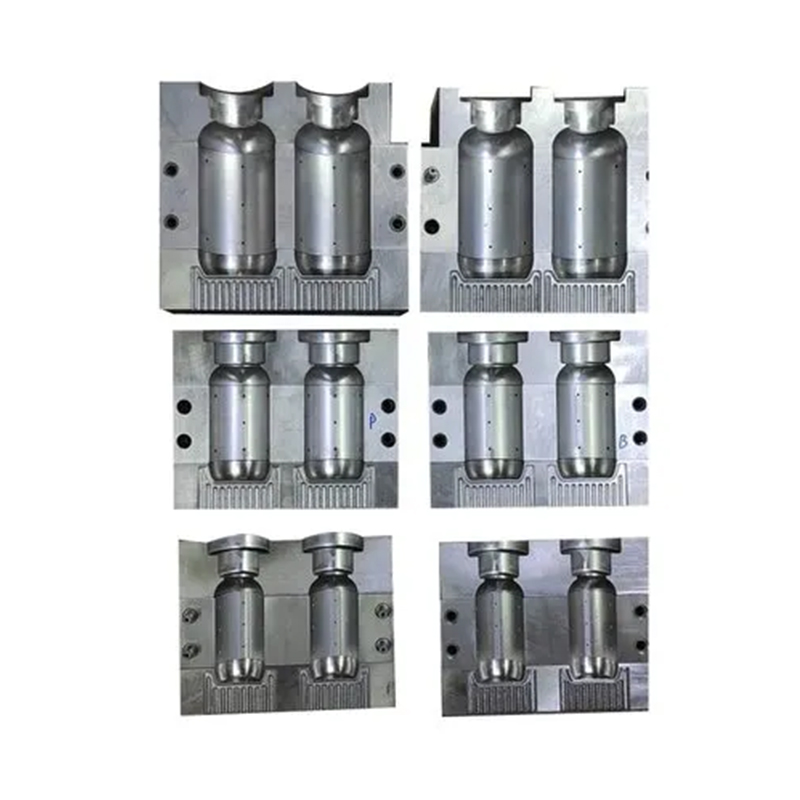
Medicine bottle molds are specialized tools designed for the efficient productio...
See Details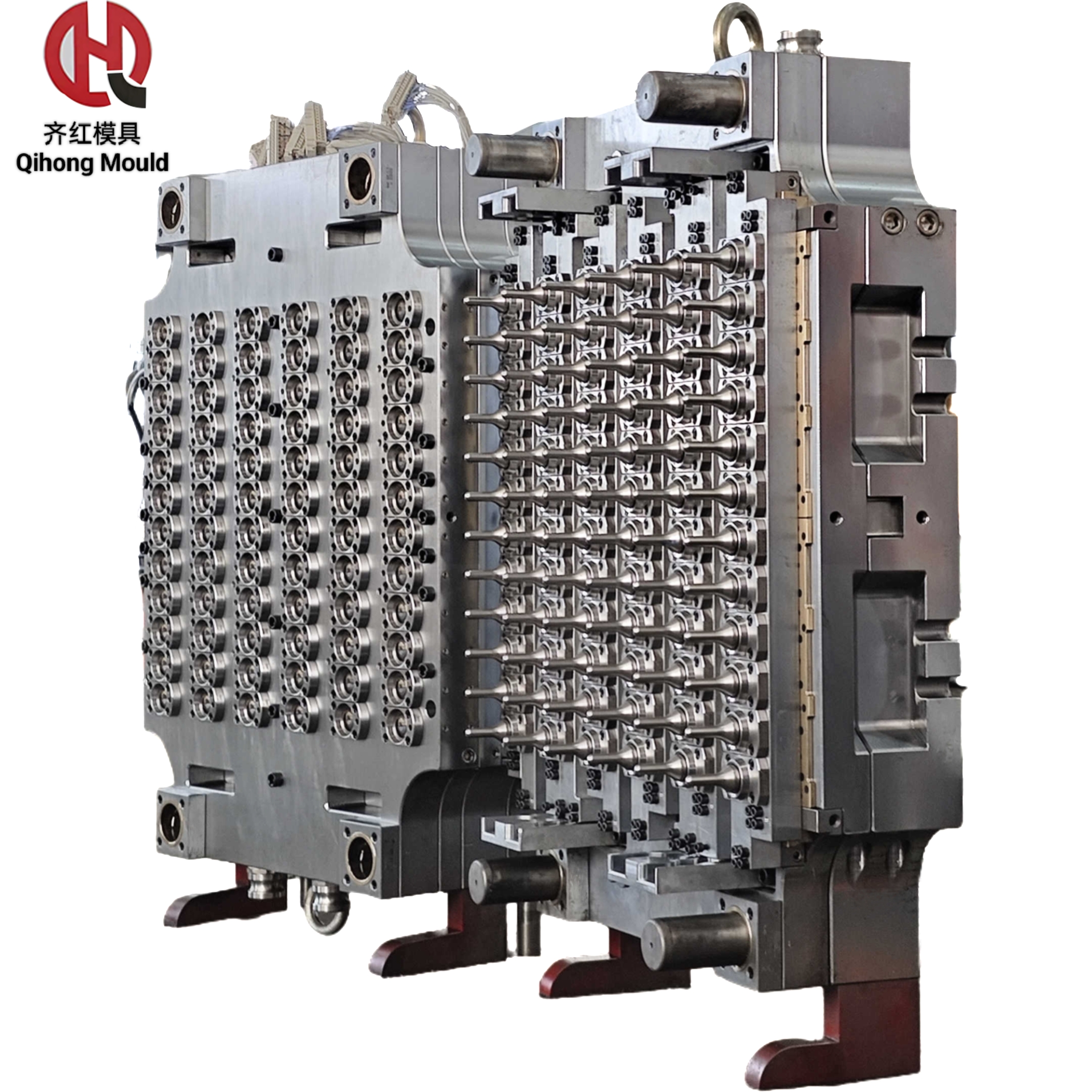
PET Preform Mold Design focuses on high precision structure and stable productio...
See Details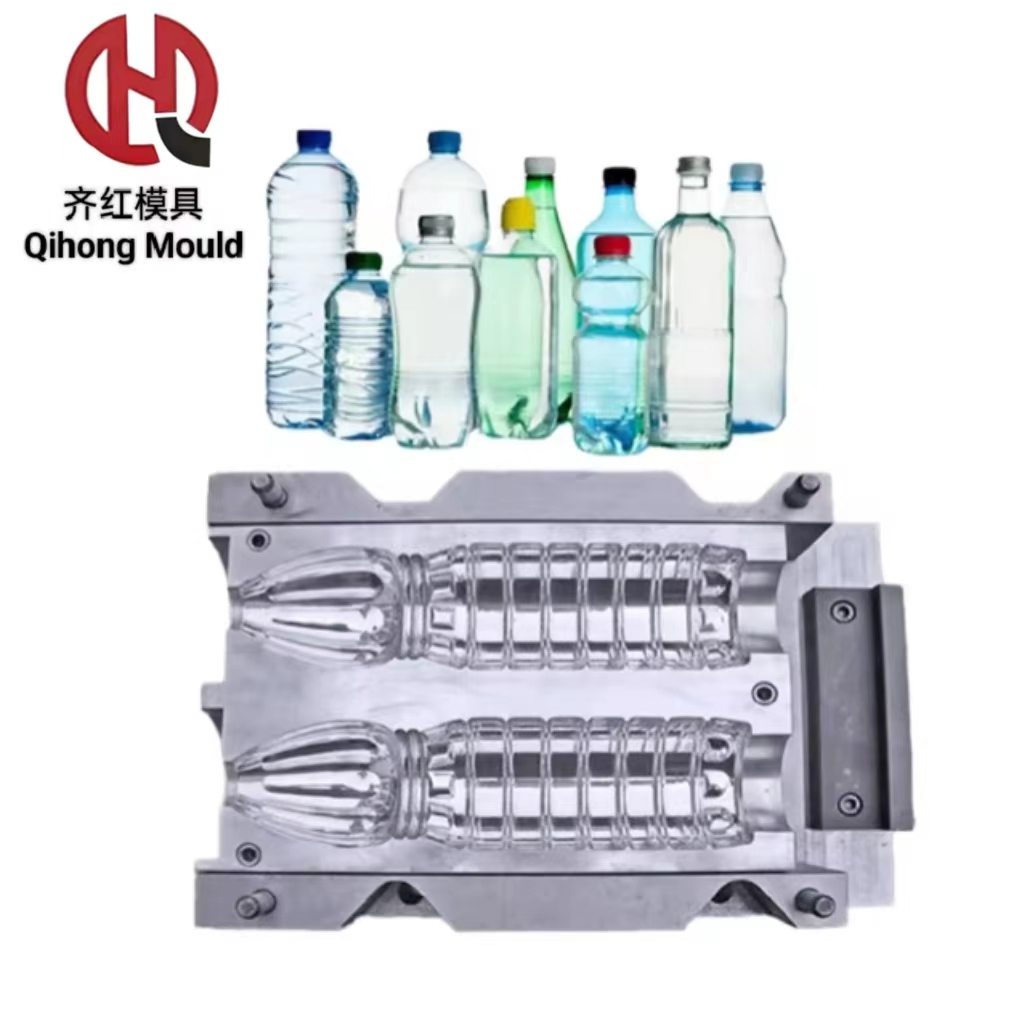
Mould Specifications Product : Blowing Mould Brand : Taizhou QihongMould C...
See Details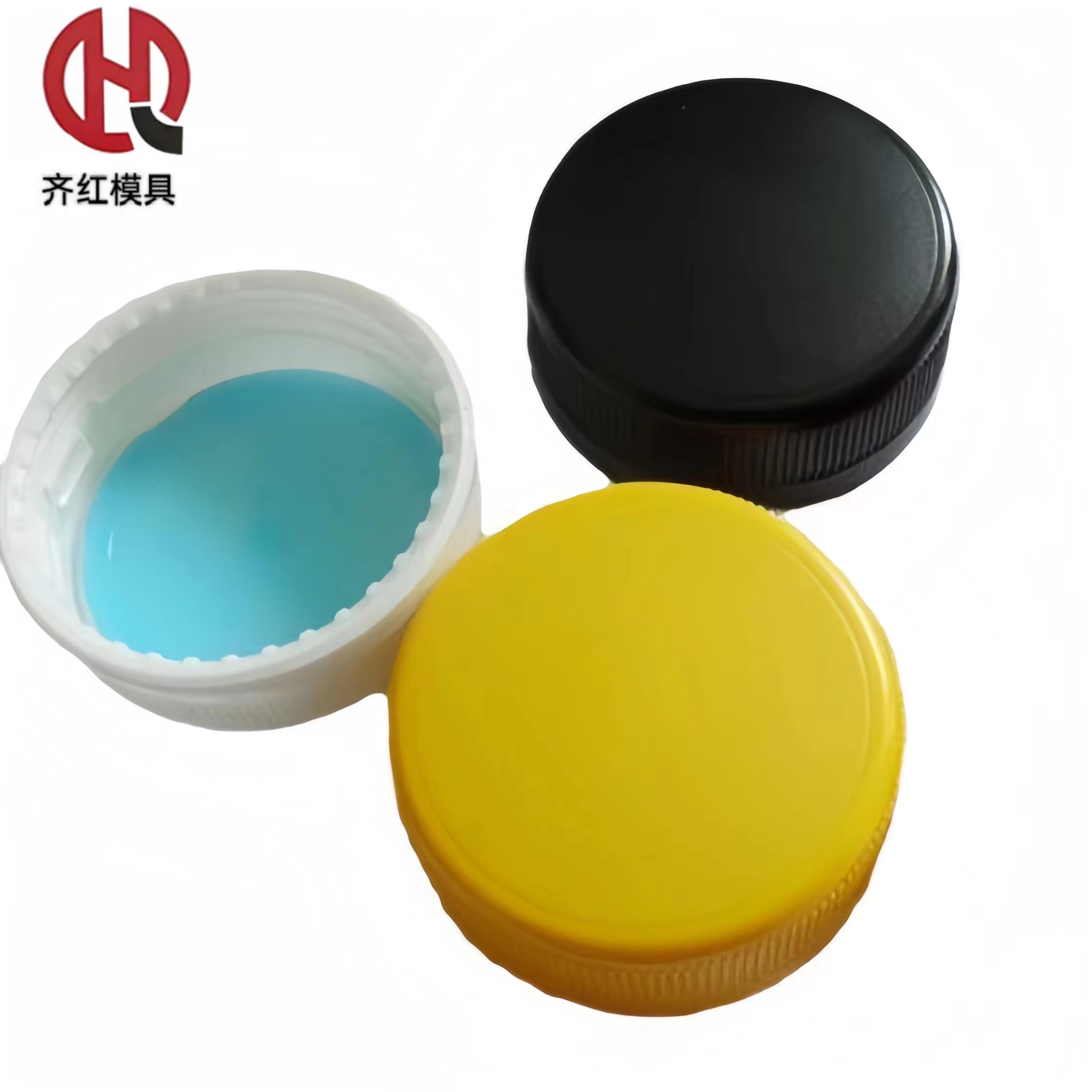
Mould Specifications Product : Cap Mould Brand : Taizhou QihongMould Co.,L...
See Details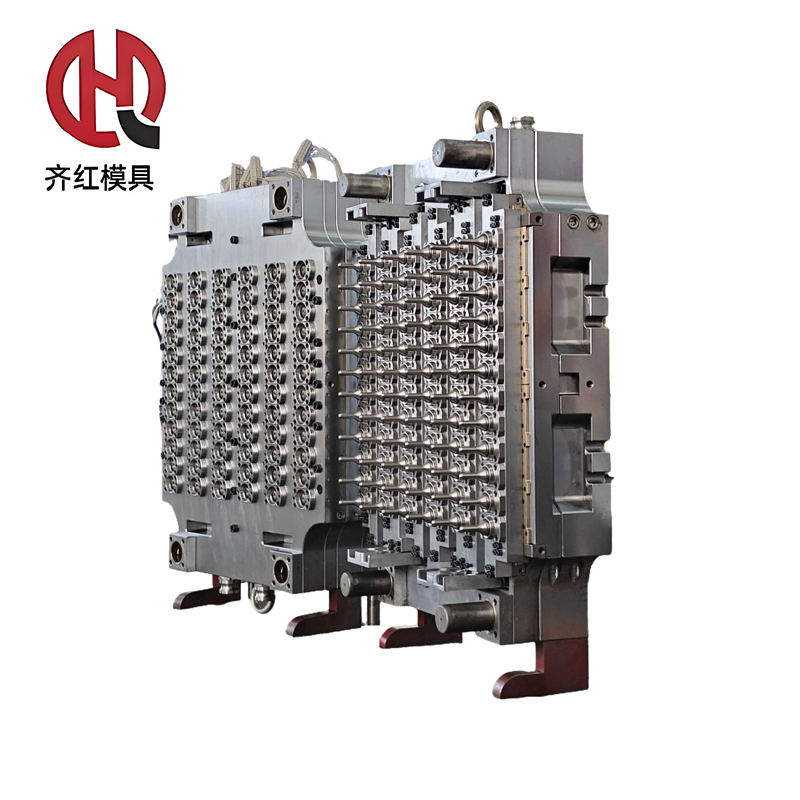
Standardization of mold partsHigh-precision processing equipment is used to ensu...
See Details
WhatsApp:+(86) 13957659071 / +(86) 18158637057 / +(86) 15395760157


ADD:Baige Science and Technology Park, Huangyan District, Taizhou City, Zhejiang Province, China.