English
 русский
 عربى
عربى


24-Cavity Preform Mold(Mould)
The 24-cavity preform mold is a handy tool for turning out PET bottle preforms. ...
See Details


 Global Trends and Innovations in Handle Mould & Plastic Handle Mold Manufacturing
In recent years, the global manufacturing landscape has seen a substantial rise in the demand for molded handles across a wide range of industries—from household appliances and power tools to food packaging, healthcare containers, and consumer goods. As products continue to evolve toward lighter weight, better ergonomics, enhanced usability, and cost-efficient mass production, molded handles have transformed from simple functional components into strategically engineered parts that influence both product performance and user experience. This surge in demand has simultaneously accelerated advancements in mold design, material selection, and automated molding technologies, positioning the Handle Mould and Plastic Handle Mold sectors as critical pillars in the modern manufacturing supply chain.
Within industrial contexts, the terms Handle Mould and Plastic Handle Mold refer specifically to precision-engineered tooling used to shape plastic materials into handle forms during injection molding, blow molding, or over-molding processes. These molds determine not only the aesthetic appearance of a handle—its curves, textures, and grip patterns—but also its structural integrity, durability, load-bearing capacity, and long-term performance under stress. Because handles are points of direct human interaction, they must satisfy strict requirements for ergonomics, comfort, safety, and compliance with international standards. As a result, handle molds represent a technical convergence of mechanical engineering, materials science, human-factors design, and high-precision machining.
The continued evolution of handle mold design is far more than a matter of improving product shape. In today's competitive manufacturing environment, the quality of a mold directly influences production efficiency, cycle time, defect rates, sustainability goals, and overall manufacturing costs. Safety standards—both in the usage of molded handles and in the operation and maintenance of the molds themselves—have become increasingly important as manufacturers seek to prevent workplace hazards, avoid surface contamination, and ensure consistent quality across large-volume production runs. High-performance handle molds also play a vital role in reducing energy consumption and extending the lifespan of production tooling, two factors that are growing in importance as industries move toward greener manufacturing models.
With global supply chains undergoing rapid transformation and industries demanding more advanced, ergonomic, and material-efficient handle designs, the role of the handle mold industry has never been more central.
The question “Is it safe to handle mold?” often appears in general discussions, but its meaning can vary significantly depending on the context. In manufacturing, the word mold refers to precision-engineered tooling used in plastics processing—not the biological organism associated with fungi and surface contamination. Because of this dual meaning, it is important to clarify the difference and address safety considerations for each scenario independently.
Safety When Handling Industrial Molds
Industrial molds, such as those used for producing handles or other plastic components, are heavy, high-value, temperature-sensitive assets that require strict handling protocols. These molds often weigh hundreds or even thousands of kilograms, and during production they operate under extreme temperatures and pressures. As a result, improper handling can lead to mechanical injury, burns, equipment damage, or production downtime.
Key industrial safety protocols include:
Injection molds operate at temperatures that commonly exceed 180°C. Operators must wear heat-resistant gloves, arm protection, and face shields when performing inspections, adjustments, or cleaning during production.
Mold installation and removal typically require cranes, forklifts, magnetic platens, or hydraulic systems. Workers must follow established lifting guidelines to prevent falls, crushing injuries, or equipment damage.
Many modern molds incorporate heaters, sensors, hydraulic cores, or electronic wiring. Lockout–tagout procedures are mandatory before maintenance to disconnect power sources and avoid accidental activation.
Solvents, anti-rust sprays, and degreasers—commonly used for mold cleaning—must be handled in ventilated areas with proper PPE to avoid chemical exposure.
Overheating, improper cooling, or residue buildup can degrade mold materials or cause dimensional instability, which may lead to defective handle components or mold failure.
Handling industrial molds is safe only when operators follow strict technical procedures, appropriate personal protective equipment requirements, and standardized workplace protocols.
Although industrial molds and biological mold have no relation, biological mold contamination can still pose risks in plastics production, especially for food-grade or medical-grade handle products. Under certain environmental conditions—humidity, temperature, inadequate ventilation—plastic surfaces, storage racks, packaging materials, and even mold cavities can become breeding grounds for fungi.
Preventative measures include:
Maintaining indoor humidity below recommended thresholds to discourage fungal growth.
Ensuring that handle molds, injection machines, and storage areas are cleaned thoroughly and regularly.
Using mold-inhibiting cleaners on non-sensitive surfaces and approved disinfectants on plastics that must remain food-safe or medical-safe.
Installing industrial ventilation systems or HEPA filters to reduce airborne mold spores.
Keeping hygroscopic materials like Nylon or PET in dry, controlled environments to prevent moisture absorption that may encourage biological mold.
For industries where hygiene is critical—such as food packaging handles, beverage bottle handles, and healthcare equipment—biological mold prevention is not optional. It directly affects product safety, regulatory compliance, and brand reputation.
The handle mold sector intersects with both industrial handling safety and product contamination concerns. Manufacturers must:
The demand for Handle Mould and Plastic Handle Mold solutions continues to expand as global industries place greater emphasis on ergonomics, durability, and manufacturing efficiency. Handles, though often simple in appearance, play a critical role in product functionality and user interaction. Their design, material composition, and structural strength directly influence a product's perceived quality. As manufacturers pursue refined user experiences, streamlined production processes, and consistent brand identity, the need for advanced handle molding technologies has steadily grown across key sectors.
Household Appliances
Modern households rely on a wide range of appliances that incorporate molded handles, including kitchen devices, cleaning equipment, and personal care tools. For these products, the Handle Mould must achieve a balance between lightweight structure and comfortable grip, while still providing visual appeal. Appliance manufacturers increasingly seek molds capable of producing surfaces with high precision, consistent color, and refined textures to support contemporary design trends.
Power Tools and Hand Tools
Power tools and hand tools require handles that withstand intensive use, environmental exposure, and mechanical stress. To meet these requirements, Plastic Handle Mold design often integrates reinforced structures, over-molding techniques, and ergonomic contouring. In this sector, durability and user comfort are equally crucial. As tool manufacturers innovate with grip patterns and hybrid material combinations, mold producers must deliver tooling that supports complex geometries and reliable long-term performance.
Food and Beverage Packaging
Handles play a practical role in the packaging segment, particularly for bottle carriers, multi-pack handles, and bulk containers. Packaging companies depend on Handle Mould solutions that enable fast production cycles and consistent dimensions to ensure compatibility with automated filling and packaging lines. Because these handles frequently come into contact with consumables, mold materials and molding processes must support hygiene, cleanability, and stable surface quality.
Automotive Interior Components
Within the automotive sector, molded handles are integrated into door systems, storage compartments, console designs, and interior accessories. These components must harmonize with the overall aesthetic of the vehicle interior while maintaining structural integrity under repeated use. Automotive manufacturers value Plastic Handle Mold tooling that delivers precise fitment, smooth finishes, and stable performance across a wide range of environmental conditions.
Medical and Healthcare Containers
Medical equipment and healthcare packaging rely on molded handles for mobility, cleanliness, and reliable performance during repeated sterilization processes. In this field, the consistency of the mold is essential for maintaining uniform shapes, smooth surfaces, and dependable grip features. Handle Mould technology supports this sector by enabling hygienic designs, easy-clean contours, and materials suited for sensitive environments.
Comparison of Key Application Requirements
| Industry Sector | Primary Requirements | Mold Design Focus | Common Handle Features |
|---|---|---|---|
| Household Appliances | Aesthetic appearance, comfort | Consistent surface finish | Smooth curves, color stability |
| Power & Hand Tools | Strength, durability | Reinforced mold structures | Textured grips, over-molding |
| Food & Beverage Packaging | Hygiene, fast production | Stable cavity alignment | Lightweight handles, clean edges |
| Automotive Interiors | Fitment accuracy, visual quality | Precision surface control | Seamless integration, low-gloss textures |
| Medical & Healthcare | Cleanability, safety | Hygienic mold geometry | Smooth surfaces, ergonomic grip |
China and Southeast Asia as Primary Mold-Making Hubs
China and neighboring Southeast Asian regions have become major centers for mold production, including Plastic Handle Mold manufacturing. These regions combine advanced machining capabilities with mature supply chains for mold steel, machining components, and plastic resins. The concentration of mold makers within these regions also encourages technological exchange, competitive pricing, and rapid development cycles, making them preferred sourcing destinations for global buyers seeking custom handle mold solutions.
Europe's Strength in Precision Mold Engineering
Europe is widely recognized for its emphasis on precision engineering, especially in mold tooling. European mold manufacturers focus on accuracy, repeatability, and high-performance mold architectures that support complex handle designs. Many companies in this region invest heavily in tooling craftsmanship, especially for applications that require refined surface finishes or complex multi-material molding. As a result, the European market contributes significantly to advancements in Handle Mould design methodology and quality standards.
North American Demand for Automation and High-Efficiency Mold Solutions
In North America, the market places strong emphasis on automation-driven molding environments. Manufacturers increasingly rely on fully integrated mold systems that support rapid changeovers, optimized cooling paths, and stable high-volume production. For sectors such as consumer tools, packaging, and appliances, Plastic Handle Mold suppliers that can integrate automation-ready features and intelligent mold design principles are especially valued. The growing interest in efficient production lines continues to drive demand for molds that can sustain long cycles with minimal manual intervention.
Materials science plays an essential role in the development and long-term performance of products produced through a Handle Mould or Plastic Handle Mold. Selecting the right plastic material ensures that every handle maintains its structural integrity, visual consistency, and resistance to environmental issues, including potential biological mold growth.
Handle manufacturing relies on a set of versatile plastics that offer balanced performance, ease of processing, and ergonomic comfort. The most widely used materials include:
Known for its lightweight nature and flexibility, often used for consumer goods and packaging handles.
Valued for rigidity and dimensional stability, suitable for appliance handles and tool components.
Used when impact resistance and surface clarity are important.
Typically chosen for handles that must endure continuous mechanical pressure.
Preferred for its chemical resistance and smooth finish.
Commonly used in over-molding to create soft-touch grip zones.
Over-molding combinations—such as PC with TPE or Nylon with TPE—are increasingly used to enhance ergonomic comfort and improve the tactile experience. A well-designed Plastic Handle Mold supports these material blends without compromising cycle stability or surface quality.
While plastics themselves are generally resistant to biological growth, certain conditions may allow fungal mold to develop on their surfaces. This is due to environmental factors, not the composition of the plastic.
Conditions that can contribute to mold growth on handles include:
Manufacturers using Handle Mould systems implement strict hygiene protocols to avoid these issues, especially in packaging, medical, and food-related sectors:
Maintaining controlled humidity levels in production and storage
Plastic handles must meet durability expectations across diverse industries. To achieve this, Handle Mould and Plastic Handle Mold engineering focuses on supporting materials that offer:
Chemical Resistance
Essential for household cleaners, industrial fluids, or medical disinfectants.
UV Resistance
Important for outdoor tools, automotive interiors, and exposed consumer products.
Anti-Microbial Additives
Used in high-end applications such as healthcare handles or food-contact packaging, supporting cleaner surfaces and reducing potential contamination risk.
Material performance, combined with mold design expertise, ensures that molded handles maintain their strength, appearance, and functionality over extended usage periods.
The manufacturing of a Handle Mould or Plastic Handle Mold is a highly technical process requiring precise engineering and careful craftsmanship. Each step—from conceptual design to final polishing—influences product quality and production efficiency.
The production journey begins with digital conceptualization. This stage defines the ergonomics, geometry, and user experience of the final handle.
Designers create detailed 3D models that reflect grip comfort, finger placement, and load distribution.
Software simulations help predict how molten plastic will move through the mold cavity. This ensures balanced filling, reduces warpage, and minimizes defects.
Virtual stress testing allows engineers to reinforce critical areas while optimizing material usage.
These steps ensure a Plastic Handle Mold can consistently produce high-quality parts with efficient cycle times.
The choice of steel determines the mold's durability, cooling efficiency, and maintenance requirements.
Often selected for general-purpose molding where versatility is needed.
Preferred when molds must endure higher processing temperatures.
Commonly used for molds in humid or corrosive environments.
Suitable for high-precision handle production with stable dimensional control.
Each steel type influences machining behavior, finishing quality, and mold lifespan. Optimizing steel selection is critical for achieving consistent results from a Handle Mould system.
Once the mold layout is finalized, the tooling block undergoes a series of precision machining processes.
Used to create the main mold structure with high accuracy, ensuring cavity alignment and consistent tolerance.
Applied for detailed features and intricate geometry that cannot be milled conventionally.
Essential for achieving smooth surfaces, improving part release, and enhancing the final handle appearance.
Curved surfaces, ergonomic grooves, and grip textures require sophisticated machining paths to ensure the final molded handle feels natural in the user's hand.
The surface of a handle influences not only the appearance but also the functionality of the product.
Used to create fine grip patterns, brand elements, or decorative finishes.
Adds micro-textures that enhance tactile feel and support secure handling.
Achieves glossy surfaces where visual consistency is important.
Through these advanced surface treatments, a Plastic Handle Mold can produce handles with distinctive styling, improved ergonomics, and enhanced overall value.
Quality control plays a central role in the production of any Handle Mould or Plastic Handle Mold. High precision is essential because even minor inconsistencies can affect the feel, function, or safety of the final handle. As manufacturers move toward more complex shapes and multi-material combinations, maintaining quality throughout the entire molding cycle becomes increasingly important.
A variety of defects may occur during handle molding if the mold design, processing parameters, or maintenance practices are not optimized.
Flash appears when molten plastic escapes the cavity, often caused by poor clamping or worn mold surfaces.
Warping and deformation can occur when cooling is uneven or the handle geometry is unbalanced.
Weld lines emerge where multiple flow fronts meet, impacting both appearance and strength.
Sink marks are typically associated with variations in wall thickness or insufficient packing pressure.
Another issue is mold contamination, which includes dust, resin buildup, and—in rare cases—biological mold growth when plastic parts are stored in humid environments. Although this is unrelated to industrial mold tooling, it can still affect the appearance and hygiene of plastic handles, especially in packaging and medical applications.
A robust quality-control strategy addresses both the mechanical aspects of the mold and the environmental conditions surrounding plastic production.
If plastic handles show surface contamination, manufacturers rely on controlled cleaning methods that preserve the integrity of the material.
Industrial cleaning processes remove residue and surface impurities without damaging the molded texture or geometry.
Ultrasonic cleaning uses controlled vibration in liquid baths to eliminate fine particles from hard-to-reach surface areas, making it suitable for textured handles produced by a Plastic Handle Mold.
Chemical disinfectants formulated for polymer surfaces remove biological contaminants while maintaining material safety. These solutions are designed to avoid discoloration, surface cracking, or chemical reactions.
By implementing these cleaning techniques, manufacturers maintain a hygienic environment and preserve product quality across high-volume handle production.
Manufacturers of Handle Mould and Plastic Handle Mold tooling often work within structured quality-management frameworks to ensure consistency and reliability.
Standards help unify expectations between suppliers, buyers, and end users, ensuring that molded handles meet specific functional and hygiene requirements.
Automation has reshaped the Handle Mould and Plastic Handle Mold industry. Factories increasingly rely on robotics, sensor-driven systems, and digital modeling tools to enhance production speed, reduce labor-intensive tasks, and improve consistency across molding cycles.
Robotic systems streamline various stages of the molding operation:
These automated systems increase efficiency while reducing human exposure to repetitive or high-temperature tasks.
Smart mold technologies add intelligence to the traditional mold structure used in handle production.
The integration of smart functions enhances productivity and extends mold lifetime while improving handle consistency.
Artificial intelligence is transforming the way Plastic Handle Mold systems are designed.
AI shortens the design cycle and increases the likelihood of producing defect-free handles from the first production run.
Sustainability is now a priority across the global molding industry. The Handle Mould sector is adopting new materials, machine technologies, and design practices that reduce environmental impact without compromising product quality.
Manufacturers increasingly use recycled plastic materials for handle production, including upgraded formulations of recycled PP and recycled ABS. These materials help reduce reliance on virgin resins while maintaining performance suitable for many handle applications.
Bio-based plastics also offer new options for environmentally conscious handle designs.
However, using recycled materials in precision handle production presents challenges:
A well-engineered Plastic Handle Mold can help compensate for these variations by optimizing gating, cooling, and part geometry.
Energy efficiency has become a core consideration in handle production facilities.
Modern molding machines—whether servo-hydraulic or fully electric—are designed to consume less energy while maintaining stable cycle performance.
For manufacturers using multiple Handle Mould systems simultaneously, efficient machines reduce overall environmental impact and support cleaner production workflows.
Circular economy practices are reshaping how molded handles are designed and manufactured.
By combining efficient material use with flexible tooling strategies, the Handle Mould industry continues to contribute to more sustainable manufacturing models.
As the global manufacturing landscape evolves, the Handle Mould and Plastic Handle Mold industry faces a mix of pressure and potential. New expectations from end users, changing material preferences, and the shift toward intelligent production all shape the direction of future handle design and mold engineering. These challenges are not obstacles but catalysts that encourage innovation, efficiency, and a more refined product experience.
One of the most significant pressures comes from increasing costs associated with premium tooling materials and specialized craftsmanship.
High-quality mold steels used in Handle Mould production require careful selection to balance hardness, corrosion resistance, cooling performance, and durability. As the cost of these materials rises, manufacturers must make strategic decisions about steel grades and mold life expectations. This encourages more efficient mold design, optimized cooling channels, and refined machining processes to maximize output per tool.
Another challenge is the limited availability of skilled mold makers who can operate advanced CNC machinery, EDM equipment, and high-precision polishing techniques. While automation helps alleviate some workload, the artistry of shaping complex ergonomic handle surfaces still relies on experienced professionals. The need for training programs, digital skills, and smarter production environments grows as factories work to maintain consistent quality despite labor constraints.
At the same time, this situation opens opportunities for companies that adopt hybrid workflows—combining experienced craftsmanship with robotics, AI-assisted design, and automated inspection to achieve next-level precision in Plastic Handle Mold manufacturing.
Modern consumers and industrial users place great emphasis on comfort, usability, and personalized product experiences. Handles are no longer simple components; they are touch-points that directly influence how tools, appliances, and packaging feel in daily use.
This trend creates several opportunities:
As industries move toward user-centered design, the Handle Mould becomes a strategic tool for enhancing the tactile quality and visual appeal of the final product. Manufacturers who master ergonomic modeling and rapid mold adjustments can offer greater differentiation in a competitive market.
Product designers across many sectors are pushing for lighter, stronger, and more sustainable handle solutions. This trend affects both material selection and the engineering strategies behind the Plastic Handle Mold.
Lightweighting drives the adoption of optimized wall thicknesses, rib structures, hollow sections, and foaming technologies that reduce resin consumption while maintaining strength. To execute these features effectively, molds must achieve superior flow balance and precise cooling to avoid warping and deformation.
Material hybrid designs combine different polymers or integrate metal inserts with plastic shells. These combinations allow handles to meet specialized performance needs such as enhanced rigidity, improved grip, or heat resistance. However, hybrid structures introduce new requirements for the Handle Mould:
These challenges also represent opportunities. As handle applications expand—ranging from smart appliances to outdoor equipment—hybrid materials enable innovative shapes and functional upgrades that traditional monolithic plastics cannot achieve.
Manufacturers that invest in material research, advanced simulations, and multi-material molding technologies are well positioned to lead the next generation of handle innovation.
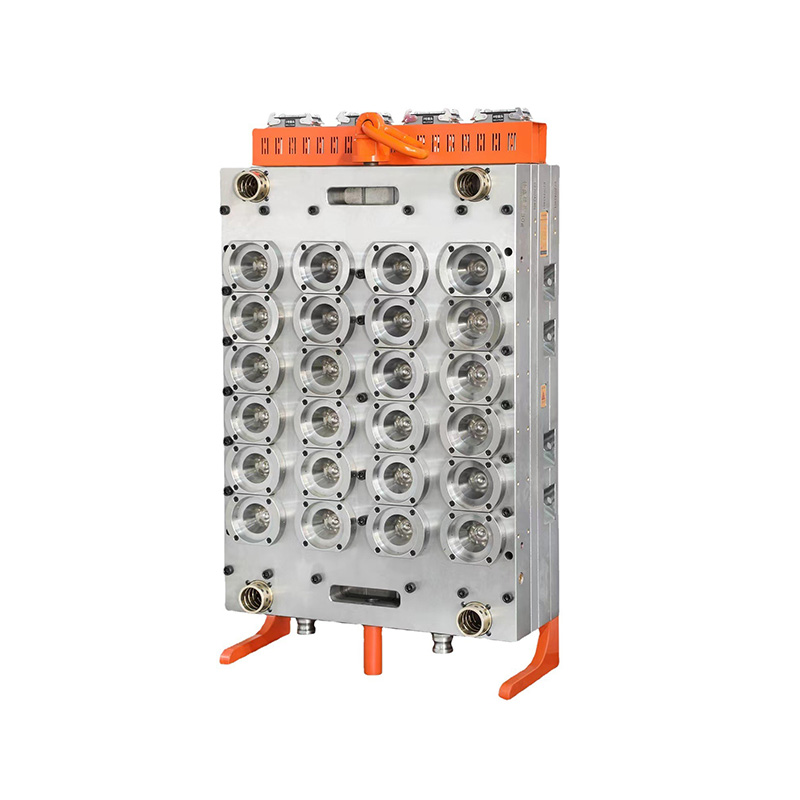
The 24-cavity preform mold is a handy tool for turning out PET bottle preforms. ...
See Details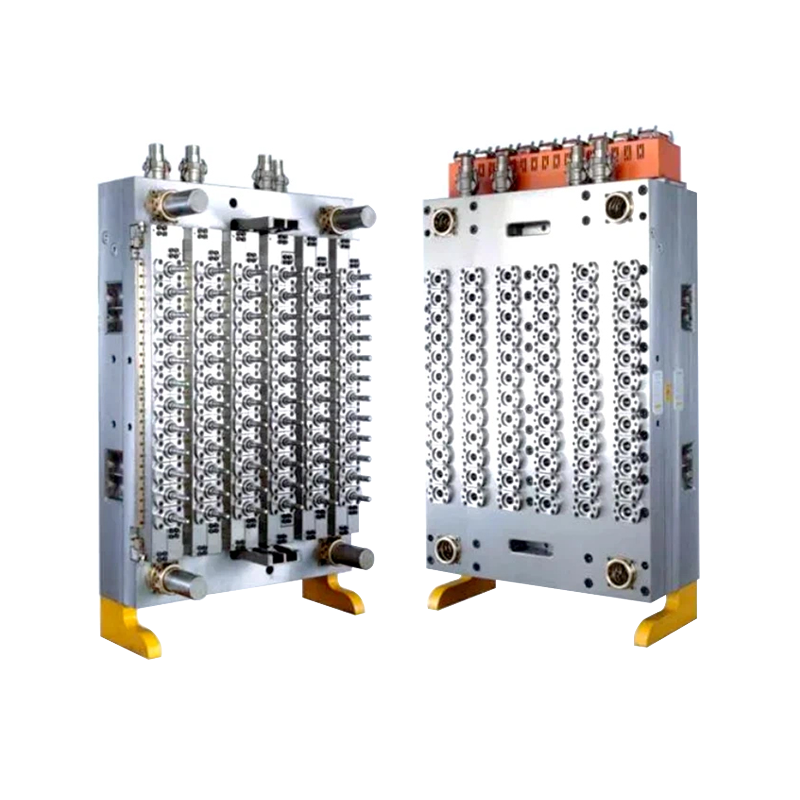
The 72-Cavity Preform Mold(Mould) is a solid, no-nonsense choice when you need t...
See Details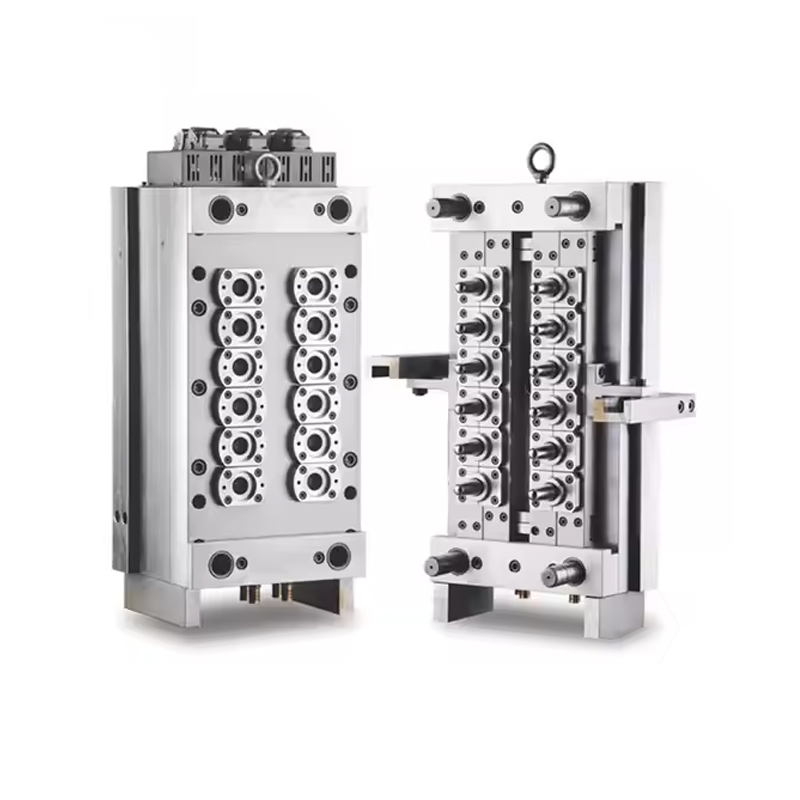
The 12-Cavity PET Preform Mold is a high-quality, durable solution designed to m...
See Details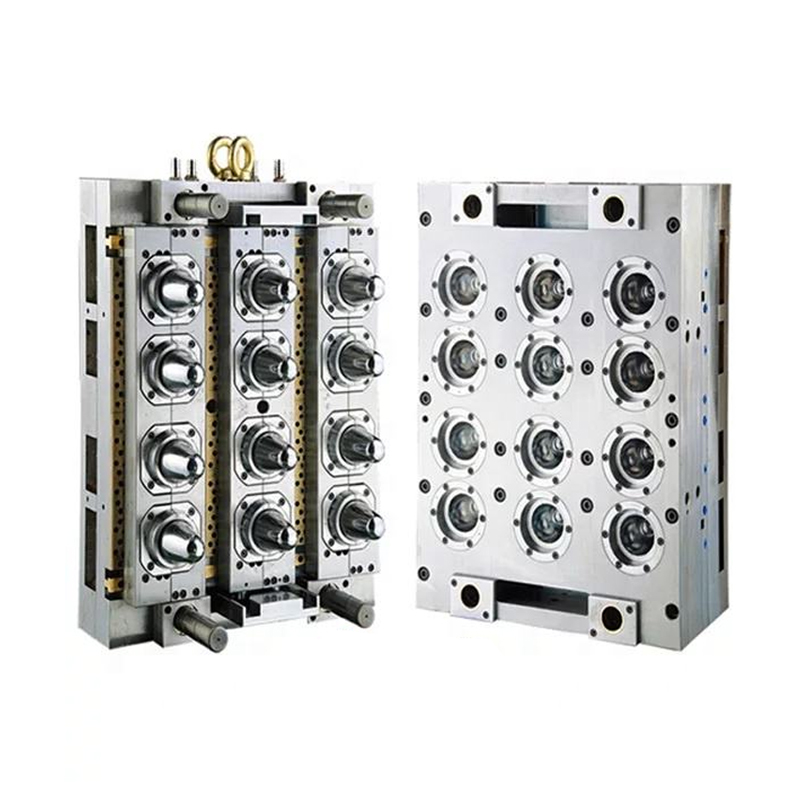
The 12-Cavity Wide-Mouth Mold(Mould) is made for manufacturers running wide-mout...
See Details
The 8-cavity wide-mouth mold is designed to produce plastic containers with larg...
See Details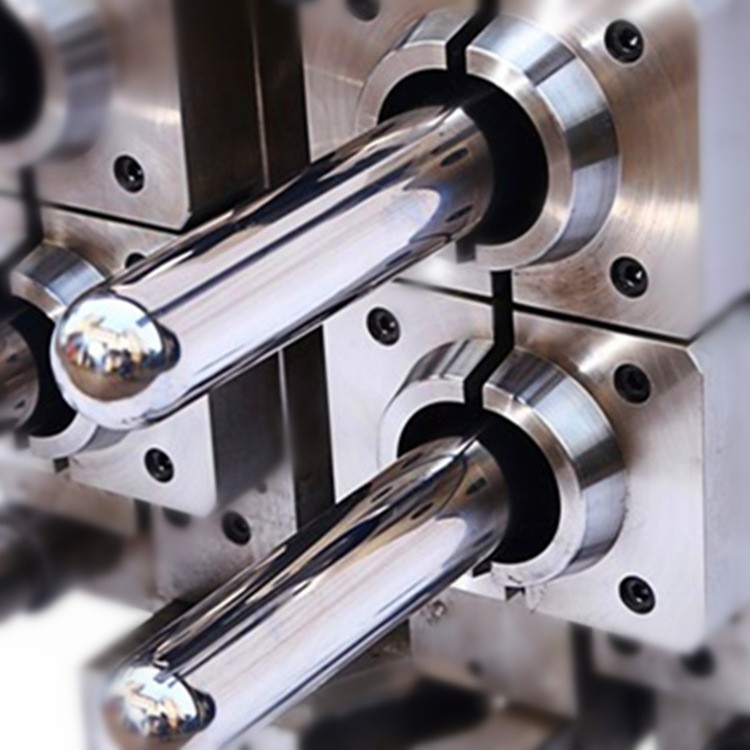
Mould Specifications Product : Preform Mould Brand : Taizhou QihongMould C...
See Details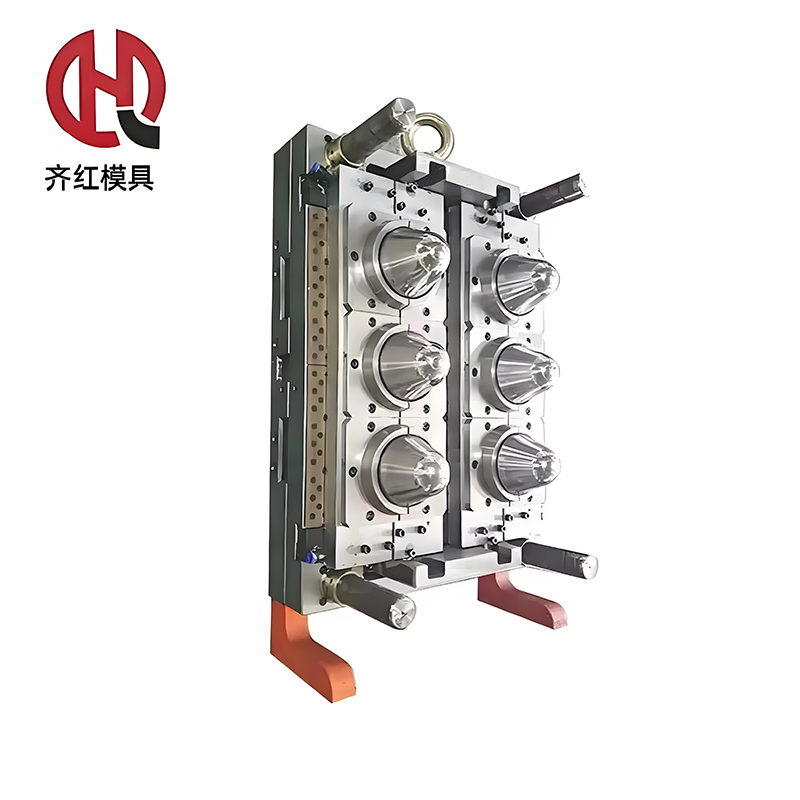
Water and beverage preform mold, Edible oil preform mold, Preform Mold for cosme...
See Details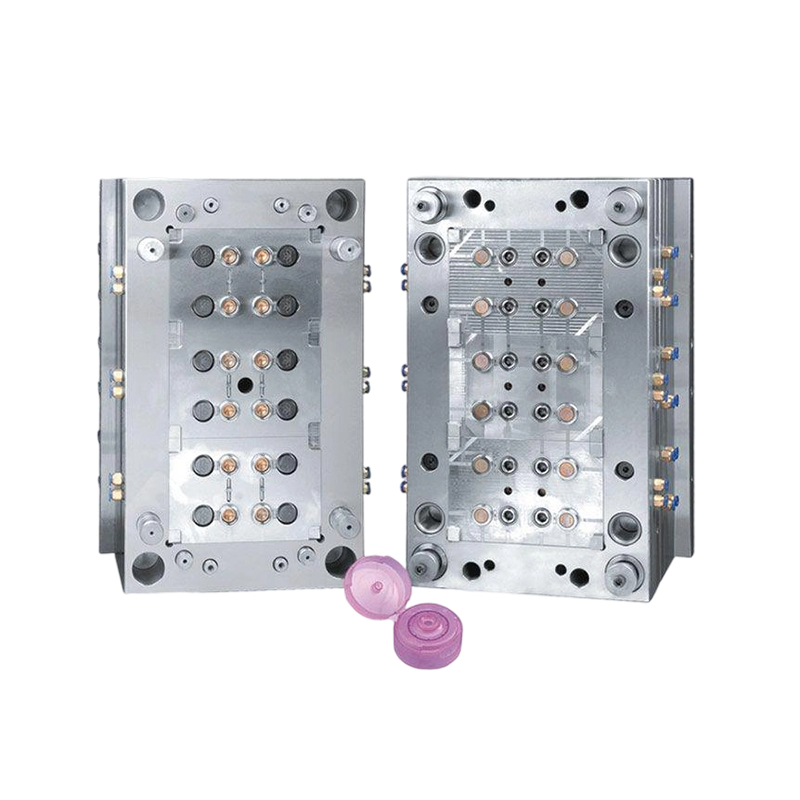
Flip Top Cap also know as Flip Top Caps & Cap mould Stopper Cap is one of ty...
See Details
WhatsApp:+(86) 13957659071 / +(86) 18158637057 / +(86) 15395760157


ADD:Baige Science and Technology Park, Huangyan District, Taizhou City, Zhejiang Province, China.