English
 русский
 عربى
عربى


24-Cavity Preform Mold(Mould)
The 24-cavity preform mold is a handy tool for turning out PET bottle preforms. ...
See Details


In the manufacturing world, maintaining your Bottle Blowing Mould is essential to ensuring reliable production. These moulds are used continuously in high-demand environments, so even minor maintenance lapses can cause production delays or inconsistencies in product quality. A good maintenance routine ensures the mould functions as intended, producing bottles with the required specifications. This article offers helpful insights on how to maintain your mould for steady, smooth operation.
One of the simplest yet most effective ways to ensure consistent performance is through regular inspections. Even small imperfections like scratches, dents, or misalignment can influence the quality of the bottles. Regular visual checks help identify these issues early before they become a bigger problem.
Inspecting the surface, cavity, and all moving components will help keep everything in good working order. Inspections should be scheduled in line with the production cycle to minimize any interruptions to operations.
Keeping your Bottle Blowing Mould clean is a fundamental part of effective maintenance. Leftover materials, lubricants, or environmental debris can accumulate in the mould over time, potentially affecting the product quality.
Using soft brushes, gentle solvents, or ultrasonic cleaning can effectively remove dirt and residues from mould surfaces. Be cautious when using abrasive materials as they can damage the surface. Regular cleaning will also help avoid contamination risks, which is particularly important when making containers for sensitive products.
| Area | Cleaning Method |
|---|---|
| Cavity surfaces | Soft brushes or gentle wiping with solvent |
| Moving parts | Compressed air or lubrication before cleaning |
| Outer surfaces | Mild detergents and soft cloths |
| Cooling channels | Flushing with water or using an approved solution |
Moving parts in the mould, such as bearings, slides, and joints, require proper lubrication to reduce friction and prevent wear. Regularly applying the right lubricant helps keep components running smoothly and ensures long-lasting performance.
Overlubrication should be avoided, as it can attract dirt and cause other issues. It's important to monitor the moving parts regularly for any signs of wear or misalignment that may affect overall performance.
Temperature plays a big role in ensuring the mould performs consistently. Uneven temperature distribution across the mould can result in uneven wall thickness or surface defects on the bottles.
Checking and maintaining temperature control systems, including cooling channels and thermal sensors, is vital. Keeping the temperature regulated ensures the mould performs as expected, reducing the chances of producing suboptimal bottles.
How you handle and store your Bottle Blowing Mould can significantly extend its life. Improper handling or storage can lead to scratches, misalignment, or unnecessary wear.
When the mould is not in use, it should be stored in a clean, dry environment. Using protective covers or storage racks helps shield the mould from dust, moisture, and other environmental factors. Proper training for operators on correct handling methods can help avoid accidental damage.
Keeping an eye on the quality of the bottles you produce is another way to monitor the mould's performance. If you notice any variations in dimensions, wall thickness, or surface finish, it may be time for an inspection or maintenance.
Maintaining records of performance can also help you track trends and schedule maintenance activities based on actual needs. This approach helps avoid unnecessary downtime and ensures that production runs smoothly.
Over time, small adjustments to the mould may be needed to maintain the ideal performance. Aligning components, adjusting pressure, or calibrating moving parts helps keep the process running efficiently and keeps bottle quality consistent.
By carefully documenting any changes or adjustments, you can ensure best practices are followed, and you'll have a useful reference for future maintenance.
Always consider safety when performing maintenance tasks. Ensure proper lockout procedures are followed, and provide personal protective equipment (PPE) for those involved in cleaning, inspecting, or adjusting the mould.
Maintaining safety standards while handling moving parts, high temperatures, or cleaning agents helps reduce risks and ensures that operations remain smooth and safe.
The environment in which the mould operates also plays a role in its performance. Temperature fluctuations, humidity, and dust can impact the quality of the mould and, in turn, the bottles produced.
Making sure that the production area is clean and well-maintained can reduce these factors. Furthermore, understanding the operational conditions, such as production speed and material properties, can help tailor your maintenance approach for optimal results.
A well-organized approach to maintenance ensures consistency and reduces the chance of unexpected breakdowns. Regular inspections, cleaning, lubrication, and monitoring are all essential parts of an effective maintenance plan.
Some manufacturers also opt for predictive maintenance, which uses data and trends to optimize maintenance schedules. This strategy helps reduce downtime and ensures the mould is always performing at its best.
Regularly inspect mould surfaces and moving parts for any damage or wear.
Clean moulds thoroughly after each production cycle using gentle, appropriate methods.
Lubricate moving parts correctly, ensuring no excess grease or oil.
Maintain a consistent temperature to avoid product defects.
Store moulds in clean, dry, and safe locations when not in use.
Track performance and address issues before they escalate.
Train staff on safe handling, cleaning, and adjustment procedures.
Maintaining a Bottle Blowing Mould is key to keeping production efficient and ensuring the quality of your bottles. A good maintenance routine that includes regular inspections, proper cleaning, correct lubrication, and careful handling will help avoid costly disruptions and extend the lifespan of your moulds.
With consistent attention and smart maintenance strategies, your mould can continue to produce high-quality bottles for your operations, ensuring that your manufacturing processes stay efficient, smooth, and reliable.
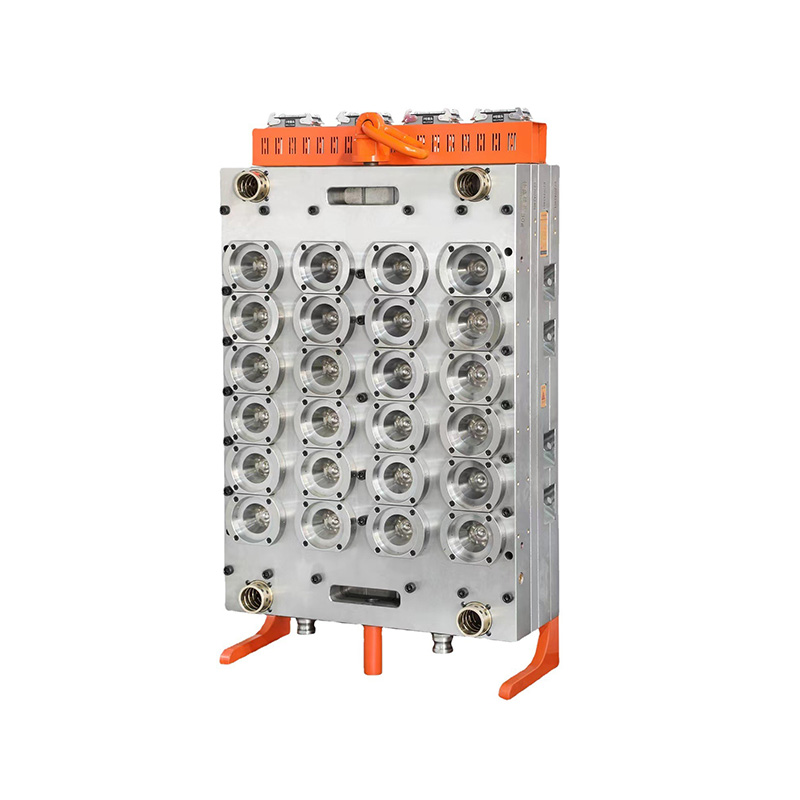
The 24-cavity preform mold is a handy tool for turning out PET bottle preforms. ...
See Details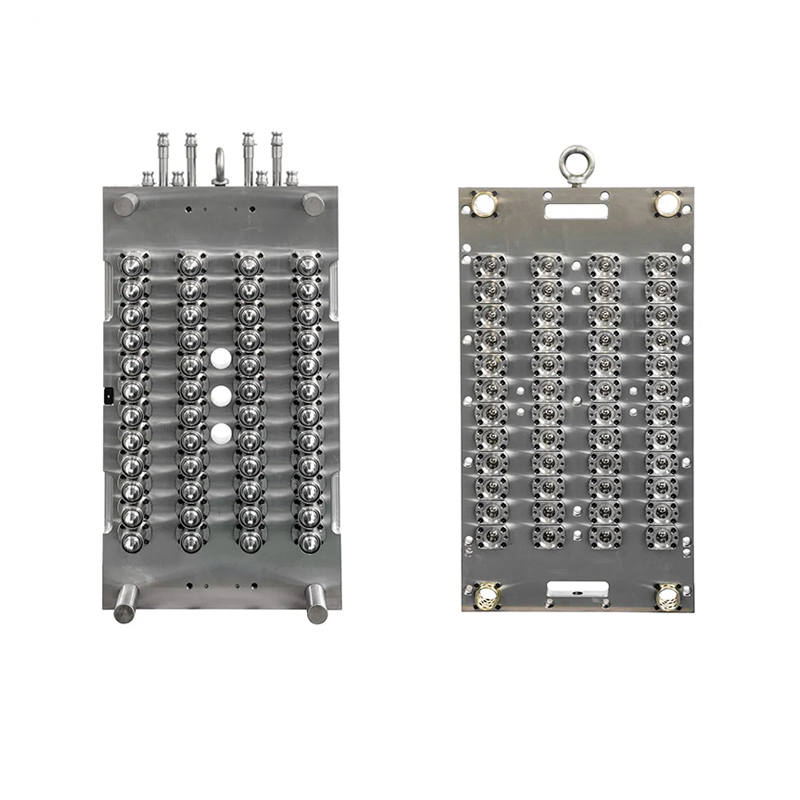
The Qihong 48-Cavity Preform Mold(Mould) is the ideal choice for high-volume PET...
See Details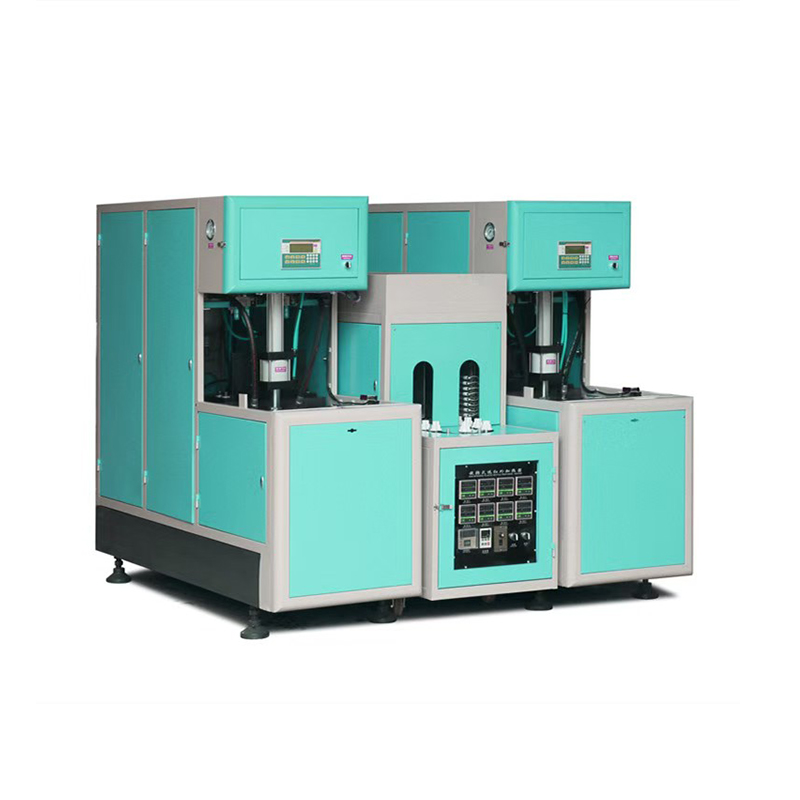
Semi-Automatic Blowing Machines are specialized machines used in the production ...
See Details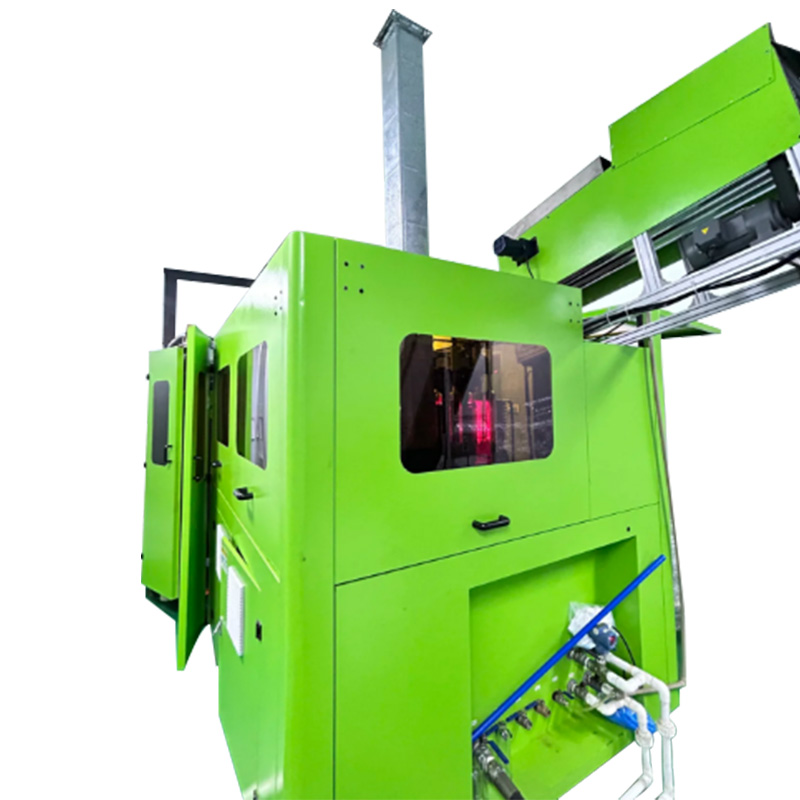
Automatic blowing machines are essential equipment in modern bottle manufacturin...
See Details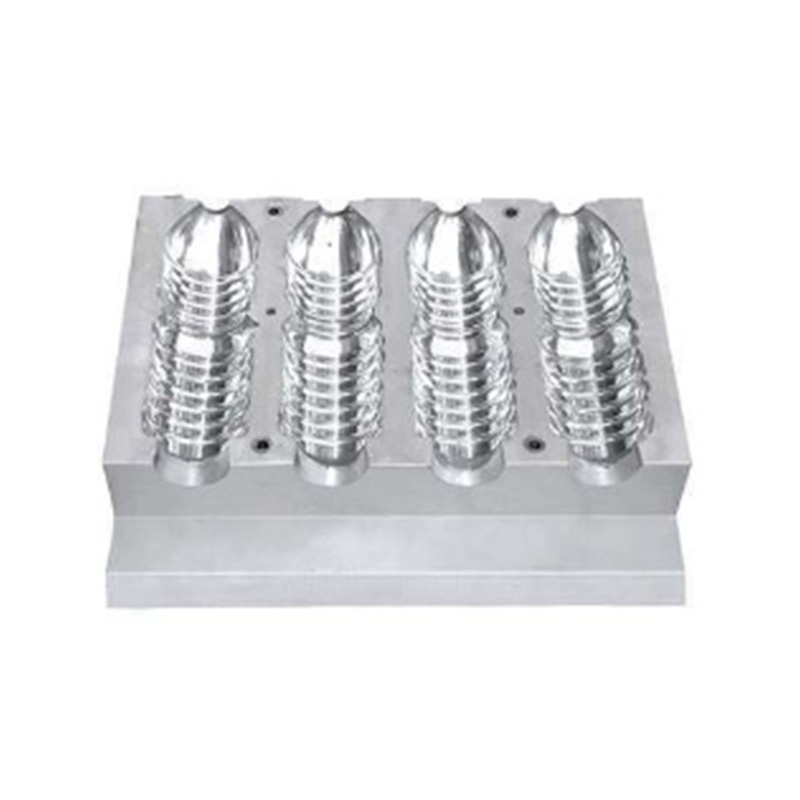
Product Name: Water/Beverage Bottle Mold A Water/Beverage Bottle Mold is a speci...
See Details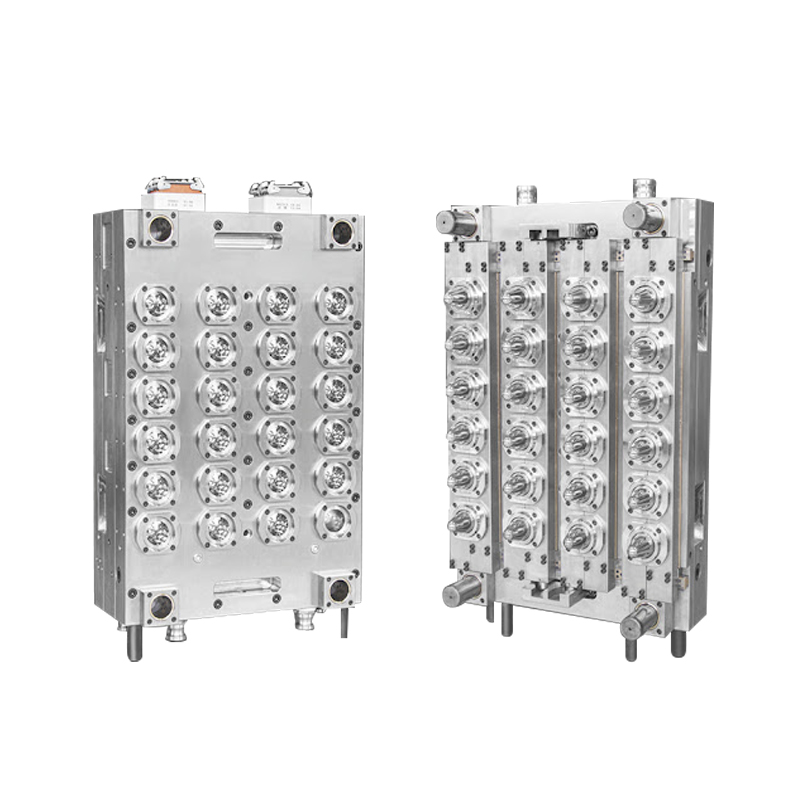
The 24-cavity wide-mouth mold is a precision tool designed for producing wide-mo...
See Details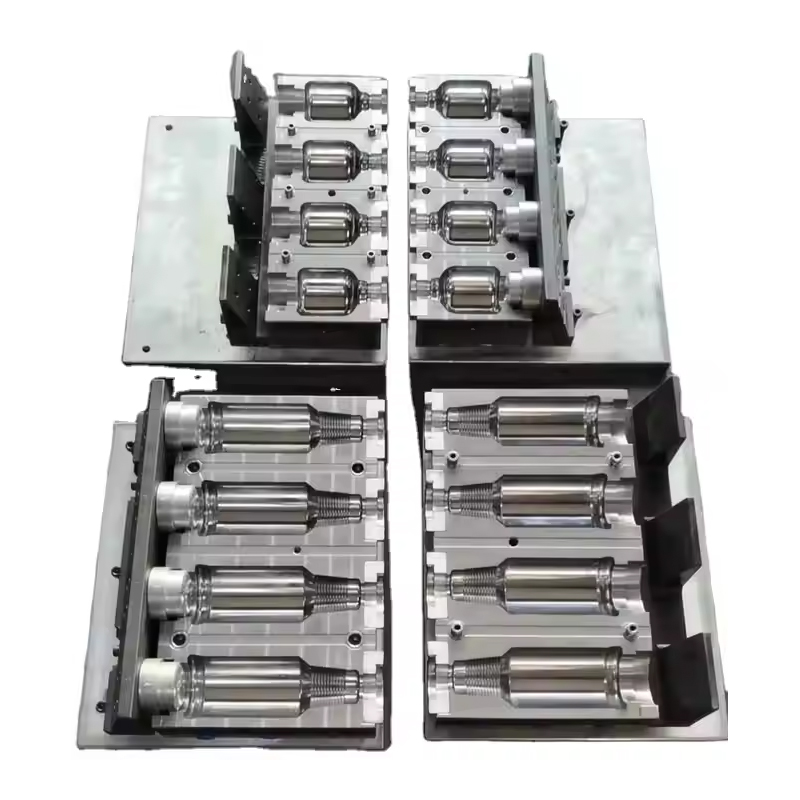
Our Cosmetic Bottle Mold is engineered for precision, reliability, and durabilit...
See Details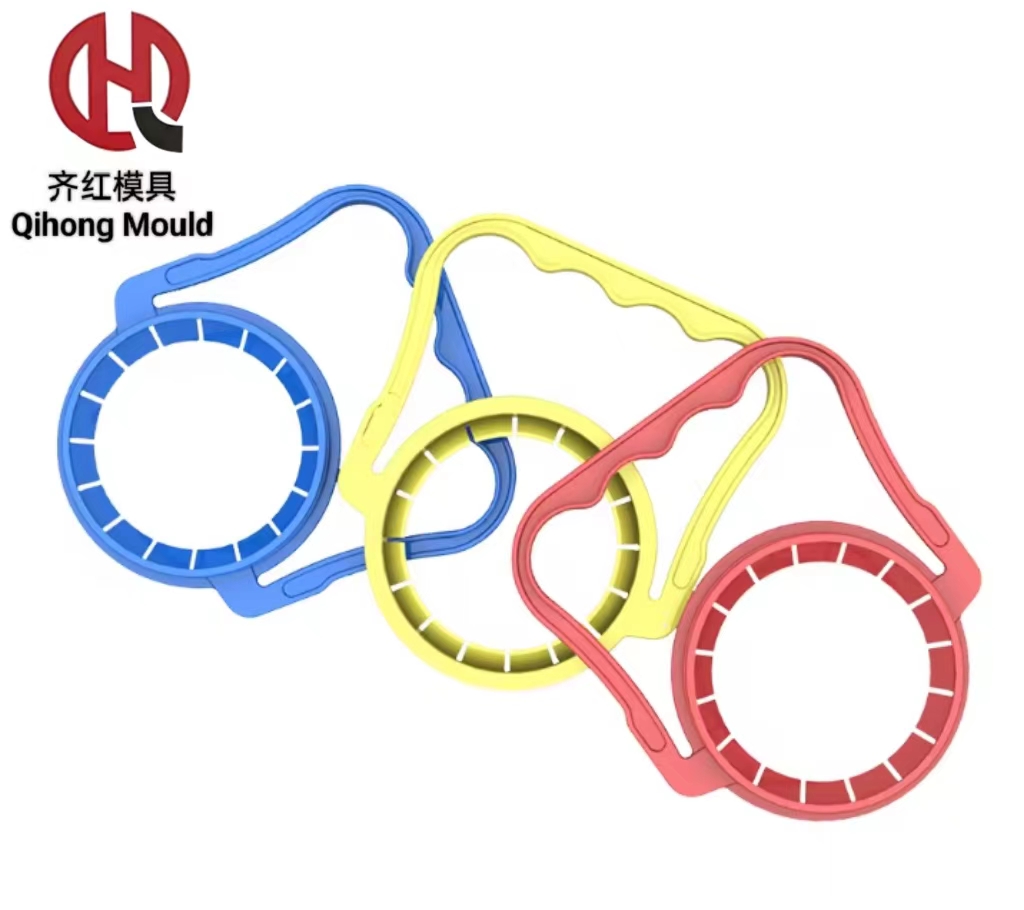
Mould Specifications Product : Plastic Handle Mould Brand : Taizhou Qihong...
See Details
WhatsApp:+(86) 13957659071 / +(86) 18158637057 / +(86) 15395760157


ADD:Baige Science and Technology Park, Huangyan District, Taizhou City, Zhejiang Province, China.