English
 русский
 عربى
عربى


72-Cavity Preform Mold(Mould)
The 72-Cavity Preform Mold(Mould) is a solid, no-nonsense choice when you need t...
See Details


For an 8-cavity preform mold, a popular choice for balancing output and tool size, the strategic use of P20 steel for the mold base and S136 stainless steel for the cavity and core inserts represents an ideal-practice approach for many manufacturers. This combination leverages the strengths of each material to achieve good performance, cost-effectiveness, and longevity.
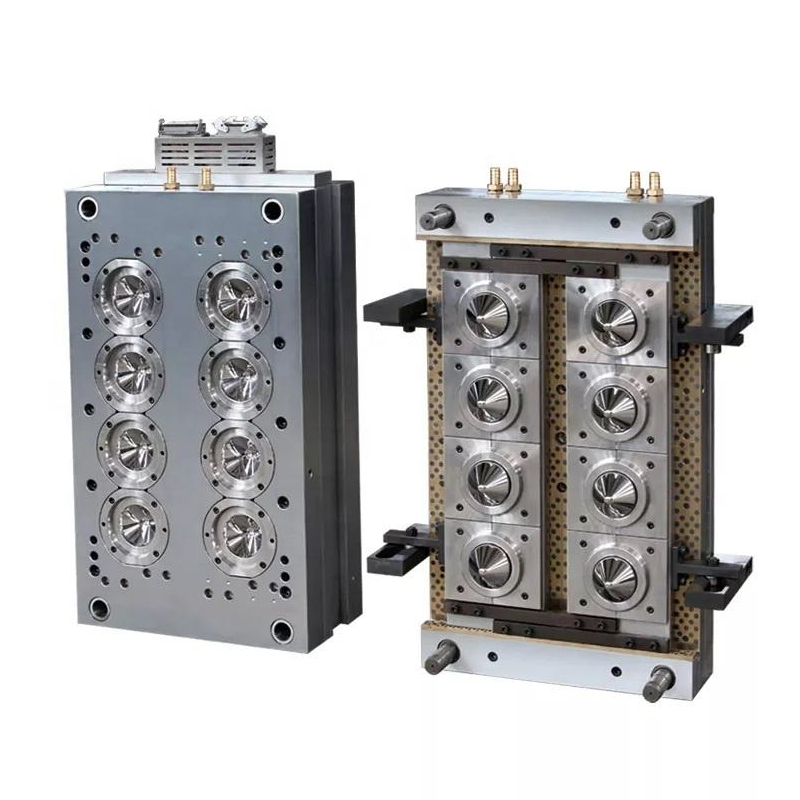
The mold base is the foundational structure that houses all the intricate components of the mold, including the inserts, guiding systems, ejection mechanisms, and cooling channels. Its primary functions are to provide robust support, ensure precise alignment, and facilitate efficient handling. P20 is a low-carbon, chromium-molybdenum alloy tool steel that is pre-hardened, typically to a hardness of 28-32 HRC. This pre-hardened state is its more significant advantage for a mold base application.
Using P20 eliminates the need for heat treatment after machining, drastically reducing lead time and cost for fabricating the large, complex mold base structures. Its excellent machinability in its supplied condition allows for faster milling, drilling, and tapping of numerous holes and channels required for water lines and ejector pins. Furthermore, P20 offers good uniformity of hardness throughout large sections, ensuring dimensional stability and resistance to warping under the immense clamping forces of an injection molding machine. While its surface hardness and wear resistance are lower than that of premium hardened steels, this is perfectly acceptable for the mold base, which is not directly involved in forming the plastic or withstanding significant abrasive wear.
In stark contrast to the supportive role of the mold base, the cavity and core inserts are the critical components that directly shape the molten PET into the precise geometry of the preform. These inserts face a brutal operating environment: high injection pressures, abrasive glass-filled or flame-retardant materials, constant thermal cycling between 5°C and 120°C, and more critically, the corrosive breakdown products released by PET during processing.
This is where S136 becomes indispensable. Its defining characteristic is its outstanding corrosion resistance, which protects the mirror-polished surfaces of the cavities from pitting and staining caused by acidic residues. This ensures that every preform produced has a flawless internal and external surface finish, which is crucial for the clarity and aesthetic quality of the final bottle.
Beyond corrosion resistance, S136 offers other vital properties. It can be hardened to 48-52 HRC, providing exceptional resistance to wear and abrasion, which maintains the precise dimensions of the preform over millions of cycles. Its excellent polishability allows mold makers to achieve the ultra-high-gloss finish required for crystal-clear preforms. Additionally, it possesses good dimensional stability during heat treatment, which is crucial for maintaining the tight tolerances necessary in an 8-cavity mold where every preform must be identical.
The 8-cavity configuration is a testament to the synergy between these two materials. The P20 mold base provides a stable, cost-effective, and easily machinable foundation. Its rigidity ensures that the eight S136 inserts are held in perfect alignment cycle after cycle, preventing flash and ensuring consistent part weight across all cavities.
The superb properties of the S136 inserts guarantee that each of the eight cavities performs identically and reliably over a long production lifespan. Their corrosion resistance minimizes downtime for cleaning and maintenance, while their wear resistance ensures that the mold can produce millions of preforms without a loss in dimensional accuracy or surface quality. This is essential for high-volume production runs typical in the beverage industry.
The selection of P20 for the mold base and S136 for the inserts in an 8-cavity preform mold is a strategic decision that balances performance, cost, and longevity. It exemplifies a "right material for the right job" philosophy. The P20 provides the strong, stable, and economical backbone, while the S136 inserts provide the durable, corrosion-resistant, and high-precision working surfaces. Together, they form a robust and reliable manufacturing system capable of producing high-quality PET preforms efficiently and consistently, meeting the relentless demands of the global packaging market. This material combination remains a gold standard for a wide range of applications beyond preforms, wherever corrosion resistance and perfect surface finish are critical.
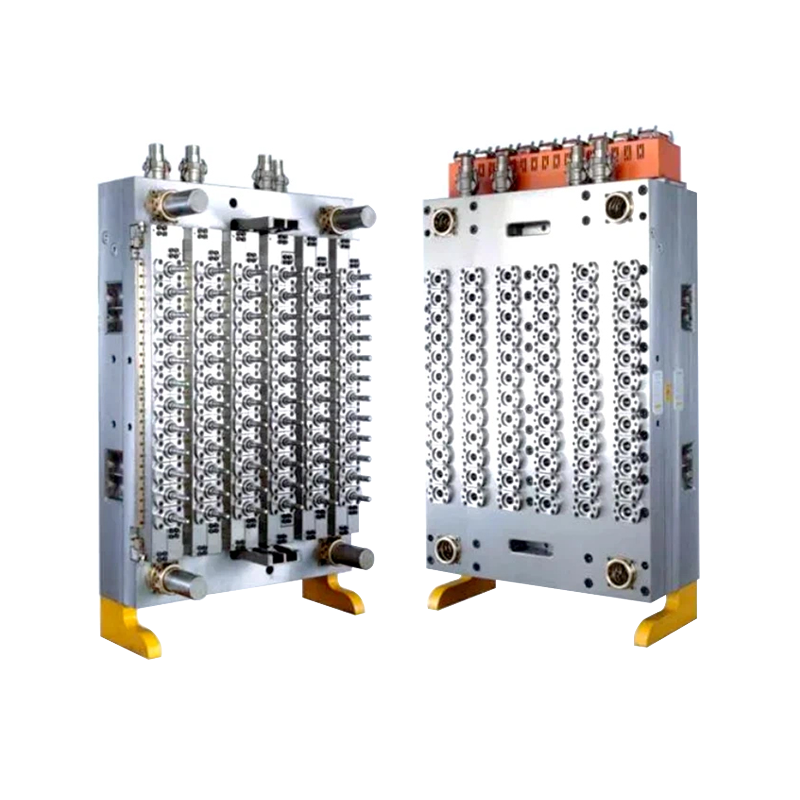
The 72-Cavity Preform Mold(Mould) is a solid, no-nonsense choice when you need t...
See Details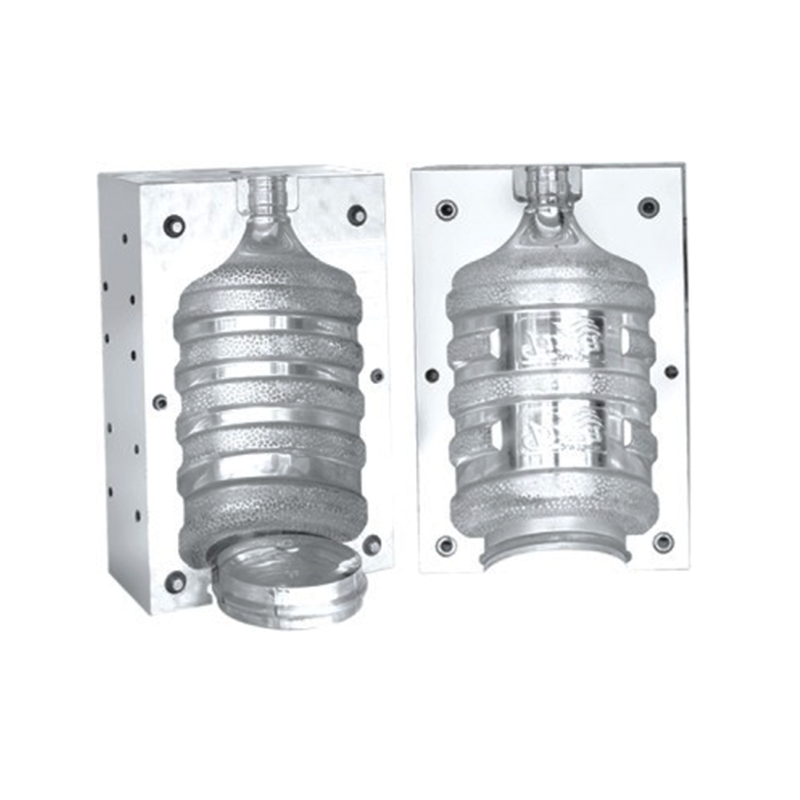
This Five Gallons Bottle Mold(Mould) comes straight out of Taizhou, Zhejiang—bui...
See Details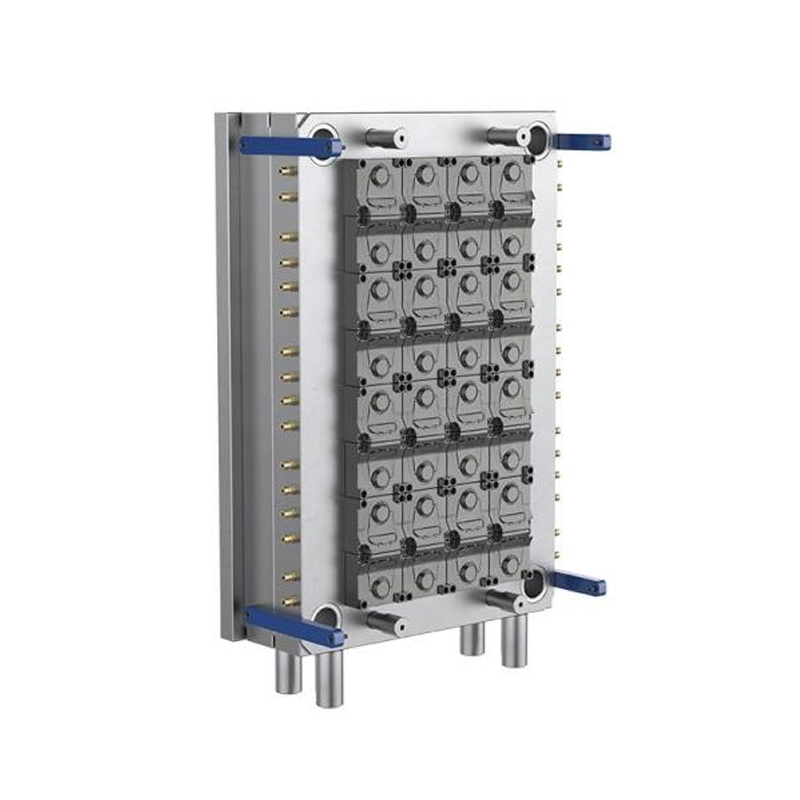
A Handle Mold is a specialized mold used in the manufacturing of plastic handles...
See Details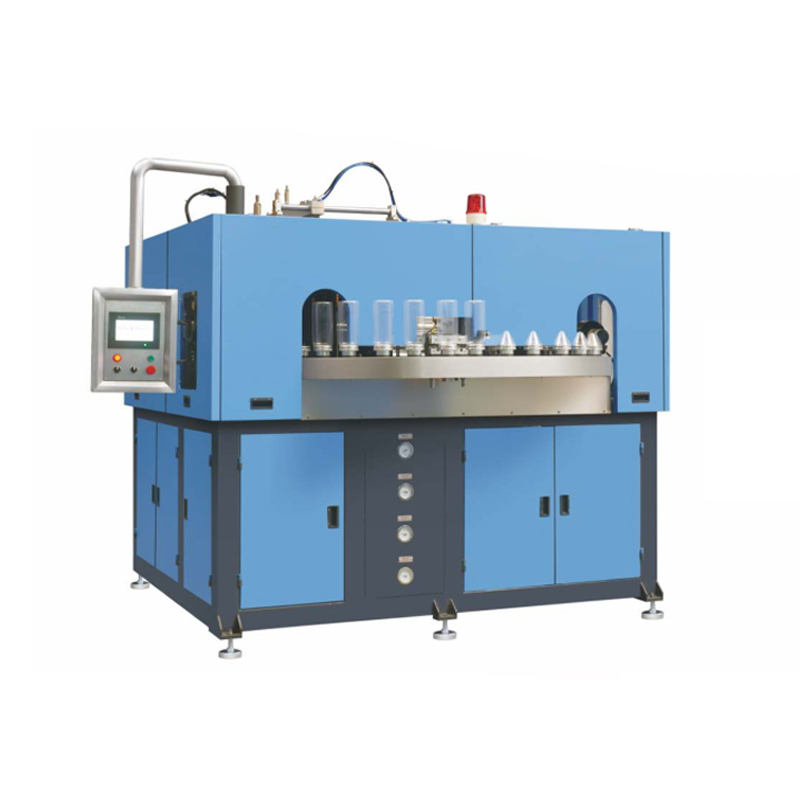
The hand-feeding blowing machine is an efficient tool designed for producing hig...
See Details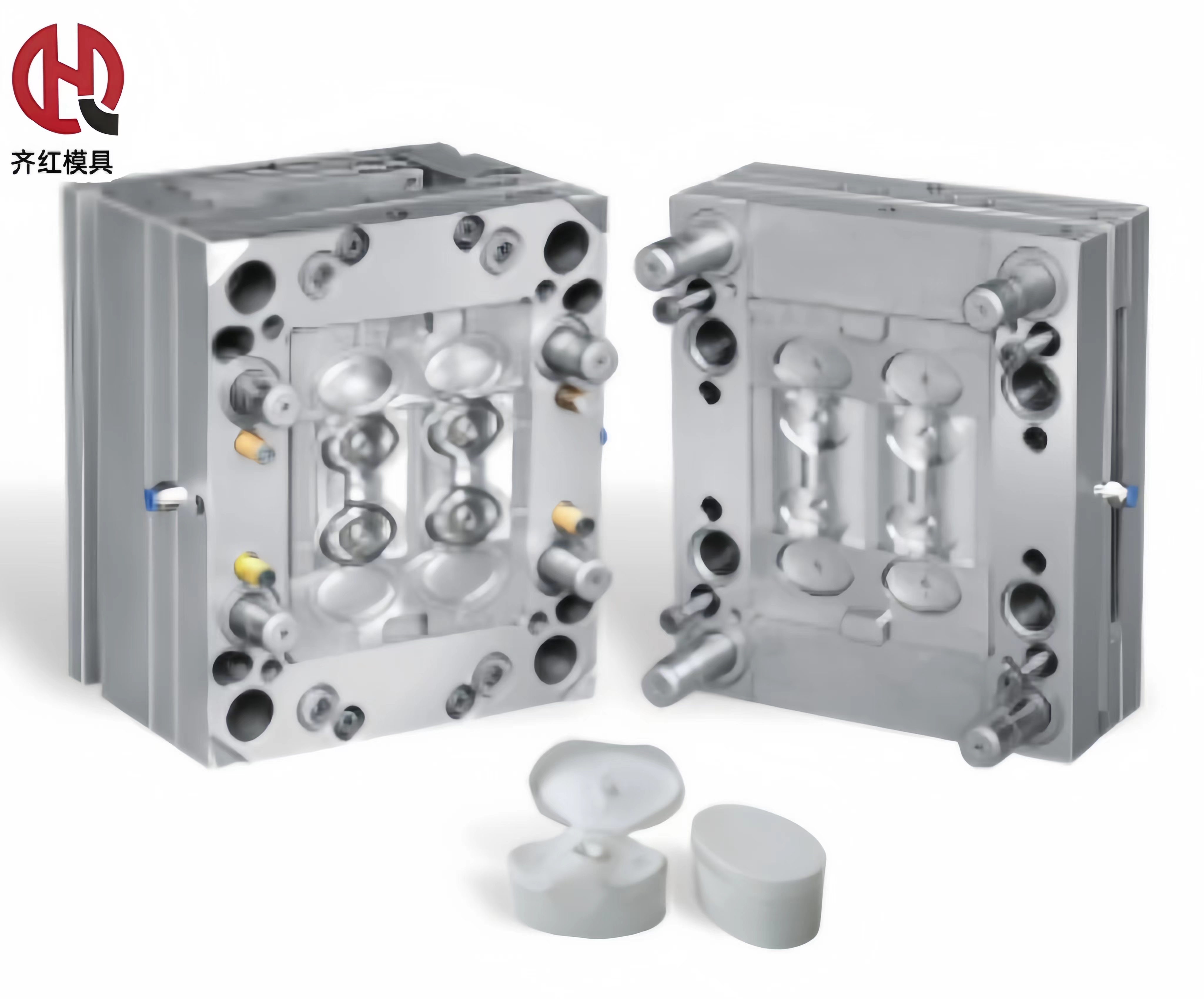
Plastic Cap Mould is designed for high precision plastic cap production. The Chi...
See Details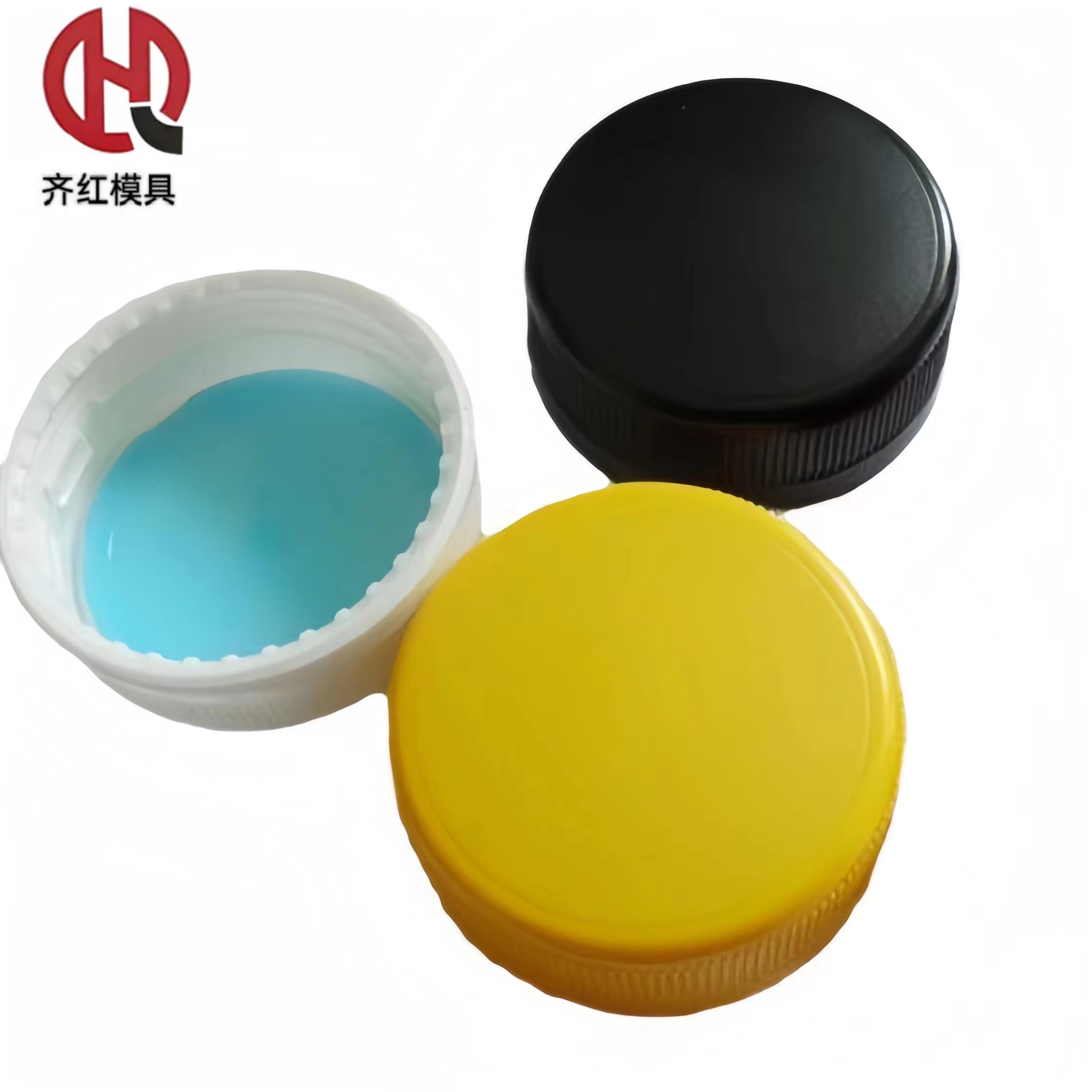
Mould Specifications Product : Cap Mould Brand : Taizhou QihongMould Co.,L...
See Details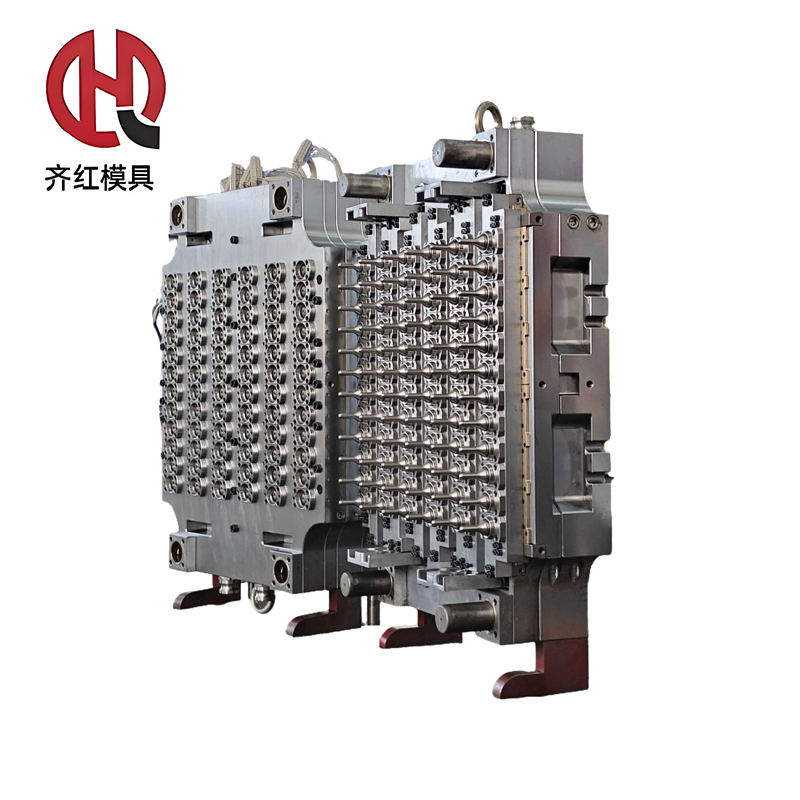
Standardization of mold partsHigh-precision processing equipment is used to ensu...
See Details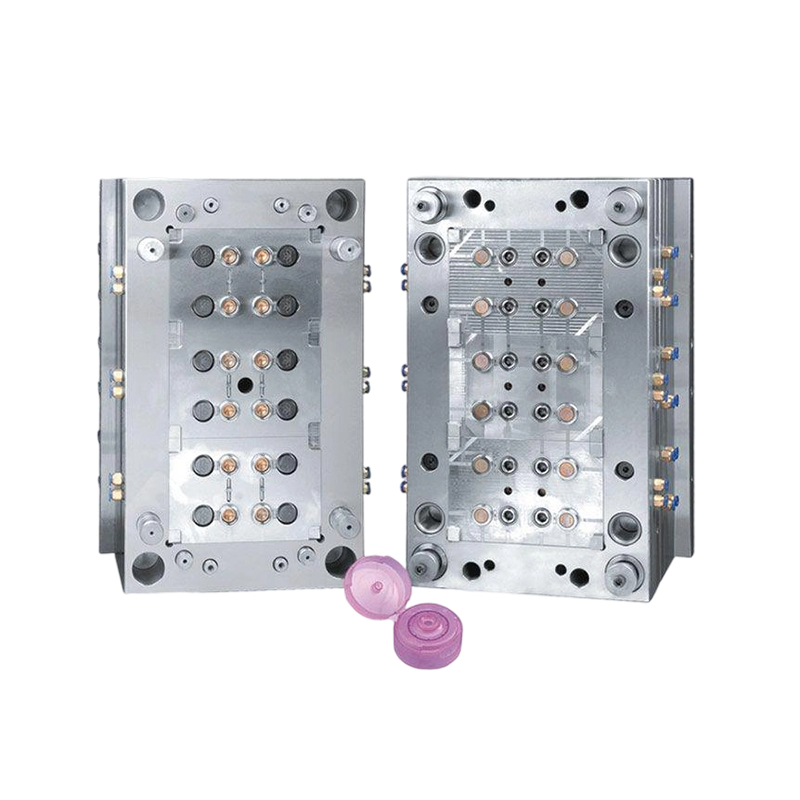
Flip Top Cap also know as Flip Top Caps & Cap mould Stopper Cap is one of ty...
See Details
WhatsApp:+(86) 13957659071 / +(86) 18158637057 / +(86) 15395760157


ADD:Baige Science and Technology Park, Huangyan District, Taizhou City, Zhejiang Province, China.