English
 русский
 عربى
عربى


48-Cavity Preform Mold(Mould)
The Qihong 48-Cavity Preform Mold(Mould) is the ideal choice for high-volume PET...
See Details


What Is Cap Molding
In the world of modern packaging, precision and reliability play essential roles in creating closures that ensure safety, functionality, and design appeal. The process of cap molding represents a key method for forming durable and secure components used in bottles, jars, and containers across a wide range of industries.
This molding technique involves shaping molten thermoplastic material into a specific design using carefully engineered tools. The result is a closure that maintains consistency, strength, and a dependable seal. These molded products are essential for sectors such as food and beverages, cosmetics, pharmaceuticals, and household goods, where hygiene and performance are equally important.
The entire production sequence focuses on achieving uniformity. From melting and injection to cooling and ejection, every stage demands precise control to ensure that the final piece matches its intended specifications. Engineers often design molds that balance efficiency with structural integrity, enabling a smooth manufacturing cycle and minimal waste.
Material choice plays a critical role in performance. Different plastics are selected based on durability, chemical resistance, and sealing requirements. For example, some applications require lightweight flexibility, while others need enhanced rigidity for secure closure. This adaptability allows manufacturers to meet the distinct demands of various products.
In recent years, sustainability has become a growing focus in molding technology. Factories are shifting toward recyclable resins and optimized energy consumption. These eco-conscious efforts align with global trends toward greener production and responsible material management, ensuring long-term environmental balance without compromising product quality.
The design aspect of closure production has also evolved. Modern molds allow for creative finishes, textures, and branding elements such as embossed logos or distinctive shapes. These visual details transform a functional piece into a part of brand identity, helping products stand out on retail shelves while maintaining usability and reliability.
Automation has significantly improved efficiency within manufacturing environments. Advanced machinery and computer-guided systems enhance precision, reduce human error, and support consistent production output. As a result, companies can achieve higher accuracy levels and deliver closures that perform reliably under various conditions.
This molding process has applications that reach far beyond standard consumer packaging. It is widely adopted in specialized areas like medical containers, laboratory equipment, and industrial solutions, where precision and contamination prevention are critical. The same principles of design consistency and material integrity ensure safety and performance in every field.
Ultimately, the molding of closures reflects a balance between technology, design, and responsibility. It continues to evolve with innovation, responding to the needs of global industries that depend on secure packaging solutions. By integrating advanced techniques and sustainable practices, manufacturers are shaping a future where functionality, quality, and environmental awareness coexist seamlessly.
How Are Bottle Caps Molded
The creation of bottle caps involves a detailed and carefully managed molding process that transforms raw material into precise, functional closures. Each stage requires attention to design, material behavior, and production consistency. Understanding this process provides insight into how packaging manufacturers achieve accuracy and dependability across industries.
The process typically begins with design development. Engineers and designers collaborate to determine the cap's structure, dimensions, and features based on its intended purpose. The mold is then manufactured with exact cavity measurements to produce consistent results. Proper design ensures that the final cap fits securely while maintaining ease of use and durability.
Once the mold is ready, thermoplastic material is melted and injected into the cavity under controlled conditions. This molten material fills every detail of the mold, forming the cap's shape and texture. After the injection step, the mold is cooled to allow the plastic to solidify, ensuring dimensional stability and strength. When the cooling phase is complete, the cap is ejected from the mold and moves on to finishing processes.
Finishing steps can include trimming excess material, surface texturing, or adding branding elements such as embossed logos or decorative patterns. These refinements enhance both function and appearance, contributing to product recognition and user experience. Manufacturers often adopt automated systems to maintain precision and reduce manual handling, allowing continuous operation with consistent quality.
Material selection is another key aspect. Different plastics are used depending on requirements for strength, flexibility, or resistance to external factors such as moisture and temperature. The right combination of materials and molding conditions ensures that the closure performs effectively while maintaining long-term stability.
Environmental considerations also play an increasing role in production. Many manufacturers are introducing recyclable materials and energy-efficient technologies to reduce waste and resource consumption. These adjustments support sustainability goals without compromising performance or reliability.
Quality management is present throughout every phase. Regular testing and inspection help confirm that each batch meets required standards. Dimensional accuracy, sealing function, and surface finish are among the factors checked before packaging and distribution. Continuous evaluation allows for quick adjustments when necessary, keeping production efficient and consistent.
Automation and digital monitoring have modernized the industry further. Smart equipment tracks pressure, temperature, and cycle time, optimizing each run for stability and repeatability. This technological approach minimizes material use and enhances uniformity, resulting in products that meet various functional and aesthetic needs.
Overall, the molding of bottle caps reflects an integration of engineering precision, material science, and sustainable manufacturing. The process continues to evolve, adapting to industry trends, environmental priorities, and user expectations. Through innovation and consistent refinement, packaging producers maintain a balance between function, appearance, and ecological awareness.
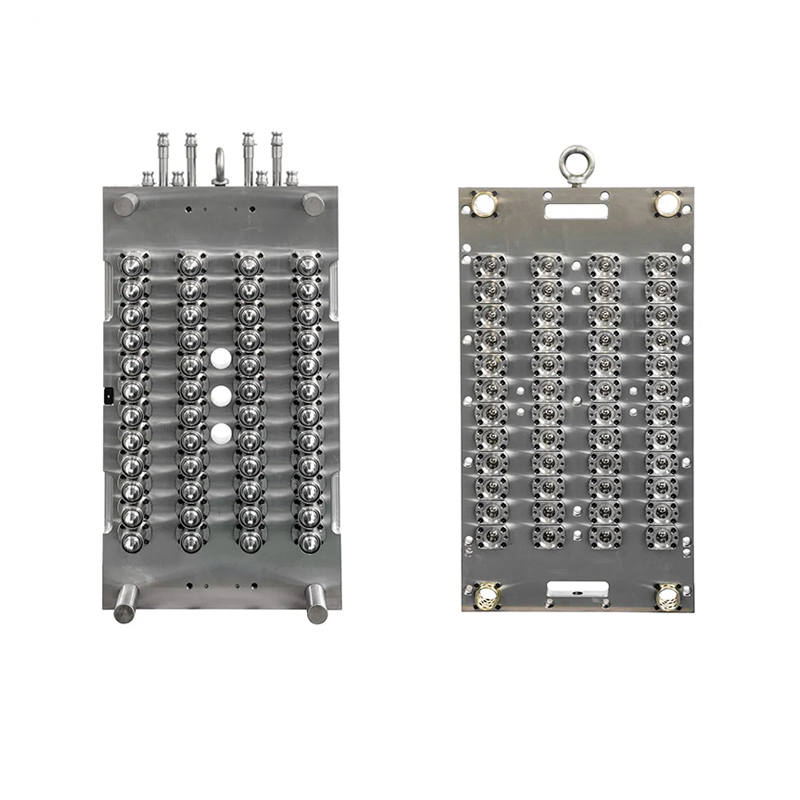
The Qihong 48-Cavity Preform Mold(Mould) is the ideal choice for high-volume PET...
See Details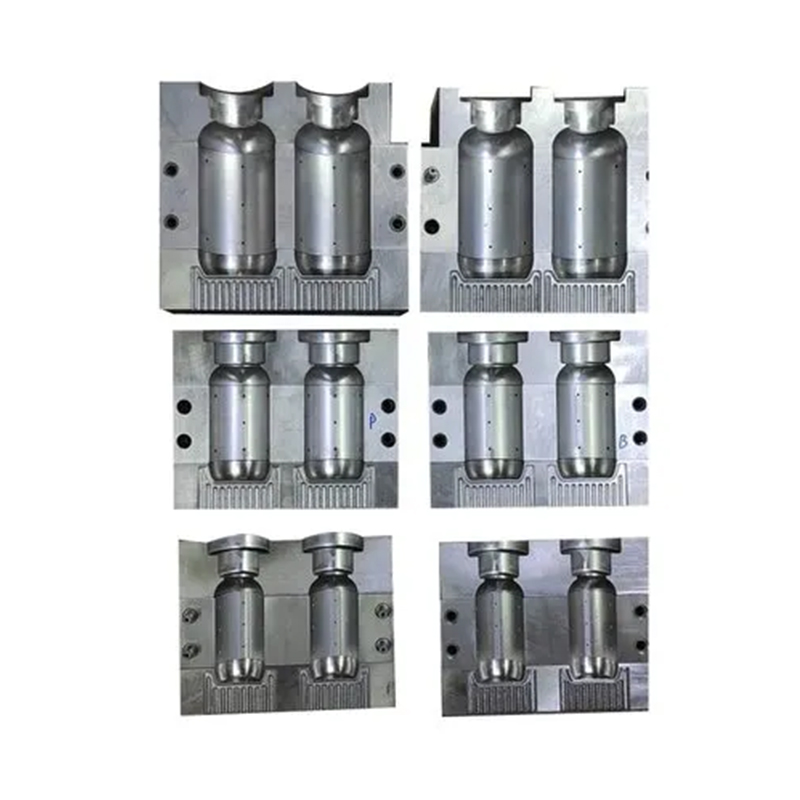
Medicine bottle molds are specialized tools designed for the efficient productio...
See Details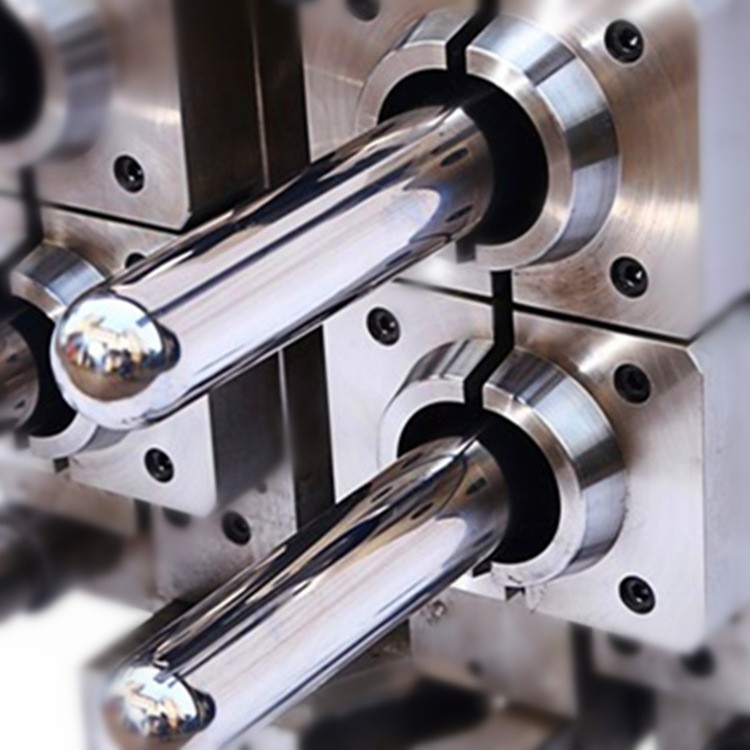
Mould Specifications Product : Preform Mould Brand : Taizhou QihongMould C...
See Details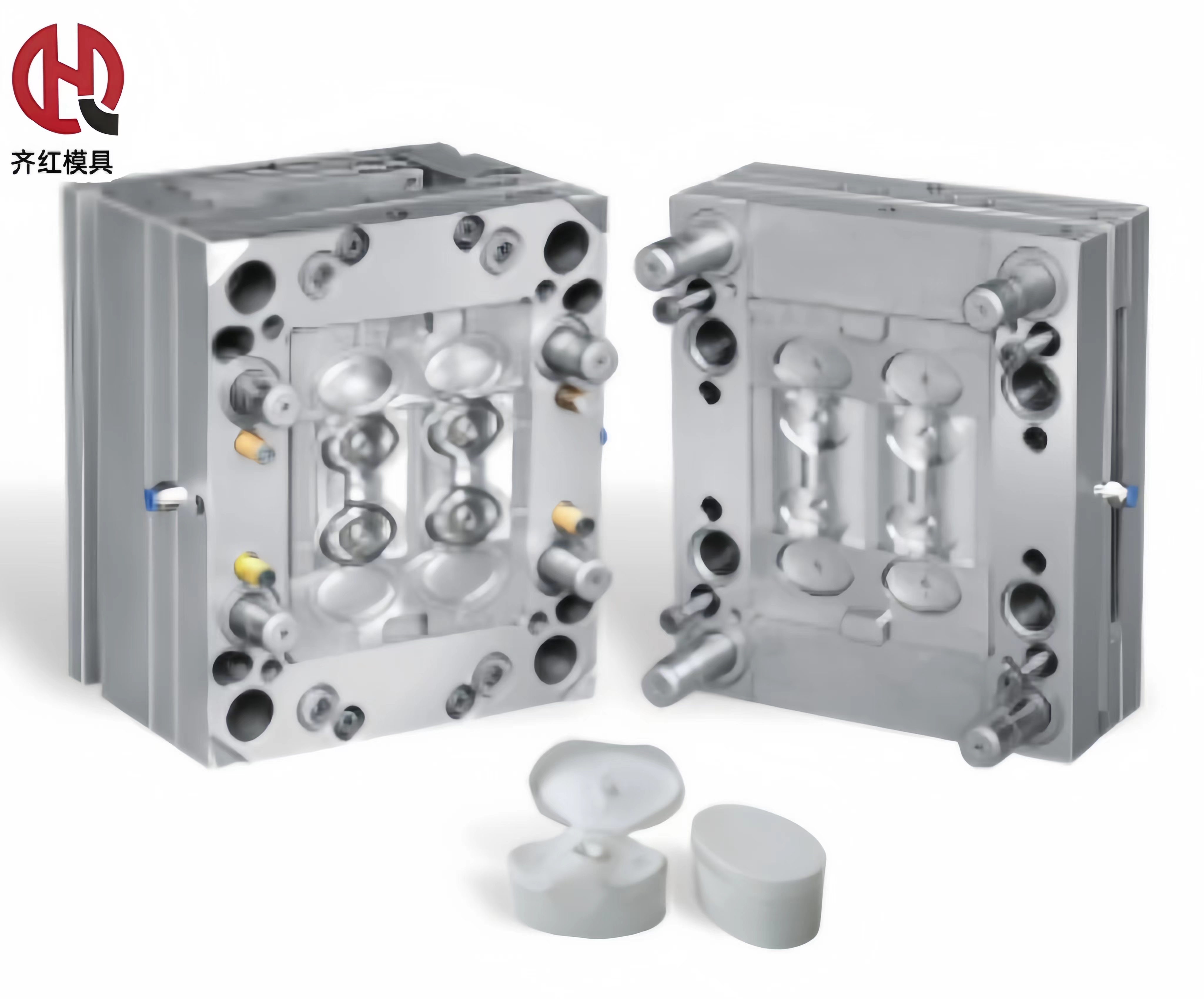
Plastic Cap Mould is designed for high precision plastic cap production. The Chi...
See Details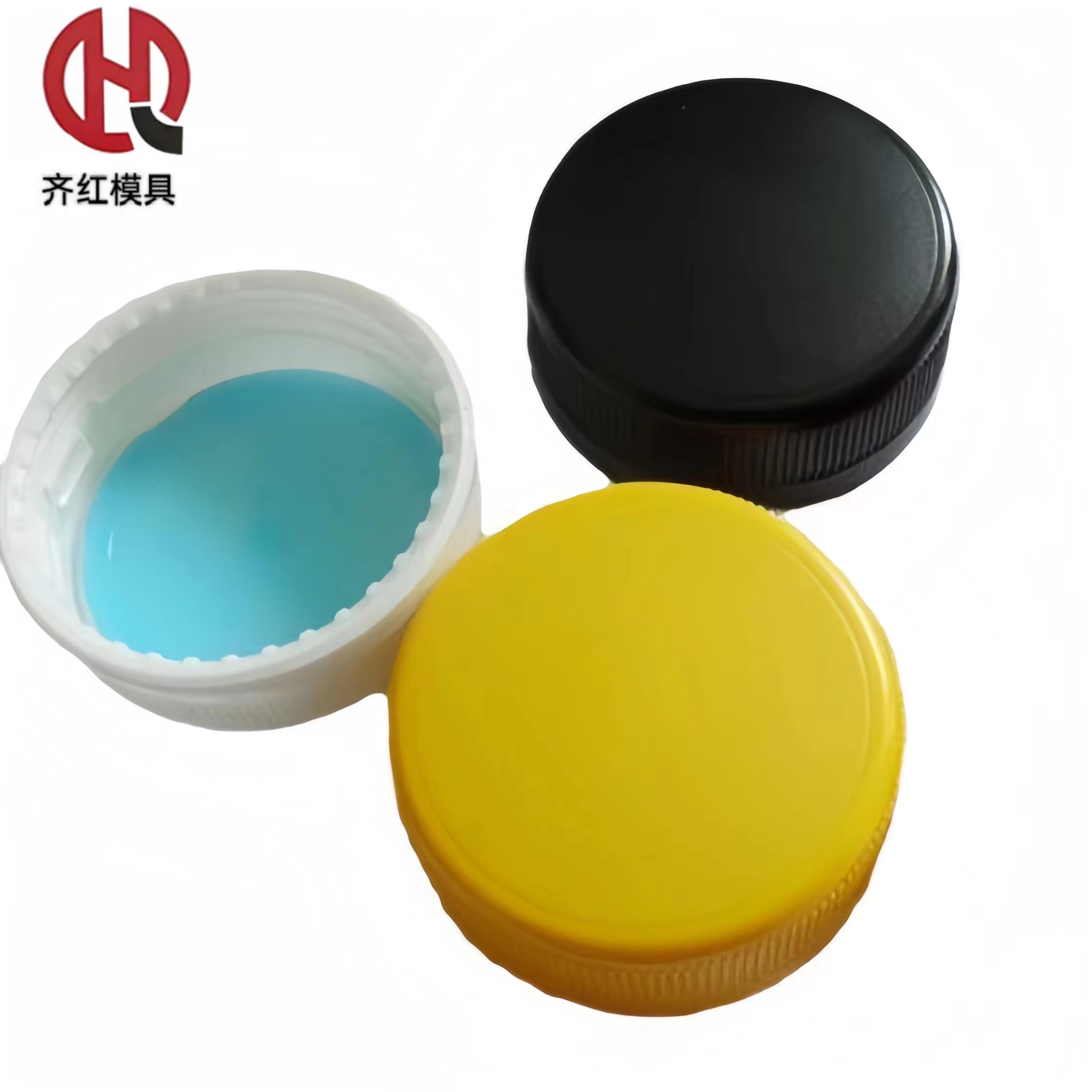
Mould Specifications Product : Cap Mould Brand : Taizhou QihongMould Co.,L...
See Details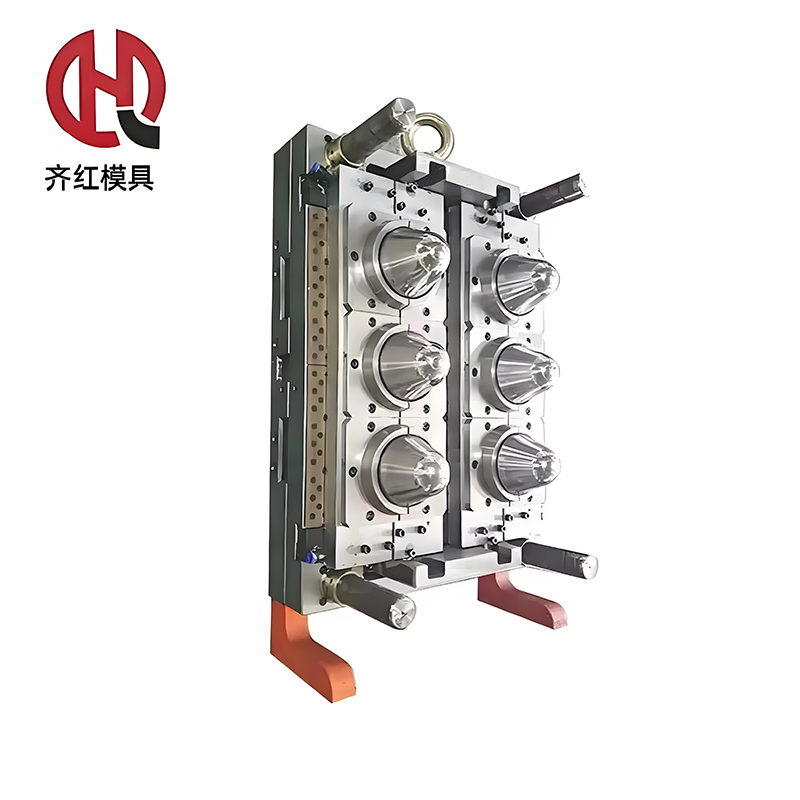
Water and beverage preform mold, Edible oil preform mold, Preform Mold for cosme...
See Details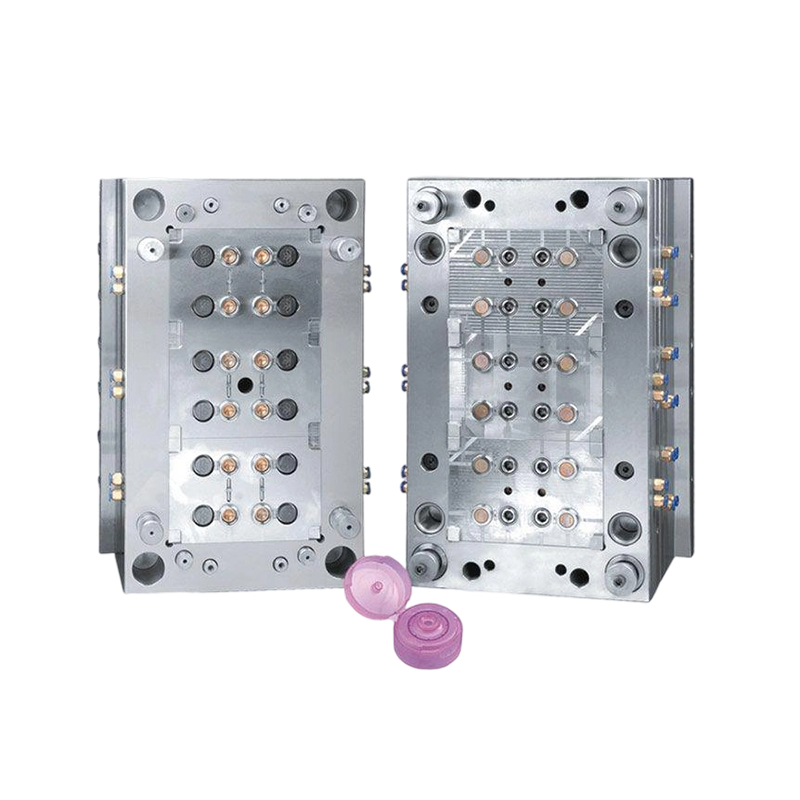
Flip Top Cap also know as Flip Top Caps & Cap mould Stopper Cap is one of ty...
See Details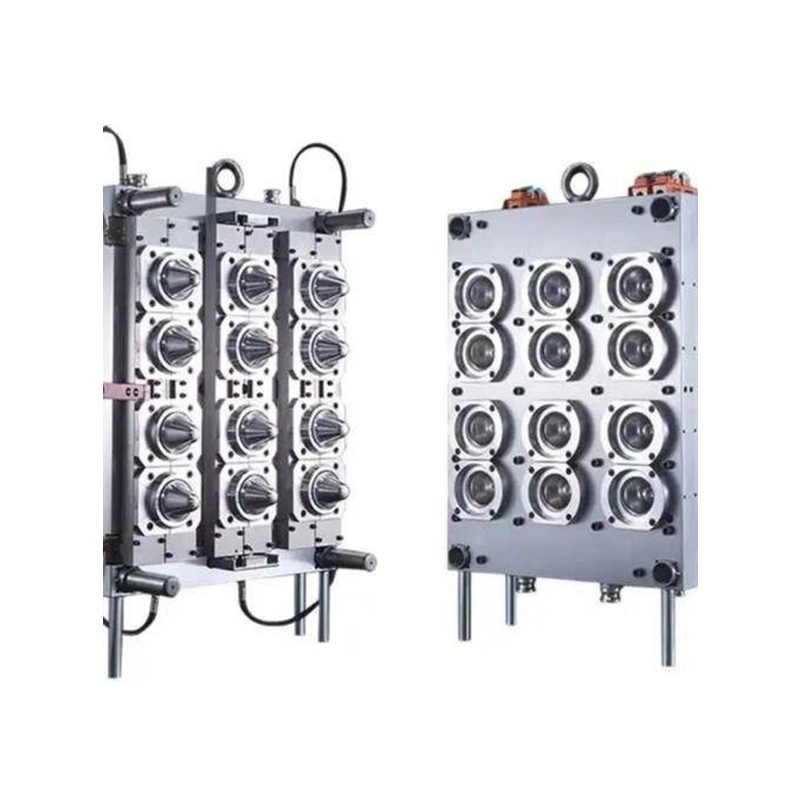
The 12 Cavities Wide Mouth Preform Moulds from Qihong are practical tools for pr...
See Details
WhatsApp:+(86) 13957659071 / +(86) 18158637057 / +(86) 15395760157


ADD:Baige Science and Technology Park, Huangyan District, Taizhou City, Zhejiang Province, China.