English
 русский
 عربى
عربى


72-Cavity Preform Mold(Mould)
The 72-Cavity Preform Mold(Mould) is a solid, no-nonsense choice when you need t...
See Details


Choosing the right Handle Mold can make a real difference in producing containers that are practical, durable, and easy to use. In injection-blow packaging, the mold does more than shape the handle—it determines how the material flows, how strong the handle feels, and how smoothly production runs. A carefully designed mold ensures each container meets quality standards while making the manufacturing process more efficient and reliable.
A handle may look simple, but achieving consistent material flow is one of the trickiest aspects of mold design. If the plastic doesn't fill evenly, thin areas or weak spots can appear, and the surface might show bubbles or slight deformations. Properly planning the placement of gates and shaping runners allows the material to move smoothly into every corner of the handle cavity. Adding vents for air escape can prevent marks and ensure a clean, uniform finish. Paying attention to flow at the design stage saves both material and production time.
Temperature plays a key role in keeping handles strong and well-shaped. Uneven cooling can cause warping, especially where the handle meets the main body of the container. Cooling channels placed strategically in the mold help the plastic solidify evenly. When heat is managed well, cycle times are reduced, the final product retains its shape, and the handle feels sturdy to the user.
| Feature | Function | Result |
|---|---|---|
| Cooling near handle junction | Stabilizes high-stress points | Reduces warping |
| Balanced channel layout | Promotes even cooling | Maintains shape consistency |
| Adjustable flow control | Fine-tunes cooling process | Improves efficiency |
Even small improvements in cooling can have a significant impact on overall quality and production speed.
Handles need to be functional and comfortable at the same time. Smooth contours and consistent wall thickness make lifting easier, while the angle of the handle affects how natural it feels in the hand. Designing for ergonomics ensures that the handle can withstand repeated use without weakening or bending, which in turn increases customer satisfaction and confidence in the product.
A mold that is easy to maintain saves time and extends its usable life. Modular inserts allow for quick replacement of worn parts, and a design that allows easy disassembly simplifies cleaning and adjustments. Maintenance-friendly molds keep production flowing smoothly and reduce downtime, which is especially important when handling large-scale orders.
Mold material determines durability and performance. It must withstand high pressures and temperatures while remaining dimensionally stable. Surface treatments can help reduce wear and friction, preventing the handle from sticking or deforming. Choosing materials compatible with the plastic ensures a smooth production process and consistent results across multiple runs.
Efficient mold design naturally reduces material waste. Optimizing wall thickness and runner systems minimizes flashing and rejected pieces, while consistent cavity shapes maintain uniform container weight. Less waste not only lowers production costs but also supports environmentally responsible manufacturing practices, which is increasingly important in modern packaging industries.
A mold that adapts to different container sizes or handle styles offers greater production flexibility. Modular cavities or adjustable inserts allow manufacturers to produce a range of products without creating entirely new molds. This adaptability reduces costs and allows quick transitions between product lines, which is essential for meeting varied customer requirements.
Integrating quality considerations during mold design helps avoid defects. Inspection surfaces or reference points allow operators to check handle formation during production. Automated monitoring can be combined with visual checks to ensure each handle is consistent in strength, shape, and surface finish. Maintaining this level of quality keeps production efficient and prevents costly rework.
Modern production often relies on automated lines. Smooth ejection mechanisms and precise handle orientation ensure that robots can handle containers efficiently without errors. Designing molds to work well with automation increases throughput and reduces the risk of production delays, which is crucial for high-volume manufacturing.
The best molds are rarely the product of a single perspective. Bringing together engineers, production managers, and quality specialists ensures the mold works both technically and practically. Collaboration at the design stage prevents weak points, warping, and flow issues, creating molds that are both durable and adaptable to changing production needs.
Monitoring molds during real production allows manufacturers to spot opportunities for enhancement. Adjustments to gate positions, cavity shapes, or cooling paths can improve performance over time, reduce defects, and maintain consistent quality. This iterative approach ensures that molds continue to meet operational and user requirements efficiently.
Designing molds with sustainability in mind reduces waste and energy consumption. Using materials that are efficient and safe ensures compliance with regulations and protects the end user. Environmentally conscious designs demonstrate responsible manufacturing practices while maintaining production reliability.
The handle's look can affect how consumers perceive the product. Smooth surfaces, uniform thickness, and subtle design elements make containers visually appealing while remaining functional. Consistency across production batches reinforces brand identity and ensures that handles integrate seamlessly with the overall container design.
Anticipating these issues during the design stage reduces the likelihood of production interruptions and maintains high-quality outcomes.
Mold designs must keep pace with trends such as lightweight materials, eco-friendly plastics, and automated production processes. Flexible molds allow manufacturers to adapt to market changes without extensive downtime or new tooling investments, keeping operations efficient and responsive to evolving customer needs.
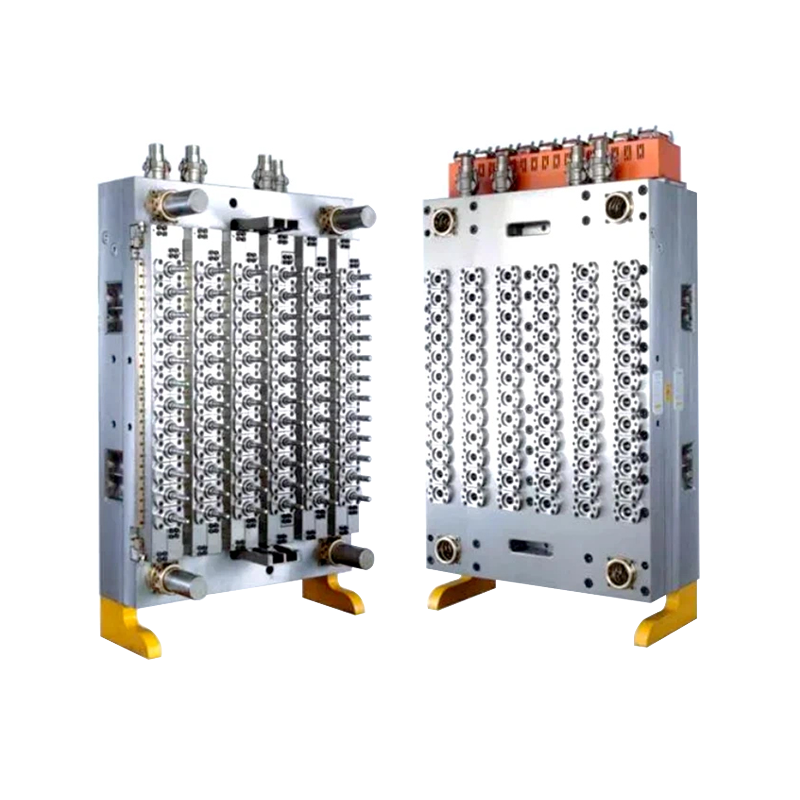
The 72-Cavity Preform Mold(Mould) is a solid, no-nonsense choice when you need t...
See Details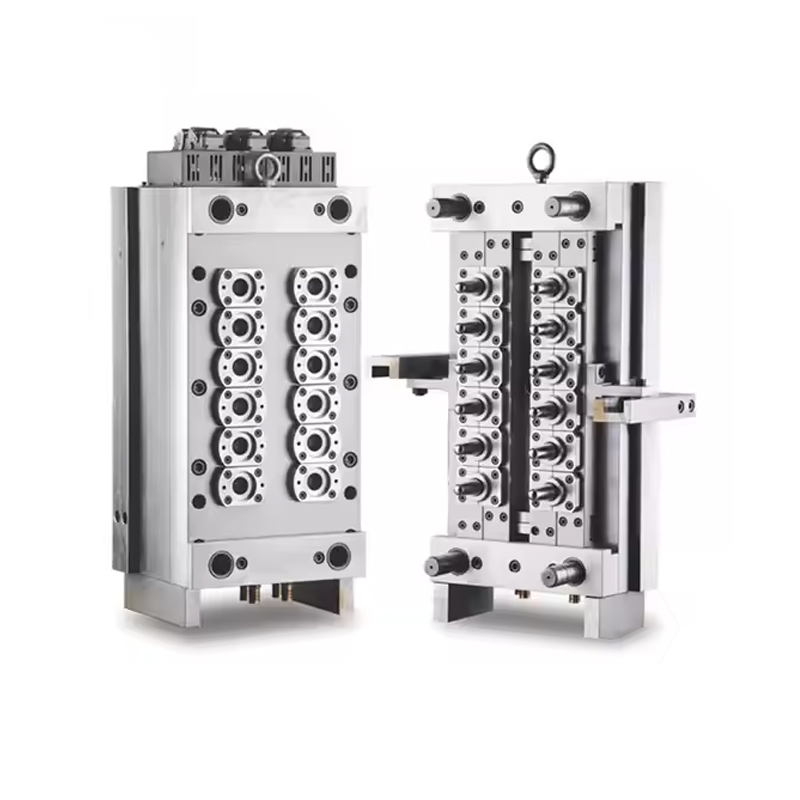
The 12-Cavity PET Preform Mold is a high-quality, durable solution designed to m...
See Details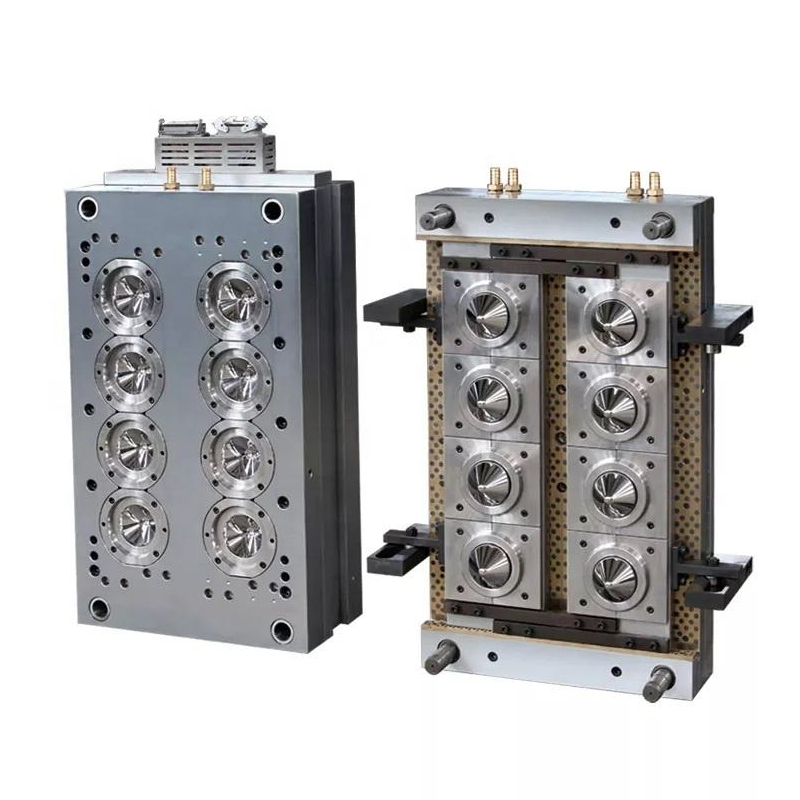
The 8-cavity wide-mouth mold is designed to produce plastic containers with larg...
See Details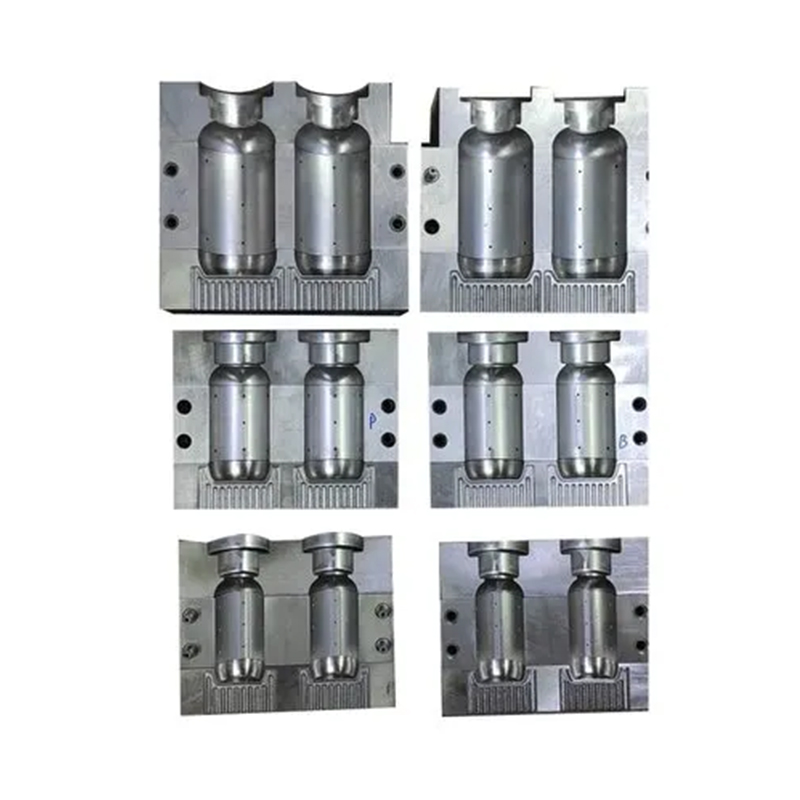
Medicine bottle molds are specialized tools designed for the efficient productio...
See Details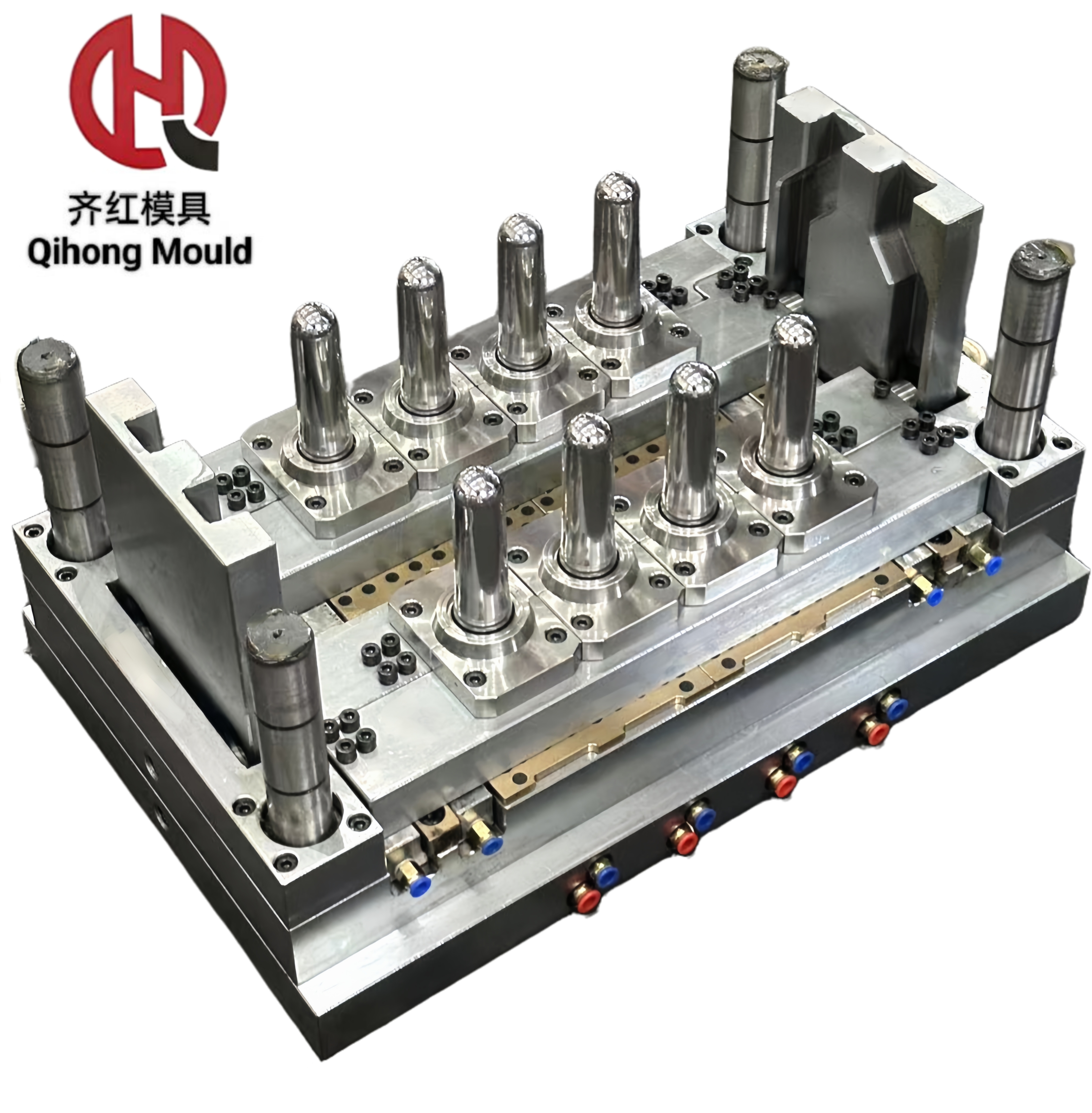
Jar Preform Mold is designed for accurate and efficient production of plastic pr...
See Details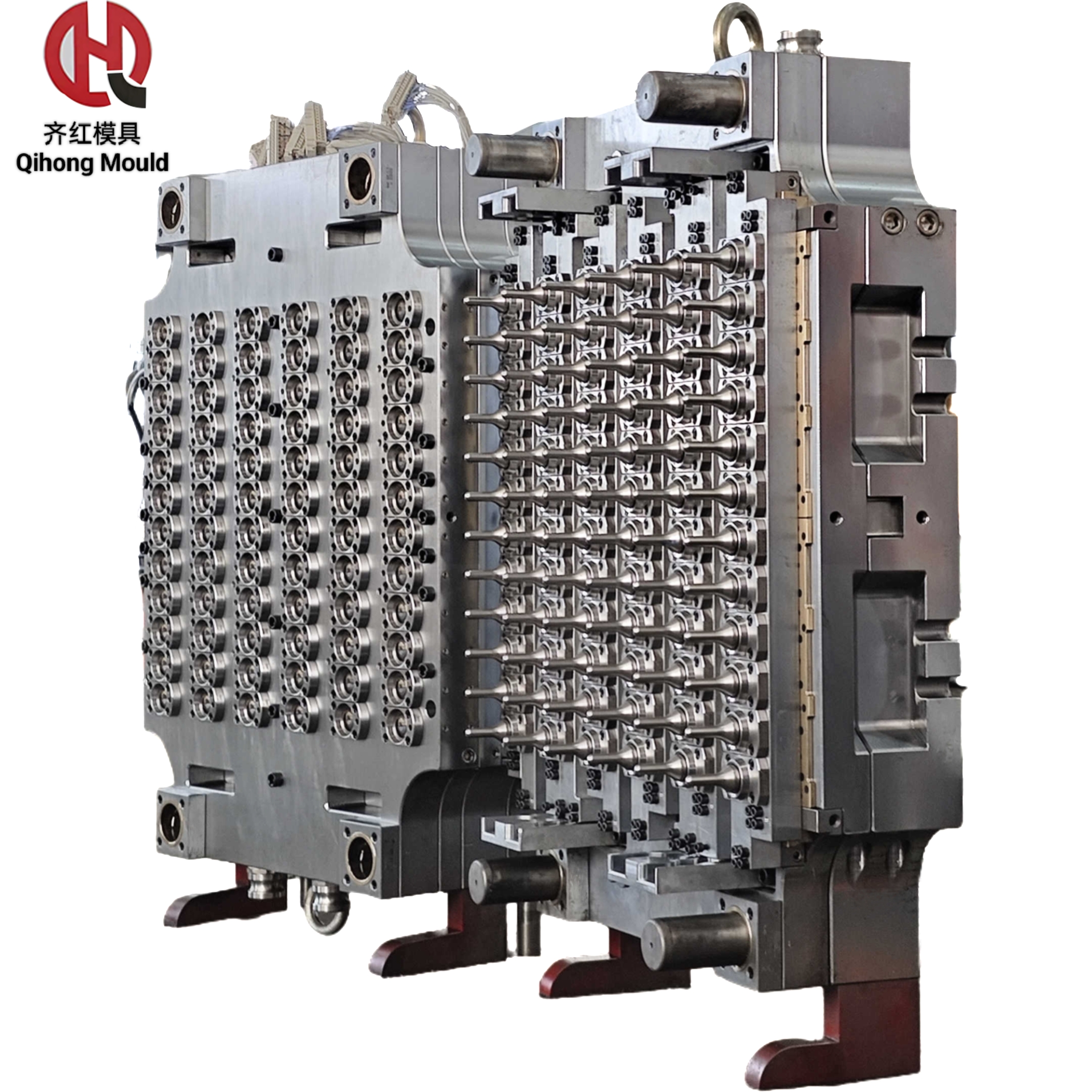
PET Preform Mold Design focuses on high precision structure and stable productio...
See Details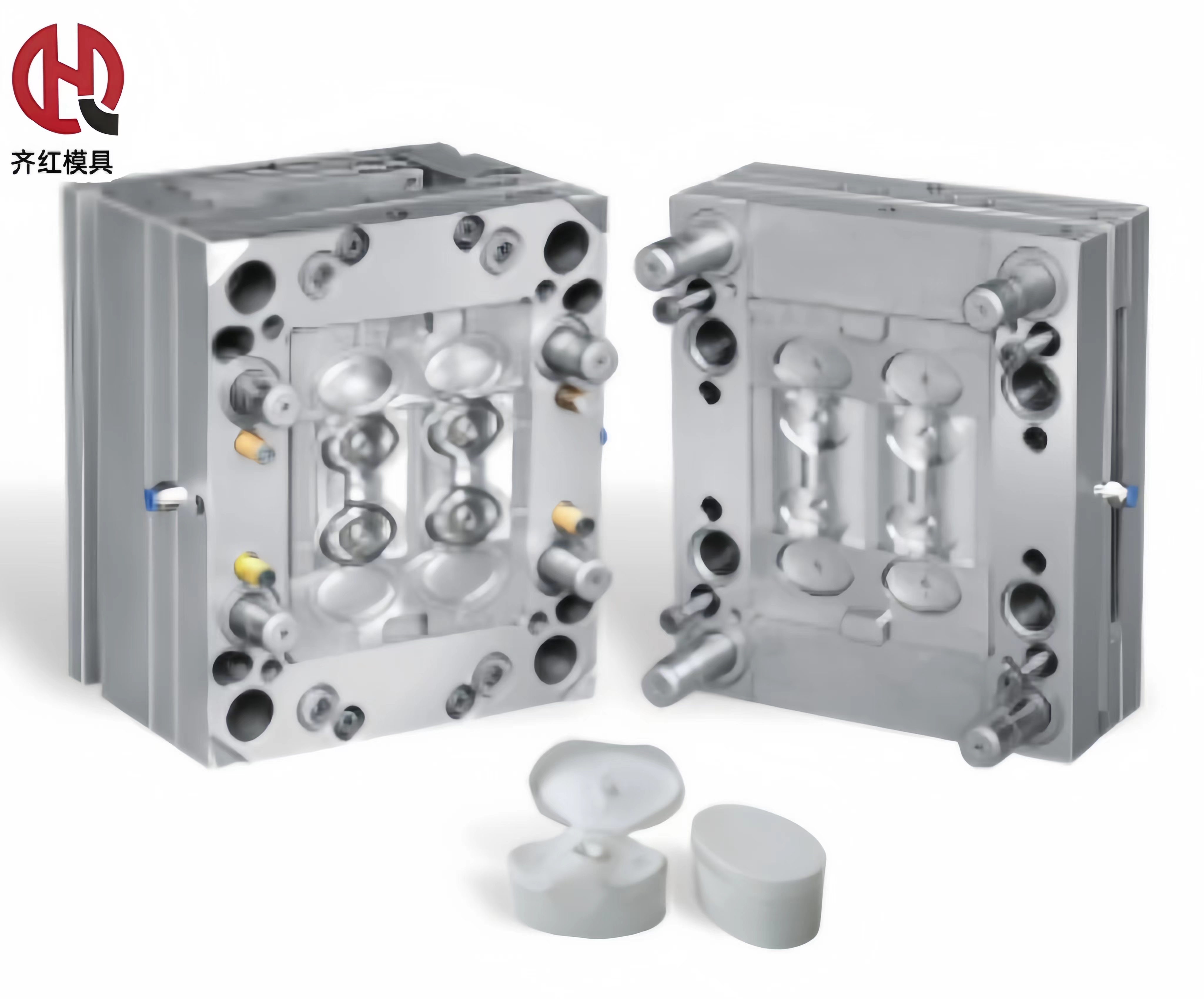
Plastic Cap Mould is designed for high precision plastic cap production. The Chi...
See Details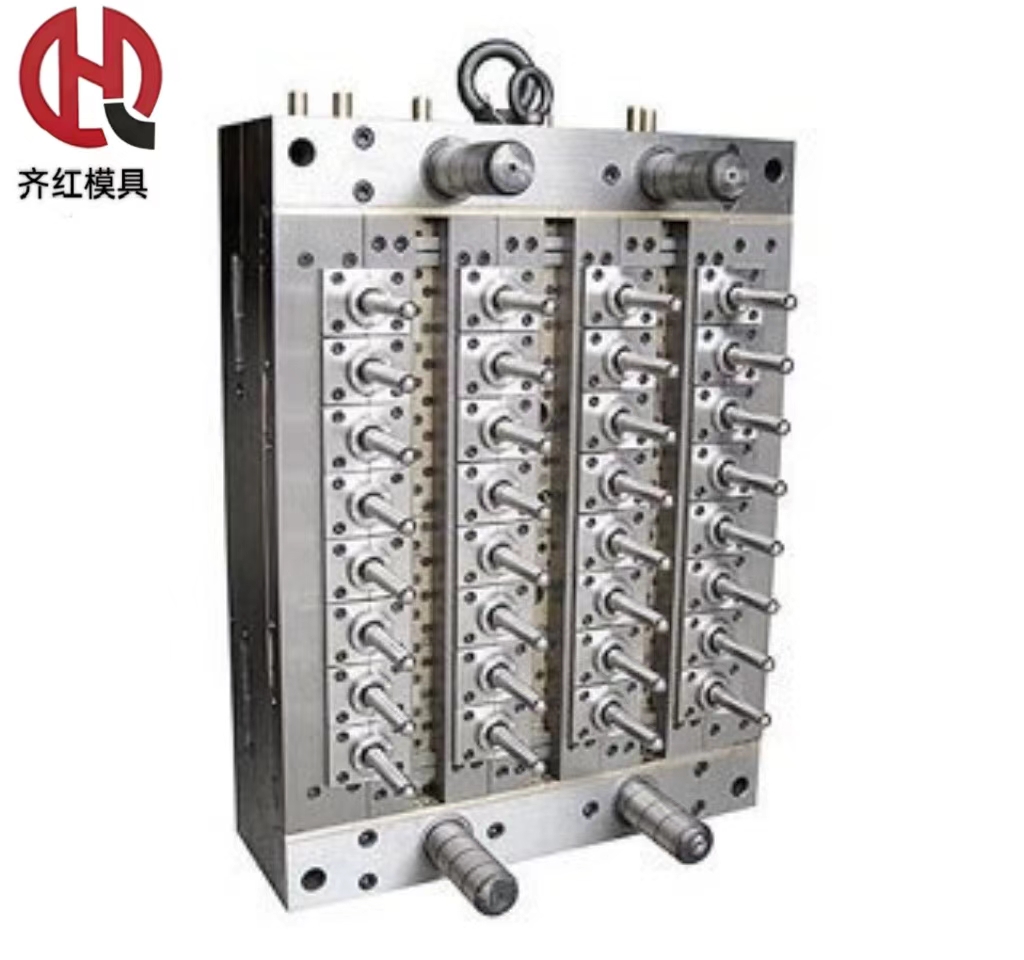
Custom Made Plastic Molds are designed for high precision and flexible plastic p...
See Details
WhatsApp:+(86) 13957659071 / +(86) 18158637057 / +(86) 15395760157


ADD:Baige Science and Technology Park, Huangyan District, Taizhou City, Zhejiang Province, China.