English
 русский
 عربى
عربى


Bottle Cap Mold(Mould)
A Bottle Cap Mold is a precision tool used in the manufacturing of bottle caps. ...
See Details


In modern plastic manufacturing, a Preform Mould plays a pivotal role in shaping the initial form of bottles before final blow molding. This specialized tool ensures consistency, dimensional accuracy, and material efficiency, which are crucial factors in high-volume production environments. Selecting the right mould can significantly affect the quality of finished products, operational efficiency, and overall manufacturing costs.
Importance of Accurate Bottle Formation
The initial stage of bottle creation determines how well the product will perform in subsequent processes. Properly formed preforms maintain uniform wall thickness and weight distribution, reducing defects during the blow molding stage. Manufacturers who focus on precision can minimize material waste while achieving consistent shapes, sizes, and structural integrity for every bottle produced.
Materials and Engineering Considerations
High-quality production relies on durable metals or alloys capable of withstanding repeated thermal cycles and mechanical stress. Carefully engineered cavities and uniform cooling channels ensure that each preform meets exact specifications. Smooth surfaces reduce friction during ejection, while reinforced sections prevent deformation over time, extending tool life and improving production reliability.
Operational Efficiency
A well-engineered tool can streamline manufacturing. Faster cycle times, fewer defective products, and uniform output contribute to cost efficiency. Reducing rework and scrap material saves both time and energy, making operations more sustainable. Companies often combine precision engineering with automated monitoring systems to track quality and optimize performance continuously.
Maintenance and Longevity
Routine inspections and preventive measures help maintain tool performance. Cleaning cavities, monitoring wear, and lubricating moving parts prevent downtime and maintain consistent output. By implementing a systematic maintenance schedule, manufacturers can ensure long-term reliability and high-quality results throughout the lifecycle of the equipment.
Adaptability to Market Demands
Consumer preferences change rapidly, requiring flexible production capabilities. Tools that can accommodate variations in size, shape, and material type allow manufacturers to adjust production without extensive retooling. This adaptability supports product innovation and quicker response to market trends, providing a competitive advantage in fast-moving industries.
Sustainable Practices
Efficiency in production not only reduces costs but also promotes environmental responsibility. Lower material waste, reduced energy consumption, and durable tooling contribute to a more sustainable manufacturing process. Companies that emphasize precision and maintenance achieve both economic and ecological benefits.
Investing in a precision Preform Mould at the start of production ensures consistency, reliability, and efficiency. By combining careful design, appropriate materials, and ongoing maintenance, manufacturers can achieve high-quality outputs while reducing operational challenges.
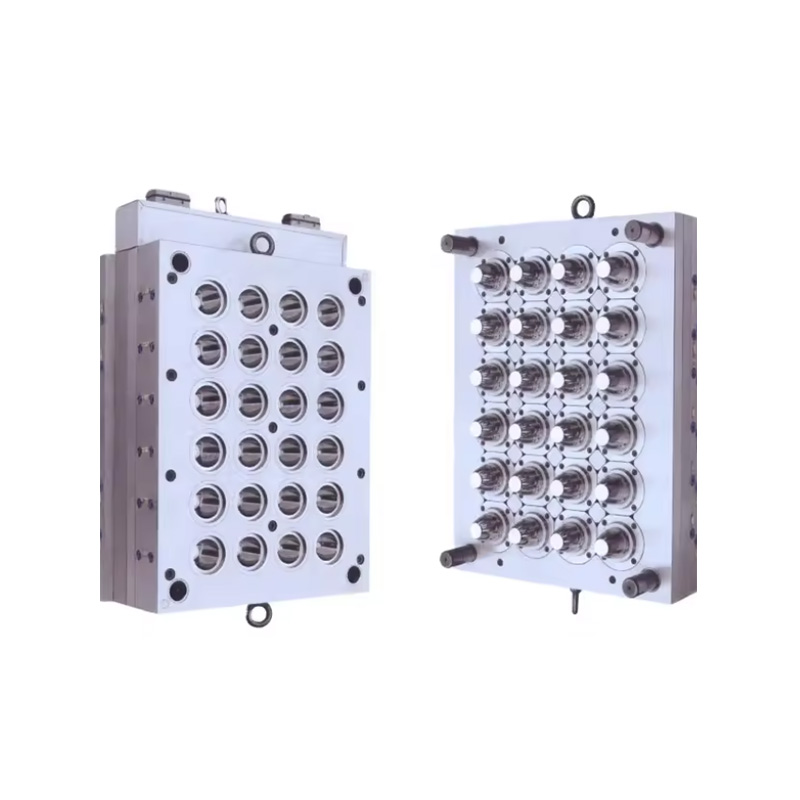
A Bottle Cap Mold is a precision tool used in the manufacturing of bottle caps. ...
See Details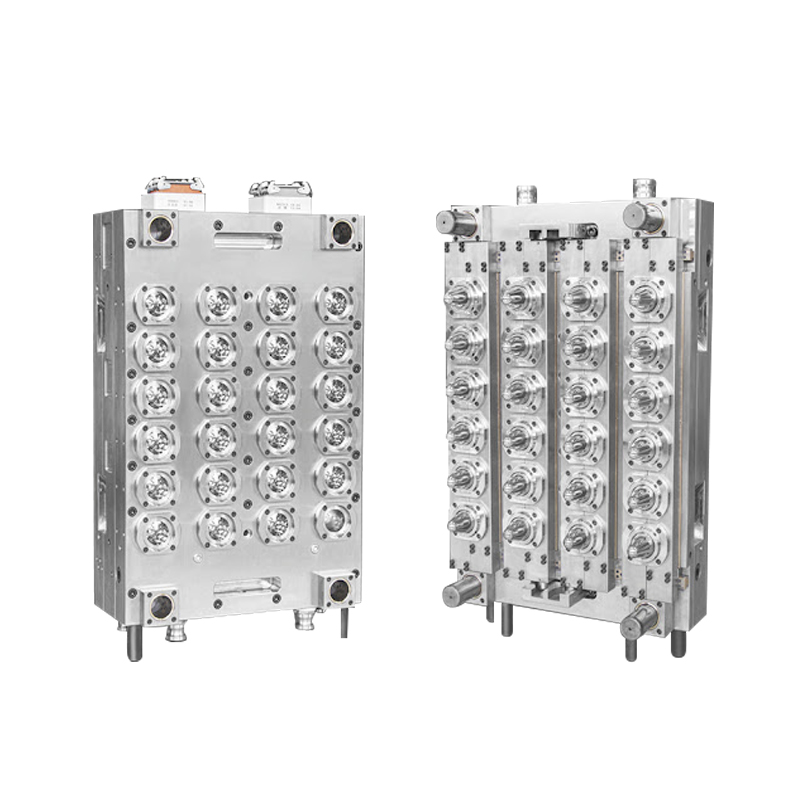
The 24-cavity wide-mouth mold is a precision tool designed for producing wide-mo...
See Details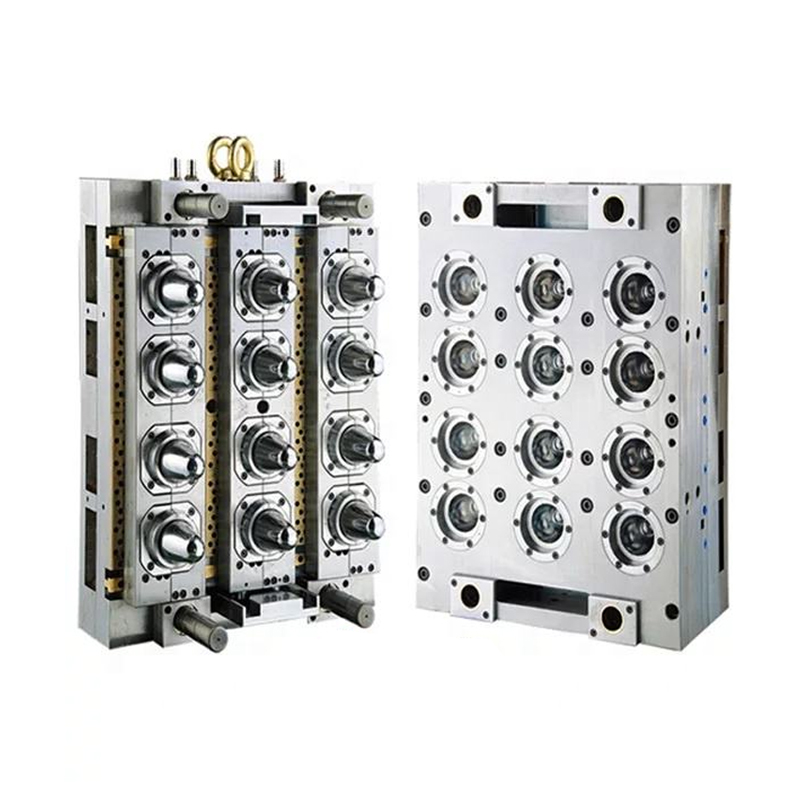
The 12-Cavity Wide-Mouth Mold(Mould) is made for manufacturers running wide-mout...
See Details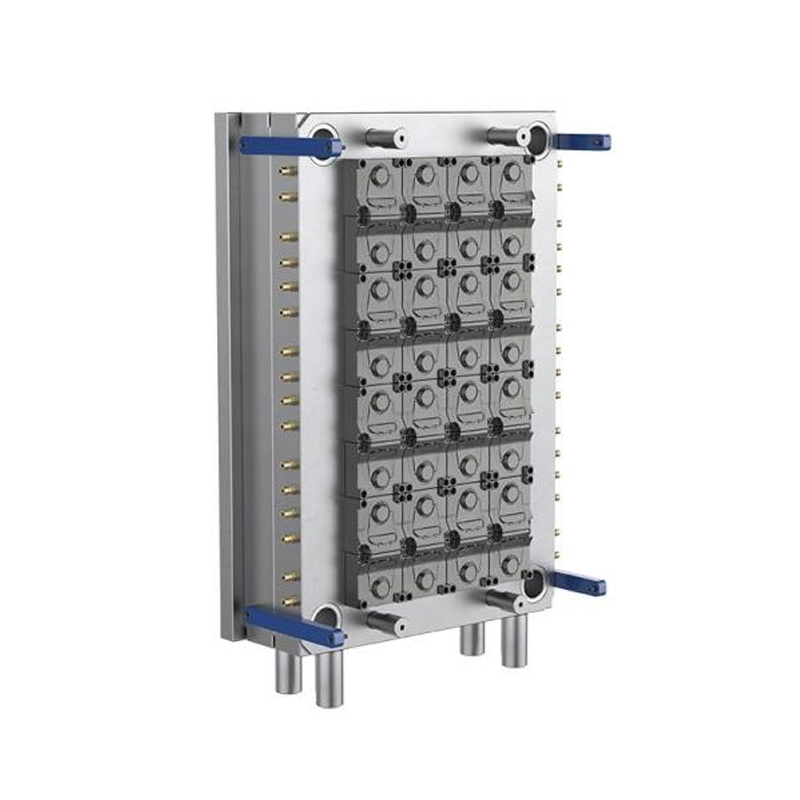
A Handle Mold is a specialized mold used in the manufacturing of plastic handles...
See Details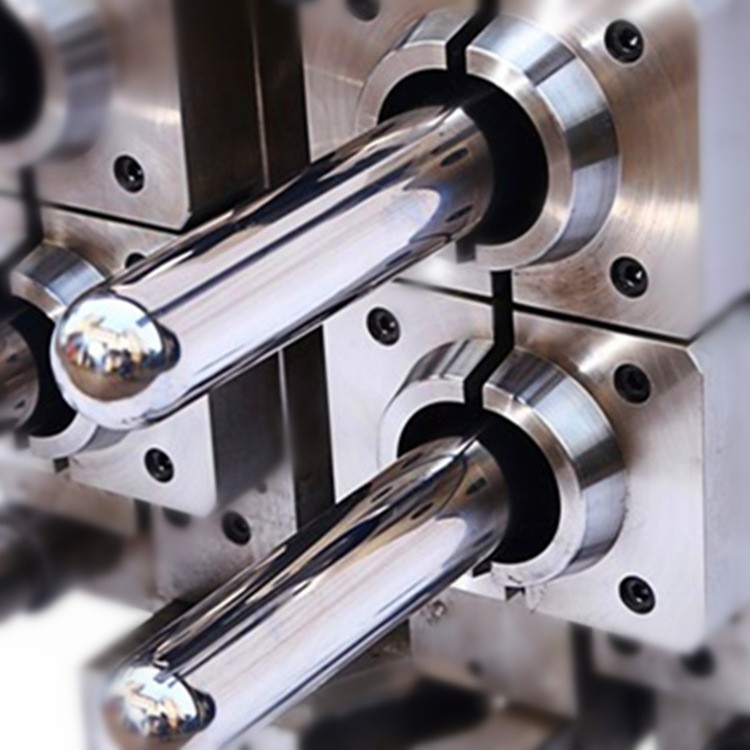
Mould Specifications Product : Preform Mould Brand : Taizhou QihongMould C...
See Details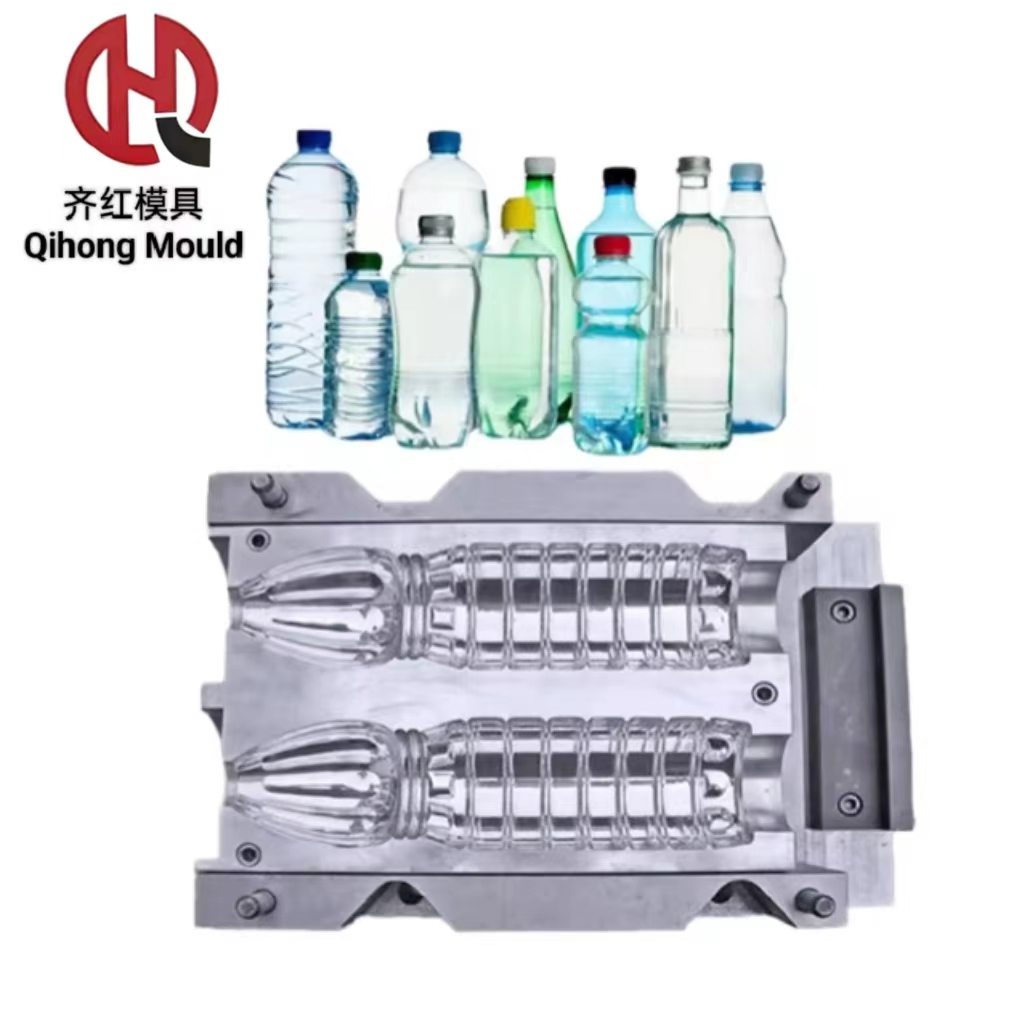
Mould Specifications Product : Blowing Mould Brand : Taizhou QihongMould C...
See Details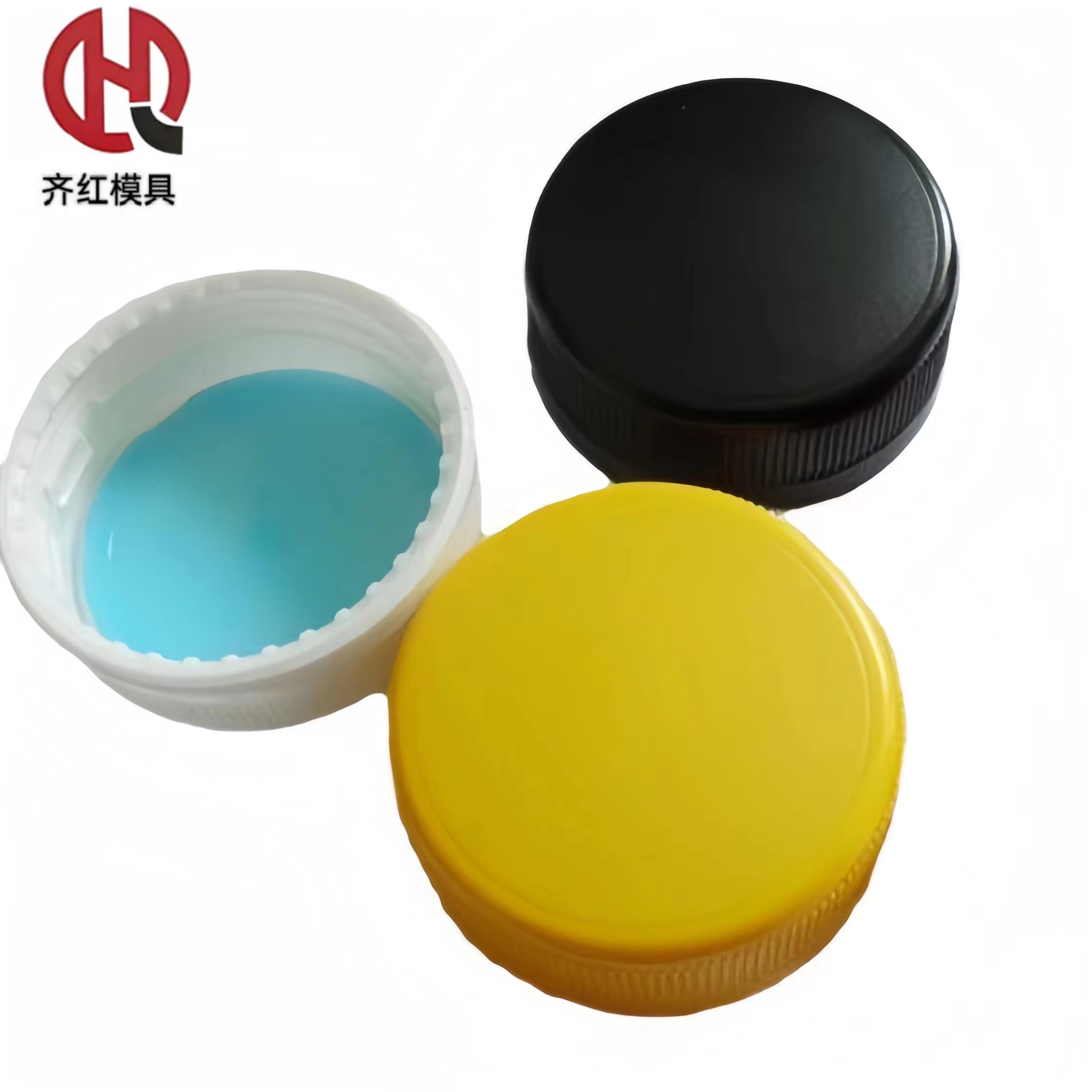
Mould Specifications Product : Cap Mould Brand : Taizhou QihongMould Co.,L...
See Details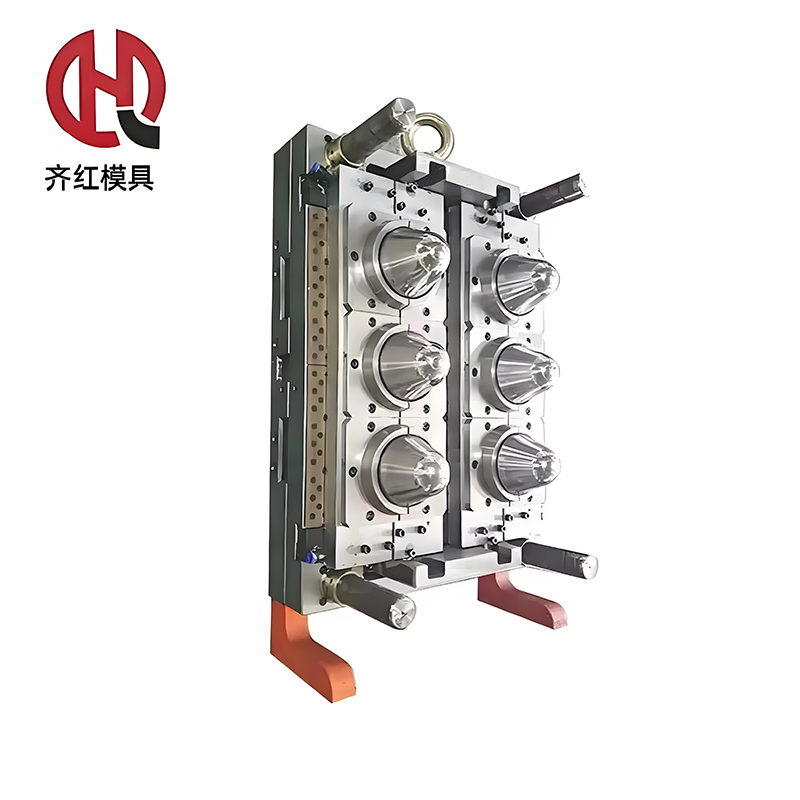
Water and beverage preform mold, Edible oil preform mold, Preform Mold for cosme...
See Details
WhatsApp:+(86) 13957659071 / +(86) 18158637057 / +(86) 15395760157


ADD:Baige Science and Technology Park, Huangyan District, Taizhou City, Zhejiang Province, China.