English
 русский
 عربى
عربى


Water/Beverage Bottle Mold(Mould)
Product Name: Water/Beverage Bottle Mold A Water/Beverage Bottle Mold is a speci...
See Details


When a business decides to develop a bottle, container, or any packaging that starts from a preform, one of the first decisions is selecting the mould. The mould influences the look of the final product, the performance of the container in real use, and the stability of production on molding equipment. Many new buyers assume that a mould is just a metal block shaped to form a preform, but in reality, it is a precision tool that sets the foundation for the entire packaging chain.
Choosing the right preform mould means understanding your application, your material, your production environment, and your long-term plans. It also means balancing cost, quality expectations, and machine capability. Below is a clear guide that walks you through each factor so you can make informed decisions without feeling overwhelmed.
Before looking at mould steel, cavities, or cooling systems, think about what you want the final container to do. The preform is only a step toward the bottle or jar, so your container requirements will guide the mould decision.
Ask yourself:
For example, a carbonated drink bottle requires a different preform wall thickness and stretch ratio compared to a water bottle. A cosmetic container may need a unique neck finish or a more rigid structure. By starting with the final product, you avoid choosing a mould that limits your options later.
Most preforms today are made from PET, but not all PET grades behave the same. Some grades stretch more easily, while others withstand higher temperatures.
Your resin choice affects:
If your project uses additives—such as UV blockers, color masterbatch, or recycled PET—this also influences mould performance. Therefore, when selecting a mould, confirm that the design matches the type of resin you intend to use. A mould designed for one PET grade may still work with others, but the quality of the preform may change, especially in clarity, weight distribution, and surface finish.
The neck finish is one of the most critical elements of a preform. It determines compatibility with caps, closures, dispensers, or tamper-evident rings. Because the neck portion is not stretched during blow molding, its shape depends entirely on the mould.
When choosing a preform mould, confirm:
Even a small deviation in the neck area can affect capping torque, sealing performance, or leak resistance. If you plan to switch closure styles in the future, consider choosing a preform design that allows such flexibility.
4. Decide on the Preform Weight and Geometry
Weight is one of the biggest cost factors in PET packaging. Every gram affects your material cost, so the target weight should be based on both performance needs and production economy.
Key geometry considerations include:
If you aim for a lightweight design, the mould must control wall distribution with precision. A poorly designed lightweight preform may cause uneven bottle walls, poor top load strength, or weak impact resistance.
Even the best mould will not perform well if it does not match your injection molding machine. The machine’s clamping force, injection pressure, shot size, and cooling system influence mould selection.
Check the following before making a decision:
If you plan to expand production later, it may be useful to choose a mould that fits additional machine models you intend to purchase. This gives more flexibility in the long run.
Cavity count directly affects output per hour. Higher cavity numbers produce more preforms, but they also require stronger injection machines, more precise cooling, and more investment in mould manufacturing.
Think about:
A high-cavity mould looks attractive because of greater productivity, but it may increase operational complexity. Meanwhile, a low-cavity mould is simpler and easier to maintain but may limit your growth. It is important to choose a cavity number that fits both your current scale and your future plans.
Most cycle time in preform molding comes from cooling, not filling. The better the cooling design, the shorter the cycle and the smoother the preform surface.
A good cooling system includes:
If your project demands high output, request detailed cooling analysis or simulation data when choosing a mould. Even small improvements in cooling efficiency can reduce energy use and increase hourly production.
The steel used for the cavity, core, and neck rings affects durability and surface quality. But steel alone is not enough—precision machining, polishing, and treatment determine whether the mould can support long, stable production.
You should confirm:
A mould with stable performance saves time, reduces defects, and avoids unexpected downtime.
Every mould requires cleaning, inspection, and occasional replacement of parts. When selecting a mould, consider how easy it is to maintain and whether the supplier can provide:
A design that allows quick maintenance reduces wasted hours during production.
A preform mould is not a short-term tool. Many moulds remain in production for years or even decades. For this reason, your choice should support your long-term plans.
Ask:
Selecting a mould that can grow with your business helps you avoid unnecessary replacement costs later.
Choosing the right preform mould is not just a technical task. It is a strategic decision that influences product performance, production stability, and long-term manufacturing cost. By understanding your packaging goals, resin behavior, neck requirements, machine compatibility, cavity number, cooling system, and future plans, you can select a mould that supports your project with steady performance.
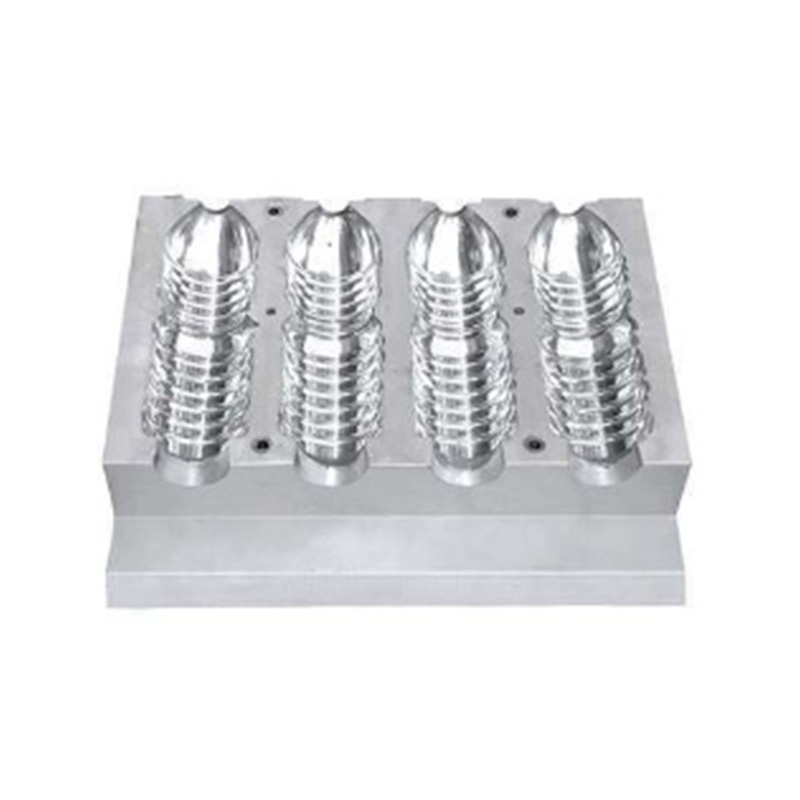
Product Name: Water/Beverage Bottle Mold A Water/Beverage Bottle Mold is a speci...
See Details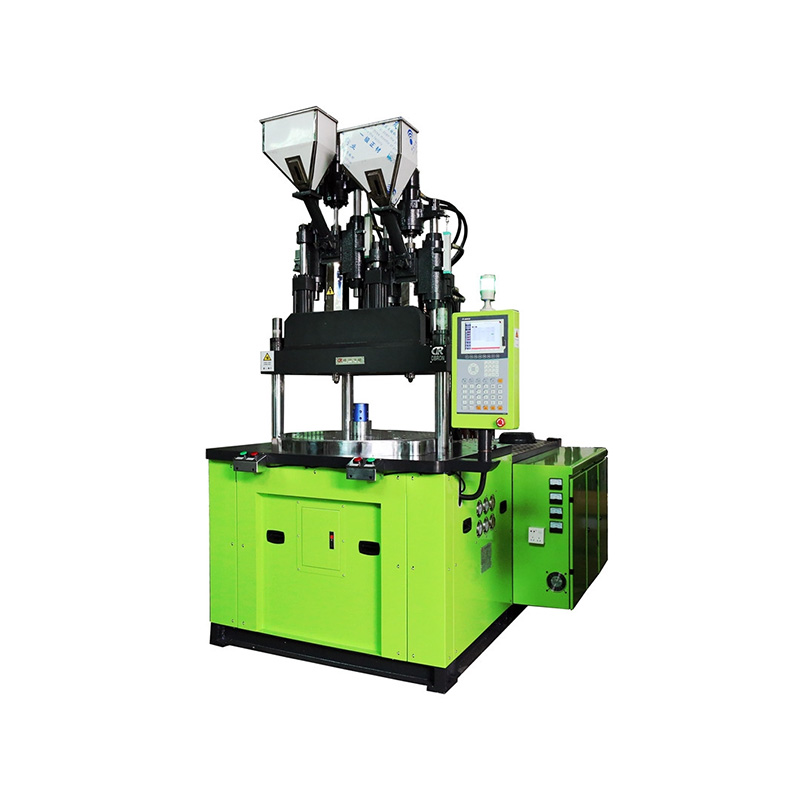
An Injection Molding Machine is an essential industrial tool used for producing ...
See Details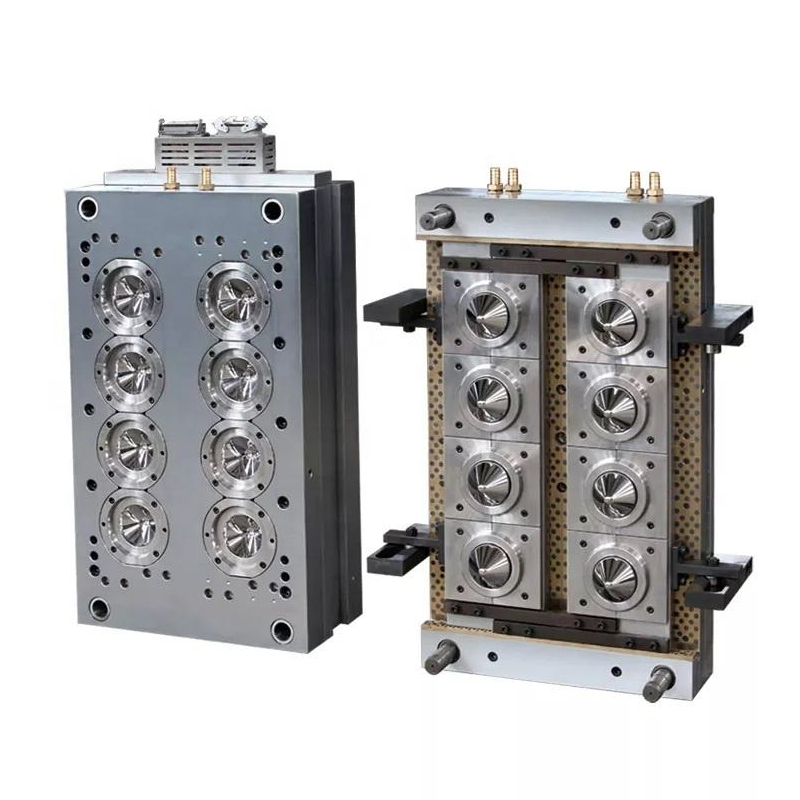
The 8-cavity wide-mouth mold is designed to produce plastic containers with larg...
See Details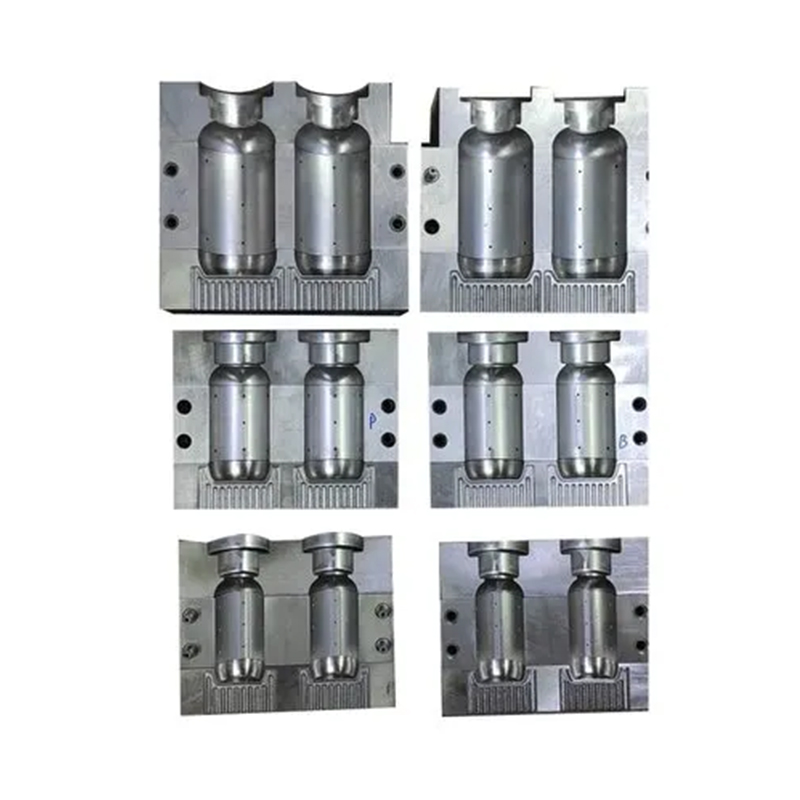
Medicine bottle molds are specialized tools designed for the efficient productio...
See Details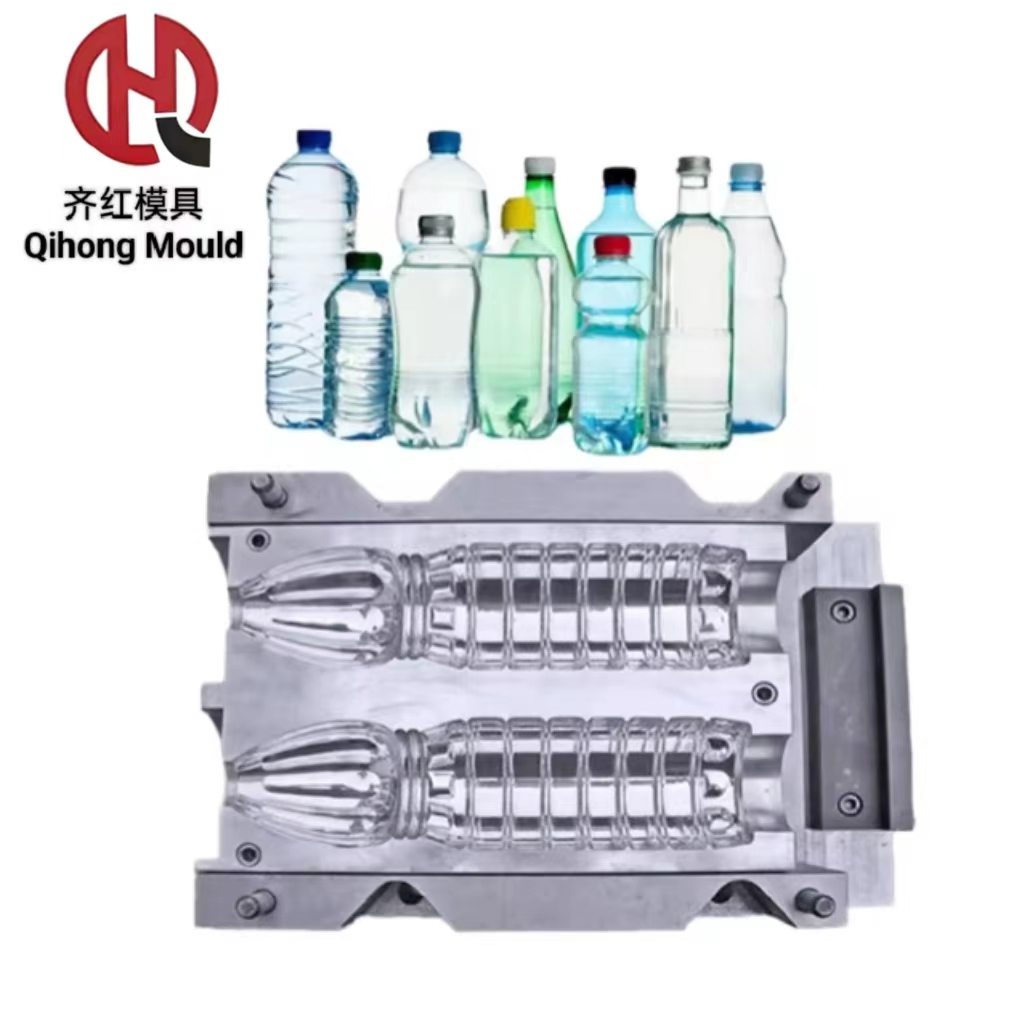
Mould Specifications Product : Blowing Mould Brand : Taizhou QihongMould C...
See Details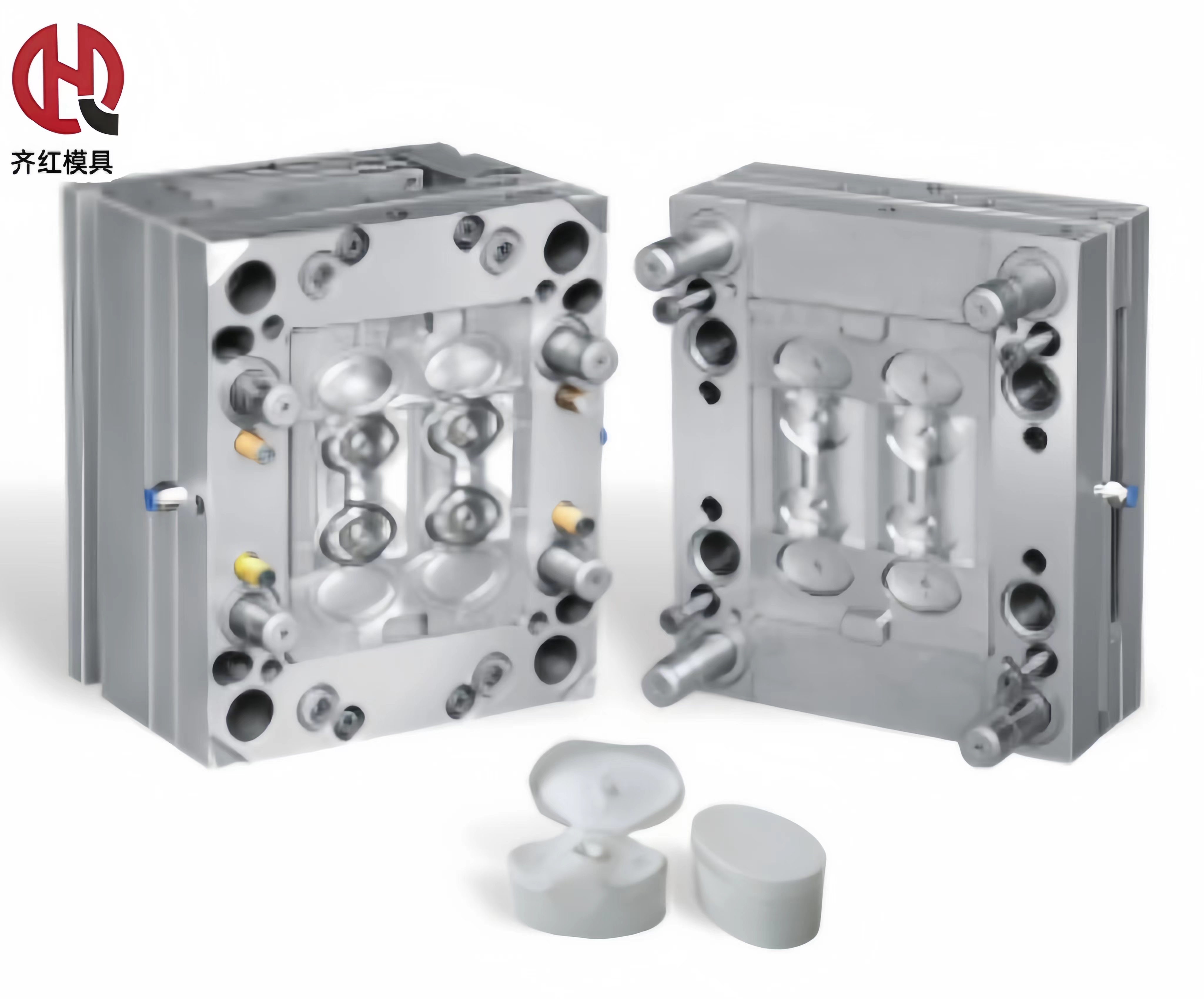
Plastic Cap Mould is designed for high precision plastic cap production. The Chi...
See Details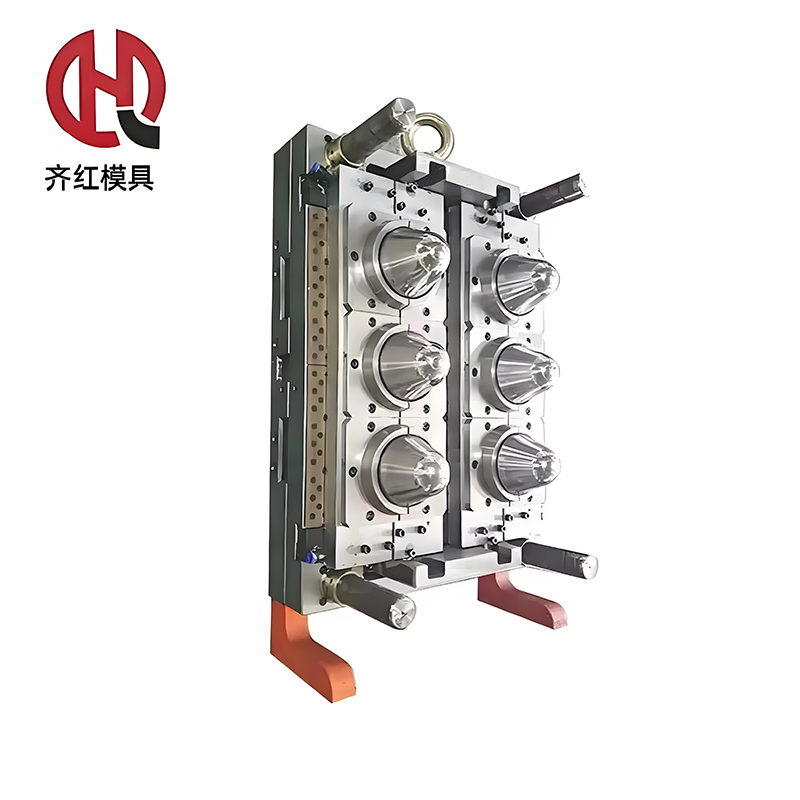
Water and beverage preform mold, Edible oil preform mold, Preform Mold for cosme...
See Details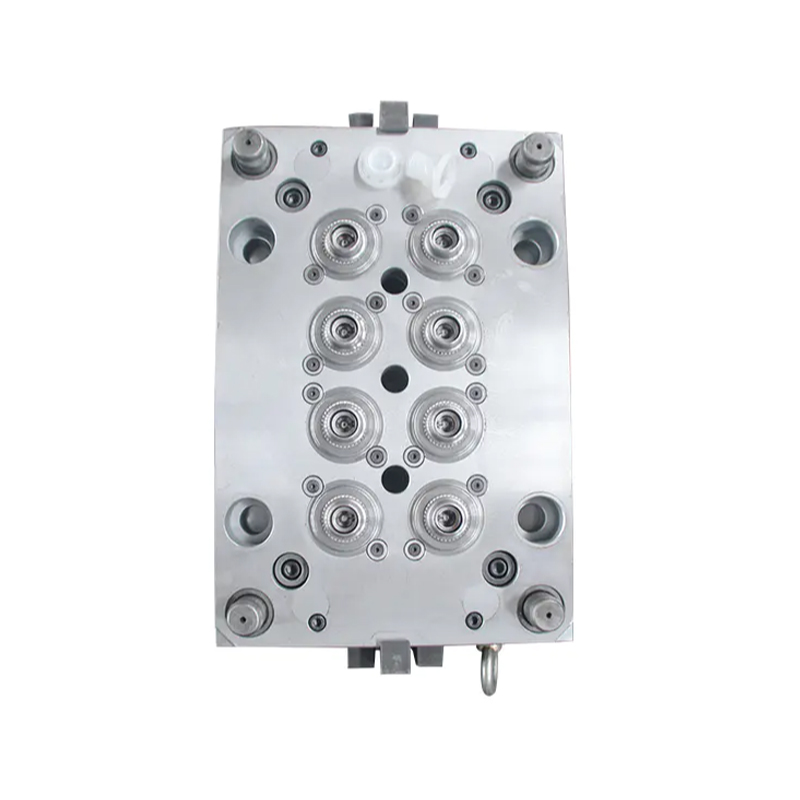
Spout Cap Mould is a EVA inner part of oil cap, match for 42mm pull out closure....
See Details
WhatsApp:+(86) 13957659071 / +(86) 18158637057 / +(86) 15395760157


ADD:Baige Science and Technology Park, Huangyan District, Taizhou City, Zhejiang Province, China.