Preform moulds are at the heart of efficient bottle production, shaping the foundation of every plastic container with precision and consistency. From improving product quality to optimizing manufacturing speed, their design and operation play a critical role in modern production lines. Do you really understand how they work?
What is a Preform Mould?
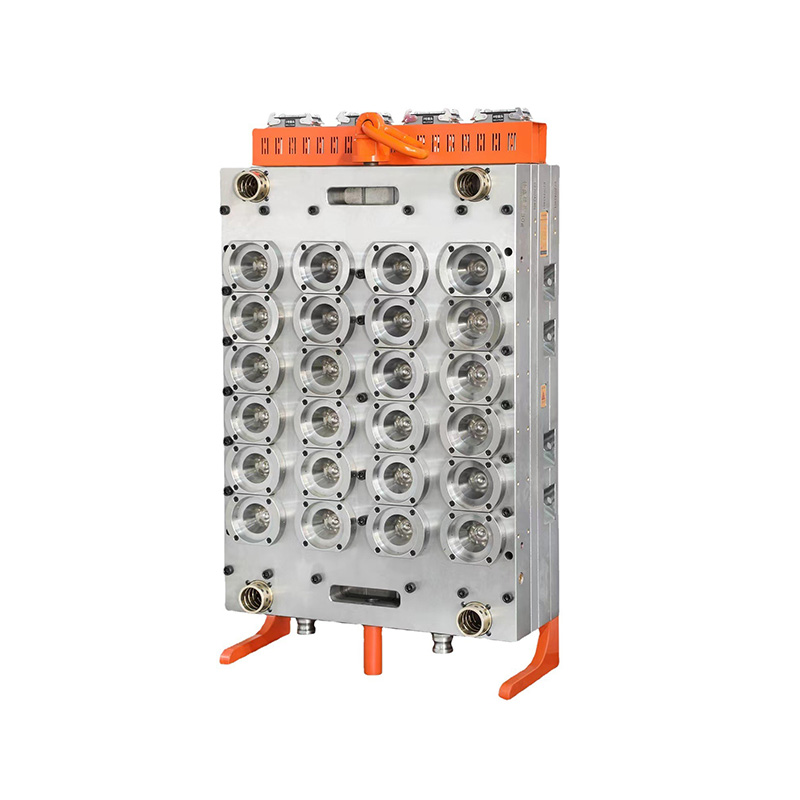
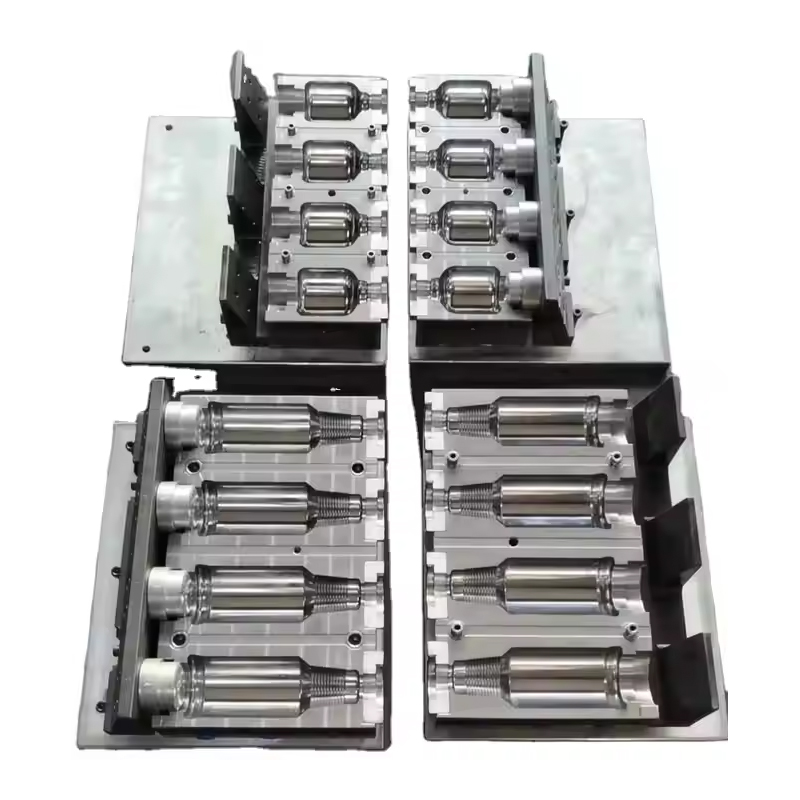
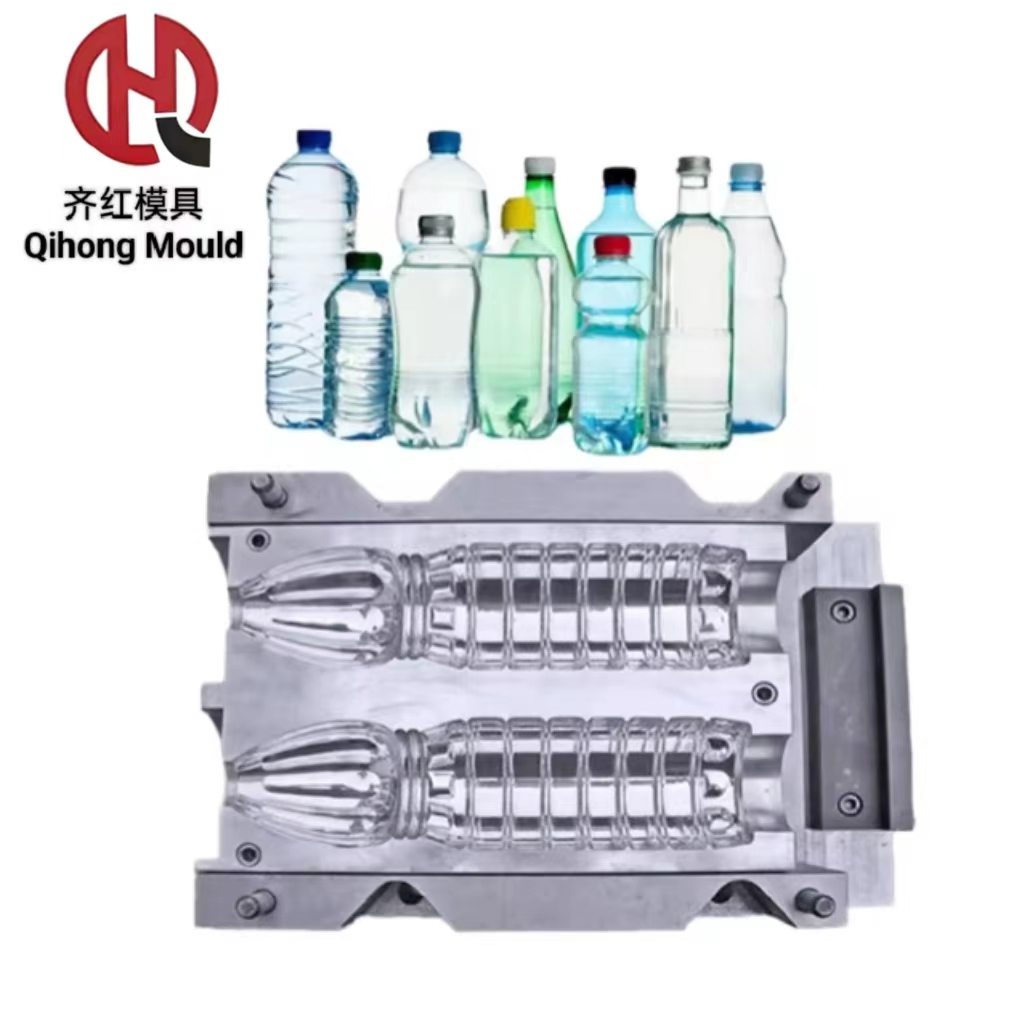
A preform mould is a precision-engineered tool used in the production of plastic bottles, particularly PET bottles. Its primary function is to shape the preform—a small, test-tube-like piece of plastic—before it undergoes the blow molding process to become a finished bottle. The quality, durability, and efficiency of bottle manufacturing heavily depend on the design and precision of the preform mould. Choosing the right mould ensures uniform preform dimensions, reduces material waste, and optimizes production speed, making it a critical component in modern beverage, pharmaceutical, and cosmetic packaging industries.
Components and Structure of Preform Moulds
Understanding the components and structure of a preform mould is essential for manufacturers who aim to optimize bottle production. A well-designed mould not only guarantees product quality but also ensures long-term durability and operational efficiency.
Core and Cavity Design
The core and cavity are the fundamental parts of a preform mould.
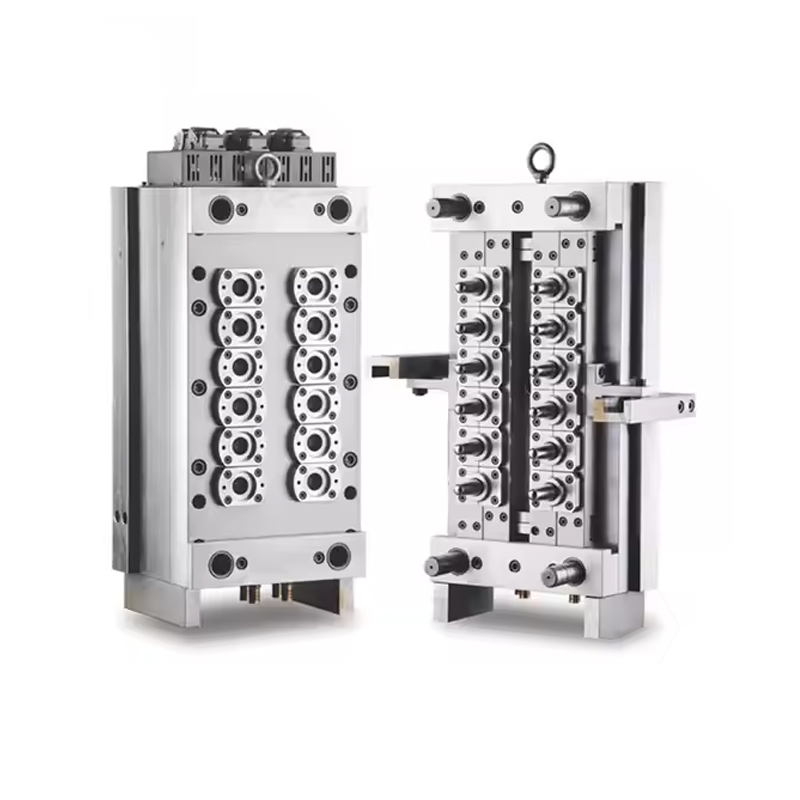
- Cavity: This is the hollow part of the mould where the molten plastic is injected. Its shape determines the external form of the preform, including neck finish, body diameter, and wall thickness. High-precision cavity design ensures consistent preform dimensions across multiple cycles, reducing the risk of defects.
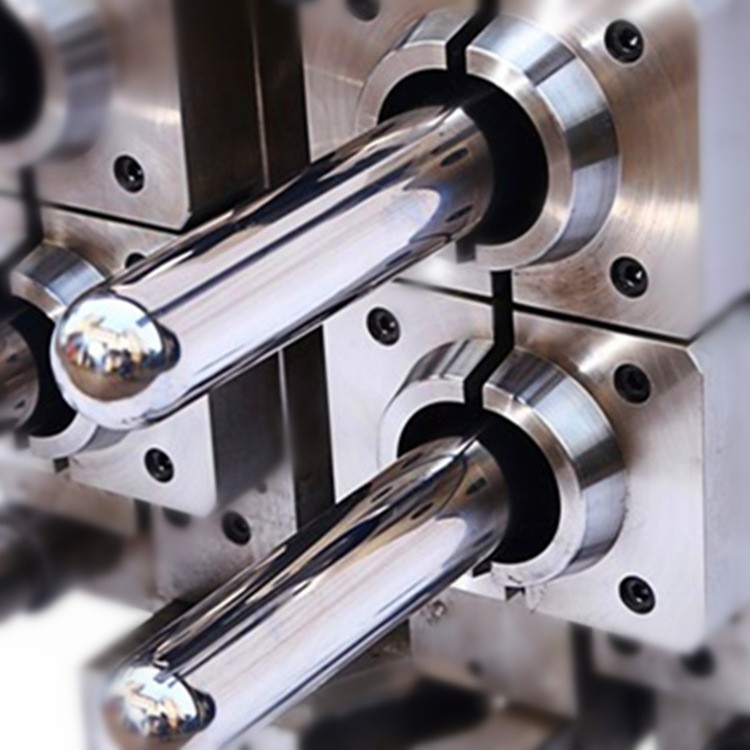
- Core: The core forms the inner surface of the preform, including the hollow center. It directly affects the preform's wall uniformity and structural integrity. The core must be engineered with tight tolerances to prevent variations that can compromise the blow molding process.
Modern preform moulds often use multi-cavity systems, allowing several preforms to be produced simultaneously, significantly improving production efficiency. The combination of carefully engineered core and cavity surfaces ensures minimal friction, uniform cooling, and optimal preform release.
Cooling Channels and Their Role
Cooling channels are critical for maintaining the shape and structural integrity of the preform. During injection, molten plastic reaches temperatures exceeding 250°C, which requires precise and rapid cooling to solidify the material without causing warping or shrinkage.
- Function: Cooling channels circulate water or coolant through the mould, maintaining uniform temperature across the core and cavity surfaces.
- Benefits: Efficient cooling reduces cycle time, improves preform consistency, and enhances overall production efficiency. Poorly designed cooling channels can lead to uneven wall thickness, deformation, or reduced mould lifespan.
Advanced moulds often integrate conformal cooling channels that follow the contours of the preform geometry, ensuring faster and more uniform heat dissipation compared to traditional straight channels.
Ejection Mechanisms and Precision Considerations
Once the preform has solidified, it must be ejected from the mould without damage. Ejection mechanisms play a crucial role in maintaining the quality of each preform:
- Pin Ejectors: These push the preform out from the core, designed to minimize surface marks and maintain dimensional accuracy.
- Air Ejection Systems: Some high-speed moulds use compressed air to gently release preforms, reducing mechanical contact and preventing scratches.
Precision is key in the ejection process. Misalignment or improper timing can result in deformed preforms, increased scrap rates, and potential damage to the mould itself. Regular maintenance and careful calibration of ejector pins and systems are essential for long-term reliability.
Manufacturing Process of Preform Moulds
The manufacturing process of preform moulds is a critical factor in ensuring high-quality bottle production. Every stage, from initial design to final inspection, directly impacts preform consistency, mould longevity, and overall manufacturing efficiency. Precision, durability, and attention to detail are essential throughout the workflow.
Design and Engineering Workflow
The manufacturing process begins with a meticulous design and engineering workflow. Modern preform moulds are designed using advanced CAD (Computer-Aided Design) software, which allows engineers to model the core, cavity, cooling channels, and ejection systems with high precision.
Key considerations during the design stage include:
- Preform specifications: Neck finish, body diameter, wall thickness, and material shrinkage are calculated to ensure dimensional accuracy.
- Multi-cavity arrangements: For high-volume production, engineers design multi-cavity moulds that produce several preforms simultaneously without compromising quality.
- Cooling efficiency: Proper placement of cooling channels is integrated into the design to ensure uniform heat dissipation and shorter cycle times.
The engineering workflow ensures that the mould meets both functional and production requirements before manufacturing begins.
CNC Machining, EDM, and Surface Treatment Techniques
Once the design is finalized, the mould undergoes precision manufacturing using a combination of CNC machining, EDM, and advanced surface treatment techniques.
- CNC Machining (Computer Numerical Control): High-speed CNC machines are used to mill the core and cavity with extreme precision. This process guarantees that every dimension is accurate to microns, ensuring uniform preform quality.
- EDM (Electrical Discharge Machining): EDM is applied to create complex geometries, sharp corners, and intricate features that are difficult to achieve with conventional milling. This technique is particularly useful for multi-cavity moulds and detailed neck finishes.
- Surface Treatment: After machining, the mould surfaces undergo polishing, coating, and other treatments to improve durability, reduce friction, and prevent sticking during production. High-quality surface finishing also enhances preform release and reduces wear over long production runs.
Quality Control and Tolerance Standards
Precision and reliability are critical in preform moulds, making quality control and tolerance standards an essential part of the manufacturing process.
- Dimensional Inspection: Every core, cavity, and critical feature is measured using coordinate measuring machines (CMMs) to ensure strict adherence to design specifications.
- Tolerance Standards: High-precision preform moulds maintain tolerances often within ±0.01 mm, ensuring uniform wall thickness and preform dimensions.
- Testing and Validation: Completed moulds are tested under simulated production conditions to verify cooling efficiency, ejection performance, and preform quality. Any deviations are corrected before delivery.
Stringent quality control guarantees that the mould performs consistently in high-speed production environments, minimizing scrap rates and downtime.
Types of Preform Moulds
The selection of a specific mould type depends on production volume, bottle design, and material requirements.
Single-Cavity vs. Multi-Cavity Moulds
Preform moulds can be categorized by the number of cavities they contain:
- Single-Cavity Moulds: These moulds produce one preform per cycle. They are typically used for small-scale production, custom designs, or experimental batches. Single-cavity moulds allow for easier maintenance, quick adjustments, and lower initial investment. However, they have lower throughput compared to multi-cavity systems.
- Multi-Cavity Moulds: Multi-cavity moulds produce multiple preforms in a single cycle, significantly increasing production efficiency. These are ideal for high-volume manufacturing, where consistency and speed are critical. Precision engineering is required to ensure that all cavities produce uniform preforms, maintaining consistent wall thickness and dimensions across the entire batch.
Choosing between single and multi-cavity moulds depends on production scale, budget, and the complexity of the bottle design.
Hot Runner vs. Cold Runner Systems
Runner systems are another key distinction in preform mould design:
- Cold Runner Moulds: In cold runner systems, the plastic flows through a channel that cools and solidifies along with the preform. While simpler and more cost-effective for small runs, cold runners generate additional waste in the form of solidified runners, which must be recycled.
- Hot Runner Moulds: Hot runner systems maintain the plastic in a molten state within the channels, reducing waste and cycle time. They are ideal for high-volume production and complex preform designs. Hot runners also provide better control over flow and temperature, improving preform uniformity and overall product quality.
The choice between hot and cold runner systems depends on production volume, cost considerations, and sustainability goals.
Specialized Moulds for Different Bottle Shapes and Sizes
Modern preform moulds are often customized to accommodate specific bottle designs, shapes, and sizes.
- Tall or Slim Bottles: Require precise core and cavity alignment to maintain uniform wall thickness and prevent deformation during blow molding.
- Wide-Mouth Bottles: Demand larger neck finishes and often multi-cavity moulds to maintain production efficiency.
- Custom Designs: Bottles with unique shapes, embossing, or intricate neck designs may require specially engineered moulds with enhanced cooling systems and precise ejection mechanisms.
Specialized moulds ensure that even unconventional bottle designs can be manufactured efficiently without compromising structural integrity or appearance.
Applications in Bottle Production
PET Bottles for Beverages, Cosmetics, and Pharmaceuticals
PET (Polyethylene Terephthalate) bottles are the most common products made using preform moulds. These bottles are used in:
- Beverages: Carbonated soft drinks, mineral water, juices, and energy drinks require preforms with precise dimensions to withstand internal pressure and ensure uniform bottle quality.
- Cosmetics: Bottles for lotions, serums, and shampoos benefit from preform moulds that allow intricate designs, consistent wall thickness, and smooth finishes for an appealing look and feel.
- Pharmaceuticals: Preforms for medicine bottles require extremely tight tolerances to maintain dosage accuracy, prevent contamination, and ensure safety.
By using high-quality preform moulds, manufacturers can achieve consistent product performance across all these industries, improving consumer trust and brand reliability.
Advantages of Using Precise Preform Moulds
Investing in precise preform moulds offers numerous advantages for manufacturers:
- Consistent Product Quality: Accurate core and cavity design ensures uniform wall thickness and dimensions, reducing defects and improving the structural integrity of bottles.
- Improved Production Efficiency: Multi-cavity and hot runner moulds shorten cycle times, allowing higher output without sacrificing quality.
- Reduced Material Waste: Optimized mould design minimizes excess plastic usage, contributing to cost savings and sustainability.
- Enhanced Flexibility: Precise moulds can accommodate custom shapes, neck finishes, and complex designs, meeting diverse market demands.
These benefits directly translate into higher production efficiency, lower operational costs, and a better overall product for end-users.
Case Studies of Production Efficiency Improvement
Many manufacturers have reported significant improvements in production efficiency after upgrading to advanced preform moulds:
- Beverage Industry: A leading soft drink manufacturer implemented a 12-cavity hot runner preform mould, reducing cycle time by 30% while maintaining consistent bottle quality.
- Cosmetics Sector: A cosmetic packaging company adopted precision multi-cavity moulds with conformal cooling channels, resulting in a 25% reduction in material waste and fewer rejected bottles.
- Pharmaceutical Applications: A pharmaceutical bottling plant switched to high-tolerance moulds, achieving near-zero defects in preform production and improving overall operational reliability.
These examples demonstrate that selecting the right preform mould not only improves product quality but also optimizes manufacturing efficiency, reduces waste, and enhances profitability.
Maintenance and Lifespan of Preform Moulds
Regular maintenance ensures that moulds perform consistently over time, minimizing downtime and reducing the risk of defects in preforms.
Routine Inspection and Cleaning
Routine inspection and cleaning are the foundation of effective mould maintenance:
- Visual Inspection: Regularly examine the core, cavity, and ejection systems for signs of wear, scratches, or deformation. Early detection of issues prevents serious damage and ensures preforms remain dimensionally accurate.
- Cleaning: Remove plastic residues, dirt, and contaminants from the mould surfaces. Use non-abrasive cleaning agents and tools to avoid damaging the polished surfaces, which are essential for smooth preform ejection.
- Lubrication: Apply appropriate lubricants to moving parts such as ejector pins and sliders to reduce friction and prevent premature wear.
Consistent inspections and cleaning help maintain the precision of the mould, prolonging its service life and maintaining consistent preform quality.
Common Issues and Troubleshooting
Even well-maintained moulds can encounter issues that affect production:
- Uneven Wall Thickness: Often caused by wear in the core or cavity, inconsistent cooling, or improper injection parameters. Address by adjusting process settings and performing minor polishing or repair.
- Sticking Preforms: Usually results from inadequate ejection force, dirty mould surfaces, or damaged ejector pins. Correct by cleaning the mould and checking the alignment and condition of ejection components.
- Surface Defects: Scratches, burn marks, or sink marks can occur due to improper temperature control, worn mould surfaces, or material contamination. Troubleshoot by inspecting cooling channels, polishing cavities, and verifying injection parameters.
Proactive troubleshooting minimizes production stoppages and ensures preforms meet strict quality standards.
Tips to Extend Mould Lifespan
Maximizing the lifespan of preform moulds requires a combination of preventive care and operational best practices:
- Follow Manufacturer Guidelines: Adhere to recommended injection pressures, temperatures, and cycle times to avoid over-stressing the mould.
- Regular Maintenance Schedule: Implement a consistent inspection, cleaning, and lubrication routine to prevent wear and detect minor issues early.
- Monitor Cooling Efficiency: Ensure cooling channels are free from blockages and provide uniform temperature control to reduce thermal stress.
- Proper Storage: When not in use, store moulds in a clean, dry environment to prevent corrosion or damage to polished surfaces.
- Professional Repairs: For significant wear or damage, consult experienced mould manufacturers like Taizhou Qihong Mold Co., Ltd., to ensure proper restoration without compromising precision.
By following these practices, manufacturers can significantly extend the operational life of preform moulds, reduce downtime, and maintain consistent preform quality over long production cycles.
How to Choose the Right Preform Mould?
Key Factors to Consider
- Production Volume and Cycle Time
- For high-volume production, multi-cavity moulds with hot runner systems are ideal, as they maximize output while maintaining consistent preform quality.
- For smaller or specialized runs, single-cavity moulds may be more cost-effective and easier to maintain.
- Consider the cycle time requirements for your production process; the right mould ensures that your throughput aligns with demand without sacrificing quality.
- Material Compatibility
- Different plastics behave differently under heat and pressure. PET is the most common material for beverage bottles, but other materials like PP or PLA may require specific mould designs.
- Ensure that the mould design, cooling system, and ejection mechanisms are compatible with the material to prevent defects such as warping, shrinkage, or sticking.
- Precision and Tolerance Requirements
- Preforms must meet tight dimensional tolerances to ensure uniform wall thickness and proper neck finishes.
- High-precision moulds reduce scrap rates and maintain consistency, particularly for multi-cavity systems where uniformity across all cavities is essential.
- Cooling and Ejection Efficiency
- Efficient cooling channels reduce cycle time and prevent deformation, while a precise ejection system ensures preforms are released without damage.
- Consider moulds with advanced cooling technologies, such as conformal cooling, to enhance heat dissipation and production speed.
- Maintenance and Durability
- Choose moulds made from high-quality steel or other durable materials to withstand long-term production cycles.
- Ensure the manufacturer provides guidance on maintenance routines and access to replacement parts for key components such as ejector pins and cores.
Partnering with a Reliable Supplier
Working with an experienced manufacturer is crucial to ensure your preform mould meets production, quality, and longevity requirements. Taizhou Qihong Mold Co., Ltd. offers expertly engineered preform moulds designed for consistent performance, efficient cooling, and precise ejection. Their team provides tailored solutions, helping manufacturers select the optimal mould type, material, and configuration for their specific needs.
Choosing the right preform mould not only improves production efficiency but also reduces waste, enhances product quality, and ensures long-term operational reliability.
Are you confident that your current moulds are the best choice for achieving high-quality, cost-effective production?
 English
 русский
 عربى
عربى