English
 русский
 عربى
عربى


48-Cavity Preform Mold(Mould)
The Qihong 48-Cavity Preform Mold(Mould) is the ideal choice for high-volume PET...
See Details


China cap mold manufacturing plays a quiet but central role in modern packaging production. Bottle caps may look simple from the outside, yet their formation depends on a highly controlled shaping process. Behind that process, mold precision sets the foundation for how each cap behaves during production and use.
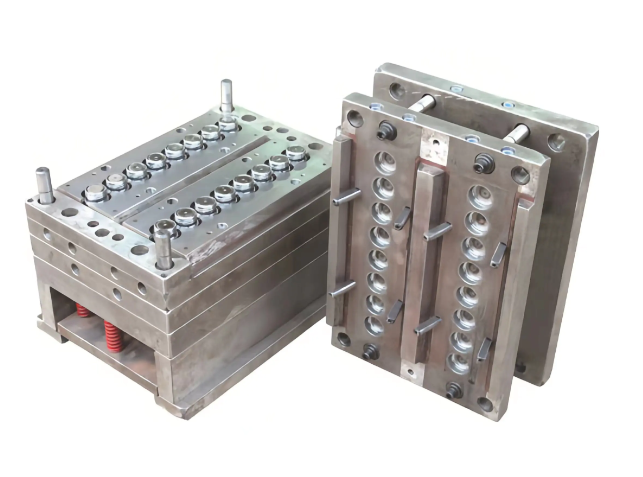
At first glance, small differences in mold structure may not seem important. In practice, even slight variations can influence how material fills, cools, and settles. Over time, these small differences can affect product consistency in ways that are easy to notice in large-scale output.
This is why precision is often discussed not as a technical detail, but as a core condition for stable production behavior.
Mold precision affects how material behaves inside the forming space. When the structure is consistent, material movement becomes more predictable.
Inside a well-aligned mold, the material spreads evenly. It follows a balanced path and settles without interruption. The final shape reflects this stability.
When precision is not consistent, small changes appear in how the cavity is filled. One section may receive material slightly earlier than another. Another may cool at a different speed.
These differences do not always stop production. They gradually influence the overall uniformity of output.
Precision is not only about shape accuracy. It is about how every part of the process responds during repeated use.
Bottle caps are designed to connect with matching structures. Even small changes in shape can influence how well they fit.
When mold precision is stable, the cap shape remains consistent. The edges align properly. The sealing surface stays even.
When precision varies, small shifts in structure may appear. These shifts can affect how tightly the cap connects. Some caps may feel slightly different during use.
The change is not always visible at first. It becomes more noticeable when large batches are compared side by side.
Sealing performance depends on uniform shape. Uniform shape depends on mold precision.
Surface appearance is one of the most direct reflections of mold behavior. The way material touches the mold surface shapes the final look.
A precise mold creates even contact across the entire surface. The result is a consistent texture. Light reflection appears smooth and uniform.
When precision is slightly off, contact becomes uneven. Some areas may form more smoothly. Others may show subtle differences in texture.
These differences are often small. They become clearer when products are observed in bulk.
Surface consistency is not only a visual concern. It also reflects how stable the forming process has been.
Production stability is not built on a single cycle. It develops through repeated operation.
When mold precision is stable, each cycle behaves in a similar way. Material flows consistently. Cooling follows a steady pattern. Output remains uniform.
When precision is inconsistent, small variations appear between cycles. Some cycles may behave slightly differently from others.
Over time, these differences build a pattern. The system begins to reflect small structural imbalances.
Stability is not only about machine operation. It is closely tied to how accurately the mold maintains its shape over time.
Molds are used repeatedly over long production periods. Continuous use naturally introduces small changes.
When precision begins to shift, material flow may respond differently inside certain areas. Some sections may experience slightly different pressure or filling behavior.
These changes do not usually appear suddenly. They develop slowly through repeated cycles.
A small shift in structure can lead to uneven forming patterns. Some caps may show subtle variation in shape or surface finish.
The system may still operate, but the uniformity of output becomes less predictable.
Material flow depends on available space and surface guidance. Mold precision defines both.
When the internal structure is balanced, material moves smoothly through the cavity. It fills space evenly and settles in a controlled way.
When precision is uneven, flow patterns may change slightly. Some areas may receive material faster. Others may lag behind.
This creates small differences in how the final shape is formed.
Flow variation does not always create immediate defects. It influences consistency over time.
Small differences are often underestimated because they are hard to see individually. However, they become more noticeable in continuous production.
Each cycle repeats the same conditions. If there is even a slight deviation in structure, that deviation repeats as well.
Over time, repeated small differences form a visible pattern. Some caps may look slightly different in tone or shape. Others may behave differently during use.
The accumulation effect is what makes precision so important.
One small change, repeated many times, becomes a consistent variation.
Temperature does not act alone inside the system. It interacts with structure.
When mold precision is high, heat distribution tends to remain more balanced. Material responds in a predictable way.
When precision is uneven, temperature effects may become less consistent across different areas. Some sections may respond faster to heat changes. Others may react more slowly.
This difference affects how material behaves during forming and cooling.
Temperature and precision work together. One influences how the other performs.
Over time, molds require regular attention to maintain stable behavior. Maintenance helps preserve structural alignment.
Small wear patterns may develop during repeated use. These patterns can influence how material flows through the cavity.
Regular cleaning and inspection help reduce uneven buildup. They also help identify early signs of structural change.
Maintenance does not restore precision completely, but it supports stability over longer periods.
Without attention, small changes may gradually expand into visible variation in output.
Production consistency depends on how repeatable each cycle is.
When precision is stable, cycles follow a similar pattern. Output remains predictable. Differences between products are minimal.
When precision varies, cycle behavior may shift slightly. Some cycles may produce small differences in surface or shape behavior.
These differences are often not immediate. They appear through repeated production.
Consistency is not a single condition. It is the result of many repeated stable cycles.
| Condition Type | Early Observation | Long-Term Output Pattern |
|---|---|---|
| High precision stability | Even material flow | Consistent cap shape |
| Slight precision shift | Minor filling variation | Subtle shape differences |
| Uneven structure areas | Localized flow change | Repeated variation in batches |
| Wear-influenced change | Small surface inconsistency | Gradual output deviation |
| Long-term misalignment | Cycle variation | Patterned production differences |
Mold precision is not a fixed condition. It is maintained through continuous use, observation, and adjustment.
Operating conditions change over time. Material behavior shifts with repeated cycles. Environmental factors may also influence performance.
Because of these changes, precision is treated as an ongoing requirement rather than a one-time setup.
Stable production depends on maintaining balance across many cycles, not just the initial stage.
Precision remains a central factor because it connects every stage of the forming process, from material flow to final appearance.
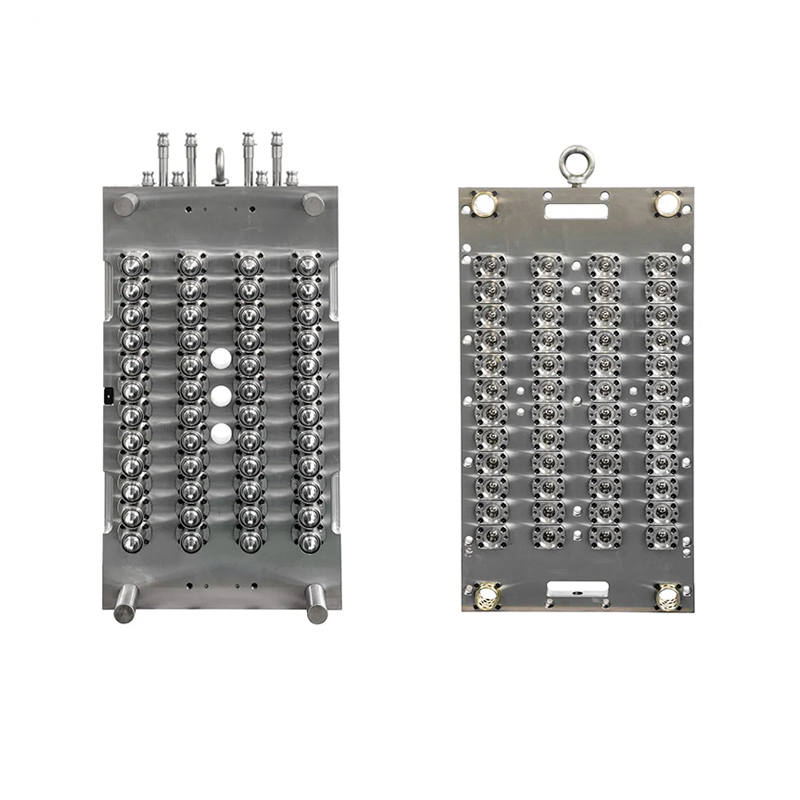
The Qihong 48-Cavity Preform Mold(Mould) is the ideal choice for high-volume PET...
See Details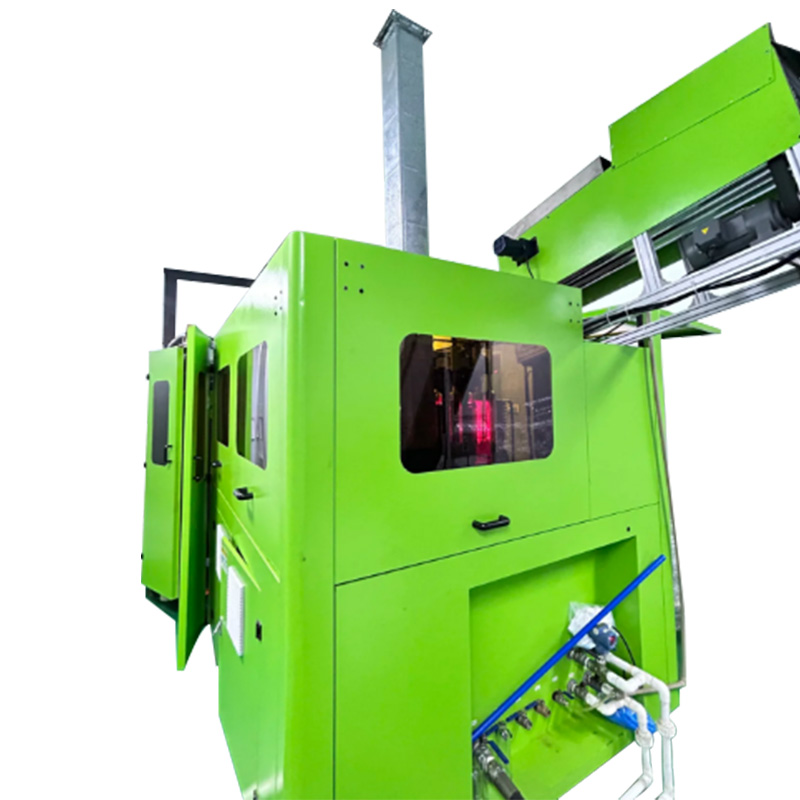
Automatic blowing machines are essential equipment in modern bottle manufacturin...
See Details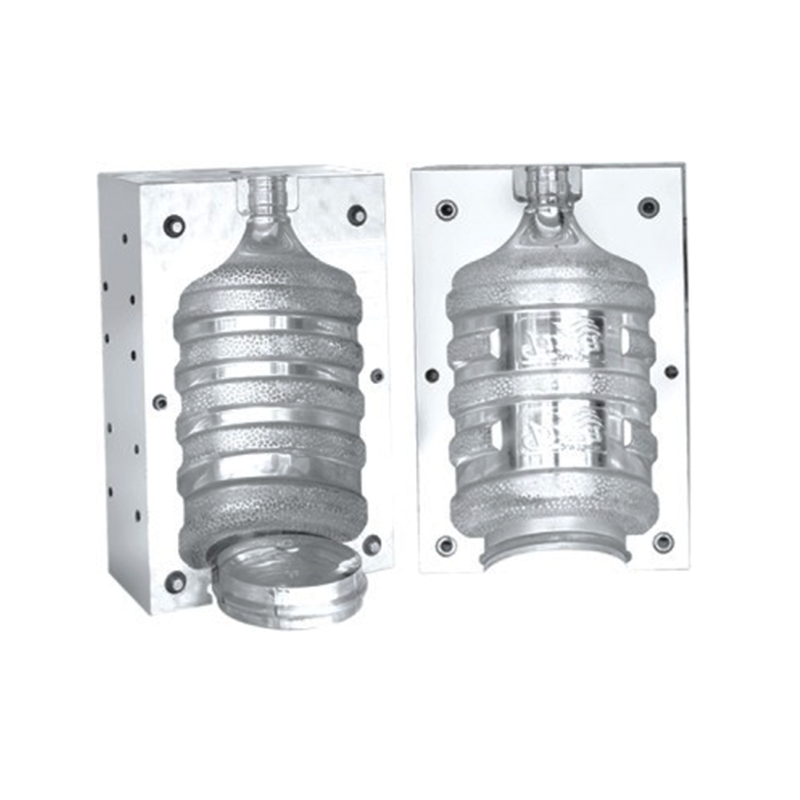
This Five Gallons Bottle Mold(Mould) comes straight out of Taizhou, Zhejiang—bui...
See Details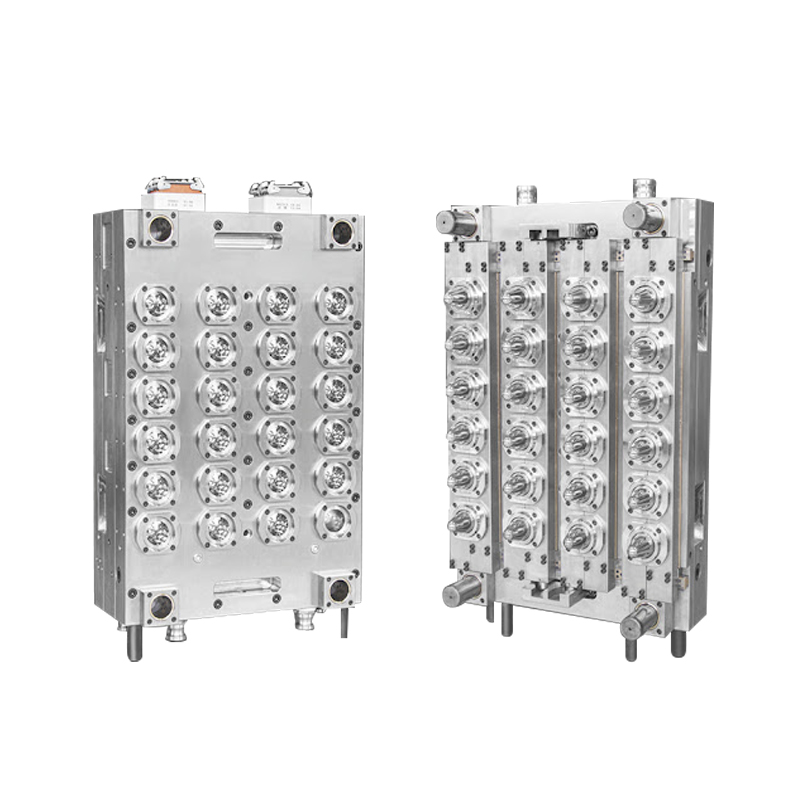
The 24-cavity wide-mouth mold is a precision tool designed for producing wide-mo...
See Details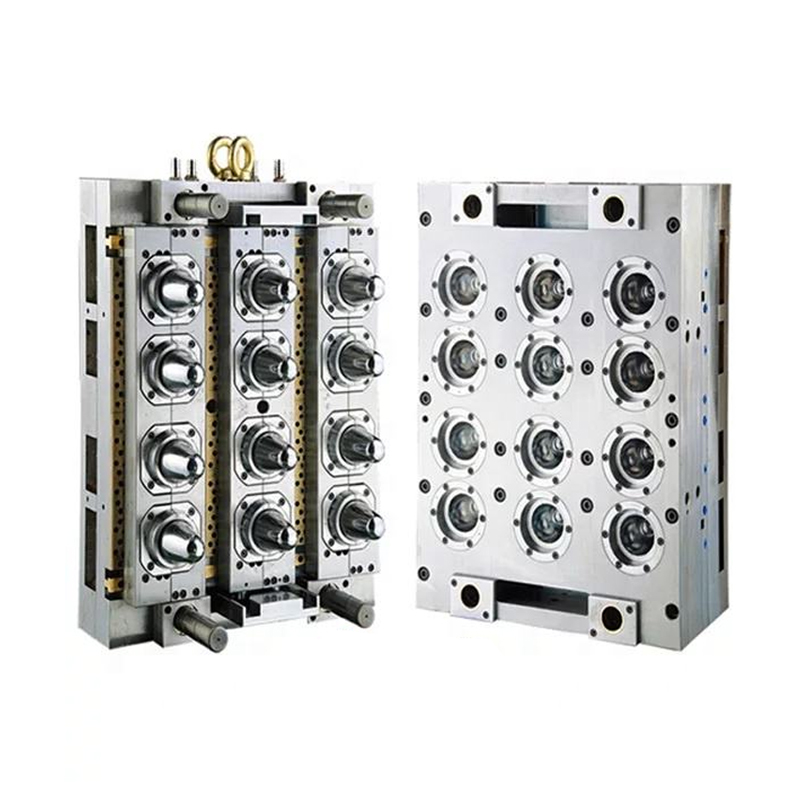
The 12-Cavity Wide-Mouth Mold(Mould) is made for manufacturers running wide-mout...
See Details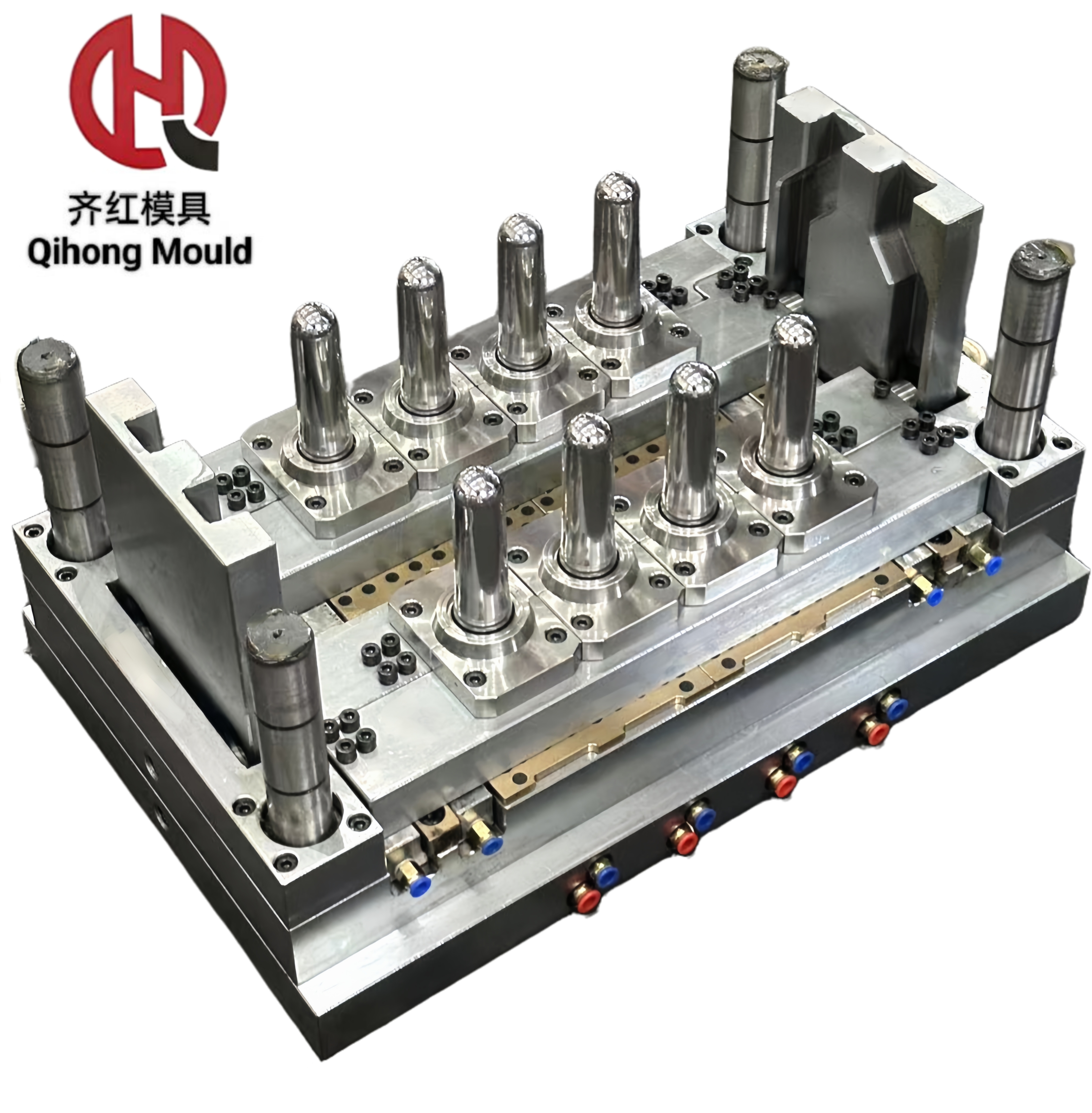
Jar Preform Mold is designed for accurate and efficient production of plastic pr...
See Details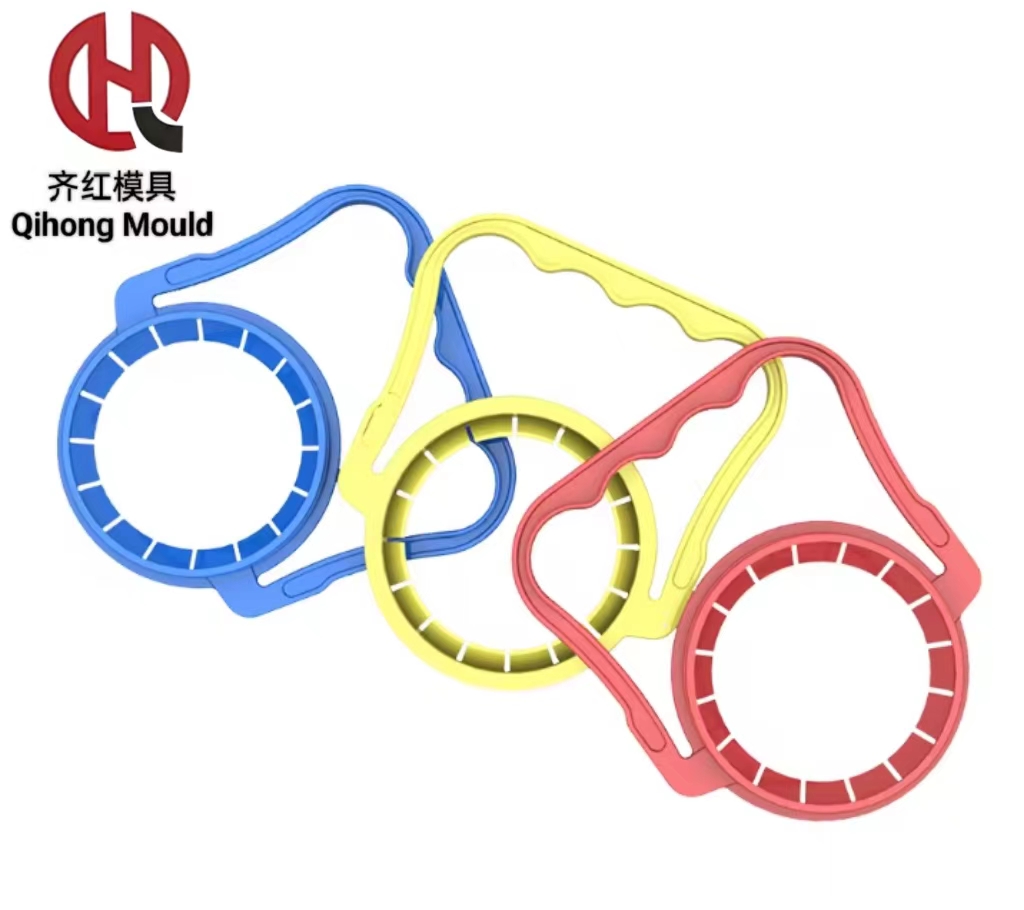
Mould Specifications Product : Plastic Handle Mould Brand : Taizhou Qihong...
See Details
Spout Cap Mould is a EVA inner part of oil cap, match for 42mm pull out closure....
See Details
WhatsApp:+(86) 13957659071 / +(86) 18158637057 / +(86) 15395760157


ADD:Baige Science and Technology Park, Huangyan District, Taizhou City, Zhejiang Province, China.