English
 русский
 عربى
عربى


24-Cavity Preform Mold(Mould)
The 24-cavity preform mold is a handy tool for turning out PET bottle preforms. ...
See Details


If you spend time around plastic production, blow molds are nothing new. They've been part of daily operations for years. But recently, people have started talking about them more often again.Not because of some big breakthrough. It's more subtle than that.
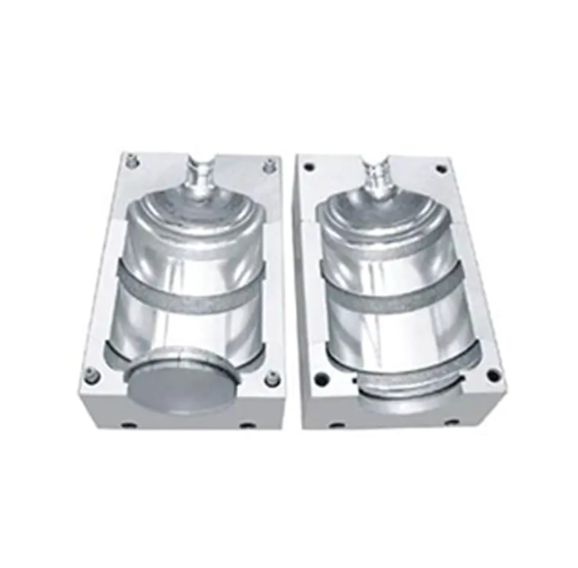
Orders feel a bit different. Purchasing habits are shifting. Some factories are quietly adjusting how they source molds. None of this looks dramatic on its own, but together it's changing how the market moves.
A lot of it comes down to product variety.
In the past, a factory might run one bottle design for a long stretch. Now, switching between sizes or shapes happens more often. That alone increases the need for molds.
There's also less patience for delays. If production stops because a mold isn't ready, the impact shows up immediately. So instead of waiting, many teams prefer to prepare in advance.
You don't always hear it said directly, but the mindset is clear:
it's better to have the mold sitting there than to need it and not have it.
It's not only about getting a lower price.
For many buyers, it's about reducing hassle.
Ordering molds one by one takes time. Each order means repeating the same discussions, checking drawings again, confirming small details. When production depends on consistency, even a small mismatch can cause trouble.
Buying in batches solves part of that.
Some purchasing managers describe it simply: fewer headaches later.
At first glance, not really.
Most changes are small. You might not notice them unless you're the one using the mold every day.
But operators do notice.
Certain molds release more smoothly. Some are easier to clean. Others just feel more predictable during production.
These details don't always show up in drawings, but they affect how the line runs.
A smoother process doesn't attract attention, but a difficult one definitely does.
It depends on how the molds are used.
Some factories stick with familiar materials because they know how they behave over time. Others experiment a bit more, especially when handling or changeover becomes a concern.
Here's a simple way people tend to look at it:
| Material Type | What people usually notice | Where it fits best |
|---|---|---|
| Standard metal | Feels solid and reliable | Long production runs |
| Alloy mixes | Slightly easier to handle | Frequent adjustments |
| Lighter builds | Easier to move around | Smaller or flexible production |
There's no single right choice. It often comes down to how the production line is set up.
The tone has changed a bit.
Before, it was more transactional. You send a drawing, they make the mold.
Now there's more back-and-forth.
Suppliers might ask how often the mold will be used, or whether the product changes often. These questions aren't just for show. They're trying to avoid problems later.
Another shift is the willingness to start small.
Some suppliers suggest testing a small batch before moving forward. It slows things down slightly at the beginning, but reduces risk.
That approach seems to be sticking.
Even with better communication, some issues keep appearing.
None of these are new. What's different is how seriously buyers take them now.
A delay or mismatch isn't just inconvenient anymore. It can disrupt an entire schedule.
Because of that, reliability often matters more than price alone.
Not always from large-scale industries.
In many cases, it's smaller or more specific segments.
Custom packaging, for example, is becoming more common. So are replacement molds for older lines that are still running.
These jobs don't always involve huge volumes, but they come in steadily.
And they usually require closer attention to detail.
Production isn't as fixed as it used to be.
Switching between products happens more often, sometimes within the same day.
That affects how molds are chosen.
In some cases, a mold that's quicker to swap is preferred over one designed for long uninterrupted runs.
It's a practical decision. Time lost during changeover adds up quickly.
There's more hesitation now, but it's not negative. It's careful thinking.
People tend to look at things like:
These are simple questions, but they prevent bigger issues later.
A little.
Price still matters, of course. But it's not the only factor.
More buyers are thinking in terms of how the mold performs over time.
If a mold runs smoothly and doesn't interrupt production, it's often seen as worth the cost.
On the other hand, a cheaper option that causes small issues again and again can end up costing more in the long run.
So the conversation has shifted from "How much does it cost?" to "How does it behave during use?"
There isn't a dramatic shift happening in the wholesale blow mold market. It's more like a slow adjustment.
People are paying closer attention. Decisions are a bit more deliberate. Small improvements in design and supply are making everyday work easier.
If you're in the middle of it, you can feel the difference. It's not loud, but it's there.
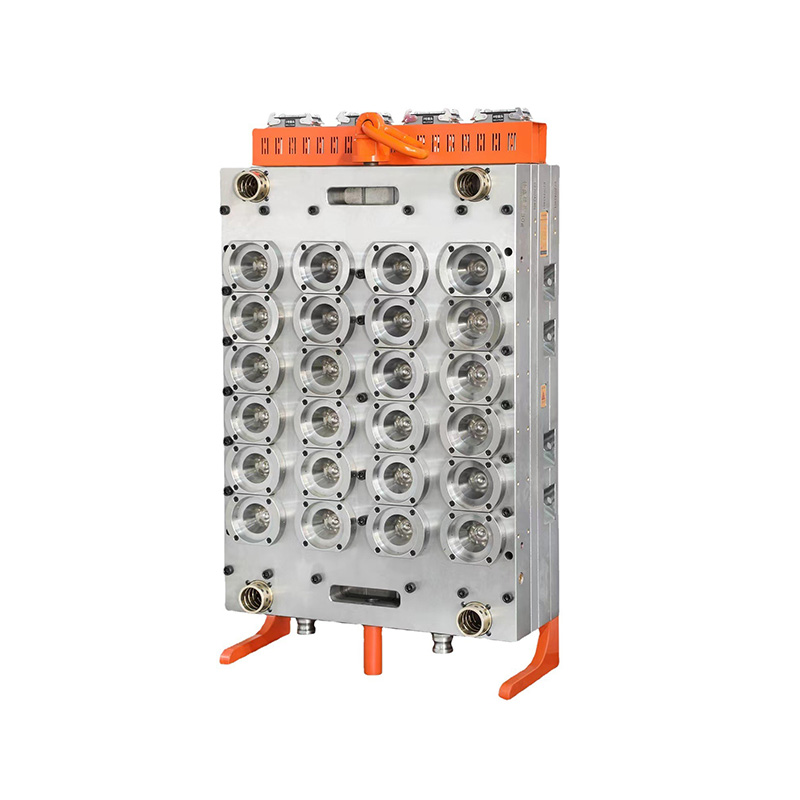
The 24-cavity preform mold is a handy tool for turning out PET bottle preforms. ...
See Details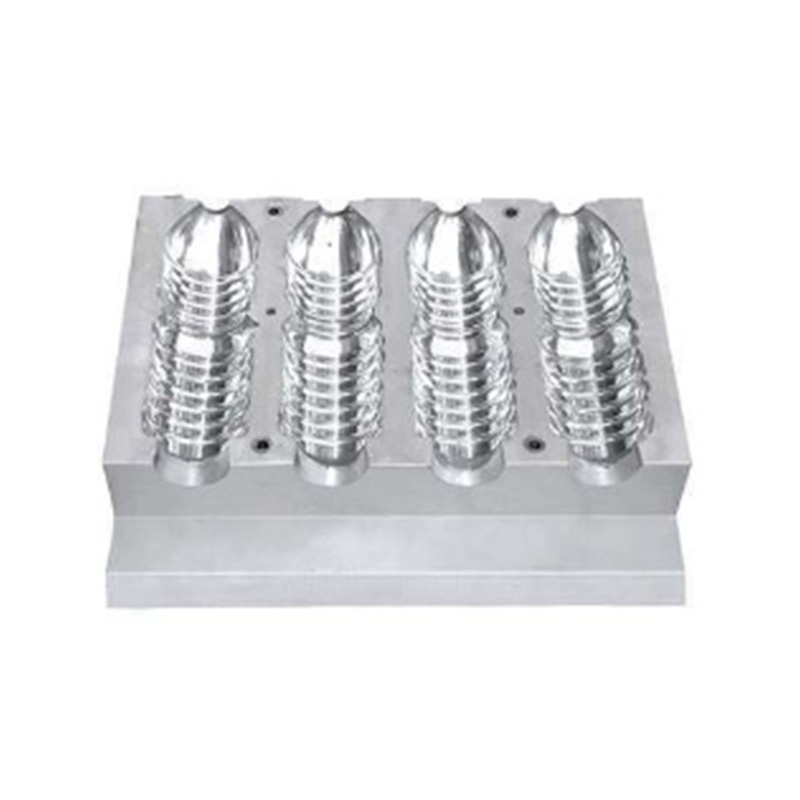
Product Name: Water/Beverage Bottle Mold A Water/Beverage Bottle Mold is a speci...
See Details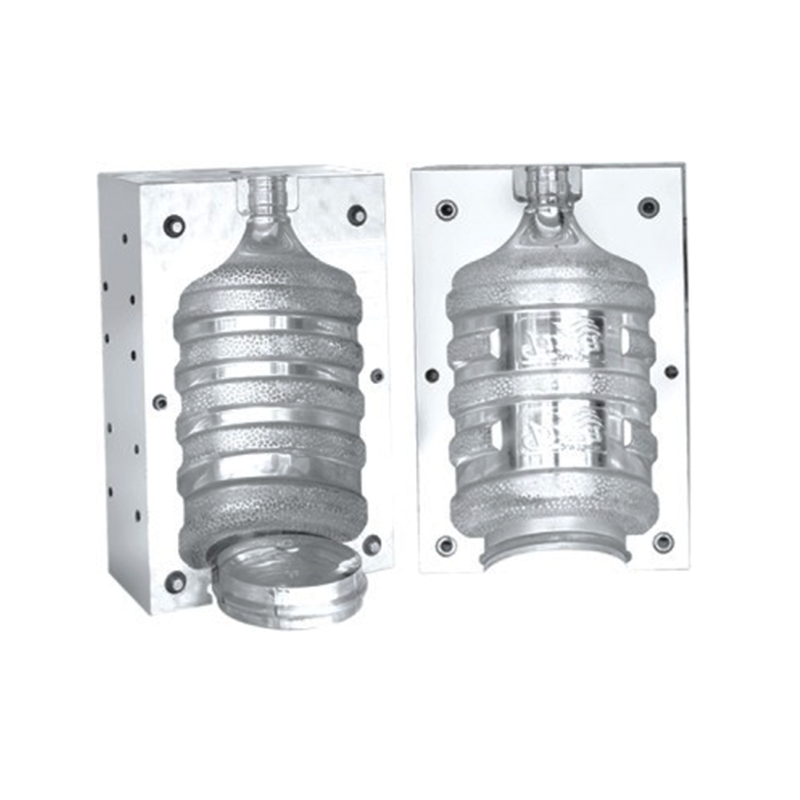
This Five Gallons Bottle Mold(Mould) comes straight out of Taizhou, Zhejiang—bui...
See Details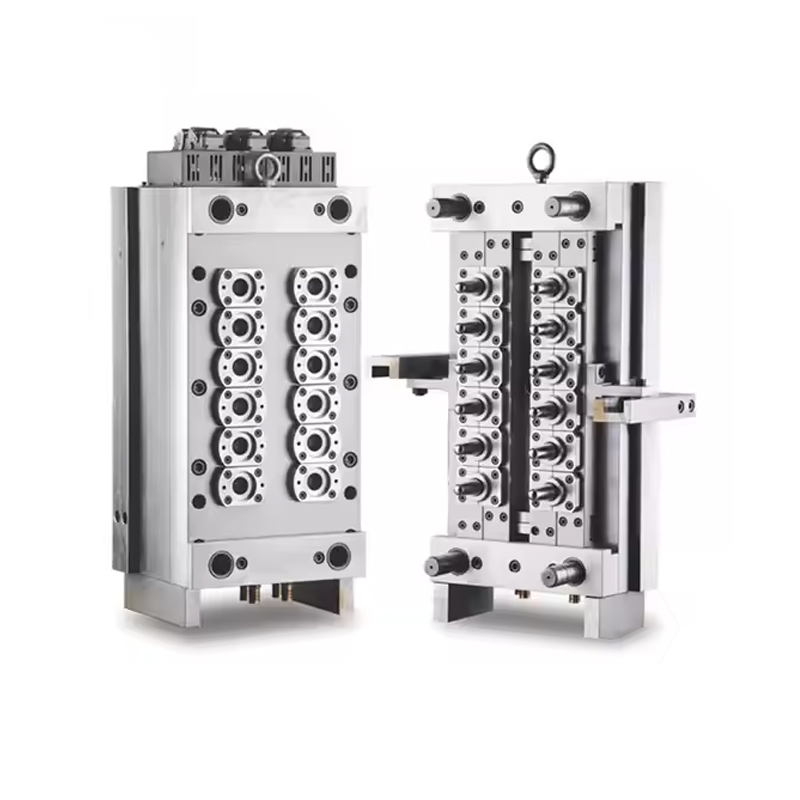
The 12-Cavity PET Preform Mold is a high-quality, durable solution designed to m...
See Details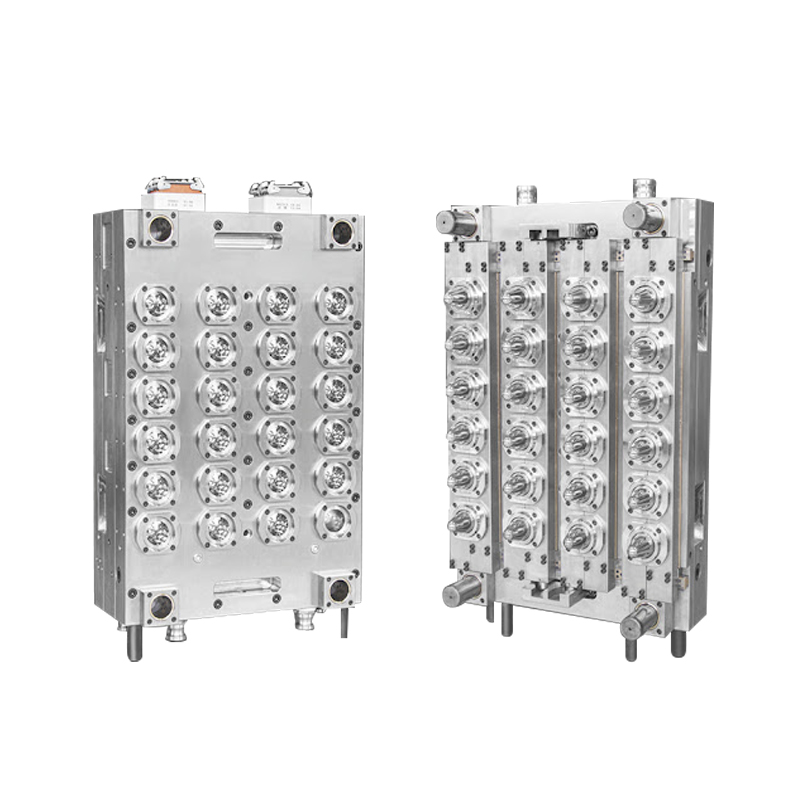
The 24-cavity wide-mouth mold is a precision tool designed for producing wide-mo...
See Details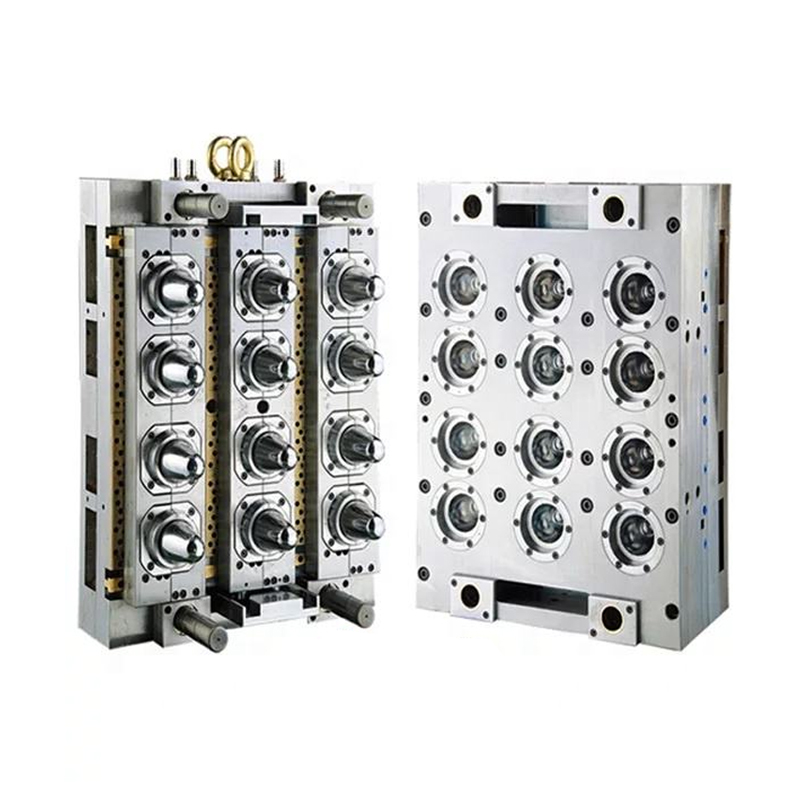
The 12-Cavity Wide-Mouth Mold(Mould) is made for manufacturers running wide-mout...
See Details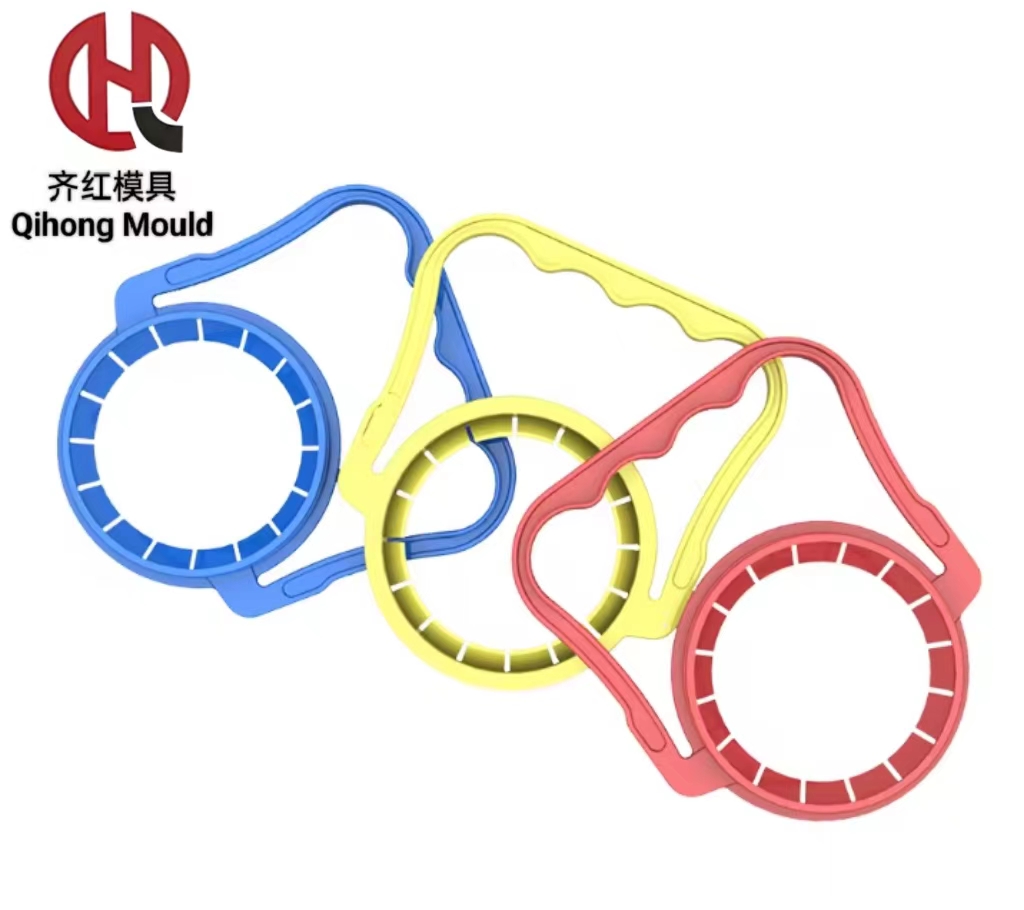
Mould Specifications Product : Plastic Handle Mould Brand : Taizhou Qihong...
See Details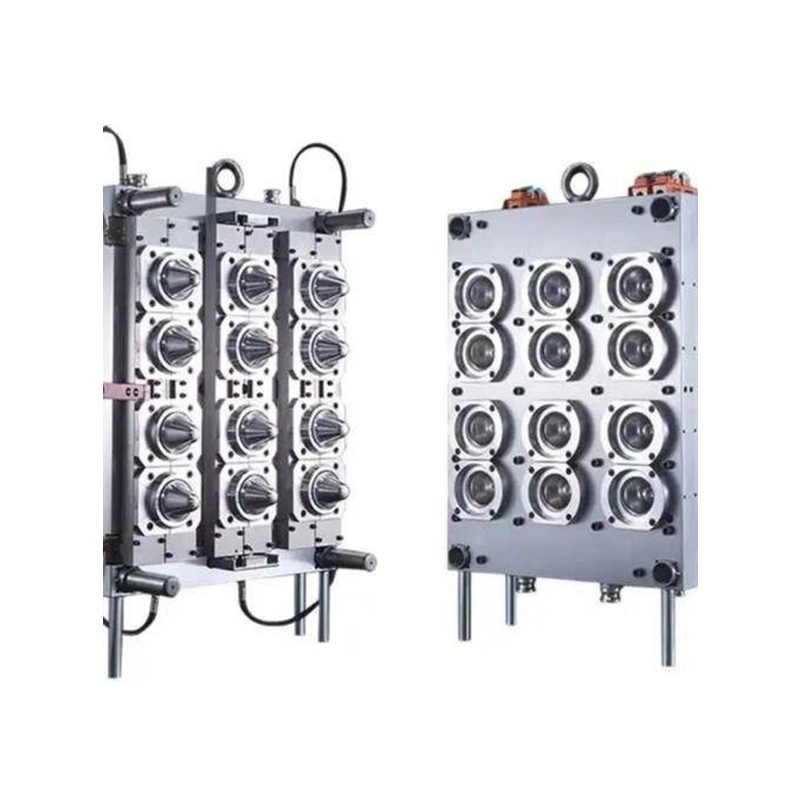
The 12 Cavities Wide Mouth Preform Moulds from Qihong are practical tools for pr...
See Details
WhatsApp:+(86) 13957659071 / +(86) 18158637057 / +(86) 15395760157


ADD:Baige Science and Technology Park, Huangyan District, Taizhou City, Zhejiang Province, China.