English
 русский
 عربى
عربى


24-Cavity Preform Mold(Mould)
The 24-cavity preform mold is a handy tool for turning out PET bottle preforms. ...
See Details


In many factories, plastic parts are shaped long before they become finished products. These early forms are often small and simple in appearance, yet they carry the structure that later defines the final item. Among them, preforms are widely used.
A preform is not something people usually notice. It is not displayed, and it rarely leaves the production chain in its original state. Still, it holds a key position. What happens at this stage often shapes what comes next.
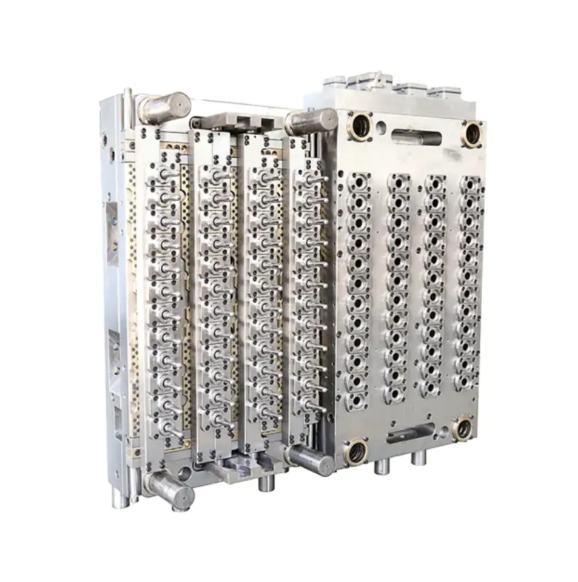
Behind every preform is a mould. It is easy to overlook, but it quietly determines how material moves, how shapes are formed, and how stable the process feels over time.
As production environments become more organized, attention is gradually shifting toward these less visible parts of the process.
In the past, most discussions focused on finished goods. Appearance, durability, and usability were often the main concerns. Now, there is a growing interest in how products are made before they reach that stage.
This shift has brought preforms into view.
Manufacturers are starting to ask different questions. Instead of only checking the final output, they are looking at the steps that lead to it. Preforms sit right in the middle of this chain.
They connect raw material with final shaping. If something changes here, it often shows up later.
That is one reason why moulds used for preforms are being discussed more often. They are no longer seen as background tools. They are part of the process that defines consistency.
From the outside, the process may look repetitive. The same action happens again and again. But inside the mould, there is a controlled movement that needs to stay stable.
Material enters the mould space and follows a guided path. The shape is not random. It is defined by the structure of the mould.
Each cycle is meant to follow the same pattern:
Nothing in this sequence is complicated on its own. The challenge comes from keeping every cycle similar to the previous one.
That is where the mould plays its role. It creates boundaries. It keeps the process from drifting too far from the intended shape.
At a glance, a mould might look like a fixed object. Once it is made, it appears to stay the same. In reality, its design affects how the entire process behaves.
A small change in structure can influence how material flows. It can also affect how easily the preform is released.
Design is not only about shape. It is also about balance.
Some of the points that often come into discussion include:
These are not always visible during normal operation. But over time, they become noticeable through changes in production rhythm.
That is why mould design is often revisited, even after production has already started.
Factory lines live and die by consistent pace.
Hold up just one stage, and the whole workflow suffers. Preform manufacturing runs nonstop, so any inconsistency immediately stands out.
Well-calibrated moulds keep the line moving evenly.
Uniform output takes the pressure off all later processing steps. Staff don't have to make constant tweaks, and the whole production speed stays reliable day in and day out.
By contrast, moulds that churn out uneven preforms create constant minor hiccups. They might not fully halt production, yet they mess up the smooth running rhythm.
These tiny irregularities add up day after day and drag down overall line efficiency.
That's why reliable mould operation directly shapes how steady daily production turns out.
Preform moulds are not limited to one type of product. They appear in different industries where plastic shaping is part of the process.
Even though the final products may look very different, the early stages often share similar methods.
| Application Area | Typical Role of Preforms |
|---|---|
| Packaging production | Forms the base shape before final processing |
| Consumer products | Prepares uniform components for later use |
| Industrial manufacturing | Supports repeatable shaping steps |
| Household goods | Helps create consistent plastic parts |
In each case, the preform is only a step along the way. It is not the final goal, but it sets the direction.
The mould ensures that this step remains controlled and repeatable.
Even with careful planning, production conditions can change.
A mould that works well at one stage may behave differently later. This does not always mean something is wrong. It often reflects how sensitive the process can be.
Some situations that may come up include:
These are part of normal production life.
Instead of avoiding them completely, manufacturers usually focus on managing them. Regular checks and small adjustments help keep the system balanced.
The mould becomes part of an ongoing process rather than a fixed solution.
Production is not as rigid as it once was. Many factories are moving toward more flexible setups.
This change is influencing how moulds are viewed.
They are no longer seen as isolated tools. Instead, they are part of a larger system that includes workflow, equipment layout, and daily operations.
Manufacturers are paying attention to how moulds fit into this system.
Some of the considerations now include:
This broader view changes how decisions are made.
The focus is not only on shaping plastic. It is also on how the process fits into the overall production environment.
As industries refine their processes, smaller details are getting more attention.
Preform moulds sit at a point where many factors meet. They connect material, shape, and workflow.
Because of this position, their influence reaches beyond a single step.
They affect how production begins. They also influence how smoothly it continues.
Instead of being treated as background equipment, moulds are becoming part of larger discussions about production structure.
This does not happen all at once. It develops gradually as manufacturers look for ways to make their processes more stable and easier to manage.
In that context, the preform mould is no longer just a shaping tool. It becomes part of how production is understood and organized.
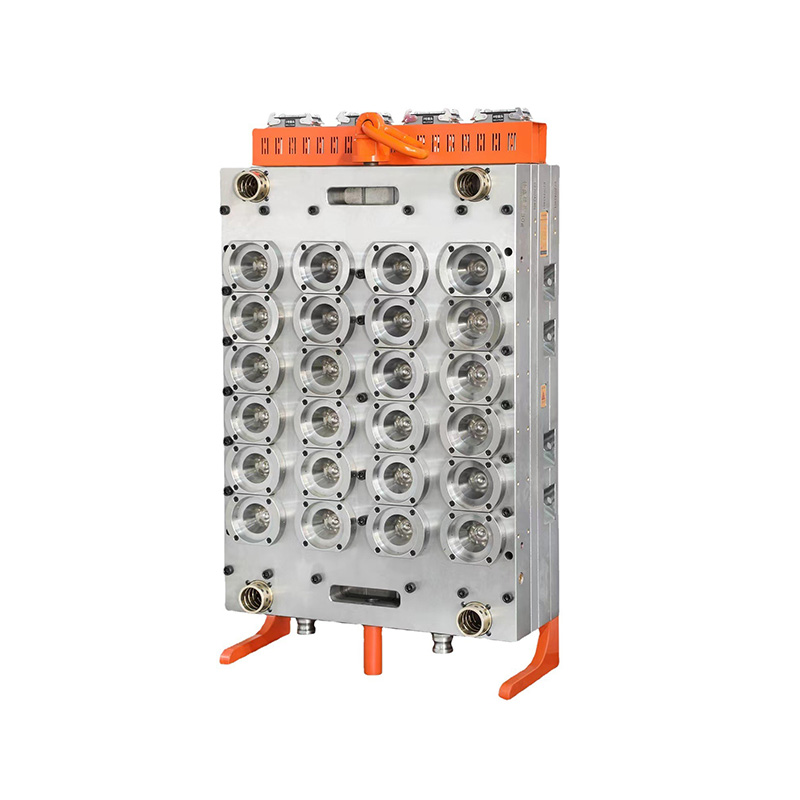
The 24-cavity preform mold is a handy tool for turning out PET bottle preforms. ...
See Details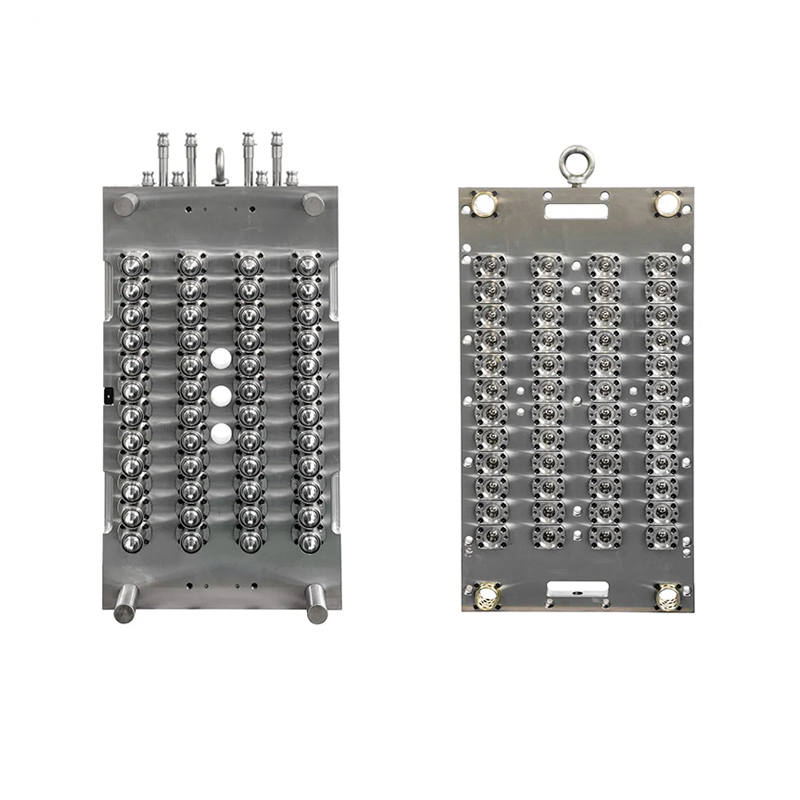
The Qihong 48-Cavity Preform Mold(Mould) is the ideal choice for high-volume PET...
See Details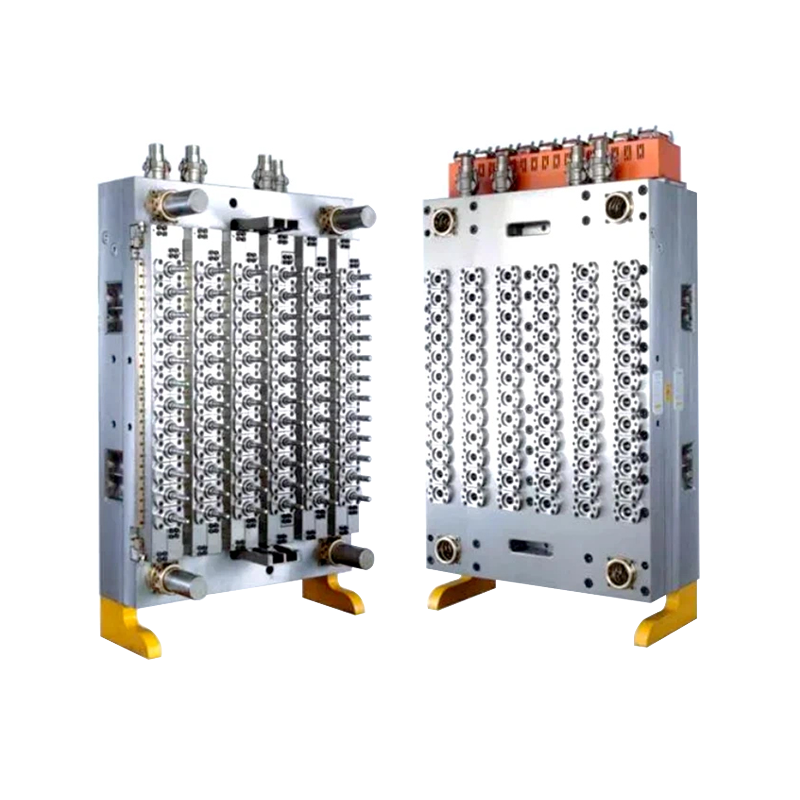
The 72-Cavity Preform Mold(Mould) is a solid, no-nonsense choice when you need t...
See Details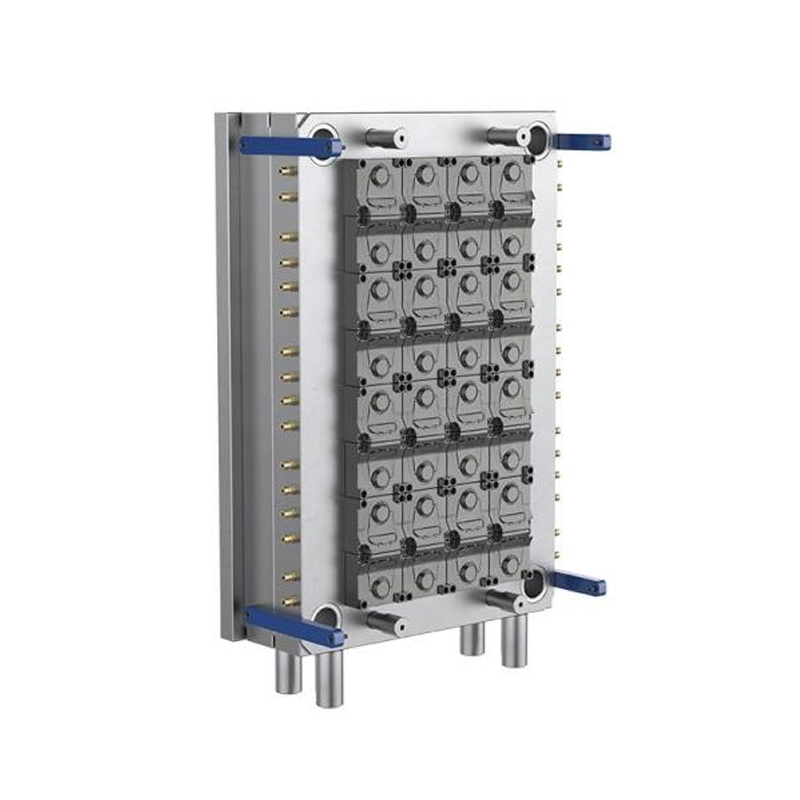
A Handle Mold is a specialized mold used in the manufacturing of plastic handles...
See Details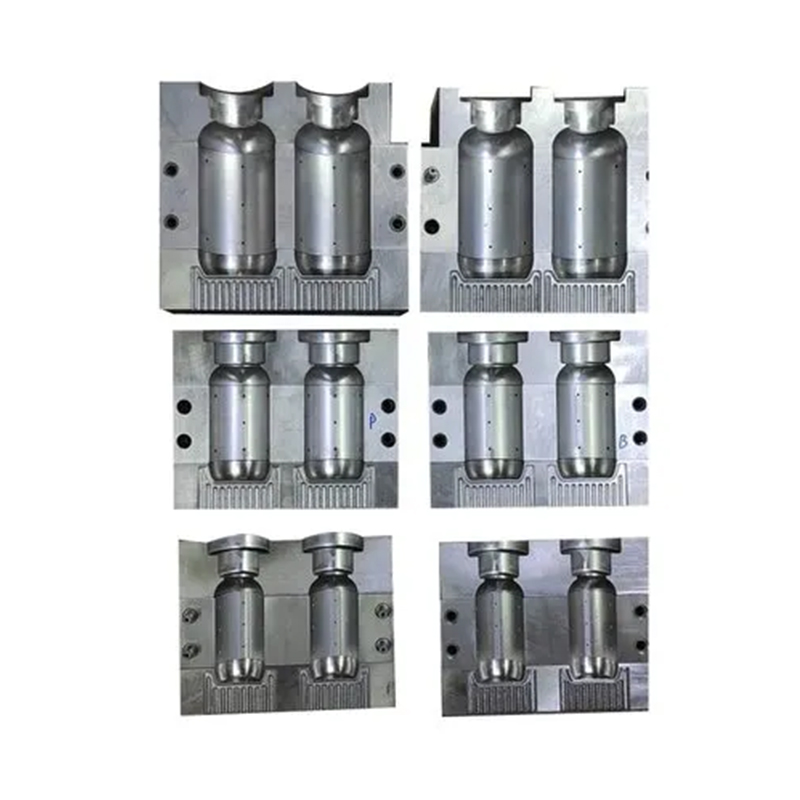
Medicine bottle molds are specialized tools designed for the efficient productio...
See Details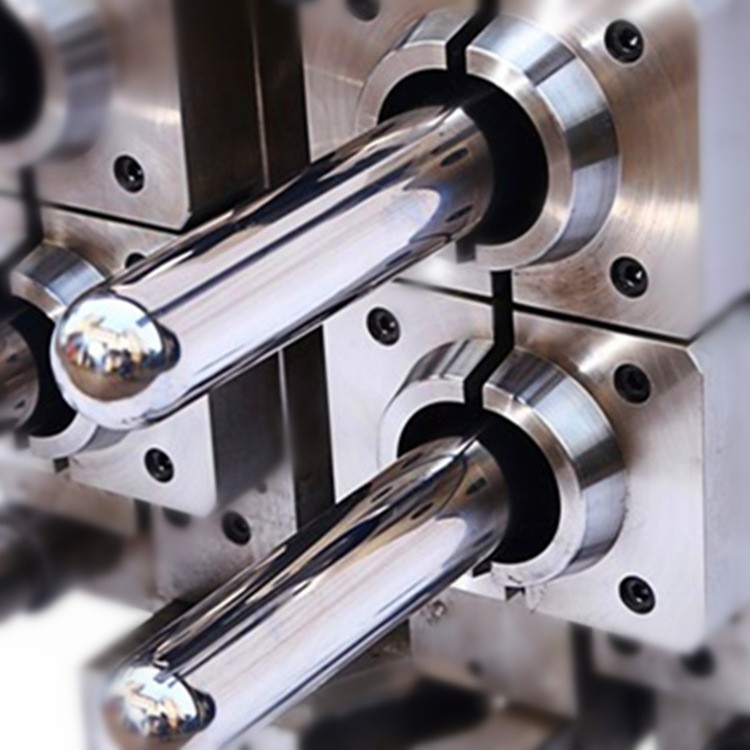
Mould Specifications Product : Preform Mould Brand : Taizhou QihongMould C...
See Details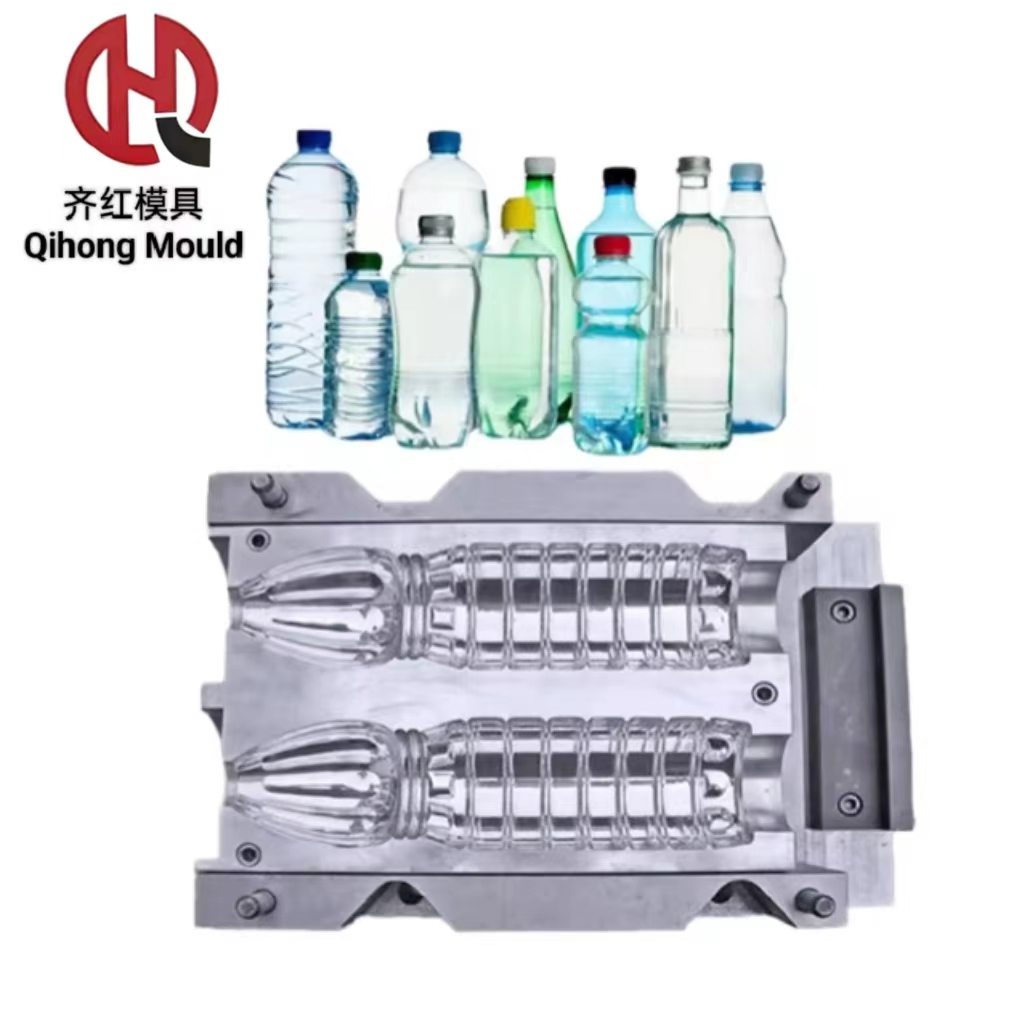
Mould Specifications Product : Blowing Mould Brand : Taizhou QihongMould C...
See Details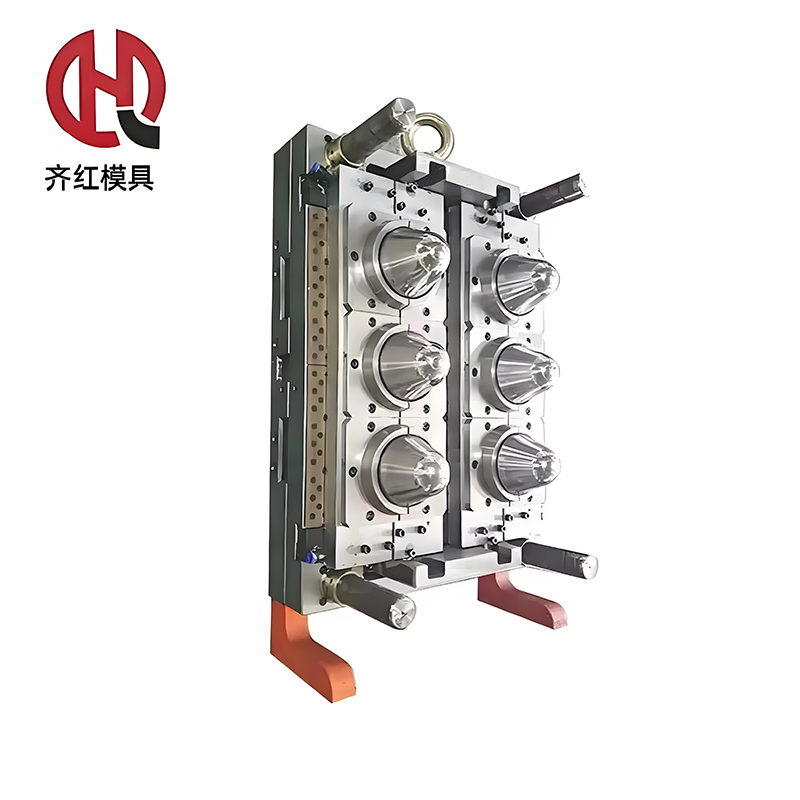
Water and beverage preform mold, Edible oil preform mold, Preform Mold for cosme...
See Details
WhatsApp:+(86) 13957659071 / +(86) 18158637057 / +(86) 15395760157


ADD:Baige Science and Technology Park, Huangyan District, Taizhou City, Zhejiang Province, China.