English
 русский
 عربى
عربى


24-Cavity Preform Mold(Mould)
The 24-cavity preform mold is a handy tool for turning out PET bottle preforms. ...
See Details


Handle molds are essential components in a wide range of industries, from automotive and household appliances to furniture and tools. The design of these molds must accommodate the specific shapes and ergonomic features of handles, ensuring comfort, strength, and aesthetic appeal. When designing handle molds, several factors come into play: the material used, the mold cavity number, the mold construction, and the intended production volume. The right cavity mold design can significantly improve the manufacturing efficiency and product consistency.
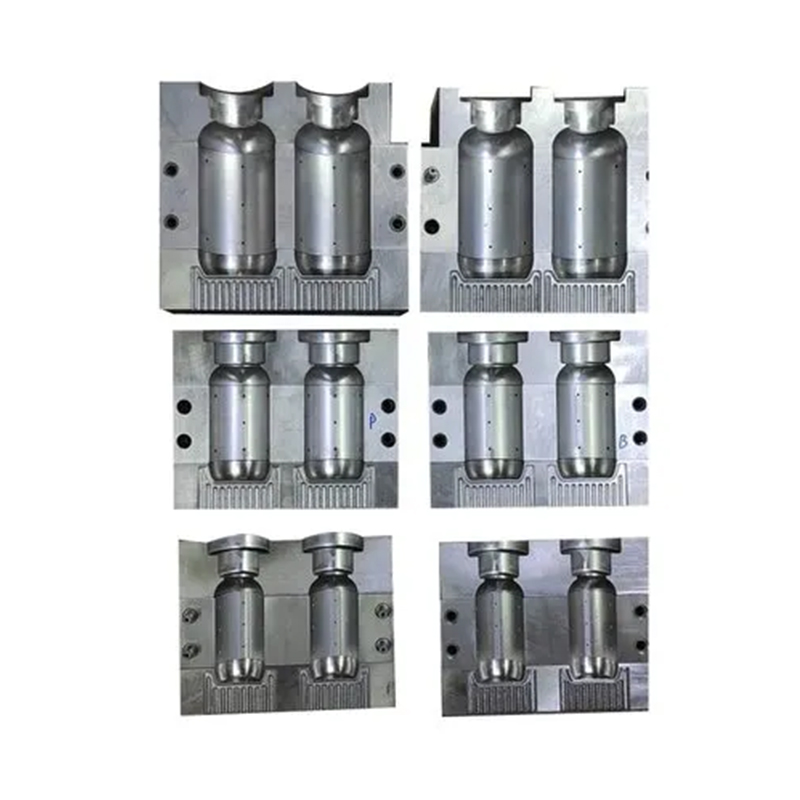
One of the main considerations in cavity mold design is the number of cavities included in a single mold. Various cavity numbers molds can range from single cavity to multi-cavity setups, sometimes containing dozens of cavities depending on the size and complexity of the product. Multi-cavity molds allow for higher production rates by producing multiple parts in one injection cycle. However, they also require more precise engineering to ensure uniform filling and cooling, which affects the final quality of the parts.
Choosing the appropriate cavity number depends largely on the production volume and budget. For smaller production runs or custom handles, single cavity molds are often sufficient. They are simpler to design and maintain and allow for easier modifications if the design needs to change. On the other hand, for large-scale production, multi-cavity molds offer significant time savings. By producing multiple handles simultaneously, manufacturers can meet demand efficiently while maintaining consistent quality.
Versatile cavity mold designs also offer the advantage of scalability. A manufacturer can start with a single or few cavity molds and gradually move to multi-cavity molds as production needs increase. This approach helps manage initial investment costs and reduces the risk associated with overproduction. Furthermore, advances in mold design technology have made it easier to customize cavity layouts, allowing for different handle styles or sizes to be produced using the same mold base with interchangeable inserts.
Another important aspect of versatile cavity mold design is the balance between mold complexity and production speed. Handle molds, especially those with ergonomic curves or textured surfaces, can present challenges in mold fabrication. Careful design is required to ensure that the mold cavities fill evenly and release the part without defects such as warping or sink marks. For molds with many cavities, cooling channels must be optimized to maintain consistent temperatures throughout the mold, preventing uneven shrinkage or surface imperfections.
Material selection for the mold also influences versatility. Tool steels with high wear resistance are commonly used for cavity molds, providing durability for long production runs. However, for prototyping or short runs, softer materials like aluminum can be chosen to reduce advance times and costs. The choice depends on the expected volume and the precision required for the handle parts.
Additionally, maintenance and mold life are key considerations. Multi-cavity molds may require more frequent maintenance due to their complexity and the higher forces involved in the injection process. Designing molds with easy access for cleaning and part removal can reduce downtime and extend mold life. Modular designs that allow for quick replacement of worn cavities can also enhance production flexibility.
The versatility of cavity mold designs enables manufacturers to respond to changing market demands. For example, if a company needs to produce handles in different colors, materials, or with additional features, adaptable mold designs can accommodate these variations without requiring an entirely new mold. This flexibility supports shorter product development cycles and reduces costs associated with tooling changes.
Versatile cavity mold designs are a valuable asset in meeting diverse production needs. By carefully considering cavity numbers, mold construction, material selection, and maintenance strategies, manufacturers can create handle molds that balance efficiency, quality, and adaptability. Whether producing small batches or large volumes, these mold designs provide the flexibility required to optimize production workflows while meeting the demands of various industries.
Taizhou Qihong Mold Co., Ltd. continues to advance versatile cavity mold solutions with precision engineering and innovative design. Their expertise ensures reliable performance across multiple applications, supporting industries with customized handle molds that enhance productivity, maintain durability, and deliver consistent results in both low and high-volume manufacturing environments.
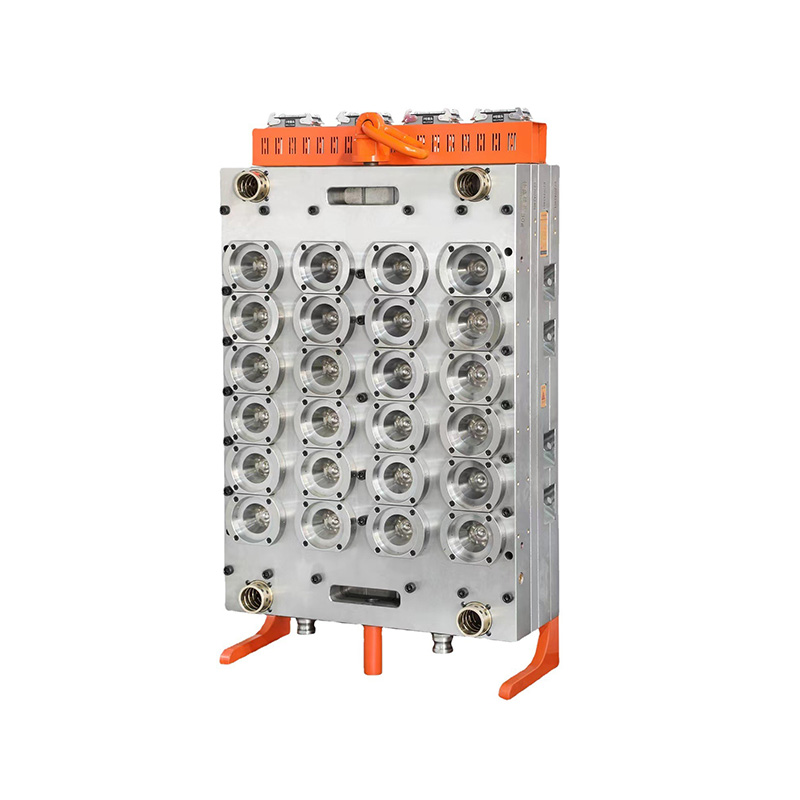
The 24-cavity preform mold is a handy tool for turning out PET bottle preforms. ...
See Details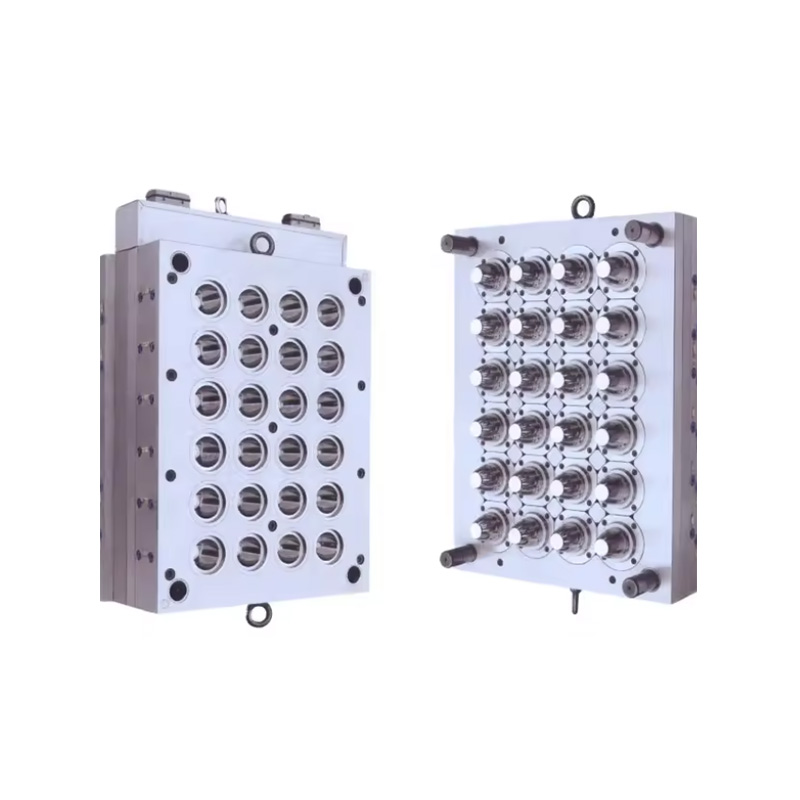
A Bottle Cap Mold is a precision tool used in the manufacturing of bottle caps. ...
See Details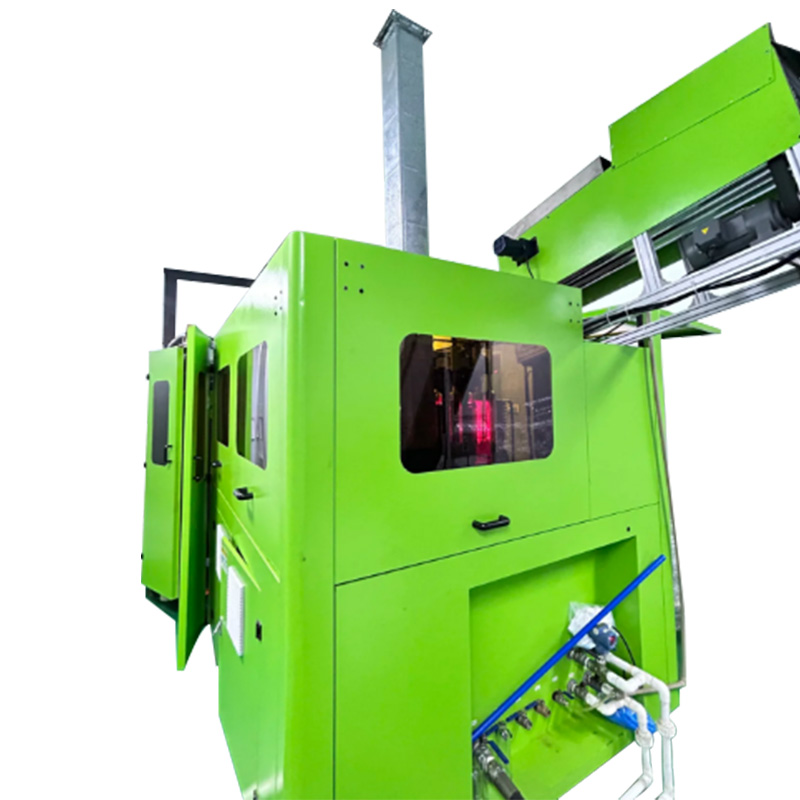
Automatic blowing machines are essential equipment in modern bottle manufacturin...
See Details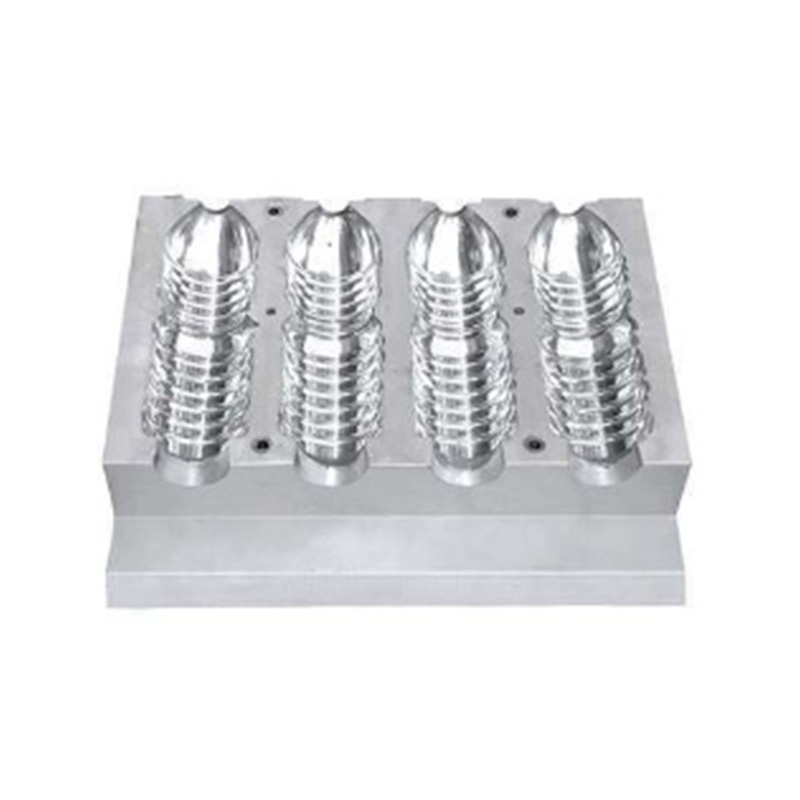
Product Name: Water/Beverage Bottle Mold A Water/Beverage Bottle Mold is a speci...
See Details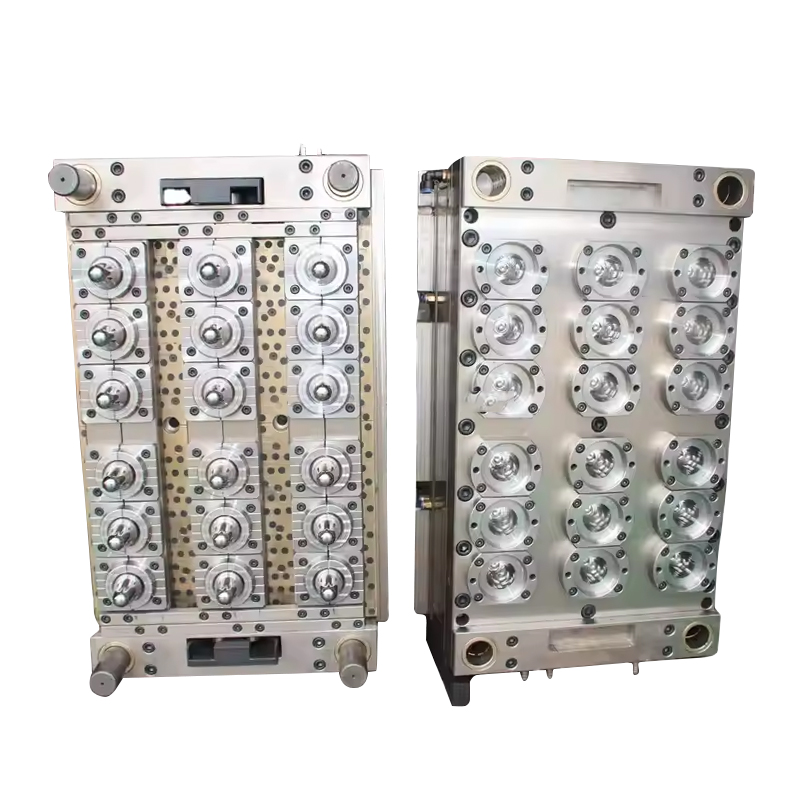
The 18-cavity wide-mouth mold is a high-efficiency tool specifically designed fo...
See Details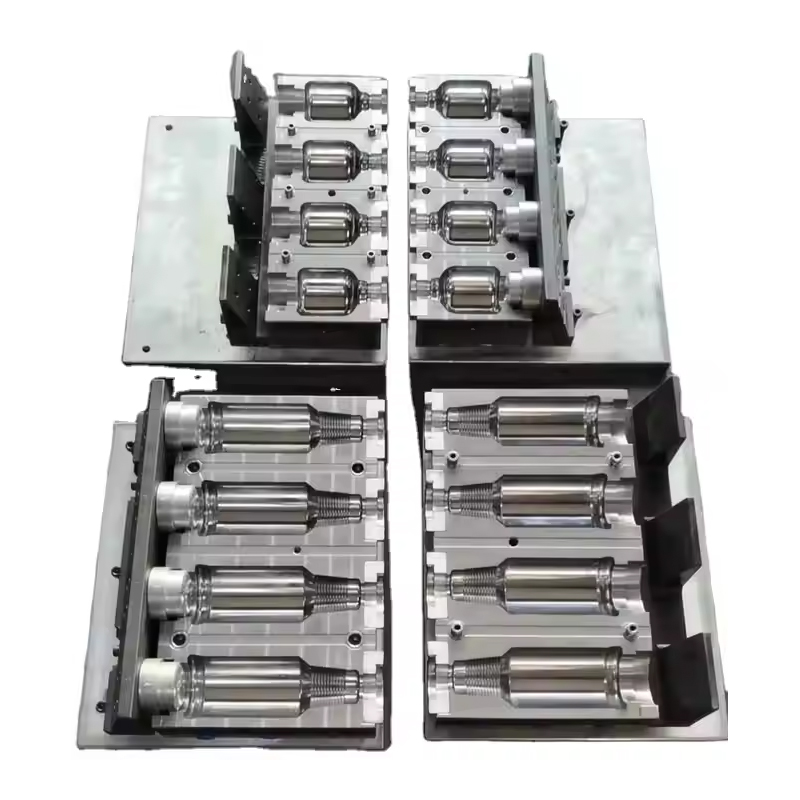
Our Cosmetic Bottle Mold is engineered for precision, reliability, and durabilit...
See Details
Medicine bottle molds are specialized tools designed for the efficient productio...
See Details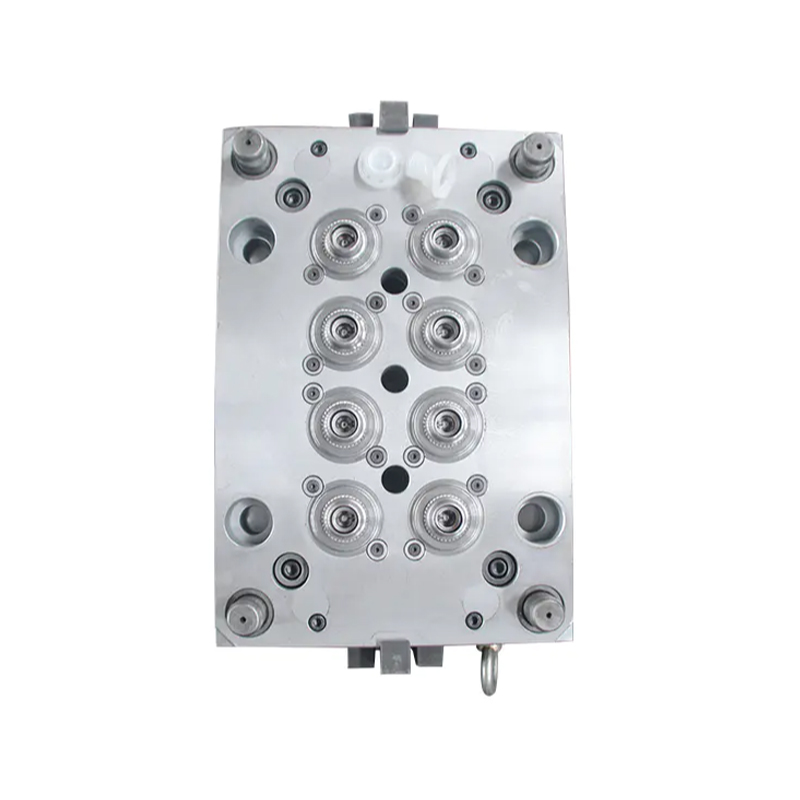
Spout Cap Mould is a EVA inner part of oil cap, match for 42mm pull out closure....
See Details
WhatsApp:+(86) 13957659071 / +(86) 18158637057 / +(86) 15395760157


ADD:Baige Science and Technology Park, Huangyan District, Taizhou City, Zhejiang Province, China.