English
 русский
 عربى
عربى


48-Cavity Preform Mold(Mould)
The Qihong 48-Cavity Preform Mold(Mould) is the ideal choice for high-volume PET...
See Details


In the world of plastic injection molding, precision engineering plays a crucial role in ensuring the quality and efficiency of the final products. This is especially true when it comes to multi-cavity mold manufacturing, where multiple parts are produced simultaneously from a single mold. Achieving consistent results across all cavities requires meticulous design, manufacturing accuracy, and attention to detail.
One common application of multi-cavity molds is the production of handle molds. Handles are functional components often found on household items, tools, containers, and furniture. Because handles must endure frequent use and sometimes mechanical stress, their molds must be engineered to strict specifications to guarantee durability and precise dimensions.
Creating a handle mold involves more than just shaping the product's exterior. The mold must accommodate ergonomic considerations, surface finishes, and potential assembly requirements. The cavity design needs to ensure uniform material flow and cooling, preventing common defects such as warping or sink marks. In multi-cavity molds, maintaining uniform filling pressure across all cavities is vital to produce handles with consistent quality.
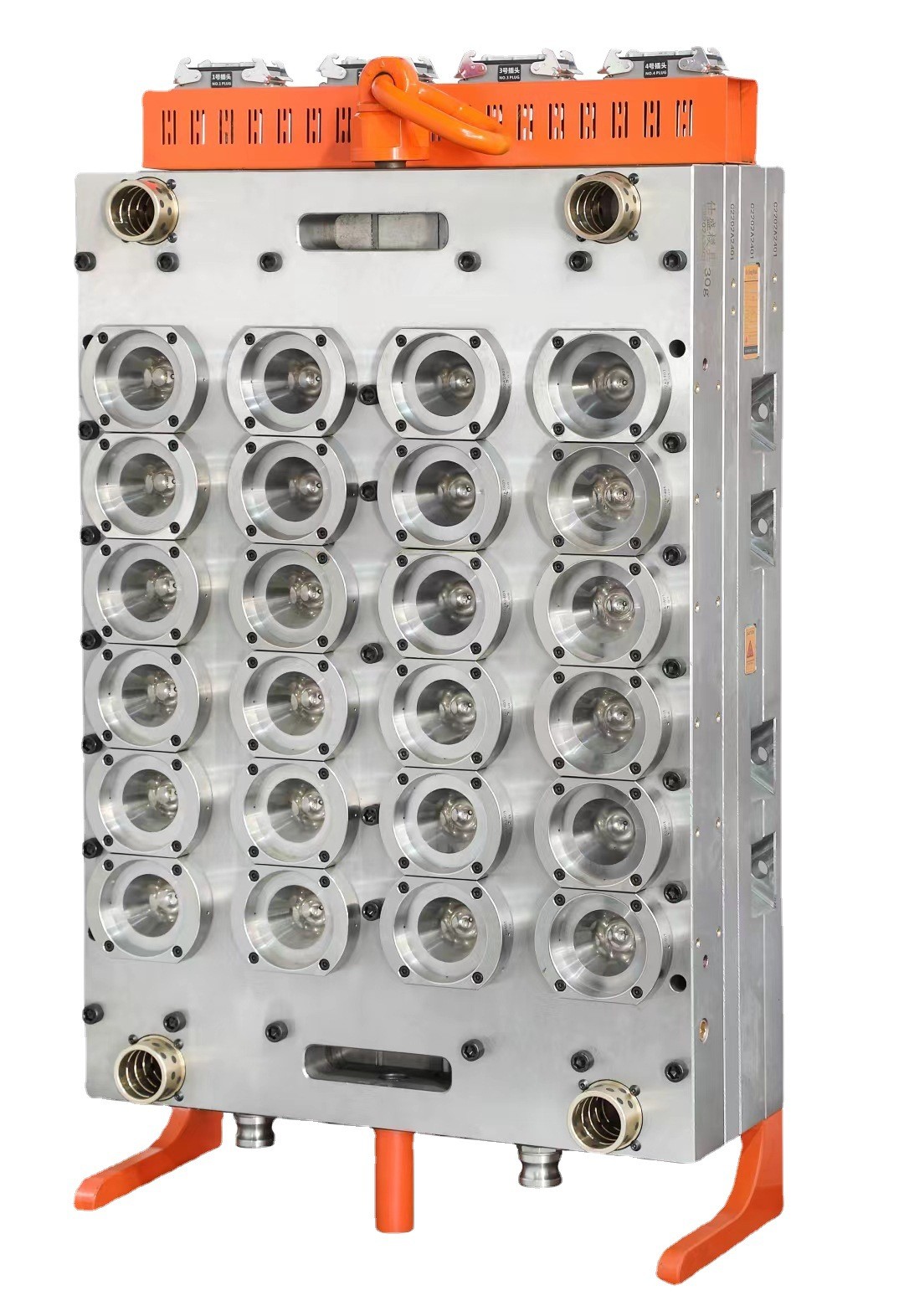
Various cavity numbers molds can range from just a few cavities to dozens, depending on production needs and machine capabilities. Increasing the number of cavities per mold offers the advantage of higher output in less time, which can reduce unit costs. However, it also introduces challenges. More cavities mean increased complexity in the mold design and a higher demand for precise temperature control and injection parameters.
Engineering molds with multiple cavities requires careful balancing of factors like cavity layout, runner system design, and gating. The runner system directs molten plastic to each cavity and must be designed to lessen pressure drops and material waste. An efficient runner system also helps ensure that each cavity fills at the same rate, which is critical in preventing variations in product weight and dimensions.
Precision machining is essential to achieve the tight tolerances needed for multi-cavity molds. CNC machining, EDM (electrical discharge machining), and grinding processes are often employed to fabricate mold components. Each cavity must mirror the others as closely as possible, and surface finishes must meet specific standards to reduce friction and improve part release.
Cooling channels integrated into the mold also require precise engineering. Efficient cooling reduces cycle times and helps maintain dimensional stability of the molded parts. In multi-cavity molds, cooling must be evenly distributed to avoid hot spots that can cause defects. Engineers often use simulation software to optimize cooling channel placement before mold fabrication.
Another consideration in multi-cavity mold manufacturing is the choice of materials. Mold steel grades are selected based on their hardness, wear resistance, and ability to withstand repeated thermal cycling. A well-chosen material can extend mold life and reduce maintenance costs, which is especially important when producing large volumes.
Testing and validation of multi-cavity molds is a critical step before full-scale production begins. Trial runs help identify any issues with filling, cooling, or part ejection. Adjustments may be needed to balance flow, tweak gating, or improve cooling efficiency. Continuous monitoring during production ensures that molds maintain their precision over time.
Handle molds specifically benefit from such thorough testing, as their functional and ergonomic requirements demand high consistency. Slight variations can impact user comfort or compatibility with other parts, so quality control is tightly managed.
Advancements in computer-aided design and manufacturing tools have helped improve mold accuracy and speed up development cycles. However, experienced engineering judgment remains essential to address challenges unique to each mold project. By combining technical expertise with precise manufacturing techniques, mold makers can meet diverse production demands and help their clients achieve reliable product performance.
Taizhou Qihong Mold Co., Ltd. continues to strengthen its position in the industry by integrating advanced CAD/CAM technologies with hands-on engineering knowledge. The company emphasizes strict quality control and innovative solutions to ensure molds meet both functional and aesthetic requirements. With a customer-oriented approach, Taizhou Qihong Mold Co., Ltd. delivers tailored services that enhance efficiency, reduce costs, and support long-term production goals. This balanced expertise enables the company to provide dependable molds for automotive, consumer products, and industrial applications worldwide.
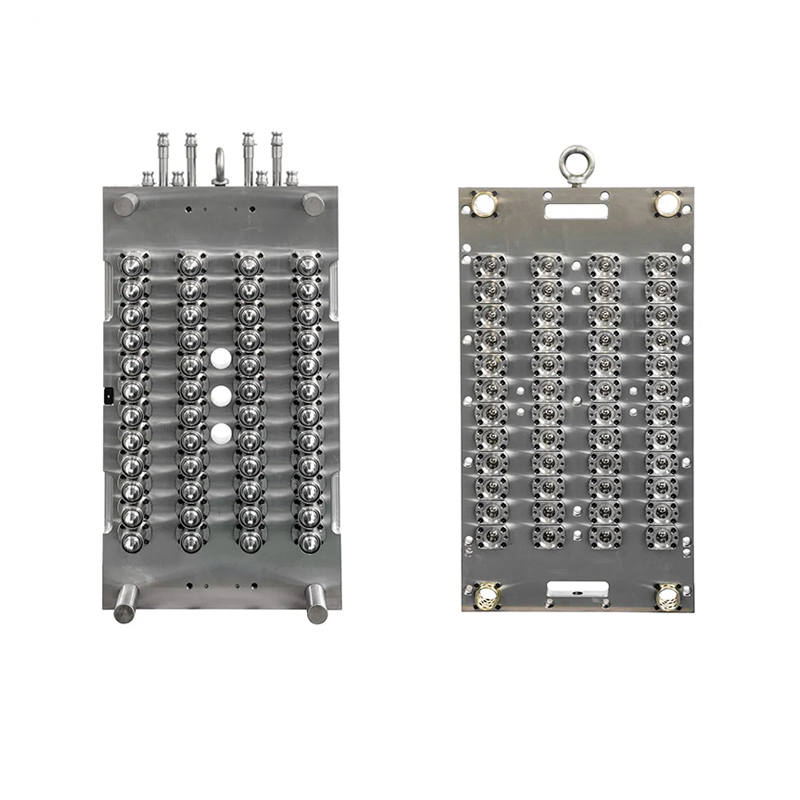
The Qihong 48-Cavity Preform Mold(Mould) is the ideal choice for high-volume PET...
See Details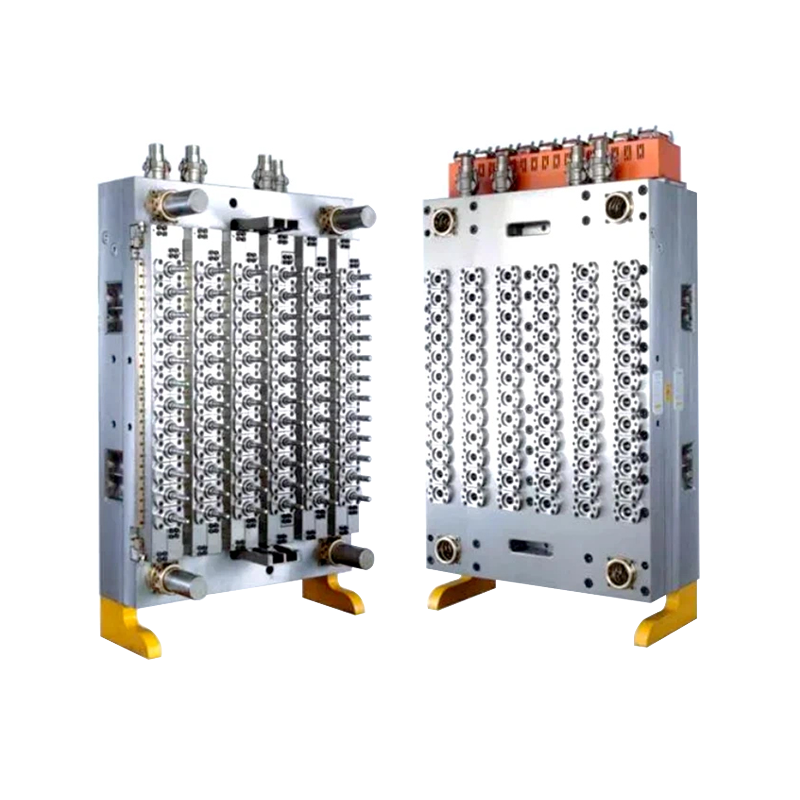
The 72-Cavity Preform Mold(Mould) is a solid, no-nonsense choice when you need t...
See Details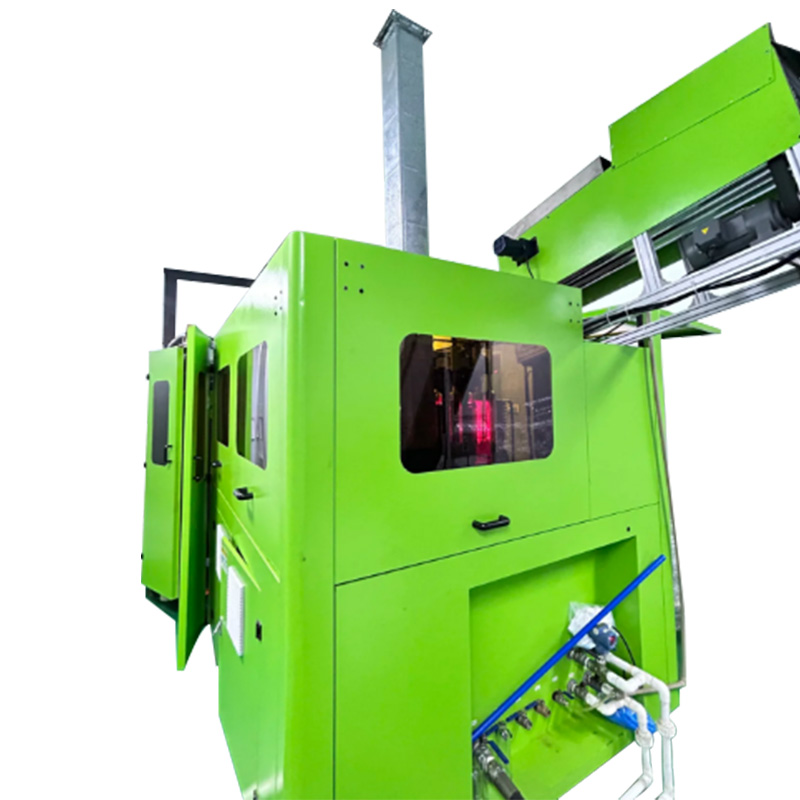
Automatic blowing machines are essential equipment in modern bottle manufacturin...
See Details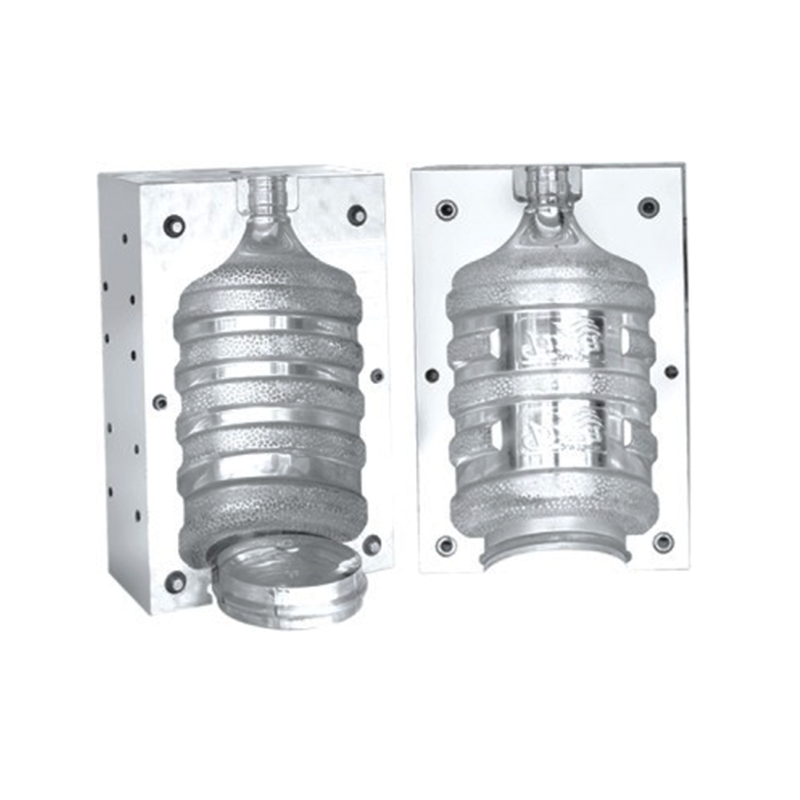
This Five Gallons Bottle Mold(Mould) comes straight out of Taizhou, Zhejiang—bui...
See Details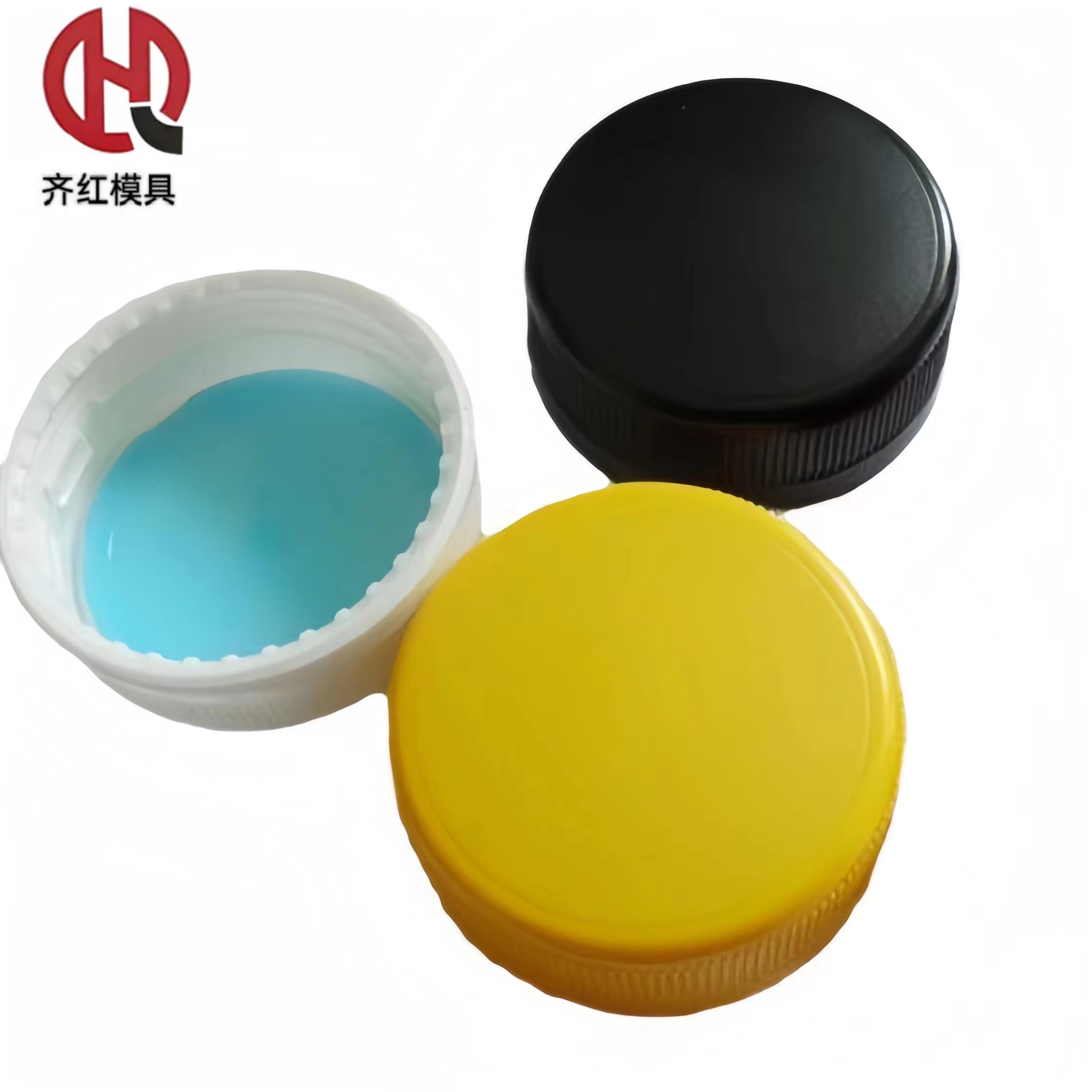
Mould Specifications Product : Cap Mould Brand : Taizhou QihongMould Co.,L...
See Details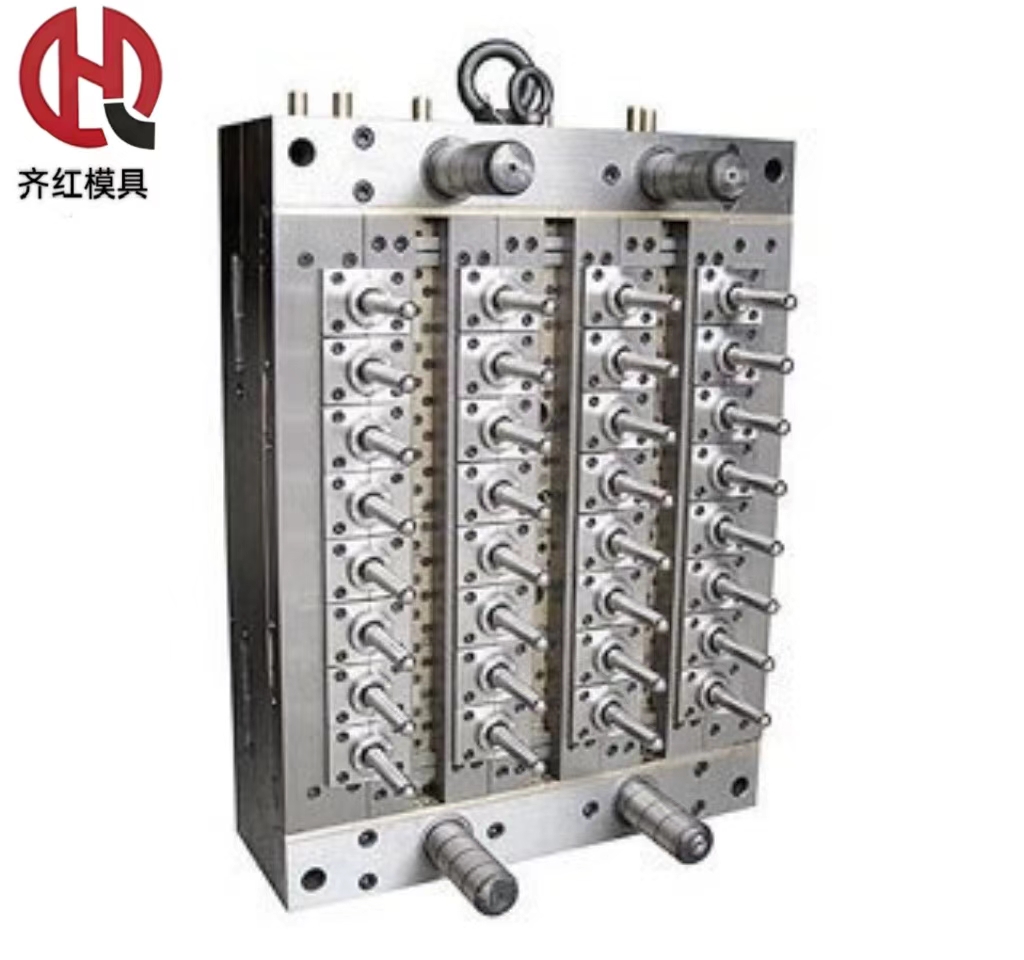
Custom Made Plastic Molds are designed for high precision and flexible plastic p...
See Details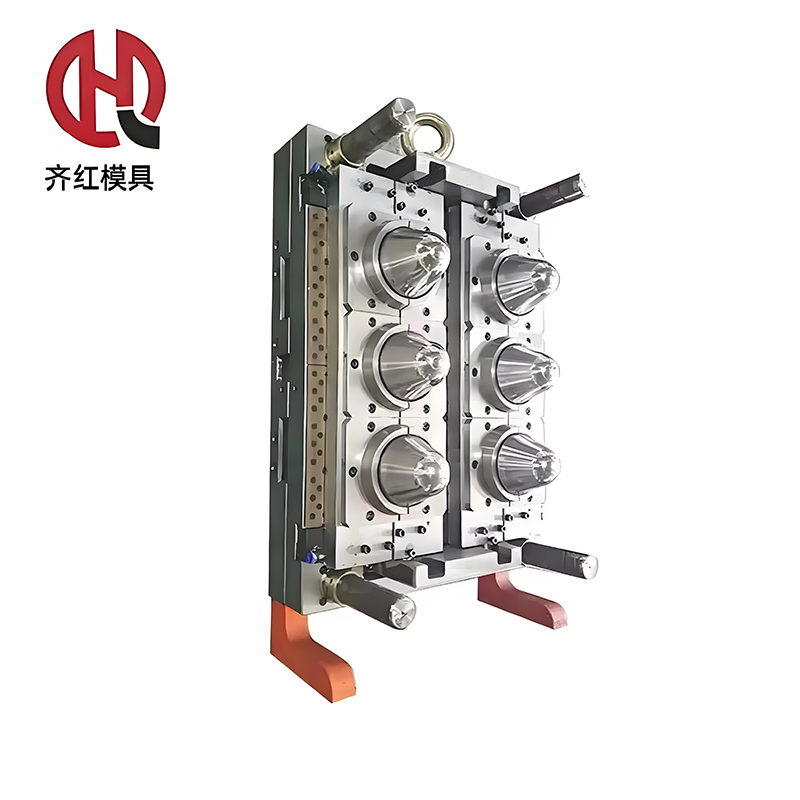
Water and beverage preform mold, Edible oil preform mold, Preform Mold for cosme...
See Details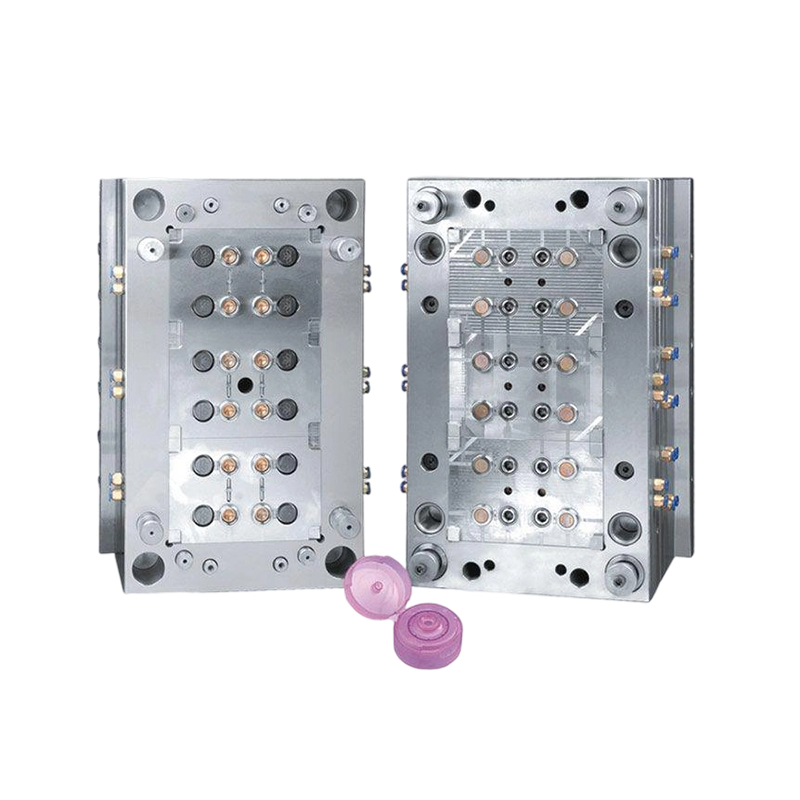
Flip Top Cap also know as Flip Top Caps & Cap mould Stopper Cap is one of ty...
See Details
WhatsApp:+(86) 13957659071 / +(86) 18158637057 / +(86) 15395760157


ADD:Baige Science and Technology Park, Huangyan District, Taizhou City, Zhejiang Province, China.