English
 русский
 عربى
عربى


Bottle Cap Mold(Mould)
A Bottle Cap Mold is a precision tool used in the manufacturing of bottle caps. ...
See Details


In the rapidly evolving manufacturing sector, efficiency, consistency, and cost control are crucial for maintaining competitiveness. Traditional injection molding processes, while reliable, often face challenges in achieving real-time monitoring and rapid adjustments, which can lead to production delays, material waste, and inconsistent product quality. The integration of smart technologies and the Internet of Things (IoT) is reshaping how manufacturers approach injection molding, providing new opportunities for data-driven operations and improved efficiency.
Injection molding remains a central process for producing plastic components across various industries, including packaging, automotive, medical, and consumer goods. The global injection molding machine market continues to expand, driven by demand for precision, speed, and adaptability. However, conventional machines typically require manual monitoring, and identifying performance deviations often occurs after issues have already affected production. Smart injection molding addresses these limitations by embedding sensors and connectivity into machines, allowing continuous data collection and automated adjustments.
Smart injection molding refers to systems that combine automation, real-time monitoring, and data analytics to optimize production processes. Key features include tracking critical parameters such as injection speed, pressure, and temperature. These systems can automatically adjust settings based on the data collected, reducing the likelihood of defects and maintaining consistent quality throughout production runs. Additionally, predictive maintenance is enabled by analyzing sensor data to anticipate potential equipment issues before they cause downtime.
The integration of IoT technology further enhances smart injection molding capabilities. Connected machines can transmit operational data to cloud platforms for remote monitoring and management. This connectivity allows engineers and operators to observe machine performance, production trends, and maintenance needs from any location. By leveraging IoT, manufacturers can respond quickly to potential disruptions, reduce material waste, and ensure smoother production cycles. Data analytics play a central role in understanding trends and optimizing processes, supporting informed decision-making across the production floor.
For manufacturers, the adoption of smart injection molding with IoT integration offers multiple benefits. Consistency in product quality is improved by monitoring and adjusting critical parameters automatically. Equipment maintenance becomes more proactive, reducing unexpected downtime and associated costs. Energy consumption can be managed more efficiently, contributing to cost savings and sustainable production practices. Moreover, the ability to collect and analyze production data supports continuous improvement efforts and helps manufacturers adapt to changing market demands.
While the advantages are clear, there are also challenges to consider. Initial investment in smart injection molding systems and IoT infrastructure can be significant. Manufacturers must address cybersecurity concerns to protect sensitive operational data. Compatibility with existing equipment and training for operators and engineers are essential to ensure smooth adoption. Despite these considerations, the long-term value of integrating smart technologies into injection molding operations is substantial.
Looking ahead, the combination of AI and machine learning with smart injection molding is expected to further refine production processes. These technologies can analyze historical and real-time data to identify patterns, suggest adjustments, and optimize cycle times. Integration with digital manufacturing systems and smart factory concepts aligns with broader trends in Industry 4.0, enabling more flexible and responsive production environments. Sustainable materials and green manufacturing practices can also be supported through precise control of processes and reduction of waste, aligning with environmental objectives.
By enabling real-time monitoring, predictive maintenance, and data-driven optimization, these systems enhance efficiency, quality, and sustainability. As manufacturers embrace digital transformation, smart injection molding provides the tools to meet evolving industry demands, reduce operational risks, and support long-term growth. The adoption of connected, intelligent production methods signals a step forward in modern manufacturing, where data and technology work together to improve outcomes across all aspects of the injection molding process.
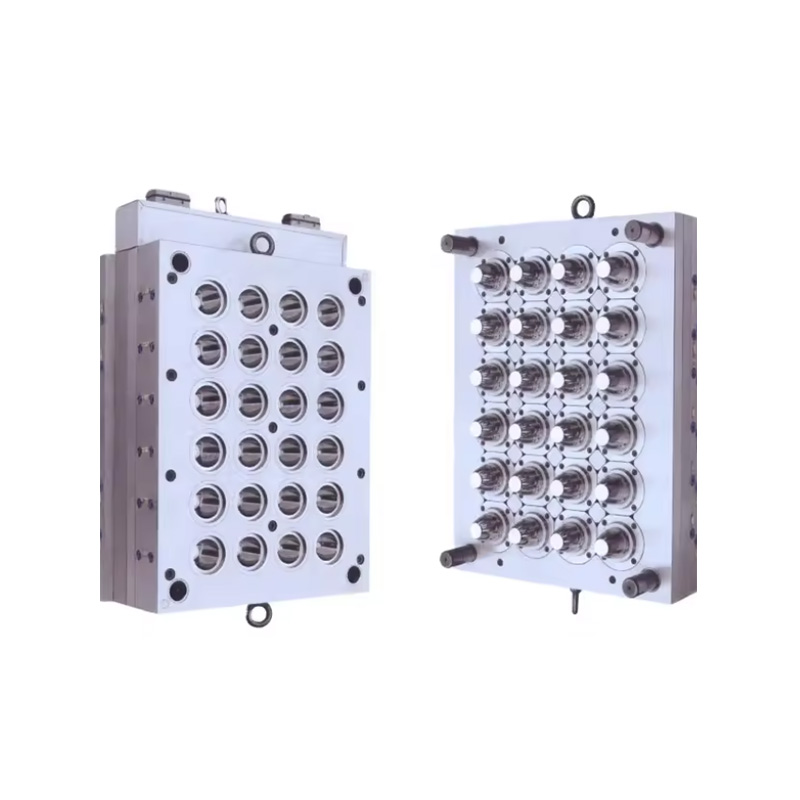
A Bottle Cap Mold is a precision tool used in the manufacturing of bottle caps. ...
See Details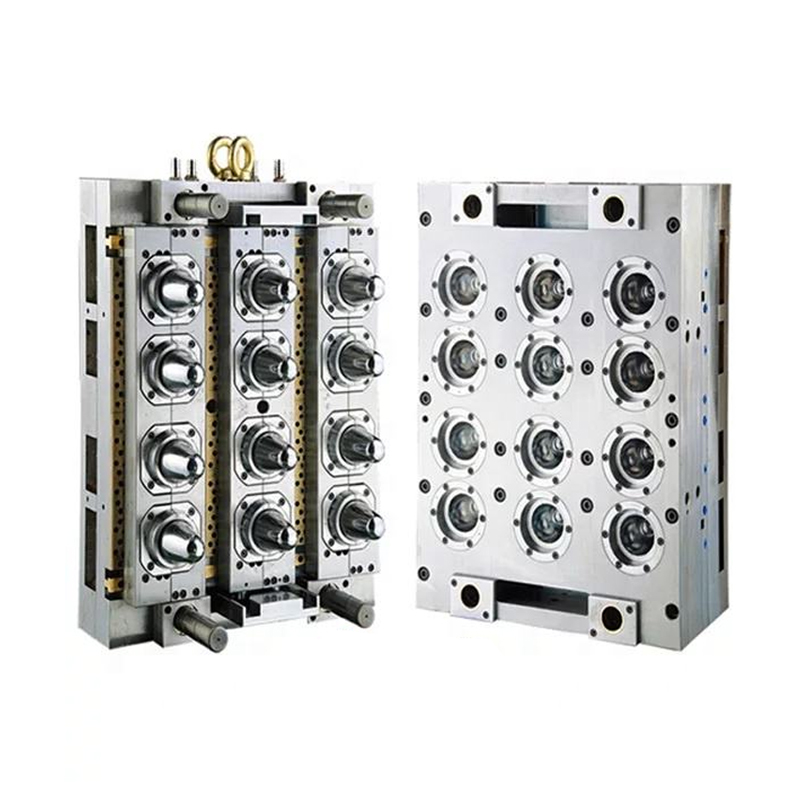
The 12-Cavity Wide-Mouth Mold(Mould) is made for manufacturers running wide-mout...
See Details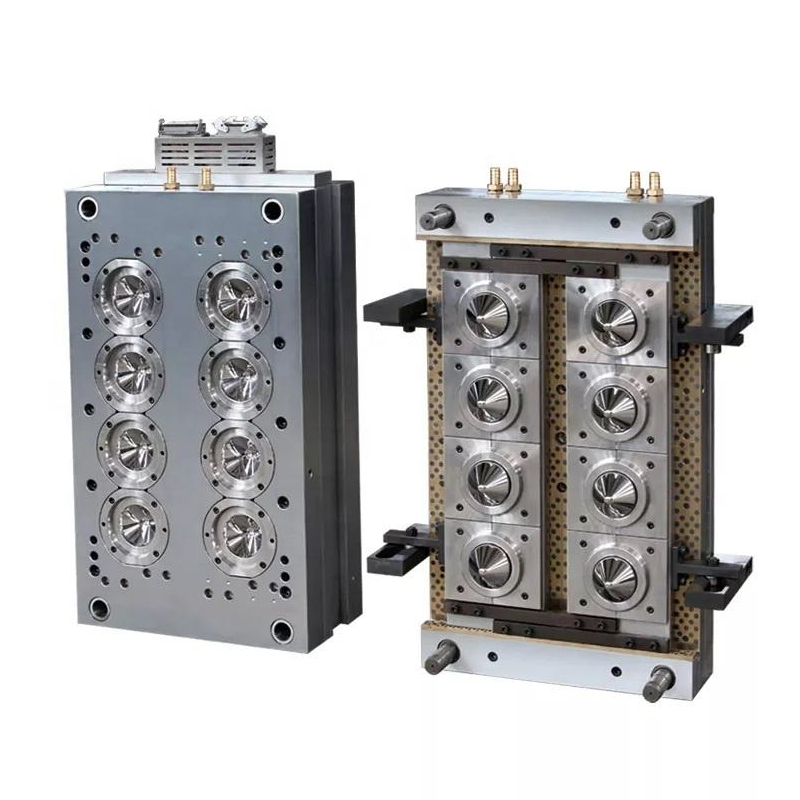
The 8-cavity wide-mouth mold is designed to produce plastic containers with larg...
See Details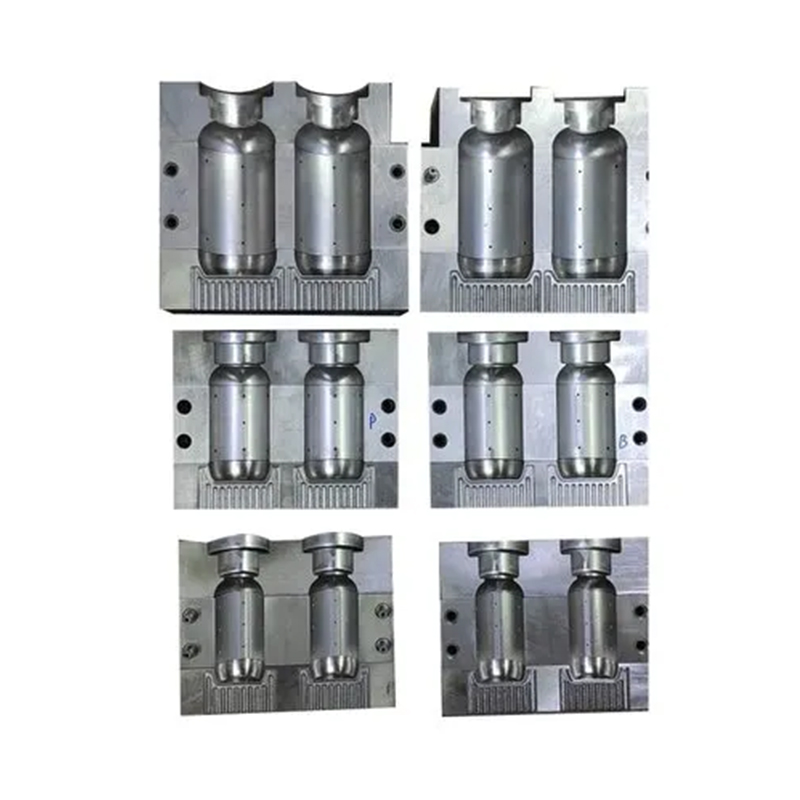
Medicine bottle molds are specialized tools designed for the efficient productio...
See Details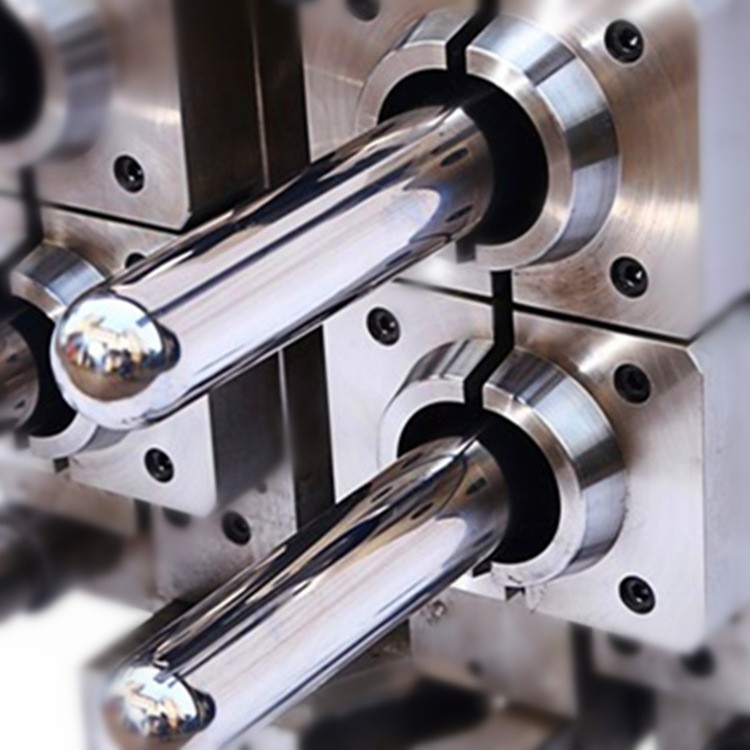
Mould Specifications Product : Preform Mould Brand : Taizhou QihongMould C...
See Details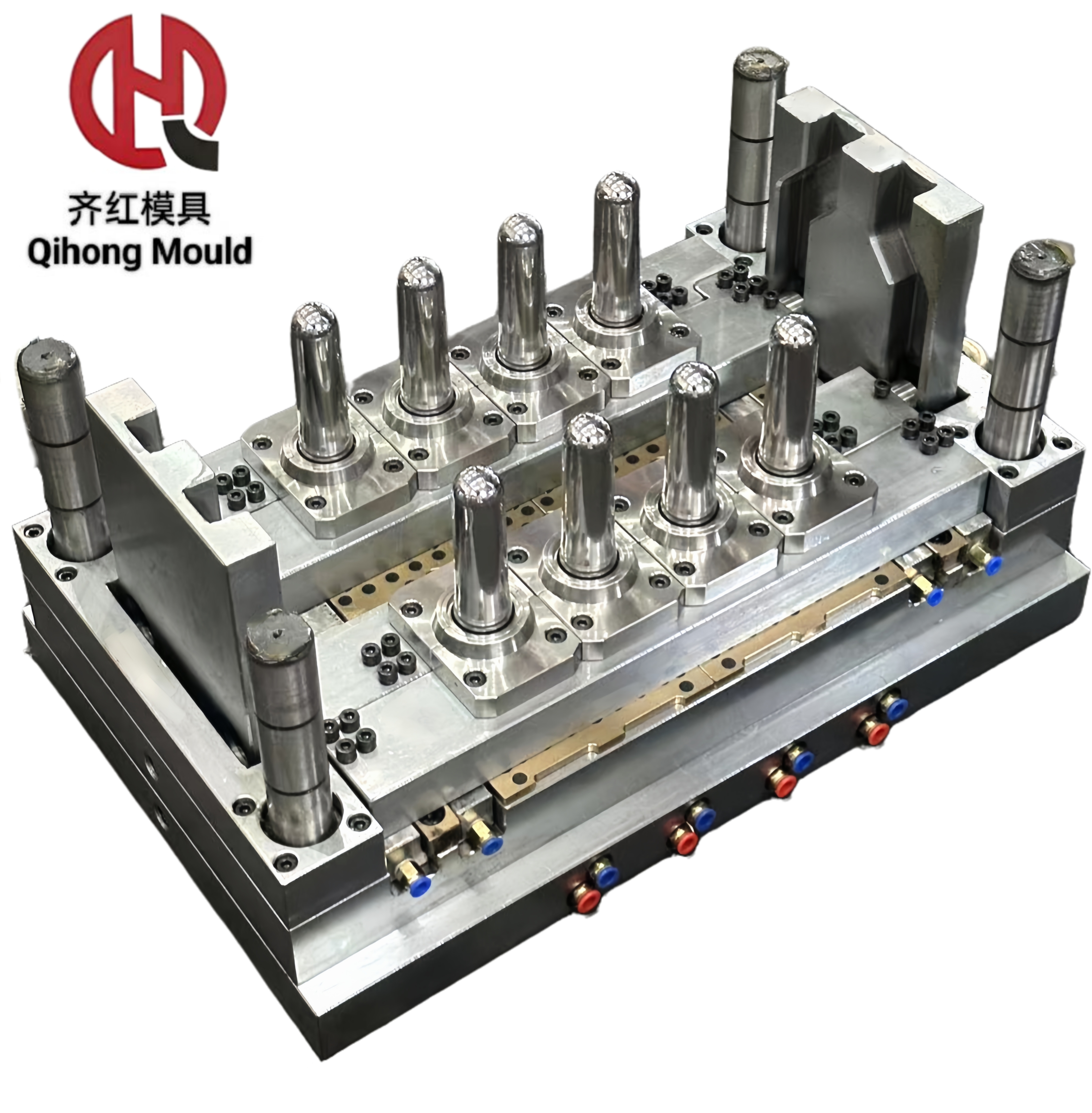
Jar Preform Mold is designed for accurate and efficient production of plastic pr...
See Details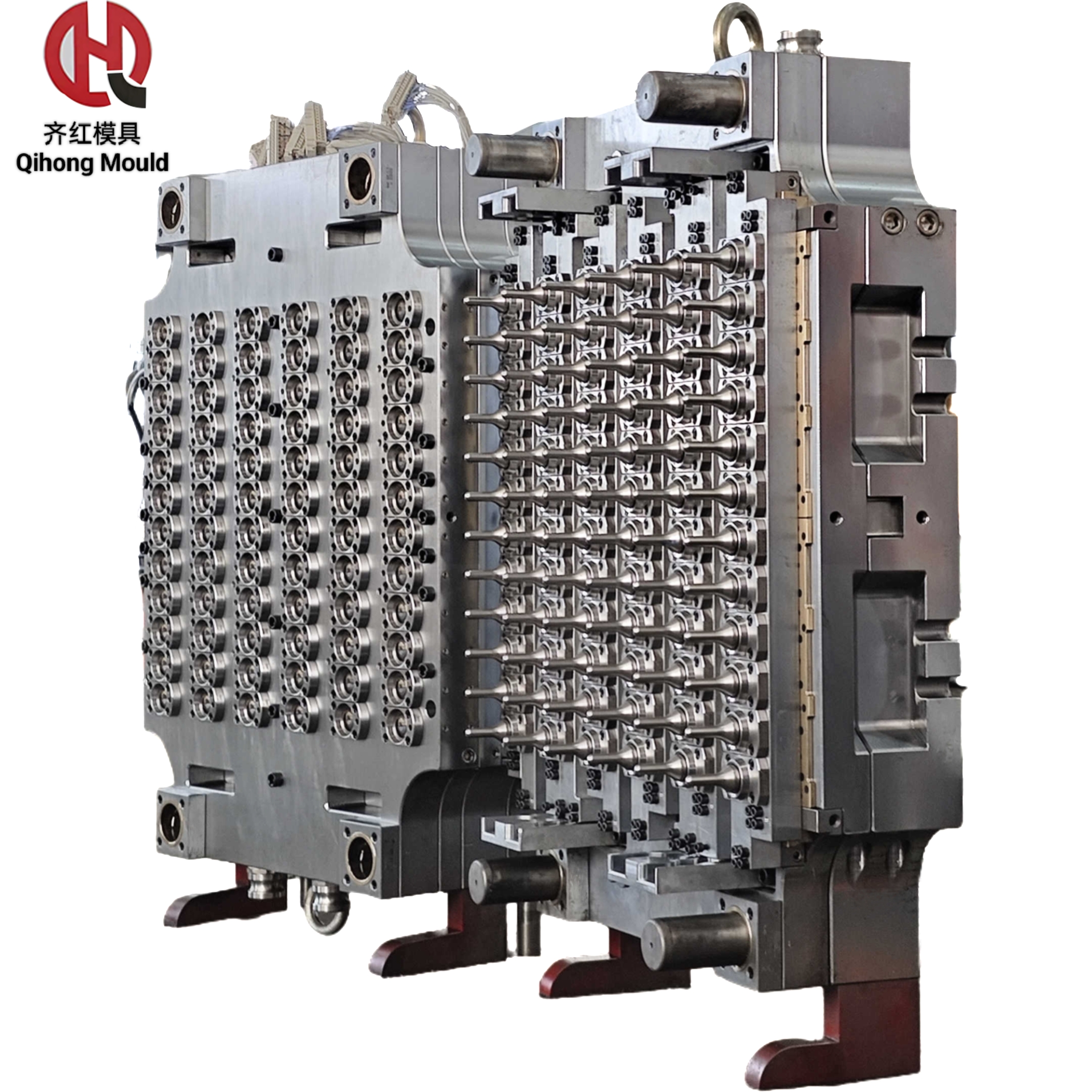
PET Preform Mold Design focuses on high precision structure and stable productio...
See Details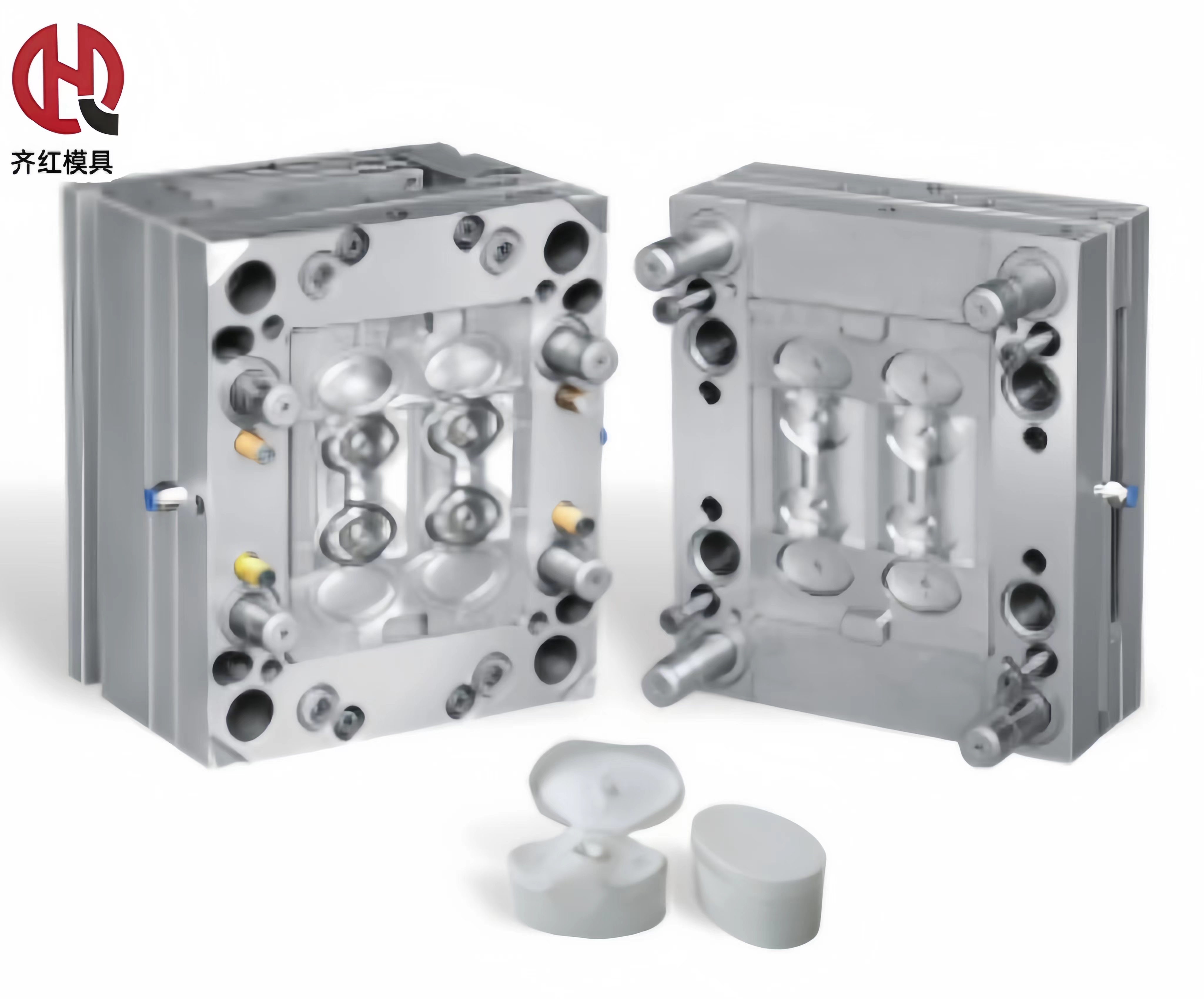
Plastic Cap Mould is designed for high precision plastic cap production. The Chi...
See Details
WhatsApp:+(86) 13957659071 / +(86) 18158637057 / +(86) 15395760157


ADD:Baige Science and Technology Park, Huangyan District, Taizhou City, Zhejiang Province, China.