English
 русский
 عربى
عربى


Bottle Cap Mold(Mould)
A Bottle Cap Mold is a precision tool used in the manufacturing of bottle caps. ...
See Details


If you look at a bottle on a shelf, most attention goes to the label or the liquid inside. The cap is usually ignored. It feels like a small finishing part.
But in packaging design, the cap is never just decoration. It decides how a bottle opens, how it seals, and how it behaves during use. Behind every cap, there is a mould system shaping it. That system has to adjust again and again for different bottle types.
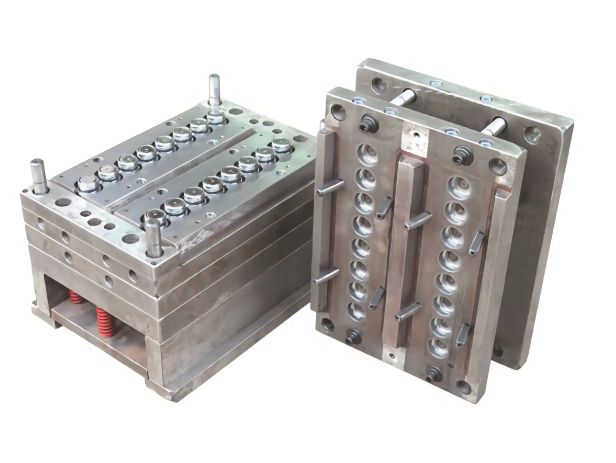
There is no single cap design that works everywhere. Even bottles that look similar can behave in very different ways once they are used.
A bottle is not only a container. It sets expectations for how it will be used.
Some bottles are held often. Some stay stored most of the time. Some are opened quickly, while others are opened carefully and less frequently.
These habits change how the cap must perform.
A drinking bottle, for example, is used in motion. People open it, close it, and carry it again and again. A storage bottle may stay closed for long periods, where sealing becomes more important than speed.
So the mould design cannot stay fixed. It has to respond to usage patterns, not just shape.
Even the bottle opening, sometimes small changes in diameter or edge shape, can shift how the cap behaves.
Drinking bottles usually need a simple and smooth experience. The movement of opening should feel natural, almost automatic.
In mould design, this creates a balancing act. The cap must hold tightly enough to avoid leakage, but not so tight that it becomes inconvenient.
That balance is not always easy. A slight mismatch in shape can change how the cap feels during daily use.
Another detail is repeat use. Drinking bottles are opened many times in a day. After repeated cycles, the cap still needs to stay stable.
Because of that, mould consistency becomes important. Every cap produced must behave in a similar way, otherwise the user experience becomes uneven.
Beverage bottles are often carried in bags, held in hands, or placed in different positions throughout the day.
This means the cap is not always upright or stable. It may face movement, pressure, or sudden shifts.
So the sealing becomes more sensitive. It has to stay reliable even when the bottle is not in an ideal position.
Mould design here often focuses on fit stability. The connection between cap and bottle neck needs to stay consistent, even after repeated opening.
There is also a visual side. If the cap does not align properly with the bottle body, the whole product can feel slightly off, even if it works fine.
Small details matter more than they seem.
Cleaning bottles are a different category entirely. The cap is not only a cover. It often plays a role in controlling how liquid comes out.
This changes the design direction quite a bit.
Instead of only sealing, the cap needs to support controlled opening. The flow direction, pressure, and release feel all matter in practice.
From a mould perspective, internal structure becomes more important. Even small shape differences inside the cap can change how the liquid behaves.
Safety is another concern. Cleaning products are often stored in shared environments. The cap should not open too easily by accident.
So the feel of locking becomes stronger and more defined.
Storage bottles are usually not opened often. That already changes priorities.
Here, sealing stability becomes the main focus. Not speed, not frequent use, but long-term closure.
The cap must keep its shape over time. Even after sitting for long periods or being moved occasionally, it should still fit properly.
This is where mould precision becomes important. If the contact between cap and bottle neck is uneven, small leakage risks may appear later.
In many cases, simpler designs work better. Fewer complex movements, fewer weak points.
Just a stable, steady closure that holds its form.
Industrial bottles are used in less gentle conditions. They may be stacked, transported in bulk, or stored in larger quantities.
This puts more pressure on the cap.
It is not only about sealing. It is about surviving repeated handling and external force.
Mould design here tends to focus on structural stability. The cap should not deform easily, even when conditions are not ideal.
Consistency across large production runs is also important. When thousands of caps are made, small differences can become visible in real use.
So the design has to stay controlled from start to finish.
The bottle neck is the real starting point of the cap system.
If the neck shape changes, even slightly, everything above it changes too.
A narrow opening needs a different cap behavior compared to a wider one. The way it grips, seals, and releases all depend on this connection.
Mould design often begins with studying this interface closely. Not just the shape, but how it meets the cap during use.
When this match is stable, the whole packaging system becomes more reliable.
Even though bottle types vary, some design ideas repeat across categories.
One of them is balance. Pressure should not concentrate in one area. It needs to spread evenly.
Another is surface contact. The more stable the contact between cap and bottle neck, the better the sealing performance tends to be.
Flexibility also plays a quiet role. Not bending, but slight tolerance in fitting so small production differences do not create problems.
The table below gives a simple view of how design elements connect to actual use:
| Design Element | Practical Effect |
|---|---|
| Cap structure | Supports sealing stability |
| Neck fit | Affects how smoothly cap attaches |
| Contact surface | Reduces risk of leakage |
| Inner shaping | Influences opening and closing feel |
| Structural balance | Helps long-term durability |
None of these works alone. They depend on each other in real use.
One challenge is balance between tightness and usability. Too tight feels inconvenient. Too loose creates risk.
Another challenge is small variation during production. Even slight differences can affect how the cap behaves after assembly.
Different bottle types also bring different expectations. A cap that works well for one bottle may feel wrong on another.
There is also the question of time. Caps are expected to perform not only at the beginning, but after repeated use.
So the design is not a one-step task. It is more like continuous adjustment.
Packaging today is no longer one-directional. Bottles are used in homes, transport, storage, and industrial environments.
Plastic cap mould solutions allow this variety to exist without changing the whole system.
Instead of one fixed design, there are adjustable structures that respond to different bottle types.
This makes it possible for packaging to stay consistent while still adapting to different uses.
The cap may look simple from outside, but its design quietly connects many parts of how a product is used in daily life.
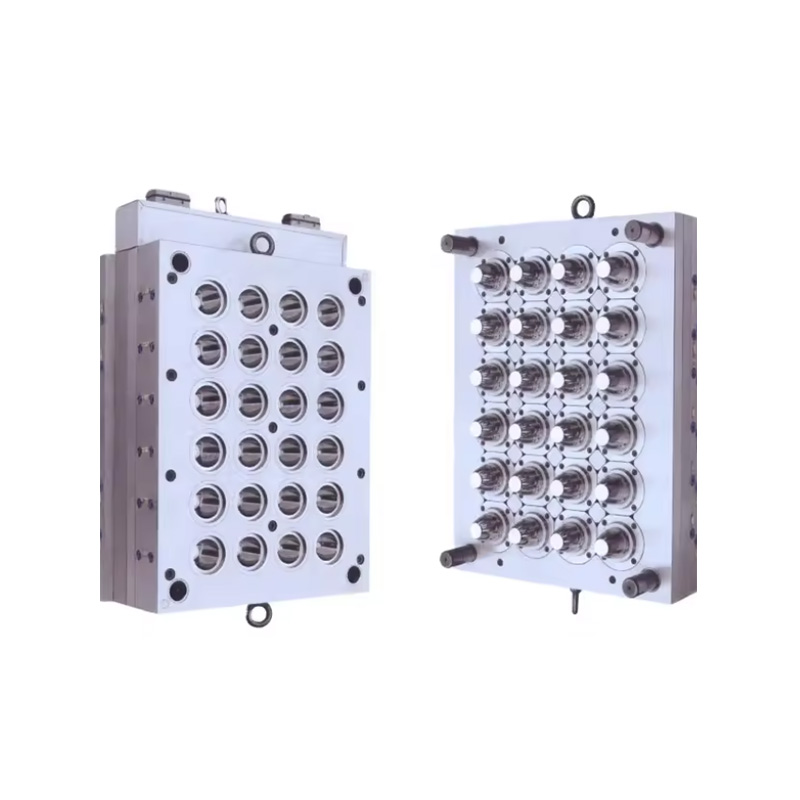
A Bottle Cap Mold is a precision tool used in the manufacturing of bottle caps. ...
See Details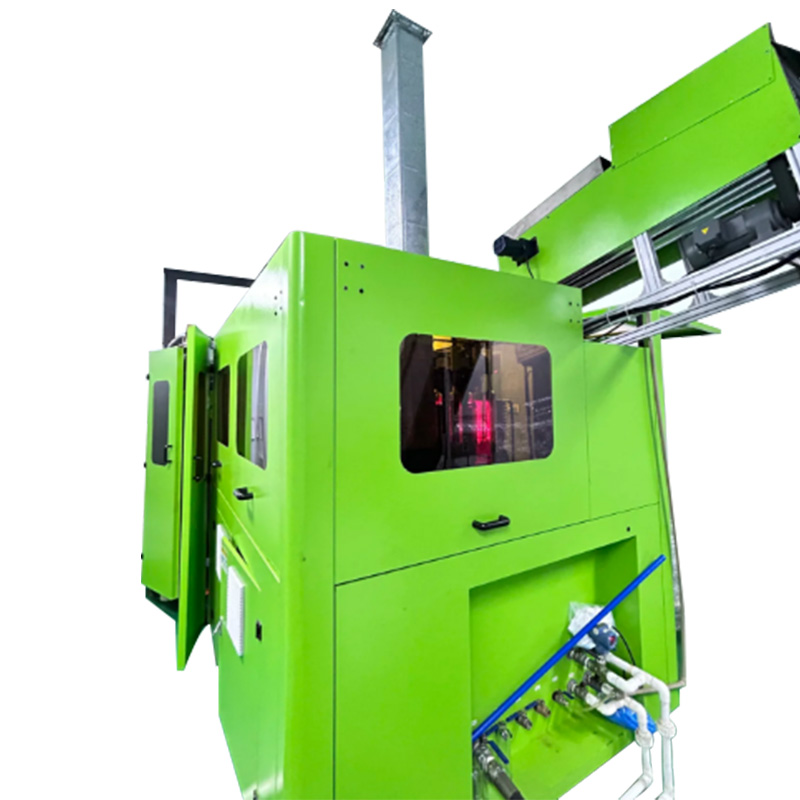
Automatic blowing machines are essential equipment in modern bottle manufacturin...
See Details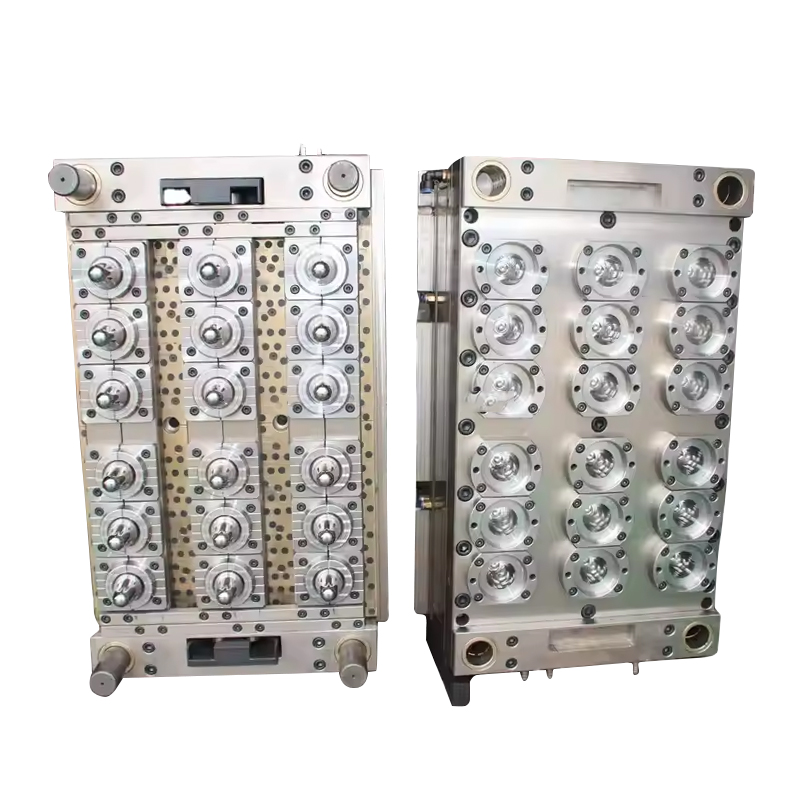
The 18-cavity wide-mouth mold is a high-efficiency tool specifically designed fo...
See Details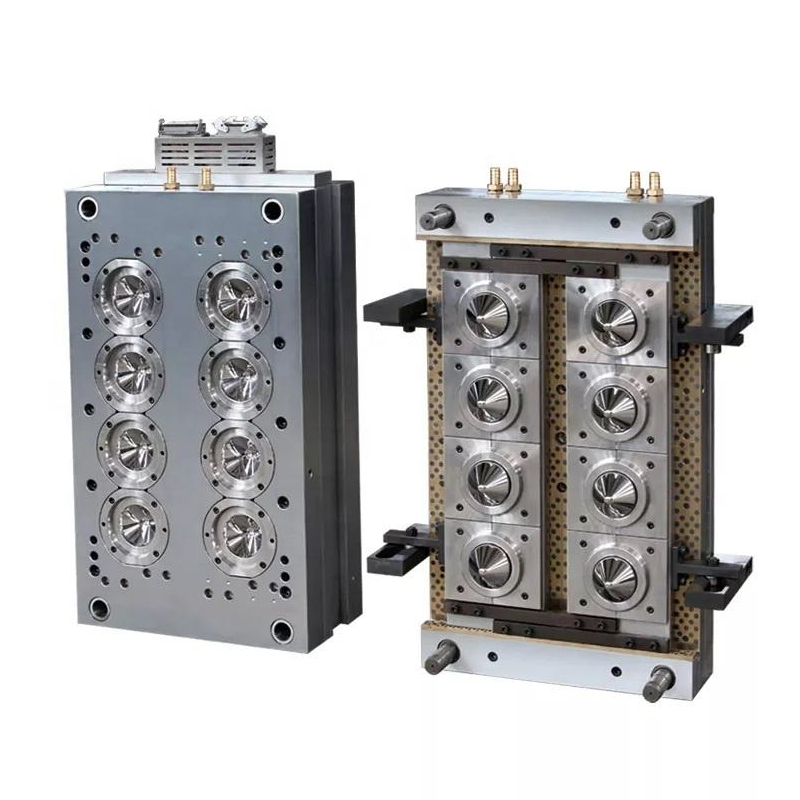
The 8-cavity wide-mouth mold is designed to produce plastic containers with larg...
See Details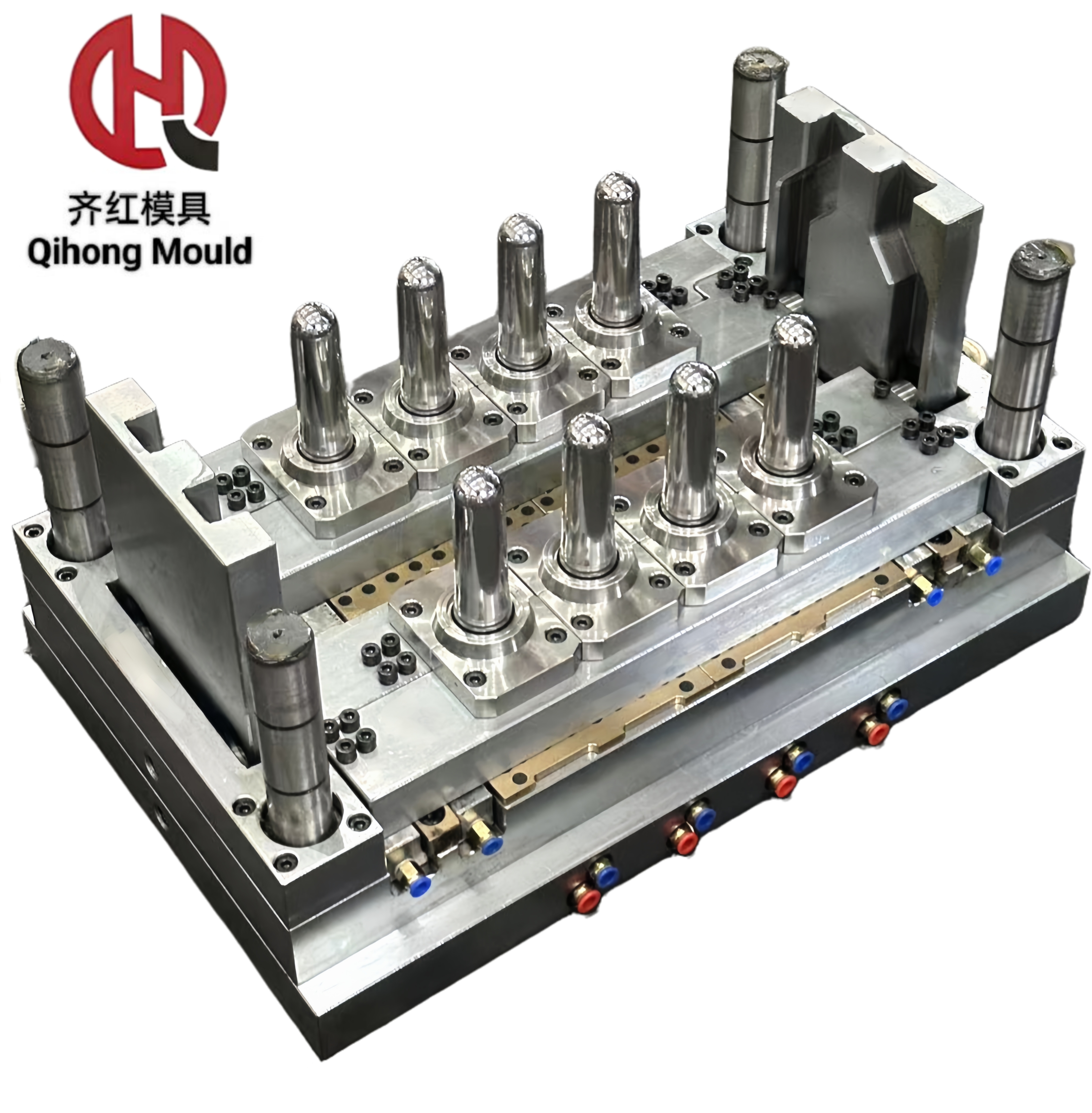
Jar Preform Mold is designed for accurate and efficient production of plastic pr...
See Details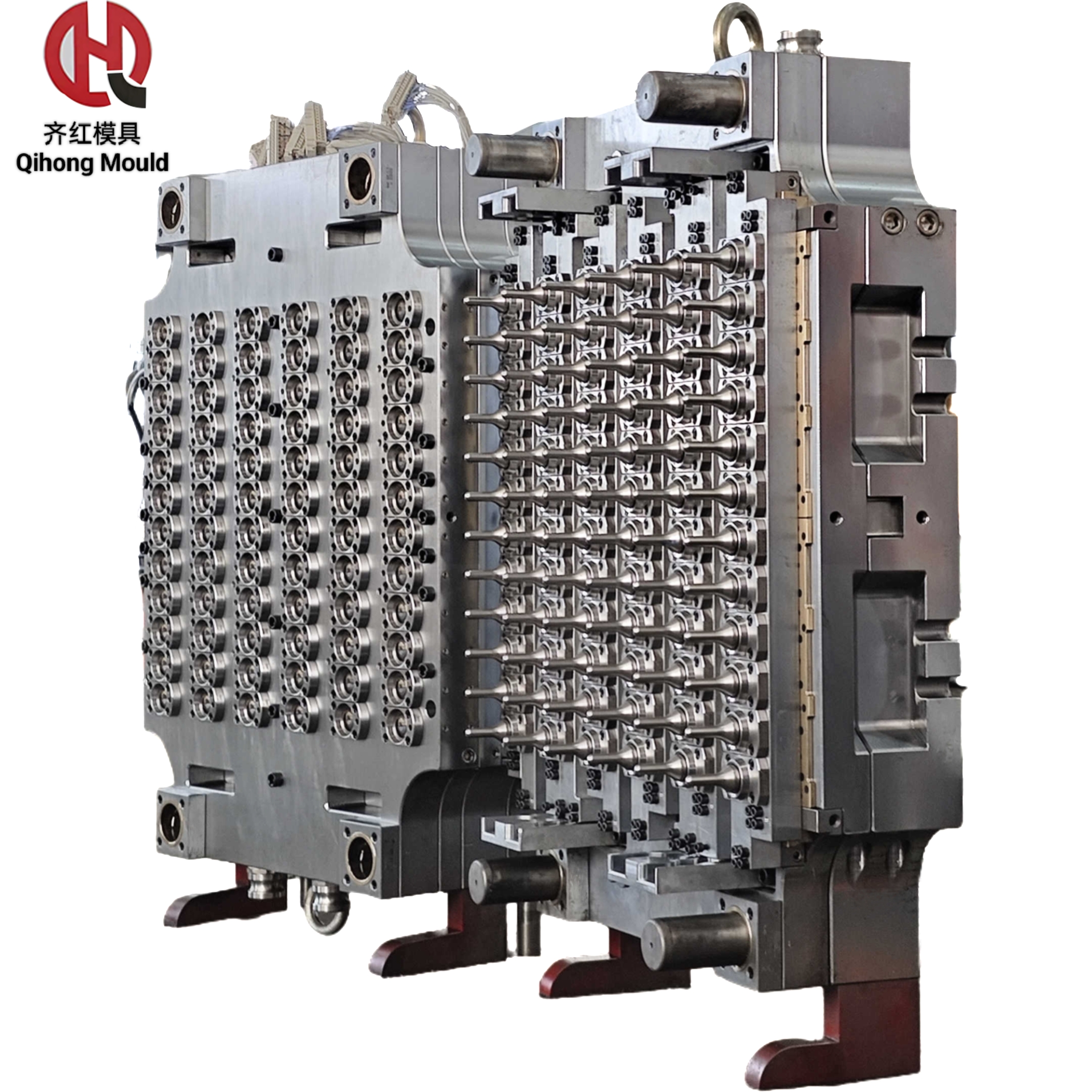
PET Preform Mold Design focuses on high precision structure and stable productio...
See Details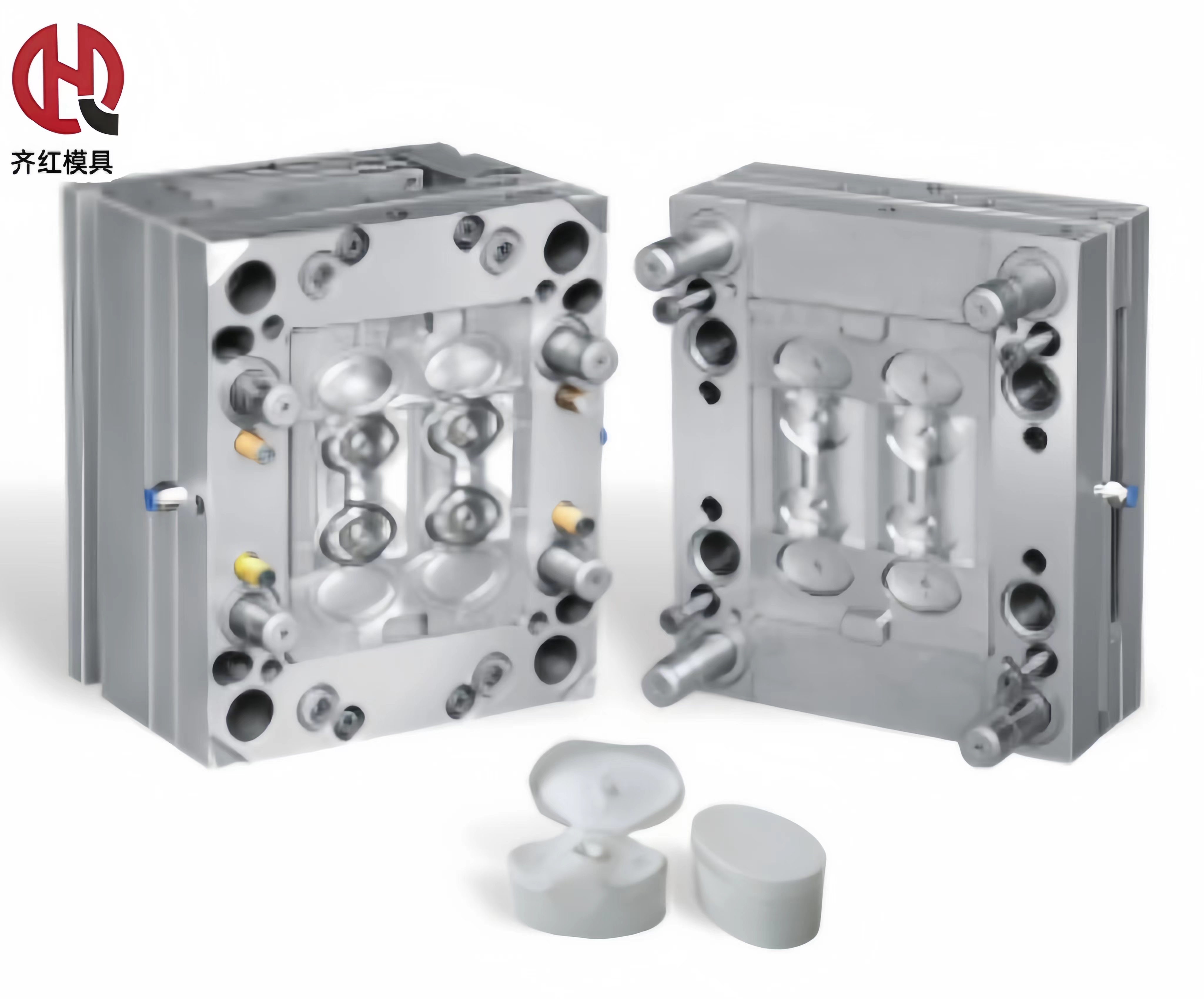
Plastic Cap Mould is designed for high precision plastic cap production. The Chi...
See Details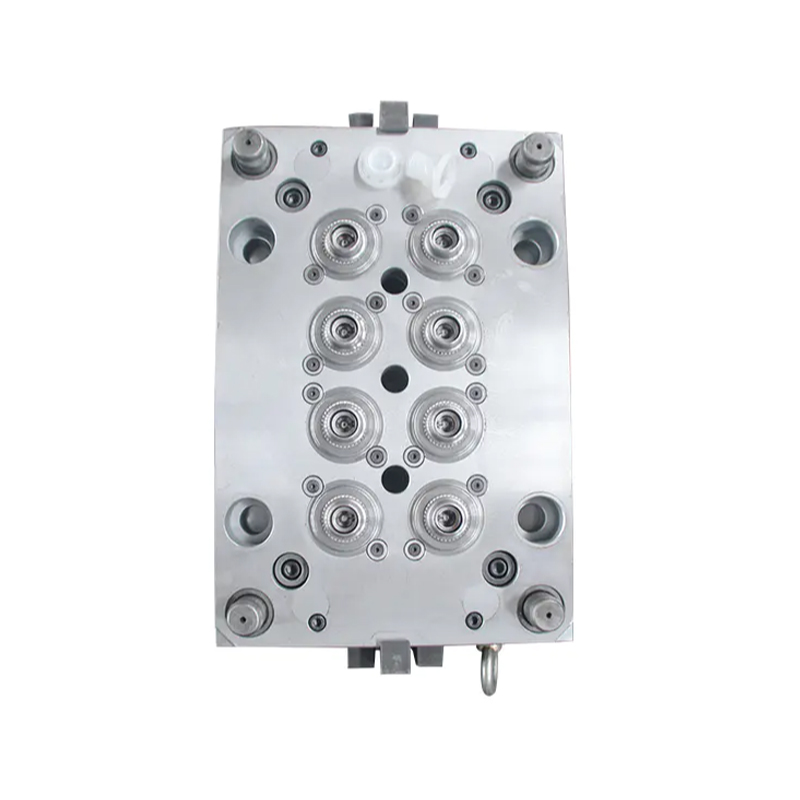
Spout Cap Mould is a EVA inner part of oil cap, match for 42mm pull out closure....
See Details
WhatsApp:+(86) 13957659071 / +(86) 18158637057 / +(86) 15395760157


ADD:Baige Science and Technology Park, Huangyan District, Taizhou City, Zhejiang Province, China.