English
 русский
 عربى
عربى


72-Cavity Preform Mold(Mould)
The 72-Cavity Preform Mold(Mould) is a solid, no-nonsense choice when you need t...
See Details


In the PET bottle industry, the preform mould is the most expensive and most delicate piece of equipment on the entire blowing line. A 48-cavity hot-runner mould can easily cost more than a luxury car, yet many factories treat it like an indestructible tool. The result? Flash, short shots, oval necks, stuck preforms, and eventually catastrophic failures that forces emergency shutdowns. Proper maintenance is not optional; it is the difference between making money and losing money every single shift.
The truth is, a well-maintained preform mould doesn't just prevent downtime and defects; it directly protects your profit margins, product quality, and reputation. So, what if small daily habits separate the factories that run smoothly for years from those constantly firefighting mould issues?
Preform moulds are designed to shape molten plastic into preforms, which are then blow-moulded into final products such as bottles and containers. Given their role in the production process, these moulds must be maintained meticulously to avoid defects that can lead to waste and inefficiency. The complexity of these moulds, often featuring intricate designs and precise dimensions, makes regular maintenance vital.
Every time the mould closes, it is exposed to 140–150 °C molten PET, high pressure and thousands of mechanical cycles. Within a single 8-hour shift, the cavities can collect PET dust, additives, colorant residue, and microscopic aluminium oxide particles.
What to do every day:
More preform moulds are destroyed by poor water quality than by wear on the steel itself. Hard water, bacteria, and corrosion quietly eat the cooling circuits until one day a cavity runs 15 °C hotter than its neighbour and produces hazy or crystallised preforms.
Best practices:
Neck rings, ejector rods, and alignment pins must move freely. Too much grease attracts dust and creates black spots on preforms; too little grease causes galling and broken pins.
Recommended routine:
A mould left on the shelf for months without protection will rust in ways that polishing cannot fix.
Correct storage procedure:
Even with perfect daily care, micro-cracks and wear appear after 3–5 million shots.
Recommended calendar:
Maintaining preform moulds is not just about prolonging their lifespan; it's about ensuring the quality and efficiency of your production process. By implementing regular cleaning, thorough inspections, and adhering to best practices in storage and handling, you can significantly reduce the risk of defects and downtime.
At Taizhou Qihong Mold Co., Ltd., we've spent many years helping hundreds of PET bottle producers worldwide extend mould life while achieving thinner walls, faster cycles, and zero unplanned stops. When you choose a mould from Qihong, you're not just buying steel—you're gaining a partner committed to teaching you how to keep that mould performing like new for decades.
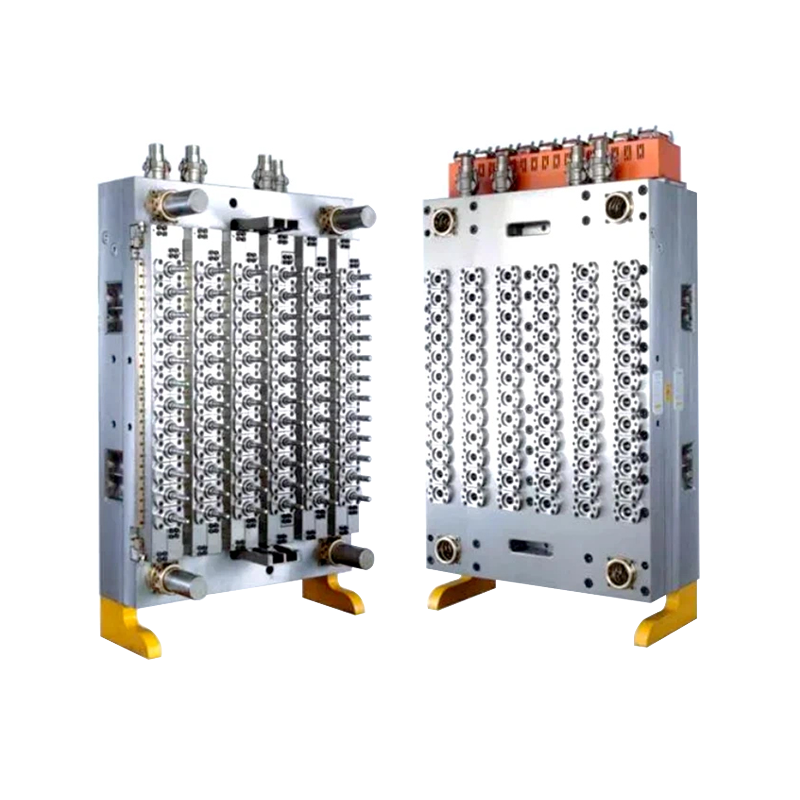
The 72-Cavity Preform Mold(Mould) is a solid, no-nonsense choice when you need t...
See Details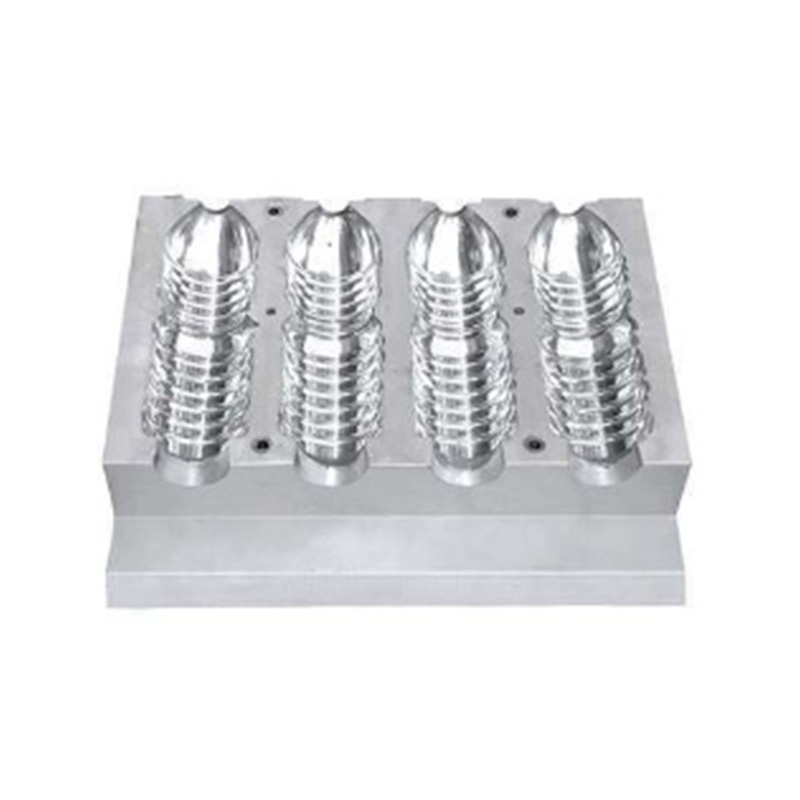
Product Name: Water/Beverage Bottle Mold A Water/Beverage Bottle Mold is a speci...
See Details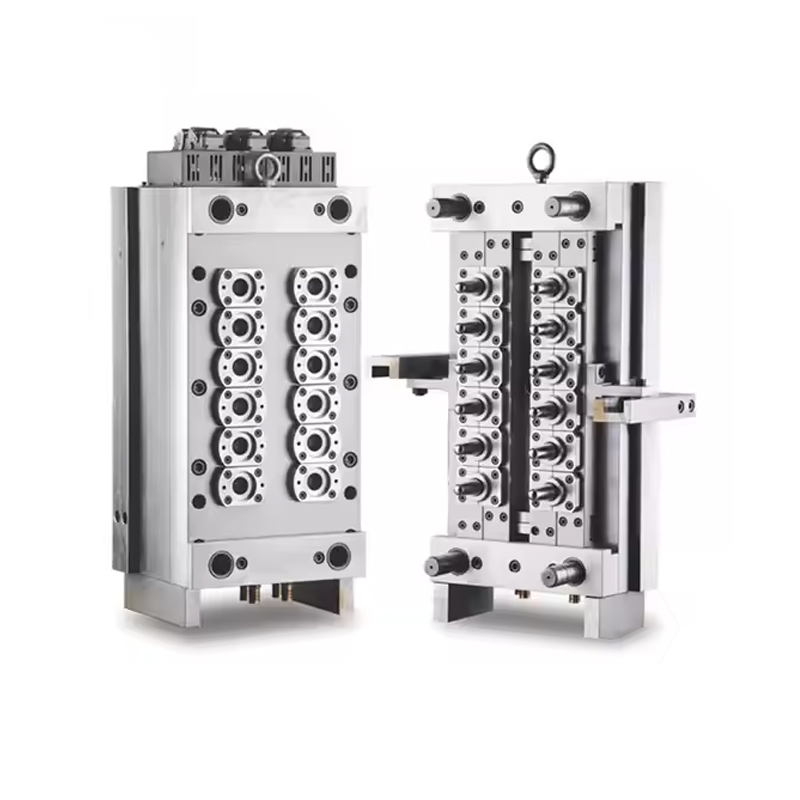
The 12-Cavity PET Preform Mold is a high-quality, durable solution designed to m...
See Details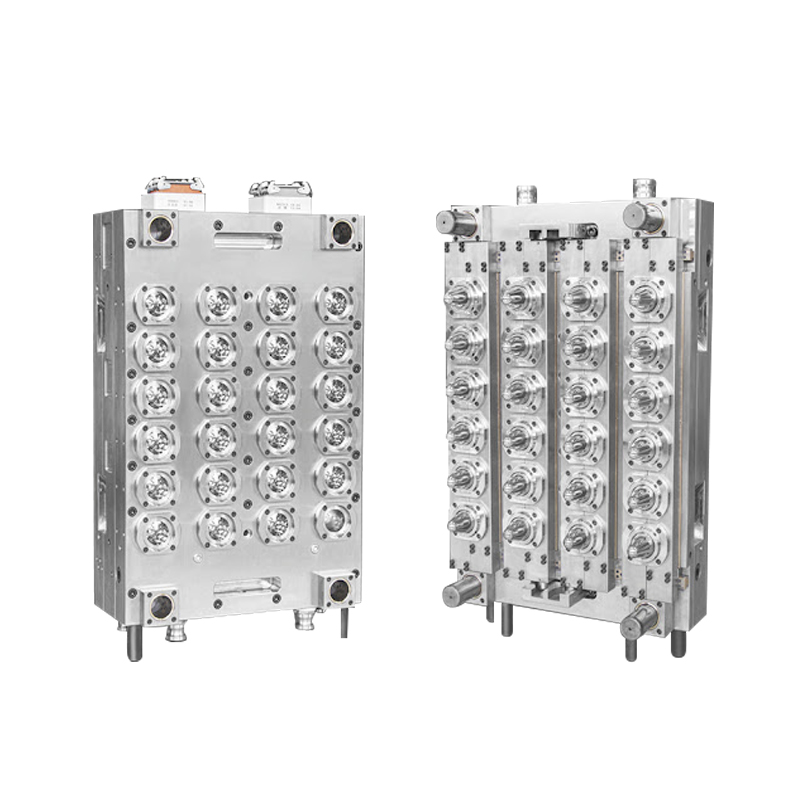
The 24-cavity wide-mouth mold is a precision tool designed for producing wide-mo...
See Details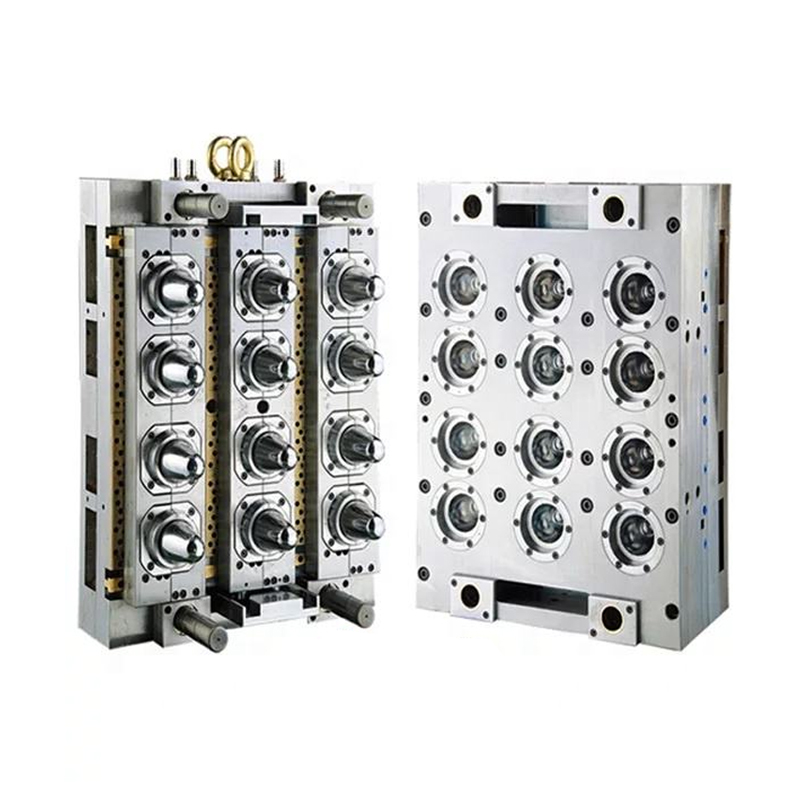
The 12-Cavity Wide-Mouth Mold(Mould) is made for manufacturers running wide-mout...
See Details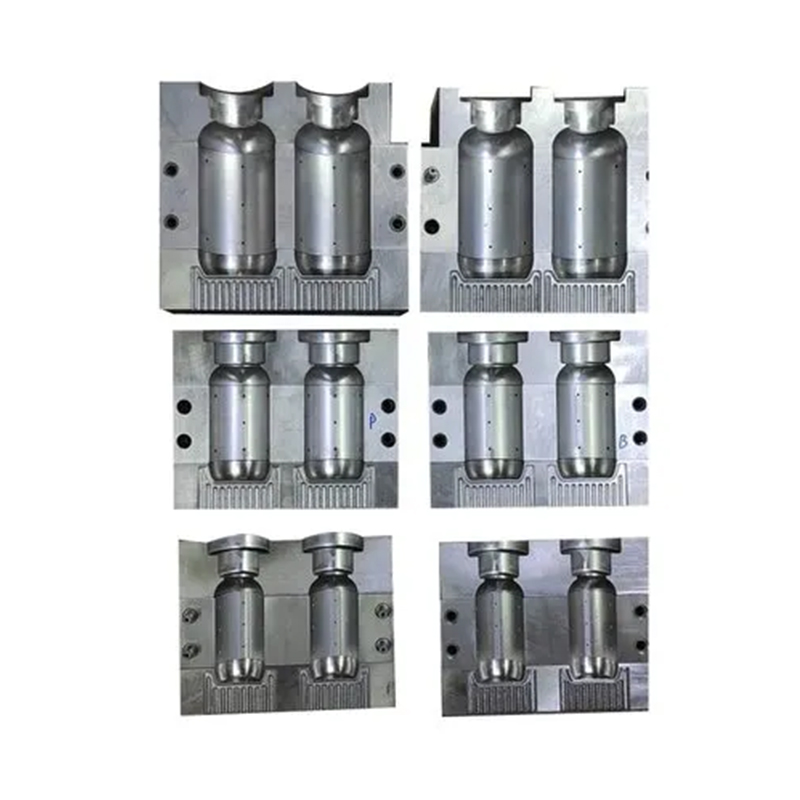
Medicine bottle molds are specialized tools designed for the efficient productio...
See Details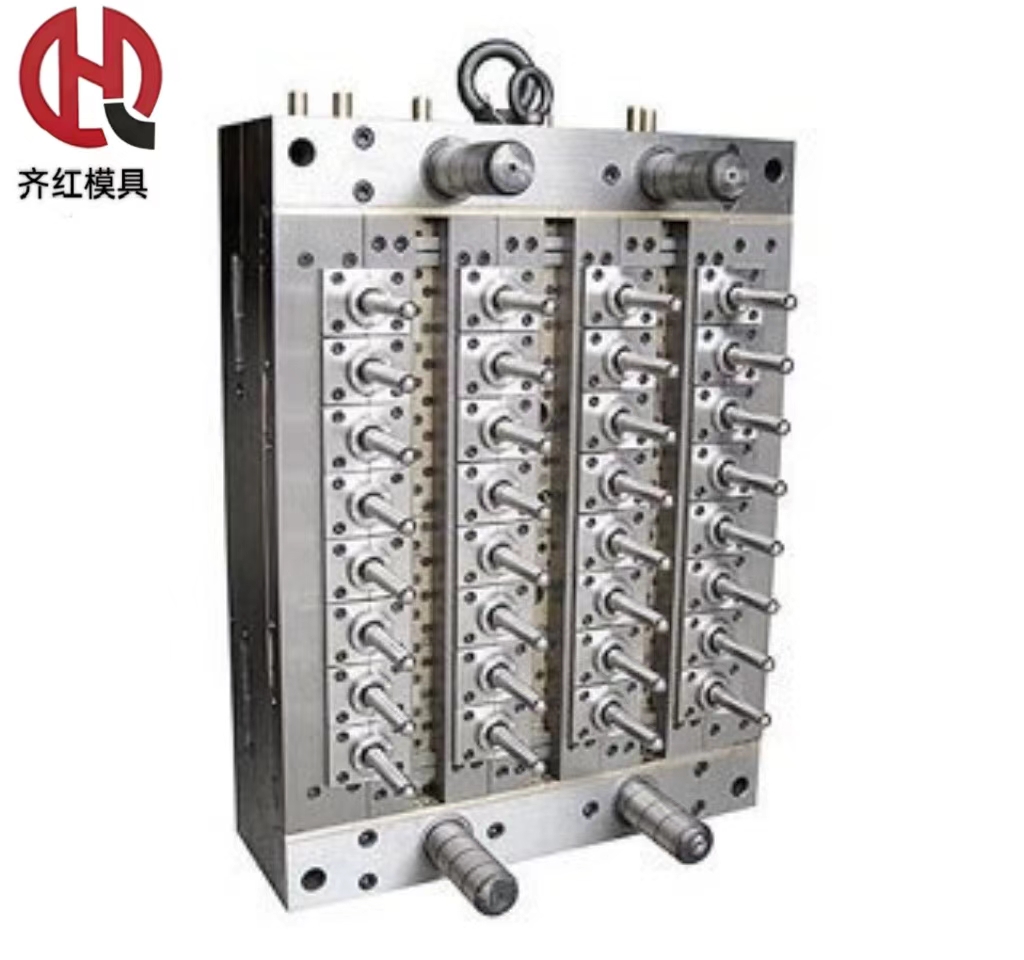
Custom Made Plastic Molds are designed for high precision and flexible plastic p...
See Details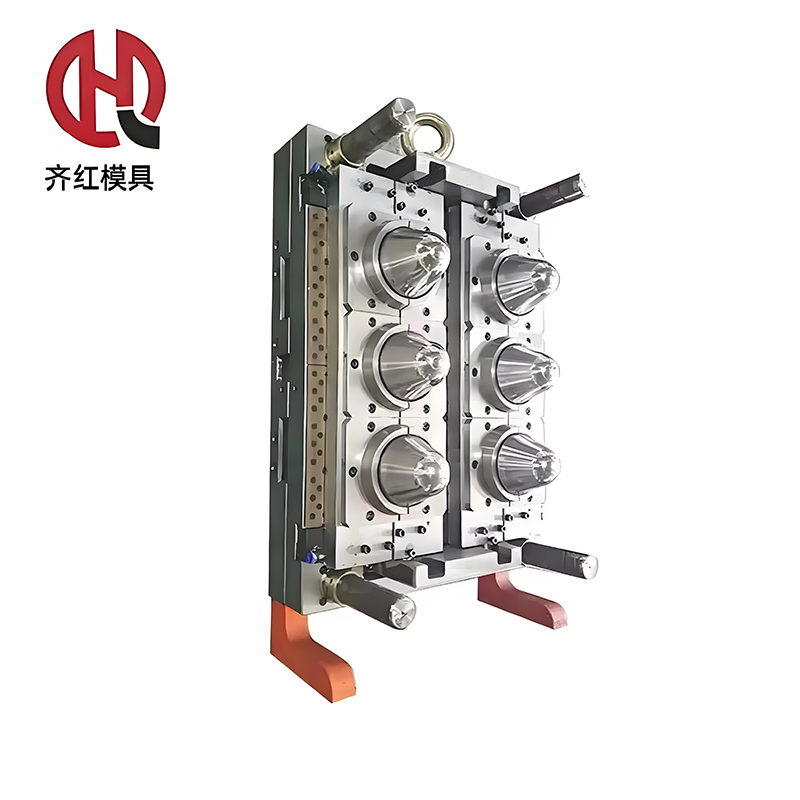
Water and beverage preform mold, Edible oil preform mold, Preform Mold for cosme...
See Details
WhatsApp:+(86) 13957659071 / +(86) 18158637057 / +(86) 15395760157


ADD:Baige Science and Technology Park, Huangyan District, Taizhou City, Zhejiang Province, China.