English
 русский
 عربى
عربى


48-Cavity Preform Mold(Mould)
The Qihong 48-Cavity Preform Mold(Mould) is the ideal choice for high-volume PET...
See Details


What Techniques Enhance Efficiency in Bottle Blowing Mould Production Lines
Efficient operation in modern bottle manufacturing starts with precise control of the Bottle Blowing Mould, including accurate air pressure, heating cycles, and timing. Optimizing these parameters reduces defects, minimizes scrap, and ensures smooth operations. Manufacturers can apply systematic processes to maintain consistent output quality while reducing downtime and operational costs.
Selecting Durable Materials
The materials used in mould components greatly influence their longevity and stability. Wear-resistant metals prevent erosion caused by repeated thermal cycles, and thermally stable alloys help avoid warping during production. Choosing the right materials allows for reduced maintenance intervals and ensures consistent performance over long production runs.
Optimizing Machine Settings
Adjusting operational settings such as blow pressure, cycle duration, and temperature is essential. Proper calibration ensures uniform wall thickness in bottles and reduces the likelihood of deformation. Monitoring production performance regularly allows operators to identify potential issues early and take corrective measures before they escalate.
Maintenance Best Practices
Routine inspections and maintenance prolong the lifespan of moulds. Cleaning cavities, checking alignments, and lubricating moving parts prevent unexpected breakdowns. Scheduled maintenance helps maintain quality output while reducing the risk of costly stoppages. Establishing a maintenance plan tailored to production frequency and bottle specifications is highly recommended.
Energy and Workflow Efficiency
Reducing idle time, managing heating elements effectively, and optimizing cycle sequences contribute to energy savings and improved workflow. Implementing monitoring tools can help track energy usage and production efficiency, allowing manufacturers to make informed adjustments and reduce operational costs sustainably.
Adaptable Design Advantages
Incorporating modular and adjustable components allows production lines to quickly adapt to new bottle sizes or designs. This flexibility minimizes downtime, supports multiple product types, and enhances responsiveness to market demand. Adopting a structured approach ensures consistent quality and reliable output throughout the production line.
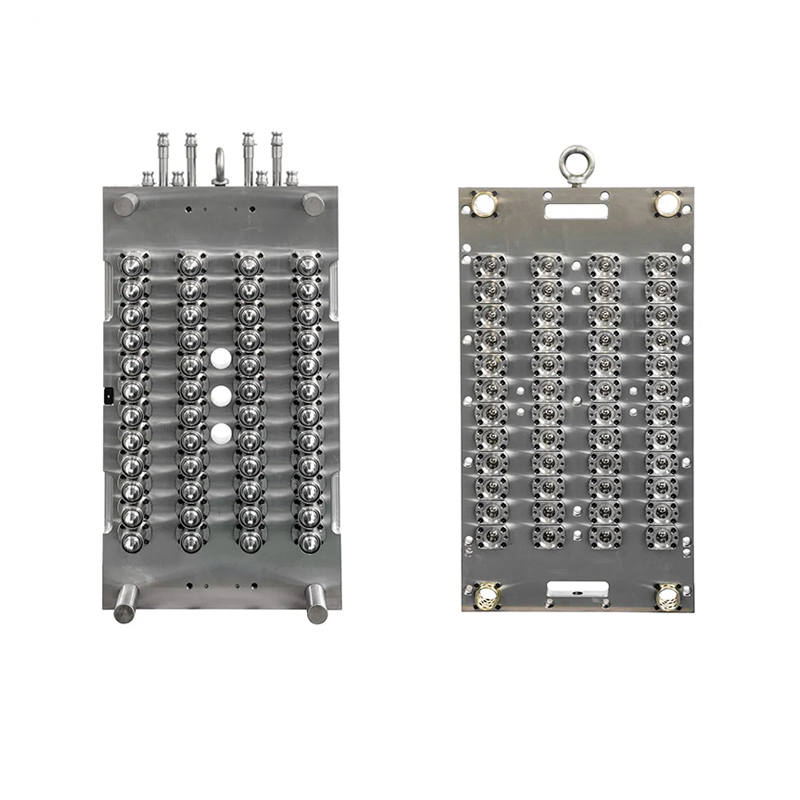
The Qihong 48-Cavity Preform Mold(Mould) is the ideal choice for high-volume PET...
See Details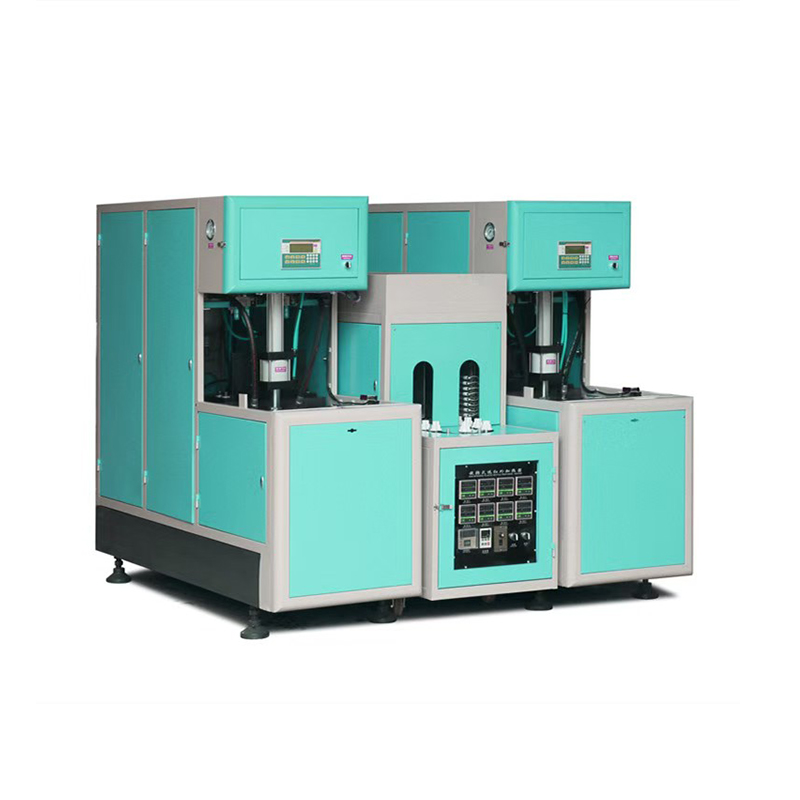
Semi-Automatic Blowing Machines are specialized machines used in the production ...
See Details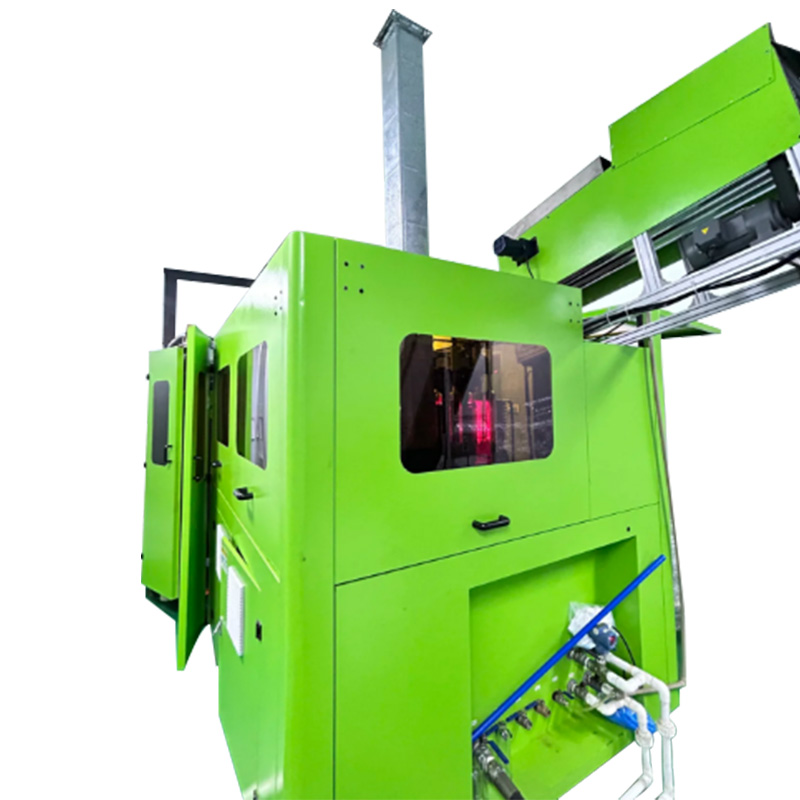
Automatic blowing machines are essential equipment in modern bottle manufacturin...
See Details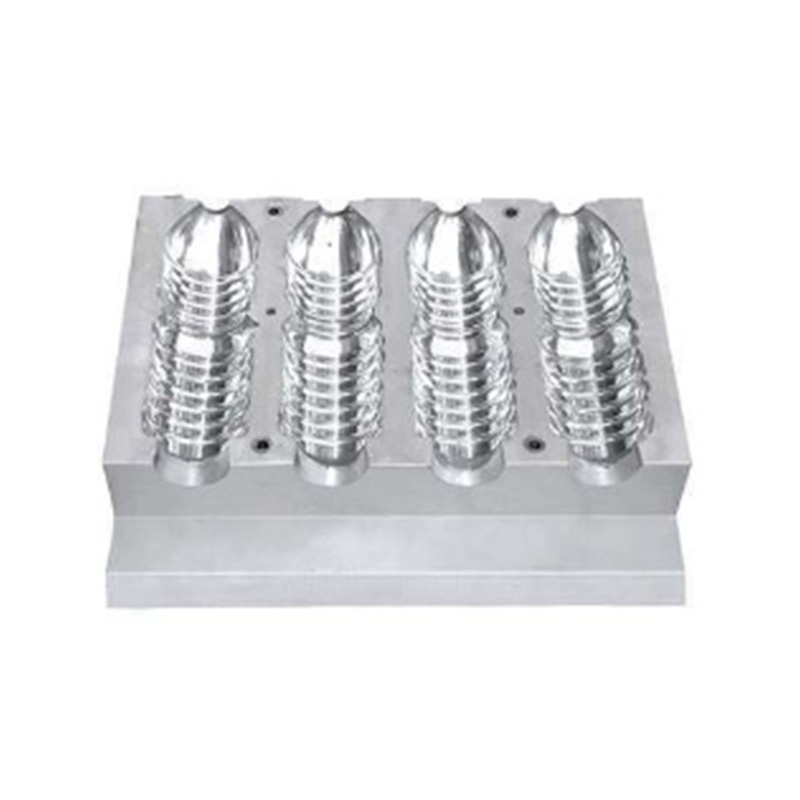
Product Name: Water/Beverage Bottle Mold A Water/Beverage Bottle Mold is a speci...
See Details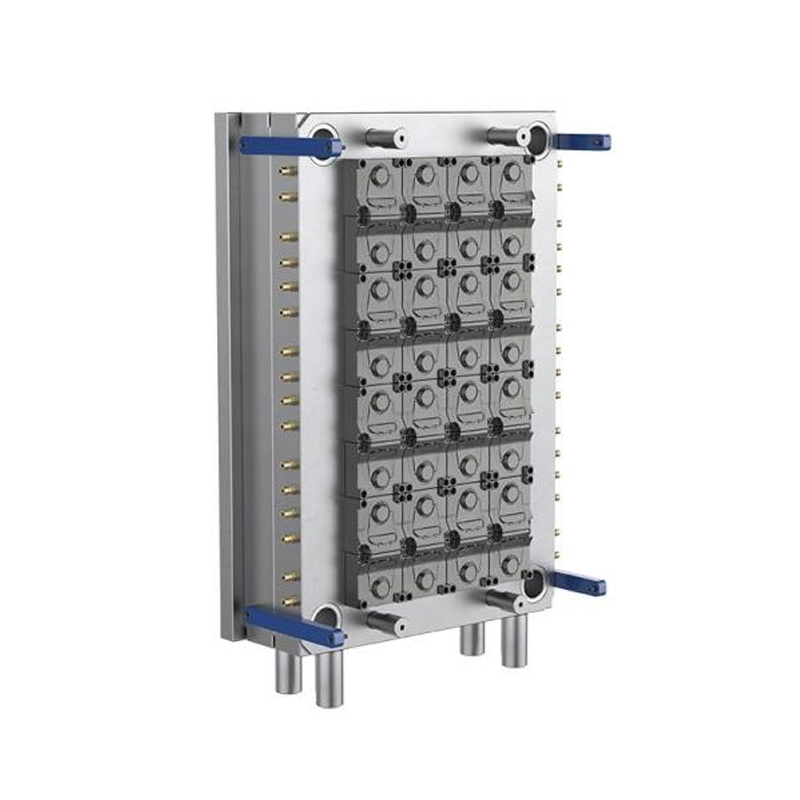
A Handle Mold is a specialized mold used in the manufacturing of plastic handles...
See Details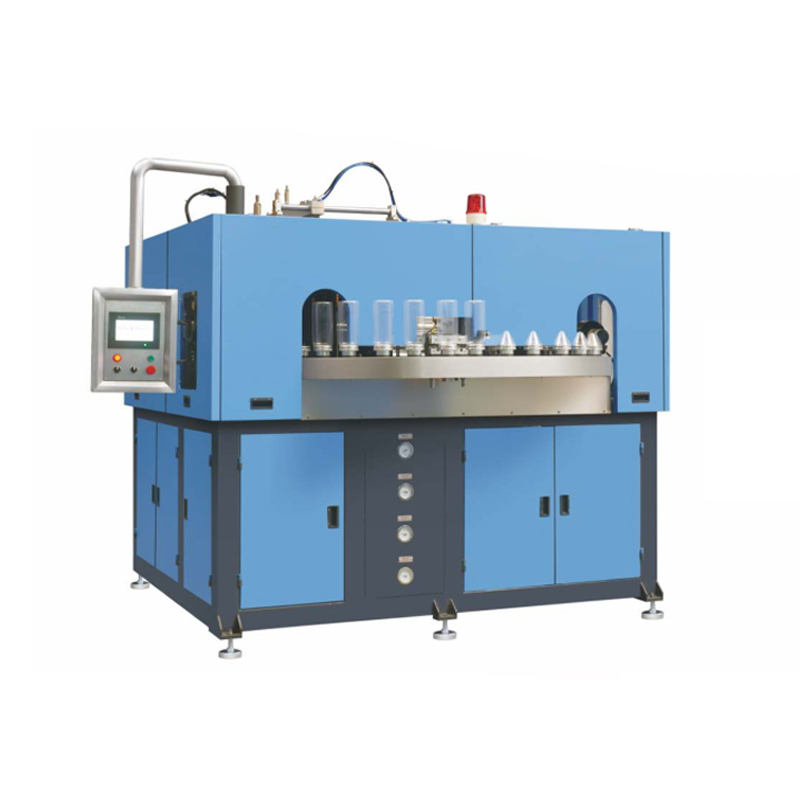
The hand-feeding blowing machine is an efficient tool designed for producing hig...
See Details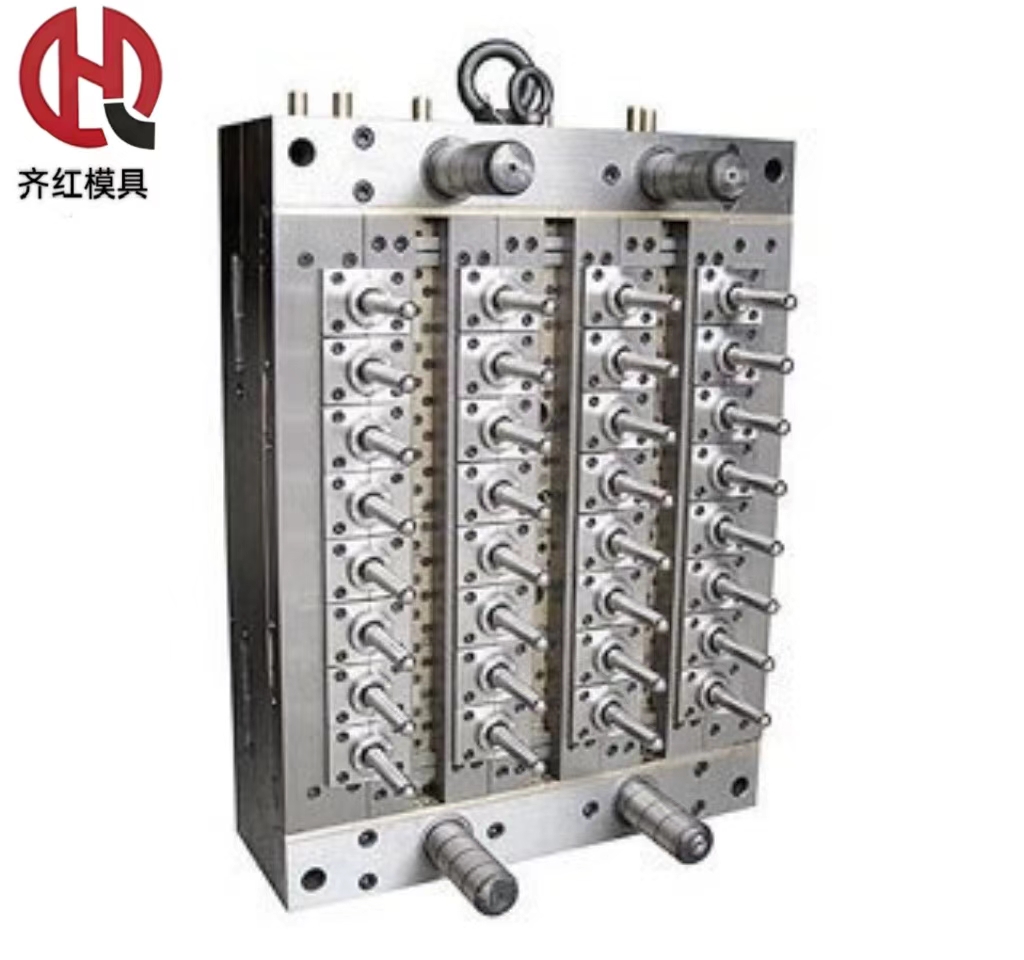
Custom Made Plastic Molds are designed for high precision and flexible plastic p...
See Details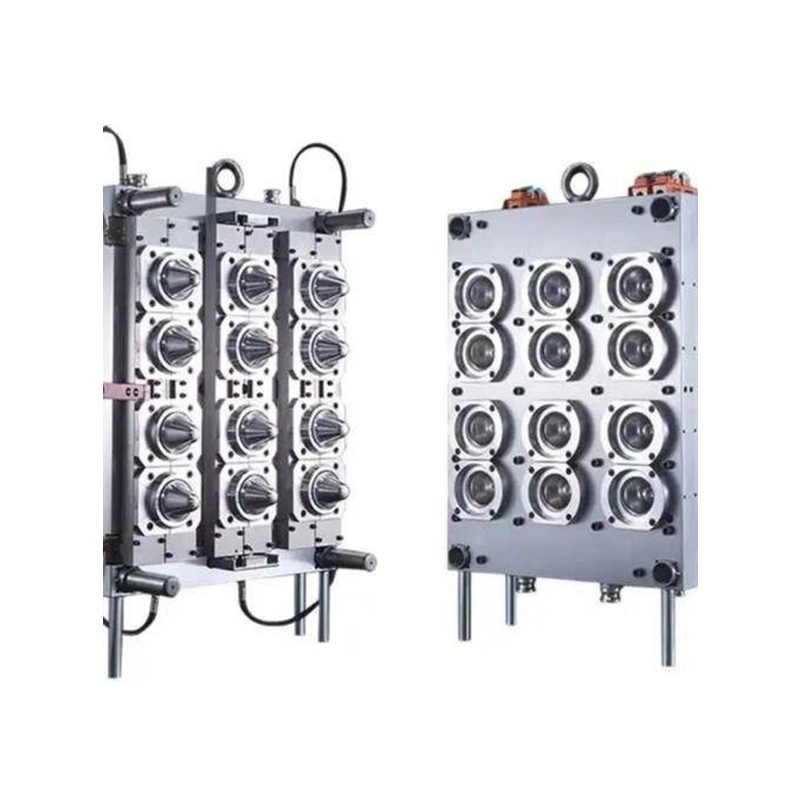
The 12 Cavities Wide Mouth Preform Moulds from Qihong are practical tools for pr...
See Details
WhatsApp:+(86) 13957659071 / +(86) 18158637057 / +(86) 15395760157


ADD:Baige Science and Technology Park, Huangyan District, Taizhou City, Zhejiang Province, China.